
CBD Oil for Joint Pain and Inflammation: What Science (And My Experience) Really Says
I’ll never forget the first time a client showed up to my office clutching a tiny bottle and whispered, “James, does this stuff actually work?” She was talking about CBD oil—her sister had given it to her for her aching knees, and, not gonna lie, she was more than a little skeptical. At that point, I’d already fielded a dozen questions about CBD that month. And the trend hasn’t slowed: in the last year, the National Poll on Healthy Aging reported that 34% of adults over 50 have tried a CBD product for pain relief. That number raised my eyebrows, too.

Why So Many Are Turning to CBD Oil
Look, joint pain—especially from osteoarthritis or old injuries—can be relentless. You wake up with it, you sit with it, you try to walk it off...and sometimes, you just want an off-switch. I’ve seen patients try everything from turmeric pills to elaborate wraps. But here’s the thing: prescription meds and NSAIDs aren’t for everyone, especially if you’re dealing with GI issues or worried about long-term side effects. That’s where the curiosity about CBD oil creeps in.
If you’re nodding along, you’re not alone. The “natural” angle appeals to a lot of folks. But hype aside, is there real science behind using CBD for achy, inflamed joints?
What Is CBD Oil, Really?
Quick primer: CBD (cannabidiol) is a non-psychoactive compound from the cannabis plant. That’s right—no high, no munchies, none of the stuff that makes your neighbor’s brownies suspect at the block party. Most CBD oil is sourced from industrial hemp, and legally, it must contain less than 0.3% THC.
Now, not all CBD products are created equal. The market’s a Wild West—oils, capsules, gummies, balms—and the dosing can be all over the map. But for joint pain and inflammation, CBD oil (the sublingual drops) and topical creams are most common. I’ll get into the differences in a bit.
How Could CBD Help With Joint Pain?
Here’s where it gets interesting. Your body has an endocannabinoid system—think of it like a circuit board that helps regulate pain, mood, inflammation, and immune response. CBD, according to research from Arthritis & Rheumatology (2017), interacts with this system by influencing CB1 and CB2 receptors, potentially reducing inflammatory signals in the joints.
On paper, this is promising. In practice, the results are, well, mixed—but not meaningless. For example, in a small 2020 double-blind study in the Journal of Cannabis Research, adults with osteoarthritis knee pain who used CBD oil reported notably lower pain scores versus placebo after eight weeks. But the benefit wasn’t universal—about one in four said it didn’t help much.
The Evidence: What Do Studies Actually Show?
Let’s cut through the noise. Here’s what the best research (as of 2024) says about CBD oil for joint pain and inflammation:
- Animal studies: Repeatedly show that CBD can reduce joint inflammation and damage in models of arthritis. Not humans, but still—there’s a biological basis.
- Human trials: Fewer, but growing. A 2022 review in Current Rheumatology Reports found that topical CBD can reduce pain and improve function in some people with arthritis—but effect sizes are modest, and results vary by product.
- Topical vs. oral: Topical CBD (creams, balms) seems to work faster for localized pain, but oral oils might help with general inflammation if dosed consistently (think: 25-50mg, 2x daily—talk to your doctor, seriously).
- Safety: Most people tolerate CBD well, but I have seen some GI upset, fatigue, and in rare cases, drug interactions (blood thinners, especially).
Here’s the real kicker: Most studies use pharmaceutical-grade CBD, but the stuff on Amazon is wild—potency, purity, and even the advertised amount of CBD can be off by 30% or more. (My advice? Stick to brands with third-party lab tests and transparent labeling.)
How Does CBD Compare to Other Joint Relief Options?
I get this question a lot: “James, how does CBD stack up against, say, Voltaren gel or glucosamine?”
Honestly? They’re apples and oranges, but here’s my take after years of coaching and reviewing the research:
- Voltaren Arthritis Pain Gel (diclofenac): This topical NSAID is still king for immediate relief of arthritis pain. FDA-approved, backed by dozens of randomized trials. But long-term, daily use can still cause side effects (skin, cardiovascular risk).
- Glucosamine + Chondroitin: These supplements (like the Vimerson Health Glucosamine Chondroitin Turmeric MSM & Boswellia) are better for cartilage support and long-term joint health, but they don’t touch pain quickly. Not gonna lie, the data is mixed here—about half of folks see improvement with 1500mg glucosamine daily, but not everyone.
- CBD Oil: The sweet spot seems to be moderate, persistent pain—not acute injury. It likely works best as part of a routine (not a one-off fix), especially when combined with stretching, heat, and strength work.
If you’re looking for a “magic bullet,” you’ll be disappointed. But as an addition to your toolkit? There’s potential—especially if NSAIDs are off the table.
What Dosage Actually Works?
This is where most articles get cagey. In my practice, I’ve found that doses under 10mg often don’t move the needle, especially for folks over 50 with real joint inflammation. Most clinical trials start with 25-50mg oral CBD per day, sometimes up to 100mg (again: consult your doc, especially if you’re on other meds—it’s not just CYA, I’ve seen interactions happen).
Topicals are trickier: a standard dose is usually 200-500mg CBD per 1oz jar. Apply a thin layer to the affected joint 2-3 times a day. Give it 2-4 weeks before you decide it’s useless—sometimes the effect builds gradually.
One reader emailed me last month, “I kept switching brands every week and was ready to give up.” My advice? Pick a reputable source, stick it out for a month, then re-evaluate.
Potential Side Effects and Interactions
Let’s be real—CBD isn’t risk-free. Most people tolerate it well, but some report dry mouth, lightheadedness, or mild GI trouble. The bigger concern? Drug interactions. If you’re on blood thinners, seizure meds, or certain antidepressants, talk to your prescriber before adding CBD oil to your regimen. I had one client whose warfarin dose had to be adjusted after starting CBD—so it’s not theoretical.
And, if you’re shopping online, avoid anything without a Certificate of Analysis (COA). I’ve reviewed lab data showing some cheap brands had little to no CBD—or worse, pesticides.
Real-World Tips: Getting the Most Out of CBD for Joint Pain
Here’s what I tell my clients (and my own family):
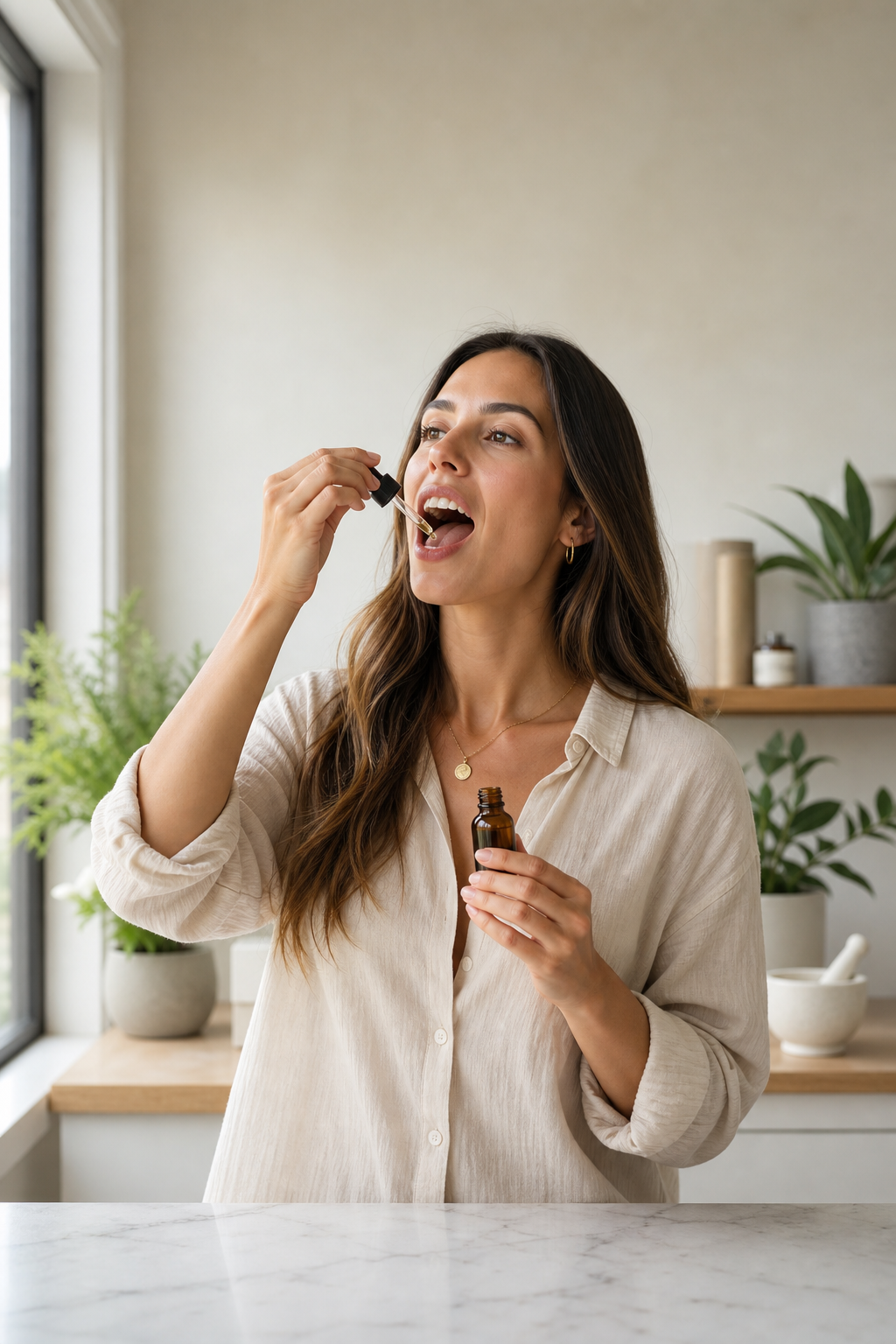
- Start low, go slow. Begin with 10-25mg CBD oil under the tongue, once daily. Bump up after a week if needed.
- Consistency matters. Use it daily for at least three weeks before judging.
- Track your symptoms. Keep a simple pain and stiffness journal—it’s amazing how foggy our memories get.
- Combine with proven basics. Gentle movement, heat packs (like the Pure Enrichment PureRelief XL Heating Pad), and basic strength exercises all amplify the benefits. Don’t let a supplement become your only strategy.
- Don’t expect miracles. For some, CBD is a game-changer. For others, it barely takes the edge off. It’s normal.

CBD Products: What to Look For
If you’re curious and want to try CBD for joint pain, here’s my short list for vetting a product:
- Third-party lab tested (COA readily available)
- Clear labeling of CBD content per serving
- Full-spectrum or broad-spectrum (not just “hemp oil”)
- Transparent sourcing and no wild claims (“cures arthritis” = red flag)
I won’t pretend there’s a single “best” brand—it depends on your budget, preferences, and what’s available in your state. That said, the Vimerson Health Glucosamine Chondroitin Turmeric MSM & Boswellia supplement isn’t CBD, but I like it as a companion pick—especially for those who want the “best of both worlds” (anti-inflammatory herbs + cartilage support). I’ve had several clients use it alongside CBD with decent results.
And for those who need extra comfort? Pairing CBD with moist heat is an old physical therapy trick. That’s where a heating pad like the Pure Enrichment PureRelief XL Heating Pad comes in handy—especially for morning stiffness.
What About Legality and Drug Tests?
CBD from hemp is legal at the federal level in the U.S., but—here’s the catch—if your CBD oil has more than 0.3% THC, you could flunk a drug test. If you’re a firefighter, nurse, or anyone who gets tested for work, stick to broad-spectrum or CBD isolate and check those COAs. I know it’s a hassle, but I’ve seen careers upended by careless CBD shopping.
Beyond CBD: The Power of Multimodal Relief
I’d be lying if I said CBD alone transforms most people’s joint pain. The real winners are those who combine several small, sustainable steps:
- Daily gentle movement (walking, yoga, water aerobics)
- Strength training for supporting muscles (even resistance bands do the trick)
- Heat and/or cold as needed
- Supplements that target both inflammation and cartilage integrity
A reader emailed me after six months of this “cocktail”—CBD oil at night, glucosamine in the morning, heat pack before bed, and three 20-minute walks a week. Her pain scores halved, and, more importantly, she felt in control again. That’s the real goal, isn’t it?
Takeaways: My Honest Thoughts on CBD Oil for Joint Pain
I know this is unpopular, but CBD isn’t a miracle cure. Most scientific reviews say “possibly helpful” for chronic joint pain, especially if you’re not getting relief from NSAIDs or want to avoid them. The key is realistic expectations and using CBD as one part of a broader toolkit.
If you’re tempted to try CBD oil for joint pain and inflammation, here’s what I’d suggest:
- Start with a reputable, lab-tested brand at a moderate dose.
- Give it a few weeks—patience is your friend here.
- Pair it with light exercise, healthy sleep, and, if possible, a supplement like Vimerson Health Glucosamine Chondroitin Turmeric MSM & Boswellia or a reliable heating pad.
- Talk to your doctor about any drug interactions or safety concerns, especially if you’re managing other conditions.
And if it doesn’t work for you? No shame in moving on. Not every supplement fits every body. But for many of my readers and clients, CBD oil has become a gentle nudge towards less pain and more movement—which, at the end of the day, is what we’re all after.
Have questions about CBD, joint health, or finding a trustworthy product? Send them my way—I read every note.
Stay well, keep moving, and always advocate for your best health.
James Chen, MS, CSCS
Exercise Scientist | Joint Health Columnist
JointReliefReviews.com