
CBD Oil for Joint Pain and Inflammation: Separating Wishful Thinking from Real Results
I’ll never forget the look on my neighbor Sally’s face when she hobbled over to ask, “Linda, do you think that stuff—CBD oil—could actually help my knees?” At that point, she’d tried everything: ice, heat, turmeric, even those thick neoprene braces. Nothing took the edge off her morning stiffness. And believe me, I understood her skepticism. When you’ve worked with hundreds of achy knees and swollen fingers (as I did over 20 years in orthopedic nursing), you learn to spot a fad a mile away.

Here’s the thing: Joint pain isn’t just sore knees or the occasional twinge. For millions, it’s the difference between a brisk walk and a day stuck on the couch. It seeps into everything—sleep, work, even your mood. And if you’re reading this, I’m betting you’re tired of band-aid solutions.
The Daily Grind of Joint Pain: Yes, It’s That Bad
Let’s get real for a second. The CDC estimates that over 54 million Americans live with arthritis—that’s one in four adults. I’ve seen patients skip social events, give up hobbies, and lose sleep, all because their joints refuse to cooperate. Most people don’t talk about the frustration of getting up at night and wincing with every step.
I’ve had readers email me about “invisible pain” that family just doesn’t get. And here’s where it gets personal: My husband started groaning about his thumbs—of all things—when he hit 60. Turns out, joint pain doesn’t care how tough you are. It just shows up, uninvited, and stays for good if you let it.
Painkillers help, but they come with baggage. NSAIDs (like ibuprofen) can be murder on your stomach and kidneys. Opioids—well, let’s just say I don't need to spell out those risks. And while topical creams like Voltaren Arthritis Pain Gel can work wonders for some, not everyone gets enough relief. So, the search for something safer is absolutely justified.
CBD Oil: Hype or Hope for Achy Joints?
CBD oil—the golden child of the supplement aisle. It’s everywhere. Droppers, capsules, gummies, even bath soaks. But does it actually do anything for joint pain and inflammation?
I’ll be honest: I was skeptical. I’ve seen “miracle cures” come and go (remember magnetic bracelets?). But the CBD craze felt different, if only because so many patients and fellow nurses started whispering about it. By 2019, even the Journal of Rheumatology was publishing editorials on CBD’s possible use for arthritis pain. That got my attention.
Let’s Decode the Science—Without the Jargon
Here’s what’s actually going on when you take CBD oil:
- CBD (cannabidiol) is a compound from the hemp plant. It’s not psychoactive—so, no, it won’t get you high.
- Your body has an endocannabinoid system (ECS)—think of it as a big network of cell receptors (CB1 and CB2) involved in pain, mood, and even immune response.
- CBD interacts with the ECS, especially the CB2 receptors found in immune cells and—surprise!—your joints. Researchers believe this interaction helps lower inflammation and pain signals.
- Unlike THC, CBD doesn’t directly bind to these receptors. Instead, it seems to gently “nudge” your body’s own systems to dial back pain and inflammation.
Sounds promising—but what about real evidence? Let’s break it down:
- Animal studies (2016, European Journal of Pain): CBD gel applied to arthritic rats reduced joint swelling and pain behaviors—by 50% in some cases. Yes, rats aren’t humans, but it’s a start.
- Human data is newer. In a 2020 survey published in Arthritis Care & Research, 29% of arthritis patients reported using CBD—and 83% said it improved their symptoms. Placebo effect? Maybe. But that’s a big number.
- The biggest human trials are still underway. But a 2018 pilot study in Clinical Therapeutics used 250mg daily CBD oil on knee OA patients and saw modest improvements in pain and sleep—without serious side effects.
Here’s my take: No, CBD oil isn’t a magic bullet. But it’s earning its spot in the conversation—especially for stubborn joint pain that shrugs off Tylenol and heat pads.
How People Actually Use CBD Oil for Joint Relief
There are so many ways CBD oil is being used for joint pain—and not all are created equal. I’ve heard from patients, family, and even a few scrappy runners at my local Y who swear by different approaches. So, what have we learned?
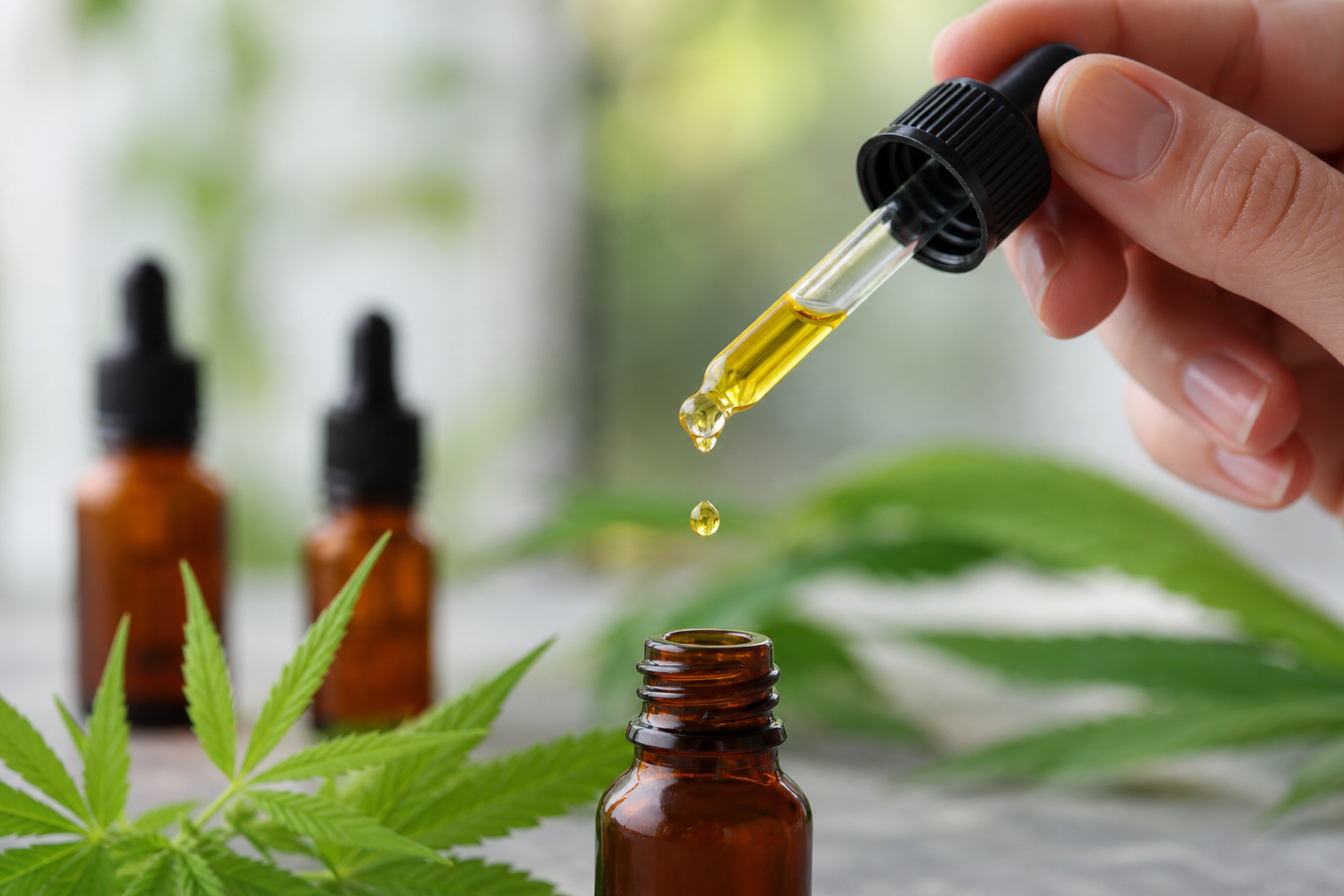
- Oral drops (tinctures) are the most popular. These are sublingual—meaning you drop the oil under your tongue, hold for 30-60 seconds, and swallow. Fast absorption, effects in 20-40 minutes.
- Capsules and gummies are great for people who can’t stand the taste—but they’re slower to kick in (think 1-2 hours).
- Topical CBD creams are getting a lot of buzz, especially for knees, hands, and backs. Rub it right where it hurts. Some people say the relief is quick, though studies are still thin here.
- Dosages range from 10mg to 100mg per day—I usually see folks start with 20-25mg/day and work up. Talk to your doctor before making any changes if you’re on other meds (especially blood thinners or anti-seizure drugs).
One of my favorite supplement blends that includes CBD (and a few trusty standbys like turmeric and MSM) is the Glucosamine Chondroitin Turmeric MSM & Boswellia. It doesn’t contain CBD itself, but a lot of patients (my mother-in-law included) like stacking it alongside their CBD drops for a more well-rounded routine.
But here’s a warning: The CBD supplement space is the Wild West. Some products have barely any CBD, while others are loaded with questionable additives. It’s worth paying extra for third-party tested brands—look for a Certificate of Analysis (COA) right on their website.
What to Expect: Real-World Results (and Disappointments)
I get this question from readers all the time: “How long before I feel anything?” It’s honestly all over the map. Some patients report less morning stiffness after three days. Others don’t notice a thing until week three. And some—well, they never really get what they hoped for.
Studies suggest you should give it a full 4-6 weeks before deciding if CBD oil is helping your joints. That means sticking to the same brand, roughly the same dose, and tracking your symptoms daily. The Arthritis Foundation actually recommends a simple pain diary for this—just jot down pain levels, sleep quality, and activity each day. I’ve seen more than one patient surprised by slow, steady progress that crept up on them.
Side effects? Generally mild. The most common: dry mouth, occasional sleepiness, and a rumbling stomach if you go overboard. My advice? Start low, go slow. And yes, check with your doctor if you’re on blood thinners, heart meds, or anything that affects your liver.
And a bit of controversy: Some doctors think CBD is mostly placebo. Honestly? Even if some relief comes from expectation, if you’re moving better and sleeping deeper, I’m not going to rain on your parade—just make sure it’s safe and not costing you a fortune.
DIY Relief: CBD and the Bigger Picture of Joint Health
Here’s where I get opinionated: CBD oil can be a game-changer when you use it as part of a bigger plan. On its own, it’s not going to rebuild cartilage or replace a total knee. But paired with smart daily habits? Now we’re talking.
- Compression: I’ve seen dozens of folks pair CBD oil with a solid knee sleeve, like the Modvel Compression Knee Brace. It’s not fancy, but gentle compression can boost circulation and cut down swelling. For under $15 a pair, it’s tough to beat.
- Movement: Gentle stretches, aquatic aerobics, even chair yoga. Motion is lotion for your joints—period. The book Treat Your Own Knees is a reader favorite if you need simple, research-backed moves.
- Heat/Cold: A moist heating pad like the Pure Enrichment PureRelief XL can melt away morning stiffness (my husband swears by his). CBD after heat? The combo often feels extra soothing.
- Supplements: Yes, the old standbys—glucosamine, chondroitin, turmeric, MSM, boswellia—still have their place. Many patients use a daily joint support blend alongside CBD oil for a one-two punch on pain and inflammation.
Bottom line: CBD oil is a tool in the toolbox. Paired with smart habits, you’ve got a fighting chance at reclaiming more good days.

Comparisons, Caveats, and What the Experts Say
This is where most articles gloss over the details. Here’s what I want you to know—straight talk from someone who’s coached more than a few knees back to life:
- CBD oil isn’t regulated like prescription meds. Quality can swing wildly. You want products with transparent sourcing, a current COA, and preferably a US-based operation.
- Topical or oral? For joint pain, many use both—topical for quick local relief, oral for deeper anti-inflammatory action. If forced to pick one, I’d lean oral for chronic/frequent symptoms and topical for quick episodic flares.
- Interactions are real. I’ve seen some patients with increased bleeding risk when combining high-dose CBD with blood thinners. Talk to your pharmacist or doctor. It’s not fear-mongering—just common sense.
- Dosing is still a moving target. Unlike meds, there’s no gold-standard dose. Most of my adult patients start at 20mg/day and titrate up slowly. Some find 40-50mg is their sweet spot, divided AM/PM.
There are voices on both sides. The Arthritis Foundation says CBD may help some people, but more research is needed—especially for long-term use. The FDA (as of 2024) hasn’t approved CBD for arthritis or chronic pain. No product, regardless of hype, should replace proven treatments prescribed by your doctor. But CBD is a low-risk experiment, as long as you’re not skipping your real meds.
Practical Takeaways (What I Tell My Own Friends and Family)
- If you’re tempted to try CBD oil for joint pain, pick a middle-of-the-road dose (15-25mg/day), stick with it for at least a month, and keep a daily journal.
- Layer with compression (Modvel sleeves are my go-to), gentle movement, and possibly a broad joint supplement blend for best results.
- Avoid anything that sounds too good to be true—especially miracle claims and sketchy online shops. Third-party testing is non-negotiable.
- Talk to your doctor if you’re on other meds or have chronic liver, kidney, or heart issues. Don’t skip this step.
- If you experience side effects (drowsiness, stomach upset), cut back or pause your CBD and see how you feel.
I know this is unpopular, but: Not everyone gets dramatic results. For some, CBD is a total game-changer. For others, it’s just another bottle on the shelf. The only way to know is to cautiously, thoughtfully try it—with eyes wide open and other healthy habits in place.
Looking Ahead: Smarter, Safer Relief
Look, I wish there was a one-size-fits-all fix for cranky joints. If there were, I’d be out of a job—and a lot of you would be out of pain. But the best we’ve got is a combo approach: smart lifestyle tweaks, science-backed supplements, open communication with your doctor, and yes, a willingness to experiment when the risks are low and the potential upside is worth it.
I’ll keep watching the research—and updating you as new data comes in. For now, CBD oil is an intriguing tool for joint pain and inflammation. It’s not snake oil, but it’s not pixie dust, either. Just make sure you’re buying quality, tracking your progress, and looping in your healthcare team.
Here’s to more good days ahead—and less wincing on the stairs.
Linda Hargrove, RN
Orthopedic Nurse & Health Writer
JointReliefReviews.com