
CBD Oil for Joint Pain and Inflammation: What Actually Works?
Picture this: My inbox floods nearly every week with messages like this one from Marcia, a reader in Arizona—"James, my knees ache every morning. My neighbor swears by CBD oil for her arthritis. Does it actually work, or is this just another wellness fad?"

Here's the thing: I get the hype, and I get the skepticism. As someone with a Master's in Exercise Science and a CSCS credential, I spend my days knee-deep in research (sometimes literally—I've coached clients through water therapy). I've seen trends come and go. But CBD oil? This one stuck around—and that tells me people are feeling something, even if the research is still catching up.
The Quiet Misery of Joint Pain
If you're reading this, chances are you know exactly what I'm talking about. The creaky knees on cold mornings. That hot, radiating ache at the base of your thumb when you try to open a jar (my mother-in-law still calls me for pickle emergencies). Or maybe it's the dull, stubborn pain that makes even simple walks feel like a marathon.
It's not just discomfort; it can rip away your independence, zap your motivation, and honestly? It can mess with your head. People talk about pain like it's a minor nuisance until you've lived with the kind that never really leaves. And for those of us over 50—statistically, nearly half will develop some form of osteoarthritis according to the Arthritis Foundation—managing inflammation and pain is part of daily life.
So, What Is CBD Oil—And Why All the Buzz?
CBD (cannabidiol) is a non-intoxicating compound found in Cannabis sativa—that's right, the same plant family as marijuana, but without the high. The legal stuff comes from industrial hemp and, since the 2018 Farm Bill, it's been popping up everywhere: in coffee shops, drug stores, even the gas station at the edge of town. But not all CBD is created equal (more on that soon).
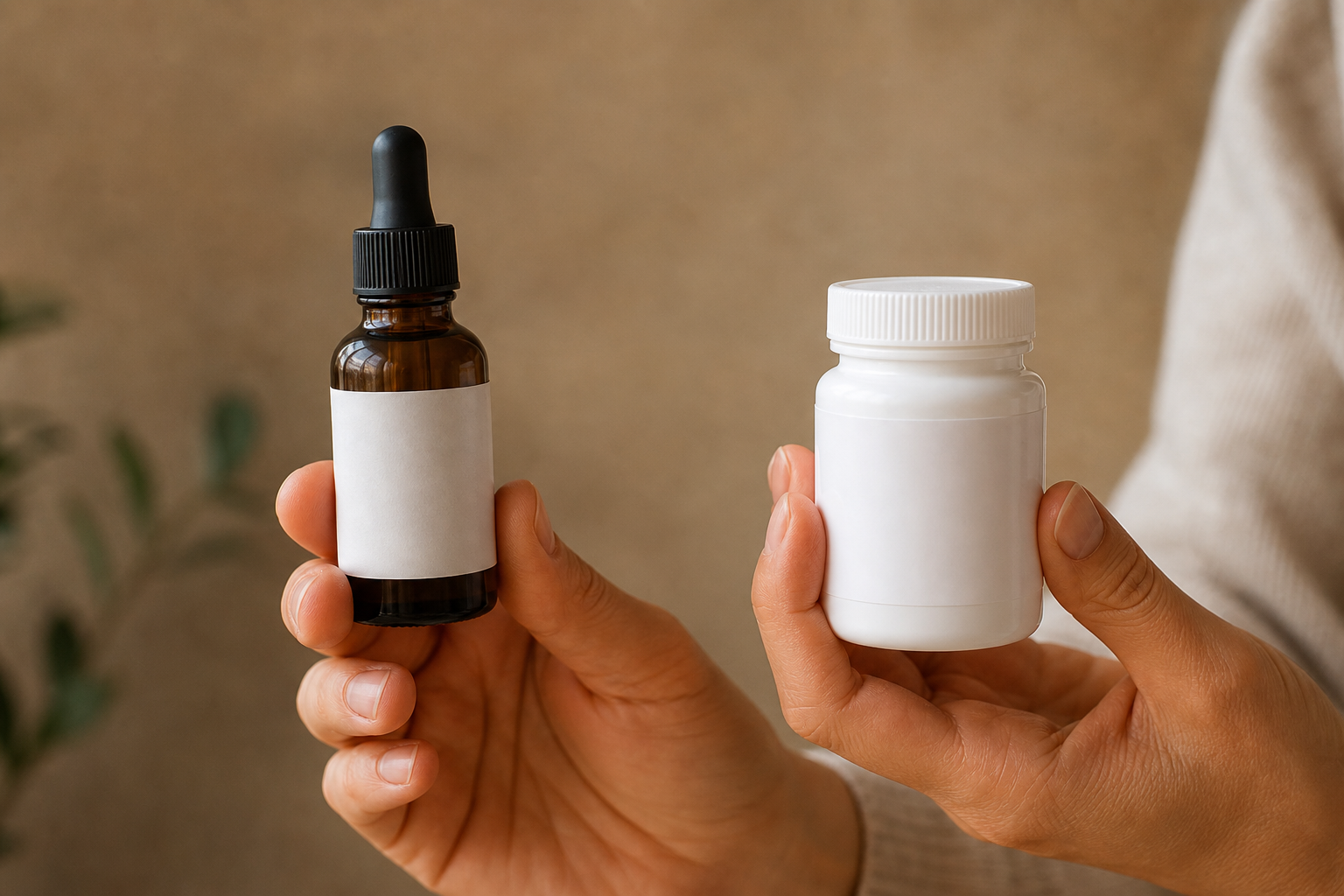
CBD oil is typically a blend of CBD extract in a carrier oil (like coconut or hempseed), designed for oral drops, capsules, even topical balms. The question is—can it honestly make a dent in joint pain or inflammation, or are we just wishful thinking?
The Science: Promising...But Not a Miracle
Look, I'm going to shoot straight with you. The evidence is a mixed bag. There are headlines hyping up miracle cures, but dig a little deeper and you'll notice most robust studies are still in their early stages. Still, some of the research is genuinely intriguing—enough that doctors and physical therapists (myself included) are watching closely.
- Animal studies: Much of the initial buzz came from animal studies. A 2017 paper in PAIN (yes, that's the actual journal name) found that topical CBD reduced joint swelling and improved limb posture in rats with osteoarthritis. But rats aren't people, so take it for what it's worth.
- Early human trials: A 2020 Arthritis & Rheumatology review found that CBD may help with pain and sleep in chronic conditions, but called for larger, high-quality human studies. The real kicker? Most trials so far use oral CBD—not always the creams or balms people reach for at home.
- Inflammation: Some lab studies (see Free Radical Biology & Medicine, 2016) suggest CBD has anti-inflammatory properties by dampening cytokines—those are the chemical messengers that ramp up inflammation in arthritis.
Bottom line: The science is promising, especially for chronic pain and inflammation. But it's not a panacea, and individual results vary. If you're hoping for a cure-all, well—I'd love to believe it too, but the honest answer is "maybe, sometimes, for some people." And that's more honest than most marketers will ever tell you.
How Do People Actually Use CBD Oil for Joint Pain?
Here's where it gets interesting. What you see on Instagram isn't always what works in real life. Some folks swear by drops under the tongue (sublingual), while others stick to capsules, gummies, or topical creams. Each method has its own pros and cons.
- Sublingual (drops under the tongue): Fast absorption (20-40 minutes), effects can last several hours. The downside? Some people can't stand the taste.
- Topical (creams, balms): Applied directly to sore joints; may work for localized pain. But there's debate over how deeply CBD can penetrate the skin—meaning, results vary wildly.
- Capsules and gummies: Easy, no mess, but slower to kick in (up to 2 hours), and effects may be milder.
Dose matters—a lot. Most research trials use high daily doses (often 300-600mg), but over-the-counter products usually have a fraction of that. My advice: start low (10-20mg daily), increase slowly, and watch for side effects. And for the love of your wallet, check your product's certificate of analysis to make sure you're getting real CBD and not hemp oil with a slick label.
What About Side Effects?
Look, CBD is generally considered safe, but it isn't a free-for-all. Side effects can include dry mouth, mild drowsiness, or digestive upset. Rarely, it can interact with blood thinners, certain antidepressants, or other medications. (Quick reality check: always talk to your doctor or pharmacist before trying any new supplement, especially if you're on prescription meds. I've seen a few clients run into trouble here.)
There's also the issue of regulation. The FDA doesn't police the supplement aisle the way they do prescription drugs. I've seen lab analyses where a supposed "500mg" CBD bottle contains as little as 50mg. So, if you're nodding along and thinking "that explains why my last bottle did nothing"—yep, quality matters.
How Does CBD Compare to Traditional Options?
This is where I ruffle some feathers. I know some folks think "natural" automatically means better. But for moderate-to-severe arthritis, classic treatments still reign supreme: NSAIDs (like ibuprofen or naproxen), physical therapy, weight management, and—when needed—joint injections. There's a mountain of data behind these.
But here's my honest take: CBD oil might help take the edge off for some people, especially for milder aches or as a part of a bigger routine. For example, one of my clients (let's call her Linda—late 60s, retired nurse, stubborn as a mule) uses oral CBD oil nightly to help with sleep and those low-level aches that flare when the weather turns. She still does her PT, stays active, and occasionally pops a Voltaren gel on her knees. But, she insists, the CBD helps her wind down.
So, Should YOU Try CBD Oil for Joint Pain?
If you've already tried standard pain relievers, exercise, weight loss, and still want to try something "natural," CBD oil might be worth a cautious experiment. Here are a few tips from my real-world playbook:
- Start low, go slow. Begin with 10-20mg oral CBD a day—watch for effects, and increase gradually if tolerated.
- Look for third-party testing. Only buy from companies that share independent lab results for potency and contaminants. (Reader tip: If you can't find a certificate of analysis, run the other way.)
- Don’t ditch proven treatments. Think of CBD as a possible supplement—not a replacement for exercise, physical therapy, or established meds. I know that's not what some wellness blogs want you to hear, but it's the responsible way to approach it.
- Topicals: mild relief. If you want to try a topical, use it alongside a proven anti-inflammatory like Voltaren Arthritis Pain Gel. In my experience, combining the two can offer better relief than CBD alone—and Voltaren's clinical research spans decades.
Also, be prepared for trial and error. Some people feel nothing, others notice a subtle improvement in sleep or pain. And that's the honest truth—your mileage may vary.
Other Evidence-Based Tools That Actually Help
Look, CBD oil can play a role, especially when you're trying to avoid more pills. But if you want real, sustainable relief, my advice is to build a comprehensive toolkit. Here’s what I push (gently, but persistently) with my own clients:
- Daily movement beats everything. Regular low-impact activity—walking, water aerobics, even chair yoga—can reduce stiffness and support long-term joint health. (Not glamorous, but it's what works.)
- Strengthen, strengthen, strengthen. The more muscle you have around a cranky joint, the less stress you put on cartilage. The book Treat Your Own Knees is a brutally simple (and cheap) way to learn research-backed home exercises.
- Topical relief for flares. I mentioned Voltaren above. It's FDA-approved, non-greasy, and has become a go-to for many of my older clients.
- Compression support. For those days when the knees refuse to cooperate, a quality knee sleeve like the Modvel Compression Knee Brace can offer gentle support and help control swelling—plus, it’s easy to slip on before heading out for a walk.
I know these aren’t as sexy as a miracle oil, but the data on lifestyle changes is bulletproof. And when you layer these with something like CBD oil? Now we’re talking about a game plan, not just a band-aid.
What to Watch Out For (Red Flags and Reality Checks)
Now, allow me a quick soapbox moment. The CBD industry is a bit of a Wild West. There are legitimate companies, and there are plenty of cowboys. Some warning signs:
- Claims of "cure-all" benefits. If it sounds too good to be true, it is.
- No clear dosing instructions (or vague, generic ones).
- No third-party lab results or certificates of analysis. This is non-negotiable. If they're hiding their numbers, that's a red flag.
- Products sold at gas stations or in flashy packaging, but with no real substance behind them—skip these.
And if you have liver issues, take blood thinners, or are immunocompromised? Talk to your doctor before adding CBD to the mix. It’s about taking smart risks—not unnecessary ones.

The Honest Takeaways
So, is CBD oil for joint pain and inflammation worth a try? Maybe. If you’re curious, it’s generally safe for most adults, especially when sourced from reputable companies. But it’s no miracle—and it works best when it’s part of a bigger strategy, not the whole show.
If you’re thinking about experimenting, keep these in mind:
- Start with low oral doses. Be patient—it may take a week or more to notice any effect.
- Use topicals for mild, localized flares, but don’t expect miracles for deep arthritis pain.
- Combine CBD with proven lifestyle changes—daily movement, strength, and nutrition.
- Quality matters. Demand lab-verified products, or you could be wasting your money.
I’ll leave you with this: Real progress in joint health comes from stacking small wins. If CBD helps you move a little easier, sleep a bit better, or stick to your PT routine, it’s worth considering. But don’t let the hype distract you from the basics—because those are the steps most likely to keep you active and independent, year after year.
Wishing you strong joints and good days ahead—James Chen, MS, CSCS
About the Author
James Chen, MS, CSCS is a certified strength coach and holds a Master’s in Exercise Science. He’s spent 15+ years helping adults over 50 move better and live with less pain. He writes for JointReliefReviews.com about evidence-based approaches to joint health and mobility—always with a side of real-world practicality.