
CBD Oil for Joint Pain and Inflammation: What Science (and Real People) Are Saying
Several years ago, one of my longtime readers—let’s call her Sandy—emailed me in the middle of the night. She’d just spent hours Googling, desperate for something, anything, that would help her stubborn knee pain. She wasn’t sleeping. She’d tried everything. But she kept seeing stories about people finding relief with CBD oil for joint pain and inflammation. Was it legit? Was it safe? Or was it just another empty promise?

The Struggle Only Gets Realer Over Time
If you’re nodding along, trust me, you’re not alone. Joint pain is a thief—it steals sleep, steals energy, sometimes even steals your independence. I remember watching my own mother-in-law wince with every trip up the stairs. And as a health journalist who’s interviewed hundreds of patients, I know the cycle: you wake up stiff, find it hard to get moving, and by evening you’re aching so badly you avoid things you love. The worst part? The advice often feels…tired. "Try ice." "Take another Tylenol." "Just rest." But if that really worked for everyone, well, I’d be out of a job.
The truth is, more folks are turning to non-traditional remedies. CBD oil, in particular, is everywhere—Instagram, pharmacies, even gas stations. But social media success stories aren’t the same as real science. So, what do we really know about using CBD for joint pain and inflammation?
CBD 101: What Exactly Is It?
Let’s clear the air. CBD (short for cannabidiol) is a natural compound derived from the cannabis plant—but not the part that gets you high (that’s THC). CBD is found mainly in hemp, and by federal law, CBD oil in the U.S. must contain less than 0.3% THC. In other words, it won’t mess with your mind.
Here’s where things get interesting: Your body actually has something called the endocannabinoid system. It's a network of receptors that helps regulate pain, mood, immune response, and inflammation. The theory is that CBD interacts with this system, essentially helping it do a better job of calming things down—including, possibly, angry, inflamed joints. But let me be clear: the science is promising, but we’re not all the way there yet.
What the Research Really Says (and Doesn’t)
Okay, time for some real talk. If you Google “CBD for arthritis pain,” you’ll find thousands of headlines and anecdotes. But what do the actual studies say?
- Animal Studies Set the Stage: Back in 2016, researchers at the University of Kentucky published a study in the European Journal of Pain using rats with arthritis. When topical CBD gel was applied to inflamed joints, swelling went down and pain markers improved—without any major side effects. However (and it’s a big however), rats aren’t people. Human studies are much harder to come by.
- Small but Promising Human Trials: A 2020 randomized controlled trial in the Journal of Arthritis looked at CBD oil for osteoarthritis of the knee. Over 8 weeks, participants using CBD oil reported modest improvements in pain and function compared to placebo. Not a miracle cure, but a real difference for some.
- Other Data: There’s also a 2018 review in Frontiers in Pharmacology that’s often cited. It concluded that while animal data is robust, quality human research is still limited—but supports further investigation.
Here's the thing: the FDA hasn’t officially approved CBD for arthritis pain (they have for rare seizure disorders). That means you can buy it over the counter, but there’s no guarantee of consistency or potency unless you’re careful about brands. More on that in a bit.
Mechanisms: Why Might CBD Help Joint Pain?
Let’s nerd out for a second. Joint pain and chronic inflammation are complex—immune cells, nerve signals, chemicals like TNF-alpha and interleukin-6 all get involved. CBD seems to act on several of these pathways:
- Anti-inflammatory action: CBD may reduce the production of pro-inflammatory signals. (In plain English: it can help quiet down overactive immune cells in sore joints.)
- Pain modulation: Some data (see Arthritis & Rheumatology, 2019) suggests CBD alters how pain signals are transmitted, making those little “ouch!” messages to your brain less insistent.
- Protecting nerves: The same study hints at a neuroprotective role, which could be big for folks with nerve-related joint pain.
But—and this is important—everyone responds differently. Some folks feel a difference after a few days. Others, nothing. I wish the science was more black-and-white, but we’re just not there yet.
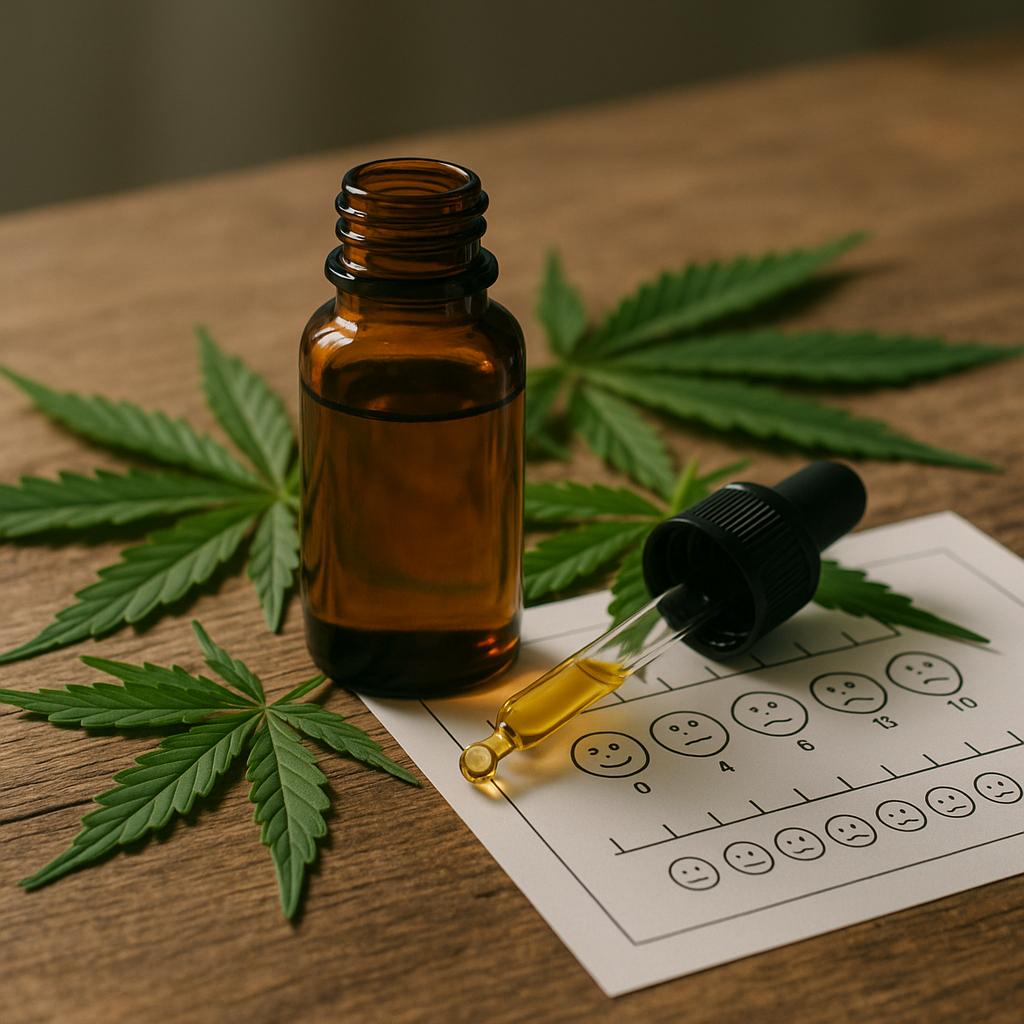
Real-World Results: What Patients (and Skeptics) Tell Me
I’ll be honest: I was skeptical at first too. But over the past three years, readers have flooded my inbox with their stories about trying CBD for joint pain. Here’s what I hear most:
- Knee osteoarthritis: Several folks in their 50s and 60s have told me they use topical CBD oil or creams before walks or gardening. They’re not pain-free, but they move easier and don’t rely on as much ibuprofen.
- Rheumatoid arthritis: Some people with autoimmune joint pain report less morning stiffness (though I always remind readers: talk to your rheumatologist before adding anything new).
- No magic bullet: There are, honestly, just as many people who didn’t notice much improvement—or who felt it helped with sleep and stress more than with actual joint pain.
For the record, I’ve personally tested a half-dozen CBD oils and creams (perk of the job, I guess!). The strongest effect I noticed? Less restless leg at night, and slightly easier mornings after heavy typing days. Was it life-changing? Not quite. But for mild to moderate pain, it’s one of the more promising things I’ve tried in the “natural” space.
How to Use CBD Oil for Joint Pain and Inflammation
Here’s where the rubber meets the road. If you’re thinking of giving CBD oil a go, it’s not one-size-fits-all. A few things I’ve learned, sometimes the hard way:
1. Choose Your Format: Topical vs. Oral
- Topical CBD: Creams, balms, or roll-ons get applied right to sore joints. Good if you want to target knees, hands, elbows. Absorbs quickly, not systemic, so less likely to interact with medications.
- Oral CBD Oil: Drops or tinctures you place under the tongue. These circulate through your bloodstream, so you might feel effects throughout the body—but it can also take more time (and trial and error) to dial in the right dose.
2. Read the Label Closely
Look, the CBD world is still a bit of the Wild West. Go for products with third-party lab testing (called a COA or Certificate of Analysis). Avoid anything that makes wild promises like “cures arthritis overnight”—if it sounds too good to be true, it probably is.
3. Start Low, Go Slow
The Arthritis Foundation surveyed 2,600 arthritis patients in 2019. Of those trying CBD, most landed between 20-35 mg per day (oil or capsules), but some people feel effects at much lower doses. For topicals, a small dab (pea-sized) is usually enough per joint. Give it at least 1-2 weeks before deciding if it works for you.
4. Check Your Medications
Here’s a quick health disclaimer: CBD can interact with certain medicines—especially blood thinners, seizure meds, or immunosuppressants. Always check with your doctor or pharmacist before adding it to your routine.
Side Effects and Safety: What To Watch For
Most people tolerate CBD well. The most common side effects? Mild drowsiness, dry mouth, and sometimes stomach upset if you take high doses. Topical CBD rarely causes skin irritation, but do a patch test first. One thing to watch: quality matters. The Journal of the American Medical Association reported that up to 70% of CBD products sold online were mislabeled in terms of potency or purity. So, again, stick with brands that test and publish their results.
Will It Make You High? (And Legal Stuff)
Let’s bust the biggest myth: high-quality CBD oil will NOT get you high. Federal law requires CBD oil contain less than 0.3% THC. Still, if your job drug tests, make sure you choose a broad-spectrum or CBD isolate product (no THC). As of early 2024, CBD oil is legal in all 50 states—though local laws can vary, so double-check if you travel.
How CBD Fits Into a Smart Joint Pain Routine
I’ve never met a joint pain patient who found true relief from one thing alone—not heat, not supplements, not even prescription meds. Think of CBD oil as one tool in the box, not the whole toolbox. Here’s how some of my readers combine it effectively:
- Using a topical CBD balm in the morning, THEN donning a Modvel Compression Knee Brace for support during walks (especially for stubborn knees)
- Pairing nightly CBD oil tincture with a PureRelief XL Heating Pad for deep muscle relaxation—helps with sleep and next-morning stiffness
- Layering a CBD joint cream with over-the-counter options like Voltaren Arthritis Pain Gel (if your doctor is on board) for flare days
And—this is key—sticking with your daily walks, gentle stretches, and (yes) anti-inflammatory foods. No oil is a substitute for movement.
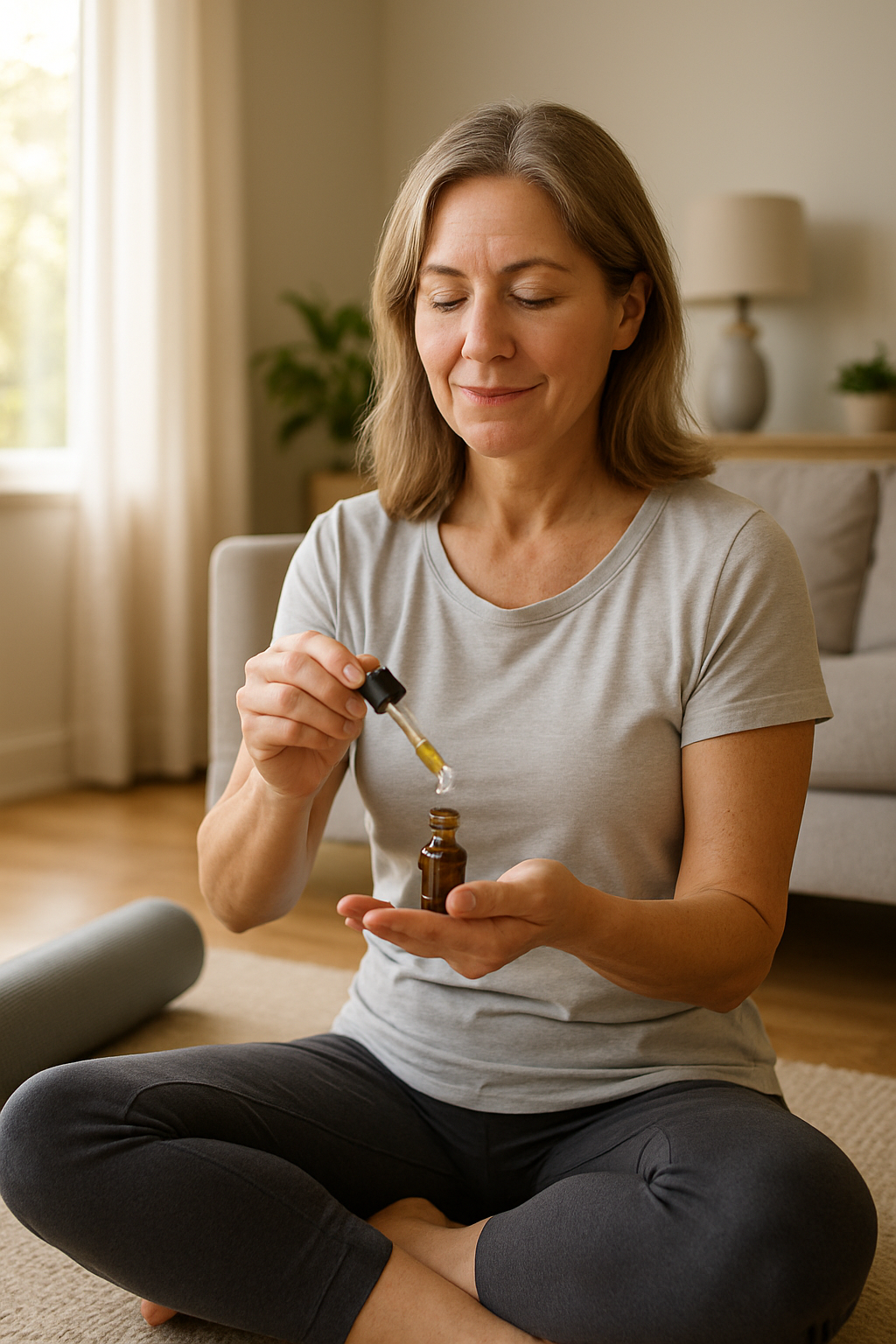
Is CBD Oil Right for You? My Honest Take
Will CBD oil for joint pain and inflammation be a miracle for everyone? No. But in my years covering this field, I’ve rarely seen a "natural" remedy with this much real-world buzz and at least some early science to back it up. It’s not a replacement for proven treatments, and it won’t regrow worn-out cartilage. But if you’re looking for a gentle nudge toward less pain, better sleep, and maybe a more active day—CBD oil is worth a cautious try.
The best advice I can give? Track your symptoms (pain, stiffness, how far you walk) before and after. Give it a fair shot—at least a couple of weeks. And talk to your doctor, especially if you have underlying health issues or take regular medications.
Final Takeaways—and What I Tell Friends
- CBD oil isn’t a cure, but it’s a reasonable tool—especially if you buy from a reputable source and use it alongside exercise and smart joint protection.
- Start slow, track your progress, and stay skeptical of miracle claims. There’s real promise here, but also a lot of hype.
- Layer your strategies: Even if CBD takes the edge off, don’t ditch your stretches, walks, or support routines. Change is rarely instant.
One last thing I always tell readers: if you find a combo that works—even if it’s a little unconventional—embrace it. Pain relief is personal. And sometimes, it’s the small, steady improvements that really add up.
Wishing you calmer, happier joints—and a little more hope with each step.
Karen Whitfield
Health Journalist, JointReliefReviews.com