
CBD Oil for Joint Pain and Inflammation: What Actually Works? (And What Doesn’t)
I’ll never forget the first time a patient asked me, “Sarah, does CBD oil actually help with joint pain?” She looked at me, half hopeful, half skeptical. And honestly? I didn’t have a clear answer for her back then.
But fast-forward five years — and countless conversations, clinical studies, and patient experiences later — and I’ve got a lot more to say on the subject. CBD oil for joint pain and inflammation has exploded in popularity. You see it on pharmacy shelves, at your local health food store, and all over the internet. But separating the hype from the real evidence? That’s where things get tricky.

Living with Daily Joint Pain: Where CBD Fits In
Here’s the thing: If you’re reading this, I suspect you’re not just “curious” about CBD oil. Maybe you’re tired of waking up stiff every morning. Maybe you’ve tried NSAIDs, topical creams, hot packs — and you’re still struggling to climb stairs or even hold a mug comfortably. Or you’re simply desperate for something that doesn’t knock out your stomach or make you foggy-headed halfway through the day.
That’s the reality for millions of people living with osteoarthritis, rheumatoid arthritis, or just plain old wear-and-tear joint pain. (One 2021 CDC report put the number at 58.5 million Americans with diagnosed arthritis.) It’s not just physical, either. When your knees or hands ache, it messes with your mood, your sleep, even your relationships. I see it in my clinic almost every day.
And when traditional painkillers come with a laundry list of warnings… well, it’s no wonder folks are looking for alternatives like CBD oil. But does it really work for joint pain and inflammation — or is it just another wellness bandwagon?
How Does CBD Oil Work (Supposedly)?
Let’s get a little nerdy for a second. CBD — short for cannabidiol — is a natural compound from the hemp plant. Unlike THC, it won’t get you high. What fascinates researchers is how CBD interacts with our body’s endocannabinoid system (ECS). In plain English: the ECS helps regulate pain, inflammation, immune function, and even mood. Think of it as your body’s own “balancer.”
CBD appears to indirectly influence ECS receptors — like CB1 and CB2 — which are found throughout your brain, nerves, joints, and immune cells. (If you’re picturing a bunch of tiny locks and keys floating in your tissues, you’re not far off.) By doing this, CBD may dial down pain signals and tamp down inflammation. At least, that’s the theory.
But human biology is complicated. And while some animal studies are pretty dramatic — one 2017 European Journal of Pain study showed topical CBD reducing joint swelling in rats — translating that to real-life relief for humans with knee or hand arthritis is another story entirely.
What the Real Research Says (Not Just Testimonials)
This is where I have to be brutally honest. Most CBD oil marketing leans on glowing personal stories. And yes, I’ve met patients who swear their morning knee pain vanished after a few weeks of CBD drops. But when you dig into the published research, the water is muddier than most blogs admit.
- 2019 Arthritis Foundation Survey: 29% of people with arthritis said they currently used CBD, and most reported “noticeable improvement,” but almost all also said they still used other treatments (like NSAIDs or exercise) alongside it.
- 2020 review in Current Opinion in Rheumatology: Researchers concluded that “large, high-quality clinical trials” are still missing — but emerging evidence is “promising for pain and sleep improvement.” Translation: not a slam dunk, but not snake oil either.
- 2022 Journal of Cannabis Research study: Looked at CBD for knee osteoarthritis. Results? Some statistically significant benefit for pain scores, but only in a subgroup using higher doses (it was 25mg twice daily), and side effects like drowsiness and dry mouth were common.
Here’s the real kicker: most CBD studies are small, short-term, and sometimes sponsored by companies selling CBD. That doesn’t mean the results are fake — but it means we shouldn’t treat CBD like a miracle just yet. If you’re nodding along, you’re not alone.
And if you’re on prescription meds or have a liver condition, talk to your doctor before adding CBD. It can mess with how certain drugs are metabolized. (I’ve seen patients have interactions with blood thinners and anti-seizure meds — it’s rare, but it happens.)
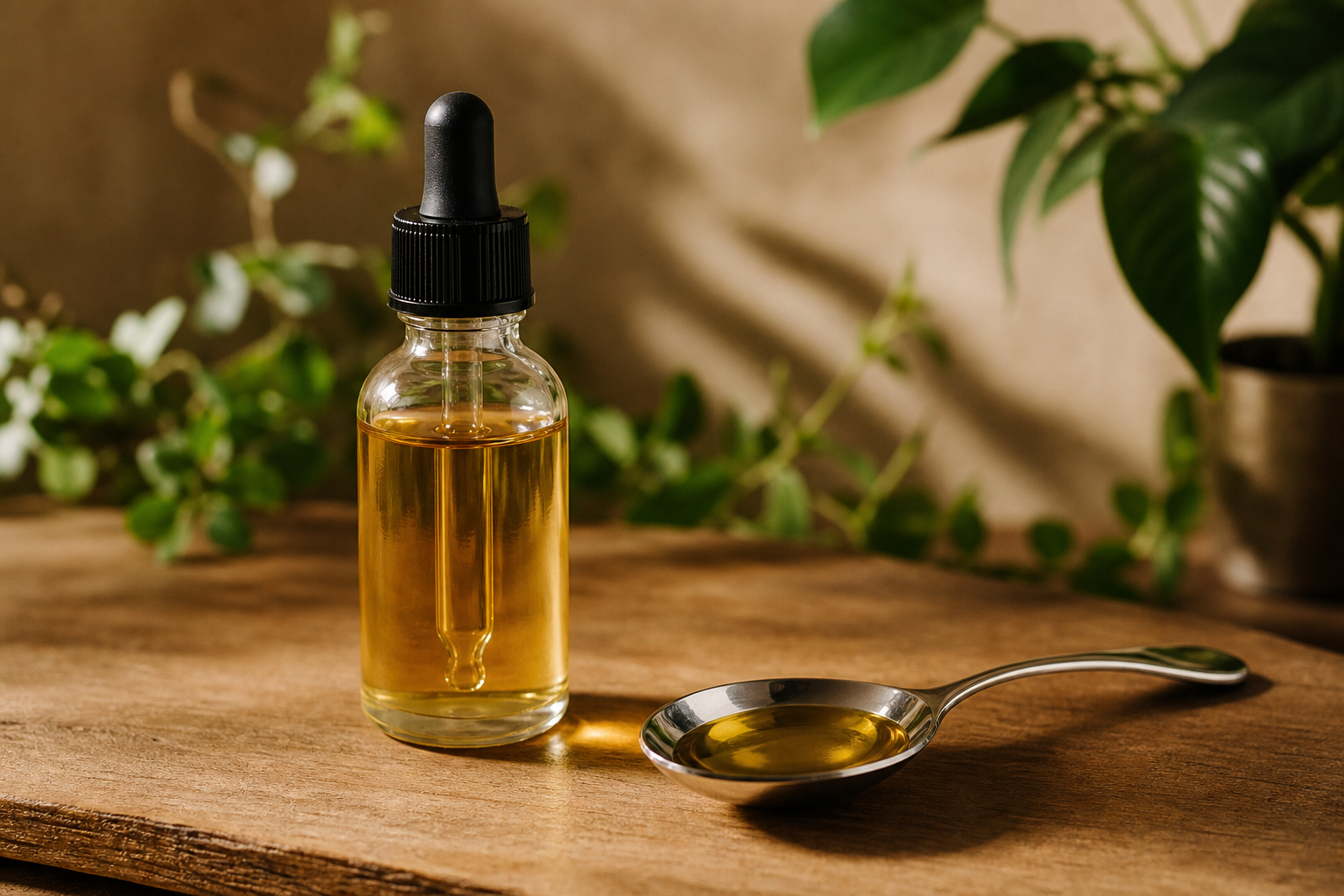
The Science Behind CBD: Mechanisms, Dosages, and Limitations
A Quick Primer on Inflammation
Joint pain is usually a two-headed beast: inflammation plus mechanical breakdown. Whether it’s RA (autoimmune inflammation), OA (cartilage wear), or overuse, inflammation is the body’s way of sounding the alarm. The trouble is, sometimes the alarm won’t quit — even long after the original injury.
CBD’s anti-inflammatory effects are thought to come mostly from blocking inflammatory messengers like TNF-alpha and interleukin-6. (These are the same troublemakers targeted by many prescription arthritis drugs, though in a much more targeted way.) In theory, this could ease swelling and tenderness in joints. Some test-tube studies even show CBD slowing cartilage breakdown — but again, these are petri dishes, not people.
How Much CBD Actually Helps? (And How to Take It)
Here’s where things get messy. There’s no FDA-approved dosing for CBD oil in joint pain — it’s not like taking 500mg of Tylenol. Most clinical trials look at doses between 20-50mg per day, sometimes much higher. Topicals (creams, balms) typically list “hemp extract” in milligrams per container — but the amount absorbed through the skin is anyone’s guess.
From what I’ve seen in my clinic and read in the literature, most people start at around 10-20mg once or twice daily, taken under the tongue (sublingual oil) or as a capsule. If there’s no noticeable effect after two weeks, some increase by 5-10mg increments — slowly. The Arthritis Foundation recommends not exceeding 35-50mg per day without a doctor’s okay. And yes, higher isn’t always better: some people get relief at lower doses, while others feel nothing until they go higher, and some just don’t respond at all.
One thing that drives me nuts? The lack of transparency. Some CBD brands use vague “proprietary blends,” and labels don’t always match what’s in the bottle. Always look for lab-tested, third-party verified products if you’re going to try CBD oil. (I remember a patient who spent a small fortune on ‘organic, artisan’ CBD drops and, after a month, realized she’d gotten less than 5mg per dose. No wonder it didn’t help!)
Side Effects and Safety: What You Might Not Hear Elsewhere
Most people tolerate CBD oil pretty well. The most common side effects? Mild drowsiness, dry mouth, and occasional nausea or diarrhea. I’ve had a few patients complain about vivid dreams — nothing dangerous, but something to watch for. But — and this is a big but — studies have shown that some CBD oils are contaminated with THC (the psychoactive compound), pesticides, or even heavy metals, especially in poorly regulated products. So don’t buy “bargain” CBD from a gas station shelf.
Also, if you’re already taking other pain meds, always ask your pharmacist or doctor about interactions. CBD can affect liver enzymes that process many drugs, including blood thinners and epilepsy meds. I won’t sugarcoat it — just because something is “natural” doesn’t mean it’s automatically safe for everyone.
CBD Oil for Joint Pain: Where Does It Actually Help?
So, what’s the bottom line? Here’s my honest, no-nonsense answer — knowing there’s no magic bullet for joint pain (if there were, I’d be out of business!). Yes, some people with arthritis or inflammatory pain do seem to benefit from CBD oil. Especially for:
- Trouble sleeping due to pain. Several studies show modest improvements in sleep with CBD, which can indirectly make pain feel more manageable.
- Morning stiffness. I’ve seen patients report easier movement after a nighttime dose or with topical applications before bed.
- Anxiety about pain. CBD may help take the edge off pain-related stress, though the best evidence is for generalized anxiety rather than pain itself.
But here’s where it gets interesting — it rarely works as a stand-alone solution. Almost every positive study (and almost every happy patient I’ve talked to) uses CBD alongside proven basics: gentle movement, strength training, anti-inflammatory diets, or even other topical treatments.

What Else Actually Moves the Needle? (And How CBD Fits In)
Most articles stop at “Maybe CBD helps, maybe it doesn’t.” But I wouldn’t be doing my job if I didn’t share what consistently helps people get real, long-term relief — with or without CBD oil.
- Strength-building exercises. (Seriously, these are the biggest game-changer for knee, hip, and hand arthritis.) My favorite resource for home routines? Treat Your Own Knees by Jim Johnson. It’s simple, gentle, and research-backed, and I’ve loaned out my copy more times than I can count. (That’s one affiliate link, by the way — I only recommend what I use myself.)
- Topical pain relief. For hands, elbows, and knees, I’m a fan of Voltaren Arthritis Pain Gel, which actually contains real medicine (diclofenac sodium, FDA-approved) and shows consistent results in multiple large studies. Honestly? In head-to-head trials, Voltaren cream usually beats CBD topicals for arthritis pain. But it’s not “natural,” so it comes down to what fits your values and needs.
- Moist heat therapy. Don’t underestimate the power of a well-timed heat pad for stiff joints. Something like the PureRelief XL Heating Pad can make a world of difference when you’re battling morning stiffness or post-exercise soreness.
- Anti-inflammatory lifestyle choices. This means sleep, weight management, stress reduction, and yes — sometimes a little help from CBD or other supplements if the rest of your toolkit isn’t enough. (But talk to your doctor before combining them with prescription meds.)
CBD Oil: How to Choose a Safe, Effective Product
Okay, so you’ve decided to give CBD oil a shot. Here’s what I tell my friends and family (and what I wish my mother-in-law had known before she wasted $100 on mystery drops):
- Third-party lab testing is a must. Look for a QR code or batch number you can trace to a real lab report. If the company won’t share test results? Move on.
- Start low, go slow. Begin with 10-20mg daily and give it at least two weeks before adjusting the dose. Track your symptoms in a journal — I like using pain and function scores from 0-10 so you can spot patterns.
- Choose the right format. Sublingual oils or capsules are best for whole-body effects, while topicals may help with targeted joint pain (though, to be honest, the research on topicals is even thinner).
- Avoid products with wild claims. If a brand says it “cures” arthritis, it’s not trustworthy. The FDA has cracked down on this.
One last thing — if you have a sensitive stomach, stick with oils or capsules that list only CBD, carrier oil (like MCT or hemp seed), and maybe a mild flavoring. Some fancy blends add unnecessary herbs or essential oils that can actually irritate the gut or skin.
What I Tell My Patients (and My Own Family) About CBD Oil for Joint Pain
Here’s my bottom line: CBD oil is not a magic bullet. There’s enough early evidence — and enough positive stories from real people — that I think it’s worth considering if you’ve tried the basics and still feel stuck. But I always urge folks to see it as one tool in a much bigger toolbox. Strength training, movement, and targeted topical relief consistently outperform CBD alone. And always — always — clear any new supplement with your healthcare provider, especially if you’re on other meds.
If you’re frustrated and curious, it’s okay to experiment (safely, with reputable brands and realistic expectations). Keep your doctor in the loop, track how you feel, and, most importantly, don’t give up on what actually moves the needle: movement, connection, and self-compassion. CBD is a part of the story — not the whole solution.
If you’ve tried CBD for your joint pain, shoot me a message. I read every email, and honest feedback from real people is always better than another pie chart or mouse study.
Wishing you more good days ahead — and as little pain as possible, however you get there.
— Dr. Sarah Mitchell, DPT
Senior Health Editor, JointReliefReviews