
CBD Oil for Joint Pain and Inflammation: What Actually Works?
I’ll never forget the first time a patient asked me, point-blank, “Linda, should I try CBD oil for my knees?” That was back in 2017, before CBD was everywhere — in balms, gummies, even the local gas station, for heaven’s sake. And if you’re reading this, maybe you’ve wondered the same thing: can CBD oil really help with joint pain and inflammation, or is it just another health fad?

Look, If Joint Pain Is Ruining Your Days…
Let me say this: I know the daily grind of joint pain. I spent twenty years as an ortho nurse, and I’ve seen knees, hips, knuckles, and backs that creak like a haunted house in October. The worst part? It’s not just pain — it’s the unpredictable stiffness, the swelling after a short walk, the way you hesitate before getting out of bed because you know the ache is waiting.
And here’s the thing: Most people aren’t looking for a miracle. They just want to be able to kneel in the garden, walk the dog, or get through the grocery store without wincing. You’re not alone, and you’re not imagining things. According to the CDC, over 54 million Americans deal with some form of arthritis — and that’s just the folks with a formal diagnosis.
Why So Many People Are Talking About CBD
Cannabidiol, or CBD, is one of the main active compounds in the cannabis plant, but unlike THC, it won’t get you high. What caught my attention (and a lot of doctors’ too) is the early research showing CBD might have powerful anti-inflammatory and pain-relieving properties without the side effects we see with NSAIDs or prescription painkillers.
Here’s where it gets interesting: In 2020, a Journal of Pain review looked at animal studies and a handful of small human trials. The authors found that CBD can calm the immune system, reduce swelling, and may block pain signals in certain pathways — at least in rats and mice. In people, the data is still new, but there’s enough to make any chronic pain sufferer’s ears perk up.
But — and this is a big but — not all CBD products are created equal. And honestly, most over-the-counter options are wildly under-dosed or poorly made. I’ll get into that in a minute.
How Does CBD Actually Work for Joints?
If you’re nodding along, you probably want to know: what’s really going on when you take CBD oil? I’ll keep it simple. CBD interacts with something called the endocannabinoid system (ECS) — a network in your body that helps regulate pain, inflammation, and immune response.
- Pain Reduction: CBD appears to block certain pain receptors (TRPV1 channels, for my fellow science nerds) and can blunt the pain sensation.
- Anti-Inflammatory Action: Several studies (BMJ Open, 2019) show CBD can reduce cytokine production, which means less swelling in the joints.
- Immune Modulation: This is a fancy way of saying CBD may help calm down an overactive immune system, which is at the root of many inflammatory joint conditions.
Most folks report a gentle easing of pain, not a knockout punch. I’ve had patients describe it as, “My pain is still there, but it doesn’t bother me as much.”
What Does The Research Really Say?
Here’s a little honesty you won’t find on most CBD websites: The evidence for CBD oil and joint pain is promising, but still early-stage. That doesn’t mean it’s snake oil — just that we need bigger, longer studies in actual humans.
Let me break down the highlights:
- 2018 (European Journal of Pain): Topical CBD gel reduced arthritis pain and swelling in rats.
- 2021 (Arthritis Care & Research): Surveyed 428 people with arthritis who tried CBD; 83% reported improvement in pain, 66% for physical function, and over half cut back on other pain meds.
- 2022 (BMJ Open): Small trial in knee osteoarthritis — oral CBD showed a trend towards less pain, but not statistically significant. (That’s frustrating, I know.)
So, if CBD works for you, you’re not alone — but you’re also not guaranteed results. And (here’s my controversial opinion) — we don’t have great data on exact dosages or long-term safety, especially if you’re taking other meds. Always talk to your doctor before adding CBD, especially if you’re on blood thinners or have liver issues.
What Kind of Joint Pain Responds Best?
From what I’ve seen (and heard from dozens of real-world folks), CBD oil seems to work best for people with:
- Osteoarthritis (wear-and-tear arthritis)
- Rheumatoid arthritis (but definitely check with your rheumatologist first)
- Chronic back pain
- Old sports injuries that still flare up
It’s less reliable for acute injuries or very severe, advanced arthritis. And for some, it’s more effective as a complement to physical therapy, exercise, and — yes — old-fashioned heat or ice packs. In fact, I often recommend pairing a quality CBD oil with something like the Pure Enrichment PureRelief XL Heating Pad. The combination of gentle heat and anti-inflammatory action is a game-changer for many sore knees and backs.
What to Look for in a CBD Oil
Here’s what I tell friends and readers:
- Full spectrum vs isolate: Full-spectrum CBD contains trace cannabinoids and terpenes that may boost effectiveness. Broad-spectrum is similar, minus the THC. Isolate is pure CBD — usually less potent for pain relief, in my experience.
- Lab testing: Make sure your product is third-party tested for potency and purity. If they don’t post lab results, skip it.
- Dosage: Most studies use 20-50mg per dose. Start with 10-20mg, increase slowly. For severe pain, some go up to 50-100mg daily, but you need to work up to that — and, again, check with your doctor!
- Carrier oil: MCT or hemp seed oil are both fine, but MCT seems to absorb a bit better under the tongue.
And ignore wild promises. No legit CBD oil will promise to "cure" arthritis overnight. If a website claims that, it’s a big red flag.
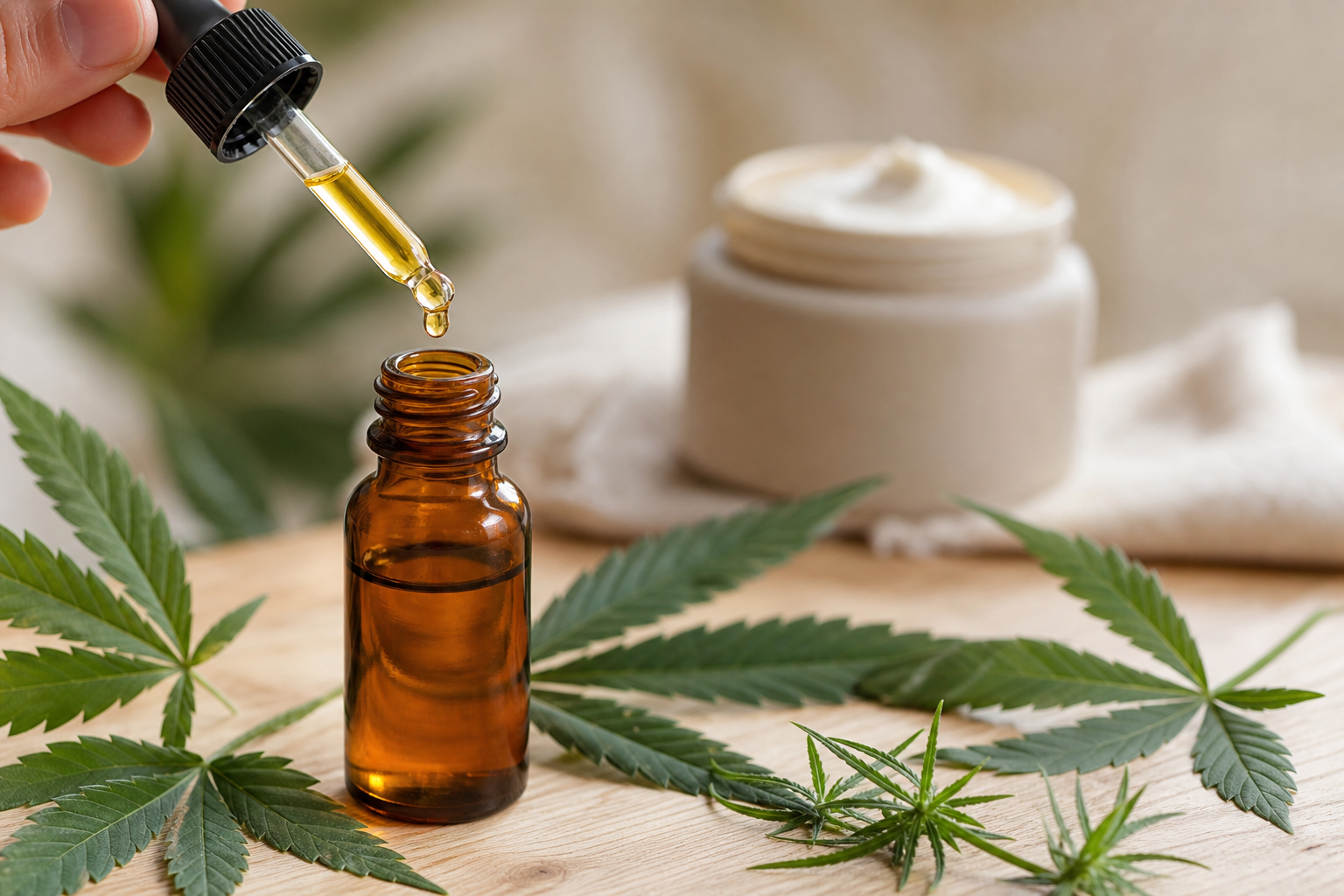
How to Actually Use CBD Oil for Joint Pain (and Not Waste Money)
CBD comes in oils, capsules, edibles, and topicals — but for joint pain, most people either use oral drops or a topical cream right on the sore spot. Here’s what I’ve seen work best:
1. Sublingual Oil
Put the drops under your tongue, hold for 30-60 seconds, then swallow. This bypasses the gut (which destroys some CBD) and gives better absorption. Effects build over 1-2 weeks — it’s not instant, but you should notice subtle relief if it’s going to work for you.
2. Topical Cream/Balm
Apply directly to painful joints. A 2020 study in the Journal of Cannabis Research found topical CBD may be especially useful for knees, hands, and elbows — anywhere the skin is thin over the joint. My mother-in-law swears by a topical CBD cream for her finger arthritis, and frankly, it’s the only thing that’s let her keep gardening.
Pro Tip:
Some folks layer both — oil for systemic relief and topical for stubborn areas. And if you want to try this approach, look for combo products or brands that offer both forms with clear dosing info.
CBD vs. Popular Joint Pain Alternatives
Most people don’t just rely on one remedy. Here’s how CBD compares to some of the heavy hitters I see in clinic:
- NSAIDs (ibuprofen, naproxen): Effective but tough on the stomach and kidneys, especially long-term.
- Glucosamine-chondroitin: The evidence is mixed. Some folks swear by it, and there’s some support for 1500mg glucosamine sulfate daily (Arthritis & Rheumatology, 2016). If you want to try, I still like Vimerson Health Glucosamine Chondroitin Turmeric MSM & Boswellia for a well-rounded supplement.
- Topical NSAIDs (like Voltaren): Well-studied and can be used alongside CBD for extra relief. I have plenty of readers who alternate CBD balm with Voltaren Arthritis Pain Gel — especially handy for wrists and knees.
- Physical therapy/exercise: Still the gold standard for long-term joint health. CBD can make movement easier by taking the edge off pain — so you can stick with your program.
Here’s my honest take: CBD won’t replace evidence-based treatments, but for many, it’s a worthwhile add-on if you’re struggling with daily pain and want to avoid more pills.
The Real Kicker: Side Effects & Safety
Most people tolerate CBD well. I’ve seen a handful of mild complaints — dry mouth, fatigue, and sometimes stomach upset. High doses may mess with certain meds (blood thinners, anti-seizure drugs). I know, I sound like a broken record, but always run it by your doc if you take prescription meds or have liver/kidney problems.
Avoid sketchy brands from untrustworthy sources. This isn’t the kind of thing you want to order from a random online store with no phone number or lab results. Stick with brands that share independent testing and clear dosing info.

Tips for Getting the Most Out of CBD Oil
- Start low and slow: Begin with a small dose (10-20mg), increase every 4-7 days as tolerated.
- Consistency matters: Use daily for at least two weeks before judging results. (Quick fixes rarely last.)
- Track your symptoms: Keep a pain and stiffness journal to spot subtle improvements.
- Combine with healthy habits: Stay active, stretch, use heat/cold therapy for best overall results.
- Watch for interactions: Especially if you take heart, seizure, or blood thinner meds.
What About Legality & Quality?
CBD from hemp (with less than 0.3% THC) is federally legal in most states, but some local restrictions still apply. Check your state’s regulations before ordering. And remember — quality matters more than price.
If you’re staring at shelves or ads and feeling overwhelmed, don’t stress. Focus on reputable brands, transparent lab results, and honest reviews. You don’t need the most expensive bottle to get results. In fact, some of my favorite reader stories come from folks using moderately priced, full-spectrum options combined with physical therapy and heat packs.
Final Takeaways (and My Two Cents)
Here’s the bottom line: CBD oil can help some people with joint pain and inflammation — especially those with mild-to-moderate arthritis, chronic joint aches, or old injuries. It’s not magic, and it’s not a cure, but for a lot of folks (including some skeptical nurses!) it’s made pain easier to manage, movement a little less daunting, and has even cut down their need for NSAIDs or prescription drugs.
But — and I’ll say it again — CBD is most useful as part of a broader game plan. Keep moving, eat well, and don’t be afraid to combine CBD with proven products like Voltaren Arthritis Pain Gel or a heating pad for a one-two punch against pain.
If you decide to try CBD oil for joint pain, start slow, stay patient, and measure your progress. And if you ever have questions, drop me a message — I love hearing your stories, good or bad. That’s how we all learn what works and what doesn’t.
Here’s to fewer aches, more walks, and living life on your terms — not your joints’.
Linda Hargrove, RN is a registered nurse and health writer with 20 years of orthopedic experience. She helps everyday people find practical, research-backed relief for joint pain. Always consult your healthcare provider before starting new supplements or pain relief strategies.