
CBD Oil for Joint Pain and Inflammation: What Works, What’s Hype, and My Honest Take
I remember the first time a patient asked me, point-blank, "Doc, does CBD oil actually work for my knees, or is it all just marketing?" This was back in 2017, right as CBD was hitting every drugstore shelf and fitness podcast. At the time, I’ll be honest — I was skeptical. I’d seen plenty of supplements come and go, promising the moon and delivering little more than wishful thinking (glucosamine, you’re on thin ice). But here’s the thing: over the last several years, the science around CBD oil for joint pain and inflammation has gone from fringe to pretty darn interesting.

The Daily Grind: Why Joint Pain Is More Than Just an Annoyance
If you’re reading this, chances are joint pain isn’t some distant concept — it’s your reality. Maybe it’s your hands locking up in the morning, or your knees groaning every time you stand. I get emails weekly from readers who feel like they’re “aging in dog years.” And the numbers back you up: According to the CDC, 1 in 4 adults in the US have doctor-diagnosed arthritis, and nearly all of them struggle with at least one inflamed or painful joint.
It’s not just the pain itself. It’s what the pain steals — sleep, hobbies, simple pleasures. I have a patient, Mary, who had to give up gardening after her hands swelled so badly she couldn’t grip the trowel. She tried everything: NSAIDs, turmeric, even bee venom cream (not recommended, by the way!). When you’re desperate, you’ll try anything for relief.
But here's what most people don't realize: joint pain and inflammation are more than just "wear and tear". They're driven by a cascade of immune signals, swelling, even micro-damage to cartilage. So, the right solution needs to address both the pain and the underlying inflammation.
What Is CBD Oil, Really? (And Why the Buzz?)
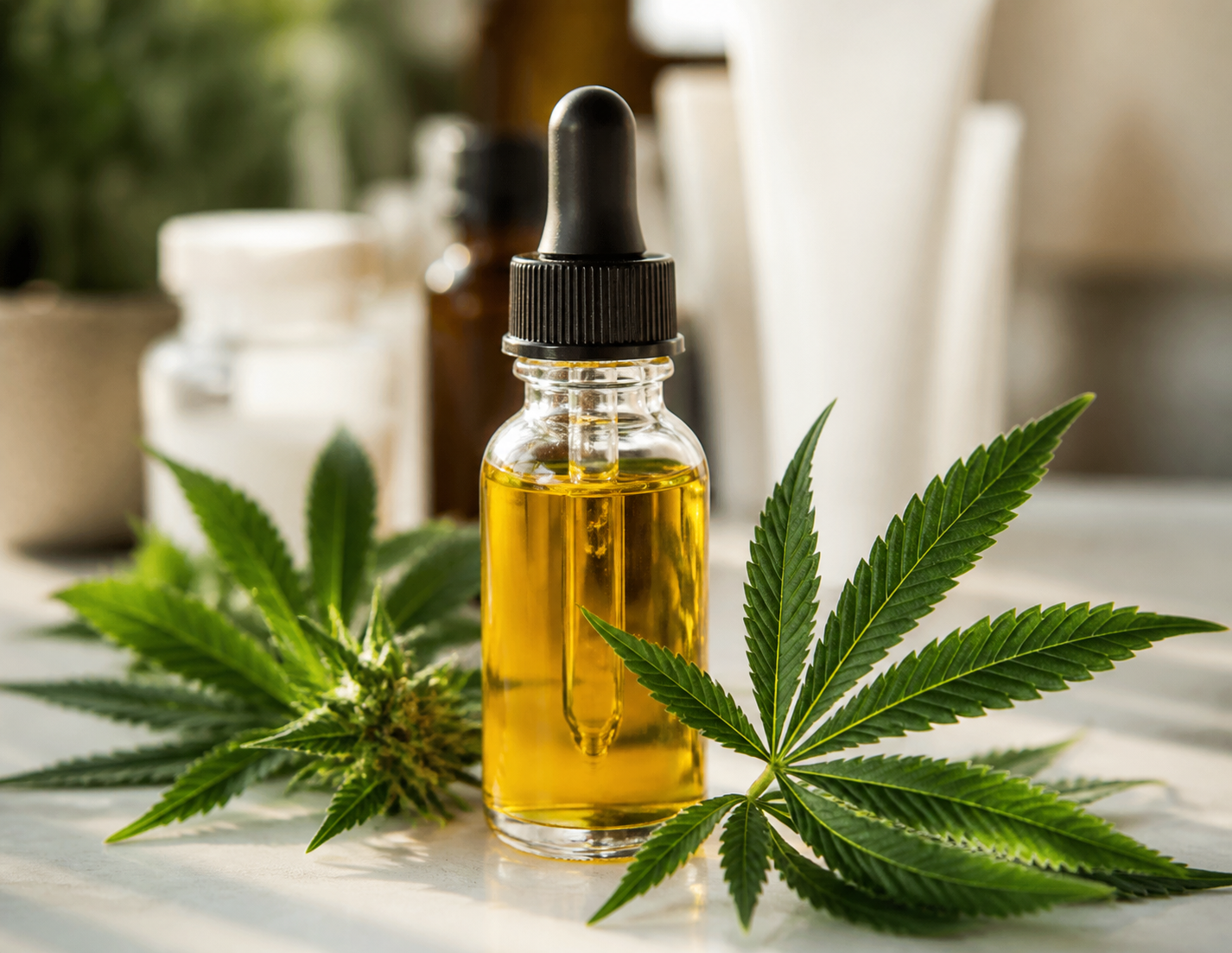
If you feel like CBD oil is everywhere these days, you’re not imagining it. Market analysts estimate the global CBD market already surpassed $5 billion in 2023, with arthritis and joint pain topping the “why people buy” list. But let’s cut through the hype: CBD (short for cannabidiol) is a non-psychoactive compound found in the Cannabis sativa plant. No, it won’t get you high — that’s THC’s department.
Most CBD oils you’ll find are “broad spectrum” or “full spectrum,” meaning they include not just CBD, but also minor cannabinoids and terpenes. Think of these as plant-based co-stars, potentially amplifying the anti-inflammatory effects. But here’s where it gets interesting: not all products are created equal, and dosing matters more than you might think.
The Science: What Do We Really Know About CBD for Joint Pain?
Okay, time for some real talk. The internet is packed with testimonials — but as a clinician, I care about peer-reviewed research. So what does the data say?
- Animal studies are promising. Multiple studies (see European Journal of Pain, 2016) found that topical CBD application reduced arthritis pain and swelling in rats. The mechanism seems to involve CBD’s interaction with CB2 receptors, which dampen inflammation.
- Human data is still emerging. We don’t have dozens of massive trials (yet). But a 2020 review in Current Opinion in Rheumatology concluded that CBD shows “potential benefit” for pain and inflammation, especially for conditions like osteoarthritis and rheumatoid arthritis. The authors highlighted fewer side effects compared to oral NSAIDs.
- Topical versus oral: the debate. Here’s something most articles won’t tell you: topical CBD (creams, oils applied directly to the joint) seems to work better for localized pain, while oral CBD may be better for “all-over” inflammation.
One particularly interesting pilot study from the Journal of Cannabis Research (2022) found that adults with knee pain who used CBD oil topically twice daily reported a 40% reduction in pain scores over four weeks. No, it’s not a miracle cure — but compare that to the 20-30% relief most people get from over-the-counter creams.
But — and this matters — the FDA doesn’t regulate CBD the way it does prescription meds. Quality varies wildly. I’ve seen patients waste money on “hemp oil” that barely contains any CBD.
How Does CBD Oil Actually Work for Joints?
Let’s get a little nerdy. CBD works by supporting your endocannabinoid system (ECS) — basically, your body’s “balancer.” The ECS has receptors all over your body, including in your joints, skin, and immune cells. When you rub CBD oil onto an aching knee, it interacts with these local receptors to:
- Calm overactive immune cells (reducing inflammation, the root of joint swelling)
- Slow down pain signaling (making those nerve endings less jumpy)
- Decrease oxidative stress (which can damage cartilage further)
One reader, Dave, emailed me last year about his routine: "I use CBD oil after my morning walk. I’m not running marathons, but I can garden again." He’s not alone. Surveys (see Arthritis Care & Research, 2019) show that 79% of arthritis patients who tried CBD reported some symptom improvement.
Is CBD Safe for Joint Pain? (And Who Should Skip It?)
This is non-negotiable: talk to your doctor before starting any new supplement — especially if you’re taking blood thinners, immune suppressants, or have liver issues. Overall, CBD is well-tolerated. The most common side effects? Mild sleepiness, dry mouth, or digestive changes. Rarely, it can interact with certain meds, so don’t skip that conversation.
Also, avoid CBD if you’re pregnant or breastfeeding. And kids? Not unless your pediatrician signs off.
Real-World Tips: Getting the Most from CBD Oil for Your Joints
Alright, here’s the advice I give friends and patients:
- Go topical for specific joints. Knees, hands, wrists, and elbows respond well to directly applied CBD oil. Massage it in for at least 60 seconds — don’t just dab and go.
- Know your dose. Most studies use 250mg to 500mg CBD per ounce for topicals, or 15-50mg per serving for oral tinctures. More isn’t always better. Start low, see how you feel, and adjust.
- Check the label (and lab report). Look for products that are third-party tested, with clear CBD content per dose. Avoid vague “hemp oil” labels without milligrams listed.
And — this is key — don’t expect overnight miracles. Give it at least two to four weeks. Track your symptoms honestly.
Other Strategies That Pair Well with CBD Oil
I rarely recommend just one approach for joint pain. Here are a few tools that, in my experience, play nicely with CBD:
- Compression sleeves: For knees and elbows, a good compression brace (like the Modvel Compression Knee Brace) keeps swelling down and offers gentle support. These cost less than a single PT copay — and I’ve seen folks wear them all day without discomfort.
- Heat therapy: A heating pad, especially one with a moist heat setting, can boost CBD’s absorption and soothe achy joints. I’m a fan of the PureRelief XL Heating Pad — the extra-large size covers both knees at once.
- Gentle movement: Light stretching, walking, or even water aerobics keeps joints fluid. Sitting still actually makes inflammation worse over time. If you’re stuck on where to start, check out Jim Johnson’s Treat Your Own Knees book for simple, research-backed routines.
CBD isn’t magic — but as a piece of your toolkit? It absolutely has a place for many people.

The Big Questions: What to Watch Out for with CBD Oil
I know the market is a minefield. Here's what I tell people:
- Ignore celebrity hype. Just because a pro athlete or talk show host hawks a brand doesn’t mean it’s top notch.
- Watch for wild claims. If a CBD brand promises to “cure arthritis in days,” walk away.
- Stick with reputable brands. Look for clear ingredient lists, third-party test results, and dosing instructions. I often suggest starting with a basic, unscented CBD oil, especially if your skin is sensitive.
One mild controversy in the field: some experts argue that high doses of oral CBD could impact liver enzymes, although this seems to be mostly an issue at prescription-level doses (think 300mg/day or more). Most over-the-counter products are well below this threshold, but it’s another reason to check with your healthcare provider — especially if you’re on long-term medications.
The Research Horizon: Is CBD Here to Stay?
Here’s where I land after years of reading, testing, and talking to patients: CBD oil isn’t snake oil, but it’s not a miracle, either. For localized joint pain and mild-to-moderate inflammation, it’s earned its spot in my toolkit. The data is strongest for arthritis and old injury flare-ups, but less robust for autoimmune or severe degenerative disorders.
Most folks who see results use CBD alongside other strategies. It won’t rebuild cartilage or reverse years of damage — but by dialing down inflammation and taking the edge off pain, it can get you moving again. And movement, as you’ve heard me say a thousand times, is the real secret to happier joints.
Practical Takeaways
- Start topical for specific joints; oral for widespread symptoms.
- Look for 250-500mg/oz for topicals; 15-50mg/serving for oral oils.
- Third-party lab testing is non-negotiable.
- Pair with movement, heat, and — if needed — a supportive compression sleeve.
- Give it 2-4 weeks. Track your progress honestly (a pain diary helps).
Are You a Good Candidate for CBD Oil?
If you’re nodding along, sick of ibuprofen but not ready for injections, and looking for something you can actually control at home — it’s worth a try. Not a replacement for medical advice, but a real option to discuss with your provider. Start with a reputable brand, go slow, and pay more attention to how you feel than to what the ads promise.
As always, I’ll keep digging into the science (and testing products — my medicine cabinet is turning into a CBD museum). Got a question about a specific brand, or want an honest take on your regimen? Shoot me an email. Your stories and feedback shape what I research next.
To happier, healthier joints — and more good days ahead.
Dr. Michael Torres, DC
Chiropractor, Nutrition Counselor, Joint Relief Reviews columnist