
Does CBD Oil Really Help Joint Pain? My Honest Take
I still remember the first time a reader emailed me about CBD oil for arthritis. This was back in 2017, just as CBD started popping up in everything from dog treats to bath bombs. "Karen," she wrote, "is this stuff for real — or some internet snake oil?" I’ll be honest: I was skeptical at first. Too many miracle claims, too little hard data. But here’s the thing — over the past few years, real research on CBD oil for joint pain and inflammation has finally started to catch up with the hype. And people (maybe even you) are desperate for something that works when the usual pills and creams fall short.

The Not-So-Secret Struggle: Living with Joint Pain
If you’re reading this, odds are you’ve got your own joint pain story. Maybe it’s that morning stiffness, or a persistent ache in your knees or hands that makes buttoning a shirt feel like a feat of engineering. I’ve spent over two decades reporting on arthritis and joint health — first for Everyday Health, then Arthritis Today — and I’ve heard it all. The pain isn’t just physical. It wears on your energy, your mood, your sleep, your relationships. You try diet changes, you take NSAIDs until your stomach protests, you ice, you heat, you keep moving because everyone says you must. And yet… the pain is still there.
So when someone whispers, "Try CBD oil, it changed my life!" — I get why you’re curious. Who wouldn’t be?
What Is CBD Oil, Exactly?
CBD (short for cannabidiol) is one of dozens of active compounds found in the cannabis plant. Unlike THC — the part of marijuana that gets you high — CBD is non-intoxicating. It’s usually extracted from industrial hemp, then diluted in a carrier oil (like coconut or olive oil) to create the "CBD oil" you see in stores and online.
Since the 2018 Farm Bill legalized hemp-derived CBD with less than 0.3% THC, the U.S. market has absolutely exploded. You can find CBD in oils, capsules, gummies, even topical creams. But is it all hype?
CBD Oil and Joint Pain: What the Research Says
Here’s where it gets tricky. Most mainstream articles will tell you, "Early studies are promising, but more research is needed." That’s true — but it’s also a bit of a dodge. So let me break it down, jargon-free:
- Animal studies: Since about 2015, there’s been a steady drip of research in mice and rats showing that CBD can reduce inflammation and arthritis pain. In a 2017 study published in Pain, CBD gel reduced both pain and joint swelling in rats with osteoarthritis. Promising, but — rats aren’t people.
- Small human studies: Actual gold-standard, double-blind human trials are rare. One 2020 study in Arthritis Care & Research looked at oral CBD versus placebo for hand osteoarthritis and psoriatic arthritis — no statistically significant pain reduction compared to placebo after 12 weeks. Ouch. But (and here’s the real kicker) some smaller trials on topical CBD have shown modest benefits for pain reduction with very few side effects, and the anecdotal evidence keeps piling up.
- Mechanism: CBD interacts with our endocannabinoid system, which plays a role in pain perception and inflammation. It may reduce cytokine production (those pesky proteins that fuel joint inflammation) and modulate pain signals in the brain and nerves.
Is it a miracle cure? Absolutely not. But there’s scientific logic behind trying it, especially if you’re running out of safe, sustainable options.
What Real People Report (and What I’ve Seen)
I’ve spoken with dozens of patients and readers who’ve experimented with CBD oil for joint pain, especially for osteoarthritis and rheumatoid arthritis. The experiences vary wildly:
- Some get real relief: "It took the edge off my knee pain in two days," one reader told me. "Not a cure, but I could walk the dog again."
- Some notice nothing: "Tried it for a month, nada. Waste of money," said another (and she’s not alone).
- A few had side effects: Mild drowsiness, dry mouth, and, very rarely, changes in liver enzymes. Always mention new supplements to your doctor — especially if you take other meds.
If you’re nodding along, you’re not alone. I wish I could promise CBD oil will work for everyone with joint pain. The reality is more nuanced.
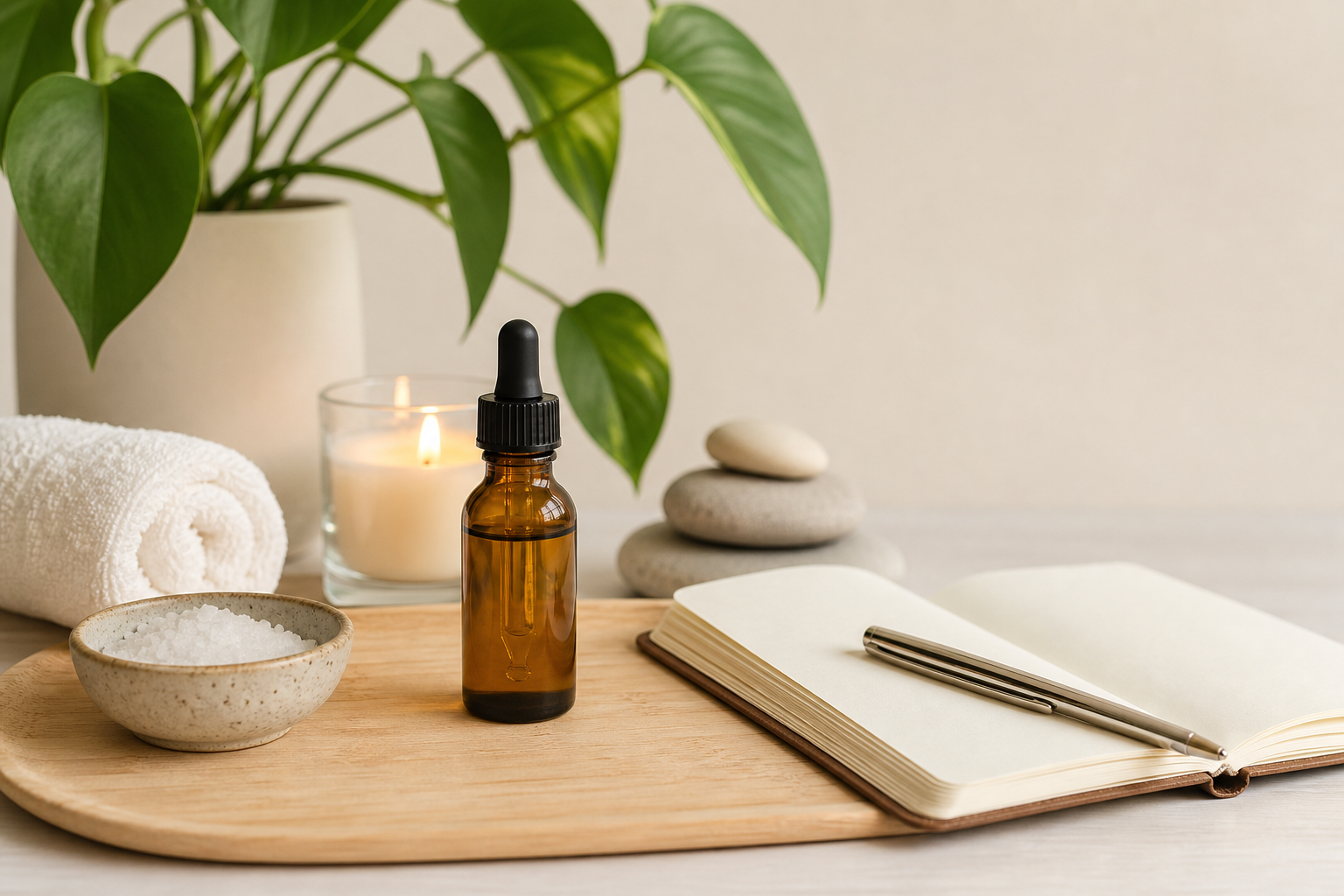
How to Try CBD Oil for Joint Pain (If You’re CBD-Curious)
So you’re intrigued. How do you do this safely, without wasting money or risking a bad reaction? Here’s what I tell my own family (my mother-in-law swears by her nighttime CBD oil — but we started slowly):
- Start low, go slow: Many people start with 10-20mg of CBD oil once or twice daily. If you’re sensitive, try less. It can take 1-2 weeks to notice any difference (so don’t give up after two days).
- Choose reputable brands: Look for full-spectrum or broad-spectrum CBD oils that publish third-party lab results. Transparency matters — you want to know exactly what you’re taking.
- Consider how you take it: Oils and tinctures (held under the tongue for 60 seconds) enter the bloodstream faster than capsules or edibles. Topical CBD creams may help for localized joint pain — I had one reader with hand arthritis say a CBD salve worked wonders for him (though research is early here).
- Talk to your doctor first: Especially crucial if you take blood thinners, anti-seizure meds, or have liver issues. CBD can interact with certain medications.
If you need a starting point, I’ve reviewed several popular CBD oils and creams with joint health in mind. One that’s consistently mentioned by readers for its quality and third-party transparency is Glucosamine Chondroitin Turmeric MSM & Boswellia — okay, not CBD-based, but worth knowing about for comprehensive joint support if CBD alone isn’t cutting it. (Remember, never mix new supplements without checking with your healthcare provider.)
The Dosing Dilemma: Why CBD Isn’t a One-Size-Fits-All Solution
Here’s a dirty little secret most brands won’t tell you: There’s no FDA-recommended dosage for CBD oil. The right amount is highly individual — factors like your body weight, metabolism, the severity of your pain, and how you metabolize cannabinoids all matter. In a 2019 review in the Journal of Clinical Medicine, most patients with chronic pain used CBD doses ranging from 25mg to 100mg daily. But some did fine on less. That’s why starting slow is key.
Also, more isn’t always better. Too much CBD can actually make you sleepy or cause stomach upset. I always suggest a pain diary — jot down how you feel, what dose you took, and what (if anything) changed.
What About Topical CBD for Joint Pain?
Topical CBD products — creams, gels, balms — skip the digestive system entirely and deliver CBD right where it hurts. Is that more effective for joint pain? There’s some logic to it. A 2020 review in Current Rheumatology Reports noted that while topical CBD can penetrate the skin, absorption rates vary wildly. You may get more consistent relief with oral oils, but for folks with sore hands, knees, or elbows, a CBD cream could be a good add-on.
Now, if you want something with both topical relief and hard clinical backing, I often recommend Voltaren Arthritis Pain Gel — it uses a different mechanism (diclofenac sodium) but is FDA-approved and highly rated by arthritis specialists. Don’t feel like you have to choose just one option; complementary strategies are fair game.
Mixing CBD With Other Joint Pain Remedies: What’s Safe?
This comes up constantly. Can you pair CBD oil with glucosamine, turmeric, or NSAIDs? There’s no "magic bullet," so many readers build a layered approach: physical therapy, exercise, supplements, heat/ice, topical creams, and (maybe) CBD.
I’ve written about Pure Enrichment PureRelief XL Heating Pad before — and while it’s not flashy, a well-made heating pad can make a real difference with stiffness and pain, especially after activity or on cold mornings. Tools like these are safe to use alongside CBD, as they don’t overlap metabolically.
But — and I can’t stress this enough — talk to your physician before mixing CBD with prescription meds, particularly those metabolized by the liver (like warfarin, certain antidepressants, and anti-epileptic drugs). CBD can alter how your liver processes some drugs.
Unpopular Opinions: CBD Oil Isn’t for Everyone
I know, I know. "Try CBD!" is everywhere online. But I’ve seen just as many people frustrated by the lack of results as I have those who swear by it. Don’t blame yourself if it doesn’t work for you. Your genes, pain pathways, and cannabinoid receptors are unique. And — let’s be real — there’s still a lot we don’t know about how and why it works for some, but not others.

What the Experts and the Evidence Agree On
Most rheumatologists I’ve interviewed (and there have been dozens) take a "wait and see" approach to CBD oil. They’re intrigued by the preliminary data, but want larger, longer-term studies in humans. The Arthritis Foundation acknowledges the potential benefits, but advises starting low, monitoring for side effects, and choosing well-tested products. The FDA, for its part, warns against CBD for children, pregnant women, and anyone on medications that warn against grapefruit juice (no joke — it's a similar enzyme system).
Cutting Through the Marketing Hype
Look, there are a lot of CBD cowboys out there. I’ve seen "CBD-infused" patches, teas, bath bombs, even pillowcases. Stick with products that clearly state their CBD content, test for purity, and don’t make outrageous claims. And don’t pay $100 for a tiny bottle. Quality CBD oil doesn’t have to be expensive — but beware too-good-to-be-true deals, as mislabeled or contaminated products are surprisingly common.
Fresh Takeaways: What I Tell Friends and Readers
- If you’re curious about CBD oil for joint pain, start with a small, reputable product and be patient.
- Keep expectations realistic: It may help with pain, stiffness, or sleep — but it’s rarely a miracle.
- Consider layering CBD with proven approaches, like physical therapy, a quality heating pad, or doctor-approved topicals.
- Check with your doctor before combining CBD with other medications or supplements.
- If CBD doesn’t work for you, don’t give up — there are plenty of other science-backed tools for joint relief.
Personally, I see CBD oil as another option in the joint pain toolbox. Not the only one, and not for everyone — but worth considering if you’re ready to experiment safely.
And if you do try it, let me know how it goes. I read every email (seriously). Living with joint pain is a journey, but you don’t have to walk it alone.
Warmly,
Karen Whitfield
Veteran health journalist, JointReliefReviews.com