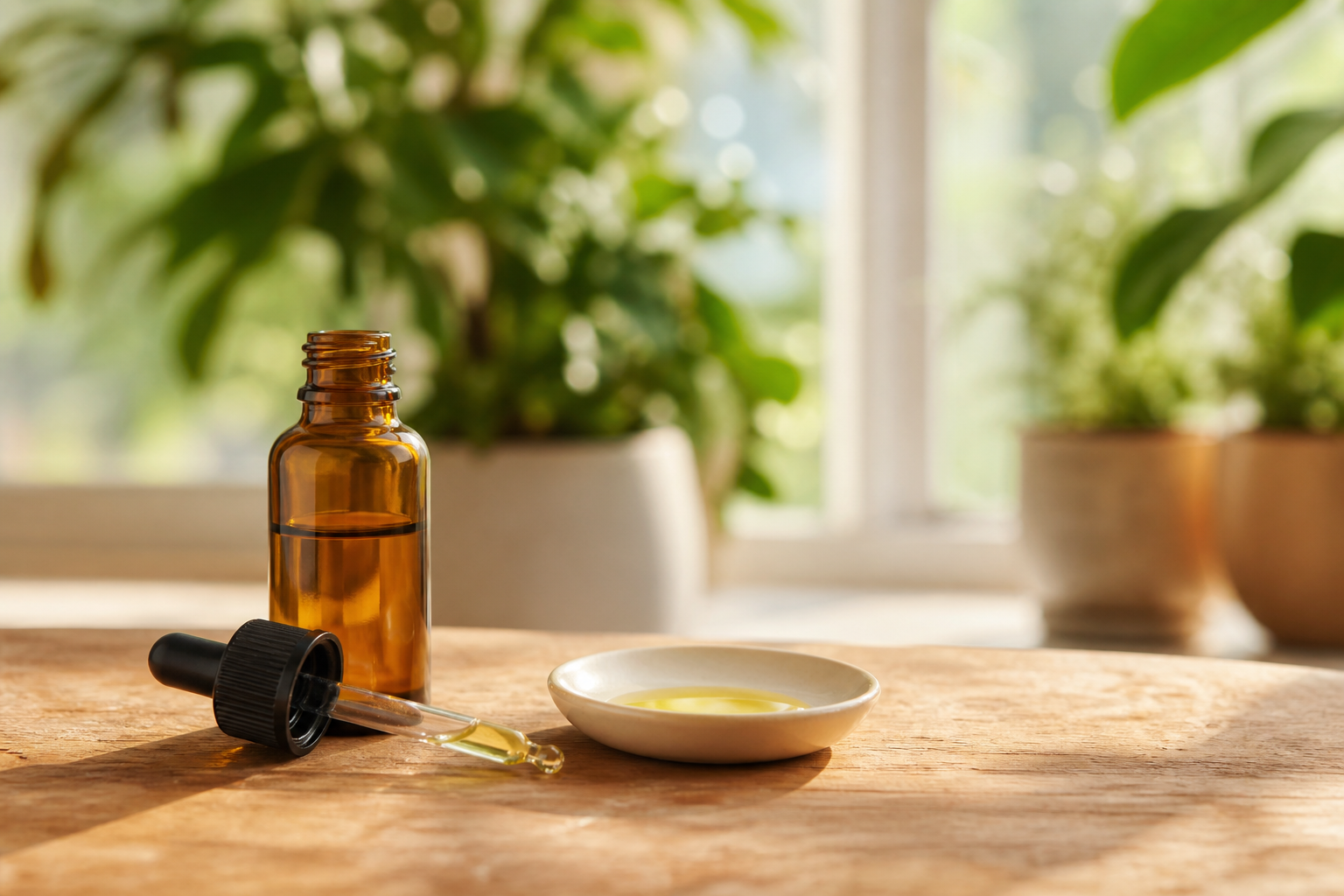
CBD Oil for Joint Pain and Inflammation: Separating Hope from Hype
I remember the day my inbox got flooded. Five clients — all over 55, all wrestling with joint pain — wanted to know if CBD oil could help them get back on the golf course, or at least out of bed without gritting their teeth. And that's just a Tuesday. If you’re reading this, I’m betting you’ve seen the headlines or maybe someone at your pickleball club swears it changed their life.
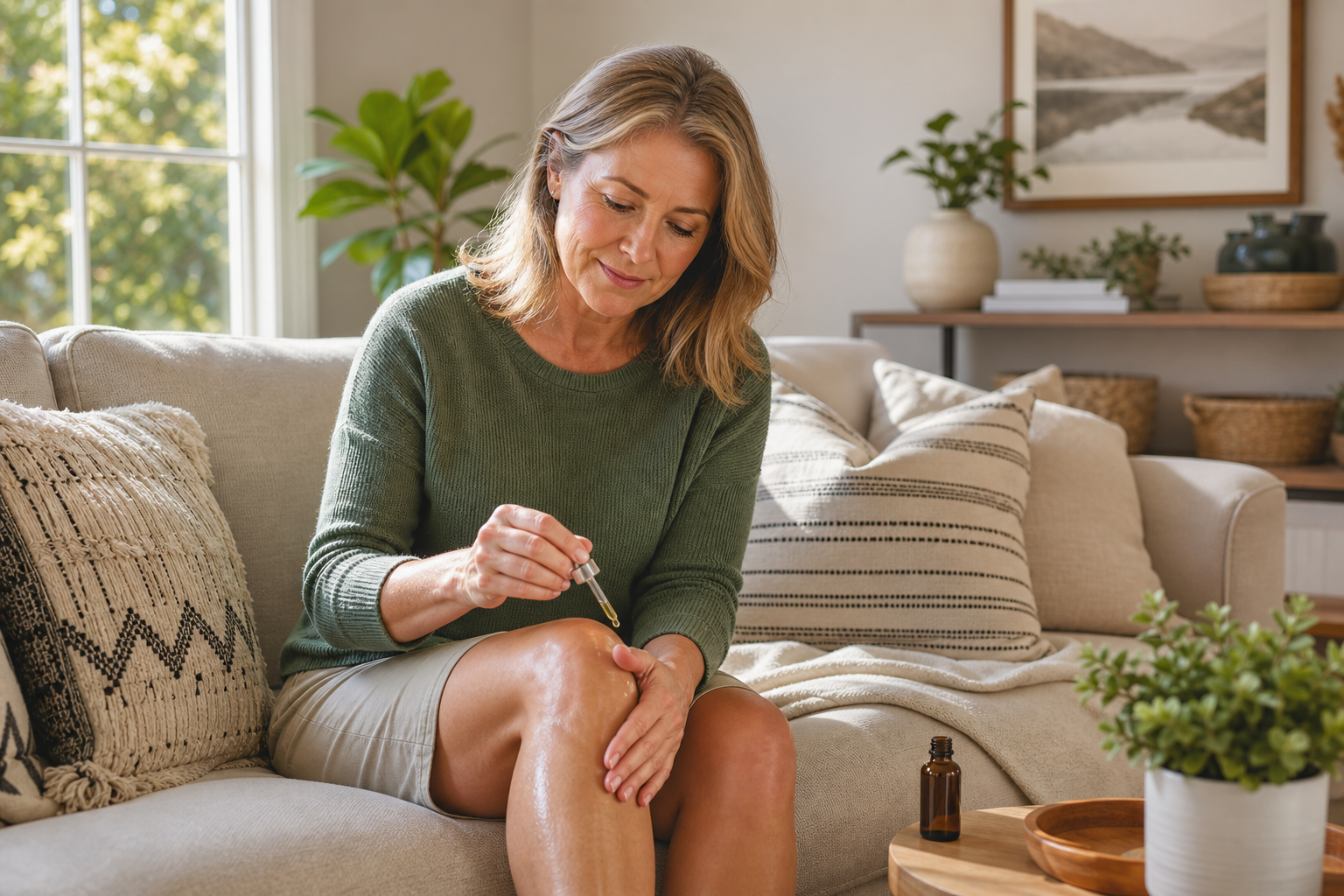
The Daily Grind: Living with Achy, Inflamed Joints
Look, if you’re dealing with osteoarthritis, rheumatoid arthritis, or one of those frustrating catch-all diagnoses (“degenerative joint changes,” anyone?), you know it’s not just a little stiffness in the morning. It’s the ache that wakes you up at 3AM or the dull throb that makes you second-guess every flight of stairs. Some of my clients even developed this sixth sense — knowing if it’ll rain from their knees. Science doesn’t totally back up the weather thing, but hey, lived experience counts for something.
And here’s the real kicker: the usual solutions aren’t perfect. NSAIDs eat up your stomach, prescription meds come with a laundry list of side effects (I’m still haunted by Mr. Ortega’s story about his stomach ulcers), and physical therapy only gets you so far. No surprise that the search for relief takes folks down the CBD rabbit hole.
CBD Oil 101: What Actually Is It?
Let’s clear the fog: CBD (cannabidiol) is a compound extracted from the hemp plant. It’s non-psychoactive — meaning you won’t get high, unlike its cousin THC. Most CBD oil these days is derived from industrial hemp, not marijuana. Legality? As of 2018, hemp-derived CBD with less than 0.3% THC is federally legal in the U.S., but state laws vary. Always double-check your local regs, especially if you travel.
CBD oil comes in tinctures, capsules, gummies, even balms. The most common way to use it for joint pain? Oral drops under the tongue (sublingual), or topical creams rubbed directly onto the affected area. I’ll break down the pros and cons of each in a bit.
But Does CBD Actually Work for Joint Pain?
Here’s where it gets interesting. Despite the explosion of CBD brands (it feels like every gas station has a "miracle" tincture these days), the actual science is still playing catch-up. But I have spent a lot of time combing through the real peer-reviewed stuff — not just testimonials.
- Animal Studies: There are dozens. For example, a 2017 European Journal of Pain study found topical CBD reduced joint swelling and pain behaviors in rats with arthritis. Promising, yes. But rats aren't humans.
- Human Research: Less robust than most people think. A 2020 review in Current Opinion in Rheumatology admitted, “There is a scarcity of high-quality clinical evidence.” But — and this is important — some small trials and surveys do suggest pain reduction and improved sleep with CBD use.
- Mechanisms: CBD interacts with the body's endocannabinoid system, which helps regulate pain, inflammation, and immune response. Think of it as nudging your body toward balance, not flipping a magic switch.
I know what you’re thinking: If it’s not a slam dunk in the research, why are so many people swearing by it? Well, pain is subjective. The placebo effect is real, especially for chronic pain. But that doesn't necessarily mean it isn't genuinely helping some folks — the mind-body connection is powerful.
The Real Science: How CBD May Help with Joint Inflammation
Let’s dig a little deeper. Inflammation is the villain in most chronic joint pain scenarios. When you have arthritis, your joints aren’t just wearing out — your immune system is often fueling the fire. CBD, at least in lab settings, appears to tamp down inflammatory signals (like TNF-alpha, IL-6, and other cytokines). There’s even evidence from a 2016 Arthritis & Rheumatology study that CBD blocks certain inflammatory pathways in synovial cells (that’s the lining of your joints, for my fellow biology nerds).
Another angle: CBD may affect pain perception by modulating TRPV1 receptors (think of these like little on/off switches for pain signals). It’s not just band-aid relief — it may actually tweak the way your body processes discomfort. But again, most of this is preclinical or in very small human studies.

How Are Real People Using CBD for Joint Pain?
I’ve talked to dozens of folks experimenting with CBD. My mother-in-law, for example, swears her sleep improved when she started a 25mg nightly dose. A reader recently wrote in about rubbing a topical balm on his hands after gardening; said it took the edge off his knuckle pain. There’s a massive range here — some people need just 10mg a day, others go up to 40mg or more (always start low!).
What form works best? That’s still up for debate. Oral oils are absorbed systemically, which is great for widespread pain or anxiety, but topicals can deliver relief right to the source (especially for knees, fingers, elbows). I usually recommend folks try both and see what feels better. One thing: avoid products with vague labeling or wild claims. The FDA doesn’t regulate CBD like prescription meds, so quality is all over the map. Third-party testing is non-negotiable in my book.
Risks, Side Effects, and Honest Limitations
I have to be straight with you: CBD isn’t a miracle cure. Side effects are generally mild (think dry mouth, drowsiness, sometimes stomach upset), but there are a few real cautions. If you’re on blood thinners (like warfarin), certain anti-seizure drugs, or high-dose statins, CBD can interact with your medications. Talk to your doctor or pharmacist before adding anything new, especially if your medicine cabinet looks like a Walgreens aisle.
And not all pain is created equal. If you have severe swelling, redness, or a fever with your joint pain — or a sudden change in symptoms — don’t self-treat with CBD (or anything else). Get checked out. Sometimes, the underlying problem needs real medical attention.
Practical Tips for Trying CBD Oil for Joint Pain and Inflammation
- Start Low, Go Slow: Most people start with 5-10mg once or twice daily. If after a week you don’t notice any benefit, increase the dose gradually.
- Pick the Right Product: Look for full-spectrum or broad-spectrum CBD oils with third-party lab results available. Avoid anything that won’t show you exactly what’s inside.
- Method Matters: For joint pain, I often suggest combining a sublingual oil (for general inflammation and pain) with a topical balm or cream for spot relief. Be patient — give it a few weeks.
If you’re looking for a reputable oral option, check for brands that post their Certificates of Analysis online, clearly state the milligrams of CBD per serving, and use CO2 extraction (it’s safer and leaves fewer solvents behind). I don’t endorse any one brand for everyone, but these are the green flags I watch for when clients bring me bottles to check.
How CBD Compares: Other Joint Pain Relief Options
Here’s a little controversy: Most articles pretend you need to pick sides. CBD or NSAIDs? Topicals or supplements? The truth is, the best approach is often “both/and” — a blend of therapies tailored to your body and your goals. For example, I know plenty of people who layer CBD with over-the-counter options like Voltaren Arthritis Pain Gel (diclofenac sodium, FDA-approved for arthritis, and honestly a game-changer for hand and knee pain). And yes, you can combine these with other joint-friendly habits — regular movement, weight management, strength training, smart supplements.
I’ll be honest — I was skeptical about CBD at first too. But I’ve seen enough “N of 1” results to believe it’s worth a try — if you’re smart, safe, and realistic about expectations. Just don’t fall for wild marketing. No oil, cream, or gummy is going to rebuild cartilage or give you the knees you had at 25.
Other Helpers: Compression, Heat, and Evidence-Based Supplements
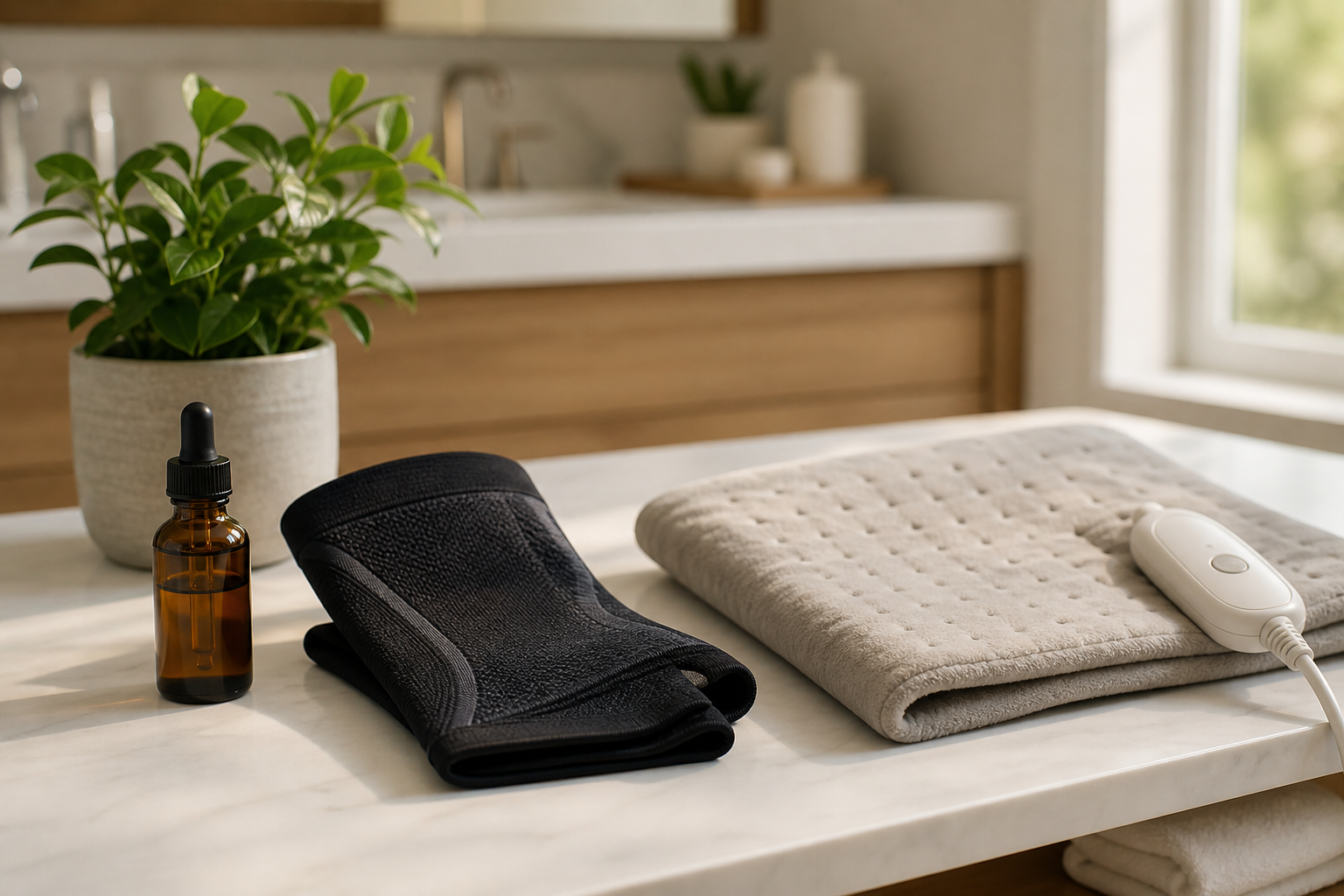
If you’re nodding along because CBD alone hasn’t cut it, you’re definitely not alone. A lot of my clients combine approaches. For joint stability (especially knees), a sleeve like the Modvel Compression Knee Brace offers surprisingly good relief during activity — plus over 75,000 reviews doesn’t hurt. And for those days when your joints feel like they’ve been through a cement mixer, a quality heating pad (my personal favorite is the Pure Enrichment PureRelief XL Heating Pad) can help unlock stiff tissues and boost circulation. None of these options are “magic,” but sometimes it’s the smart stacking of tools that gets people moving again.
The Bottom Line — What I Tell My Own Family
If you’re considering CBD oil for joint pain and inflammation, here’s my honest advice — both as a joint health specialist and someone who’s seen all the fads come and go:
- CBD is not a cure-all, but it’s worth trying for some people. The risk profile is favorable, as long as you check for drug interactions and buy from reputable sources.
- Give it a fair trial (2-4 weeks), keep a simple symptom journal, and combine it with other proven approaches — movement, physical therapy, and topical relief.
- Don’t expect miracles, but also don’t ignore your own experience. If you feel better, that matters — and you don’t need a study to tell you how your own body feels.
Look, aches and inflammation don’t have to run your life. Whether you find relief in CBD, compression, heat, or a smart mix of all three, it’s about reclaiming your days and nights. If you do decide to give CBD a go, start slow, stay skeptical, and most of all — listen to your body. And as always, talk to your healthcare provider if you’re unsure about mixing CBD with your current regimen.
Stay moving, stay curious — and if you discover something that actually works for your joints, shoot me an email. I’d love to hear your story (and maybe add it to my ever-growing client files).
James Chen, MS, CSCS
JointReliefReviews.com columnist. Proud son-in-law. Skeptical optimist.