
CBD Oil for Joint Pain and Inflammation: What Actually Works?
I’ll never forget a conversation I had with a patient, Janet, a few years ago. She’d hobbled into my clinic wincing with every step, her arthritis flaring up again. After we finished her knee strengthening routine, she paused: “My neighbor swears by CBD oil for her joint pain. Do you think it works?” It’s a question I get at least three times a week now. If you’re reading this, maybe you’re wondering too. You’re not alone.
The Frustration of Ongoing Joint Pain
Let’s get real for a minute. Joint pain isn’t just an inconvenience — it’s the background noise of your entire day. Maybe it’s the dull ache in your knees as you climb stairs, or the way your fingers swell and stiffen after gardening. I’ve seen people give up hobbies they love, like tennis or hiking, not because they want to, but because their joints make every step a calculated risk.
And the inflammation — oh, that deep, pulsing throb — is often worse than the mechanical grinding. It wakes you up at 3am. It snatches your focus during work meetings. It’s exhausting. I have family members with rheumatoid arthritis, and even with all my training, I can’t “fix” it with a magic exercise. So the hunt for real relief is personal for me, too.
CBD Oil: The Basics (Without the Hype)
Now, CBD oil is everywhere — drugstores, boutique wellness shops, your cousin’s bathroom cabinet. But what is it, really? CBD (short for cannabidiol) is a non-psychoactive compound from the Cannabis sativa plant. Unlike THC, it won’t get you high. What makes CBD so compelling, for joint pain especially, is its interaction with the body’s endocannabinoid system — basically, a regulatory network involved in pain, inflammation, and immune response.
Here’s where it gets interesting: animal studies have shown that CBD can reduce both inflammatory markers and pain signals. In human studies, the evidence is more mixed — but promising. A 2020 review in Current Opinion in Pharmacology summarized that CBD appears to reduce inflammation and pain in animal models, and early trials in humans are beginning to show benefit for arthritis symptoms. But, as always, the devil is in the details.
What Does the Science Say About CBD Oil for Joint Pain?
I know you’re looking for clear answers, not just “more research is needed” waffles. Here’s the honest rundown:
- Animal research is robust. Multiple studies — including a 2017 paper in Pain — found that CBD reduced joint swelling and pain behavior in rats with osteoarthritis.
- Small human studies are promising but not conclusive. A 2016 pilot study in European Journal of Pain applied CBD topically to arthritic joints and found reduced inflammation and pain scores over four days.
- Patient surveys show real-world benefit. A 2022 survey in Arthritis Care & Research found that 83% of people using CBD for arthritis reported some symptom relief, especially decreased pain and improved sleep. Is that placebo? Possibly, but if you’re sleep-deprived and hurting, you’ll take what works.
- No miracle cures. No clinical trial (so far) has shown CBD to be a cure for joint diseases, or a substitute for physical therapy, exercise, or medical treatment.
Here’s the thing: I have patients who swear CBD transformed their lives, and a few who felt absolutely nothing. Individual biology, dosage, application method — it all matters. The FDA hasn’t approved any CBD product for arthritis specifically, so there’s some trial and error involved.
How Does CBD Oil Actually Work in the Body?
Bear with me for a quick science detour. When you use CBD oil (sublingually, topically, or even in capsules) it doesn’t block pain like a heavy-duty narcotic. Instead, it seems to dial down the sensitivity of pain receptors, and tamp down the release of inflammatory chemicals like cytokines. In one 2018 Frontiers in Pharmacology review, researchers found that CBD influences both CB1 and CB2 receptors, which are deeply involved in inflammation and immune modulation.
CBD’s anti-inflammatory effect is why so many athletes use it after heavy training. For arthritic joints, the hope is that reducing swelling and inflammation means less stiffness — and less pain. But again, it’s not instant. Most users report gradual improvement over several days or weeks, not a magical disappearing act.
What About Safety and Side Effects?
This is where my “health professional” radar gets twitchy. CBD is generally well-tolerated, especially compared to prescription pain meds — but it’s not totally risk-free. The most common side effects are digestive (think mild diarrhea or stomach upset), occasional dizziness, and rare liver enzyme elevations. If you’re on blood thinners, anti-seizure meds, or have liver disease, talk to your doctor before starting CBD oil. It can interact with medications in ways that sneak up on you.
Another big issue: purity and quality. The CBD market is like the Wild West. When my mother-in-law first tried a bargain-bin CBD gummy, she got zero relief — later, we found out the product contained just a trace of actual CBD. Stick to brands that offer third-party lab testing and clear labeling. You want to know what you’re putting in (or on) your body.

How People Use CBD Oil for Joint Pain
I get questions about this part almost daily: “What’s the best way to use CBD for my joints?” Here’s what I tell patients:
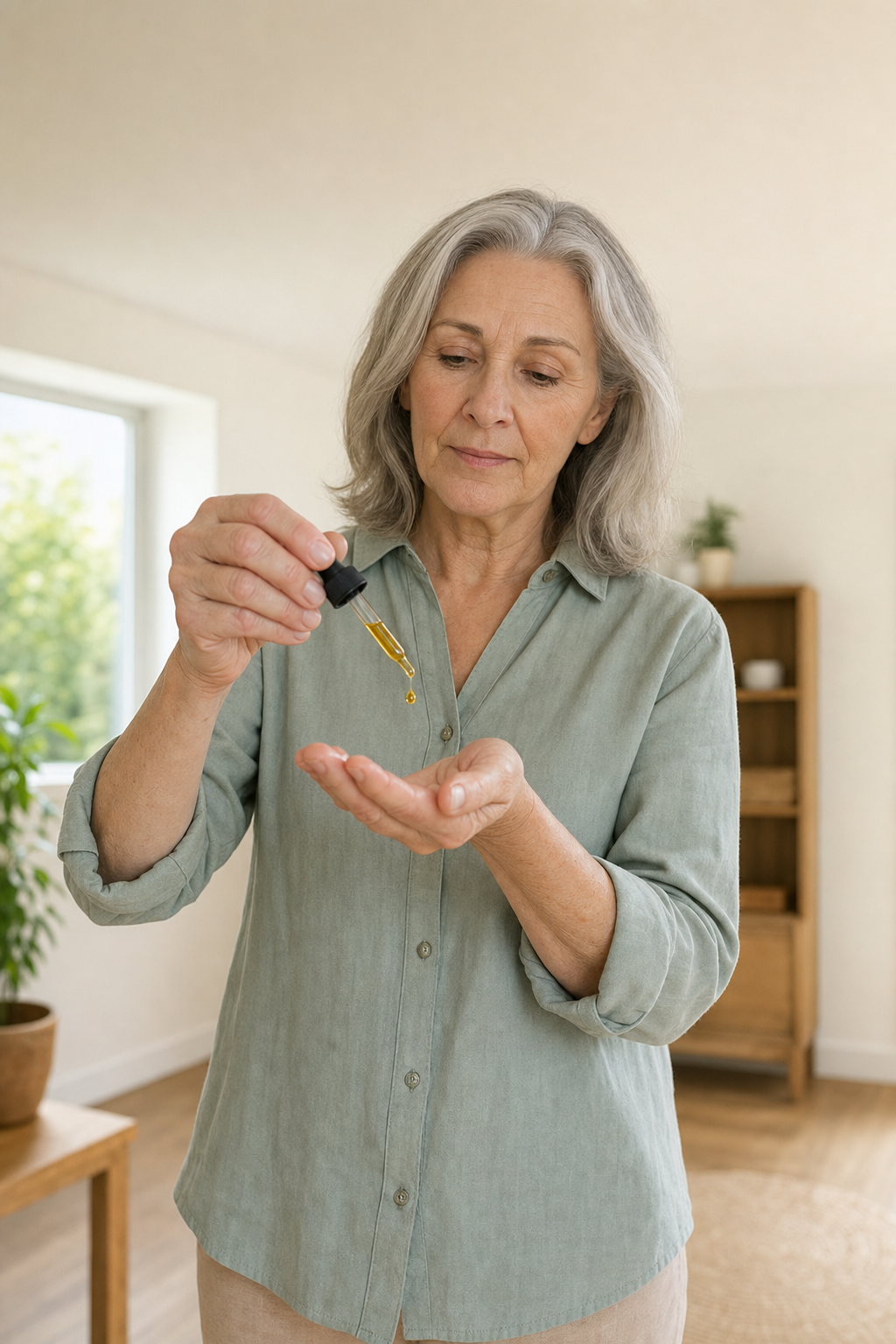
- Oral CBD oil (tincture under the tongue): Most people start here, using a dropper to place oil under the tongue and holding it for 30-60 seconds. Typical starting dose is 10-25mg per day, titrating up slowly every few days. This allows the CBD to enter the bloodstream directly. Pro tip: take it at the same time daily for a week before judging results.
- Topical CBD products (creams, balms, or gels): These are applied directly to sore joints. Good for targeted relief, especially for hands, knees, or shoulders. Look for products with at least 250-500mg CBD per jar. Some patients use both oral and topical together.
- CBD capsules or edibles: Convenient, but take longer to kick in (anywhere from 45 minutes to 2 hours). Harder to fine-tune your dose compared to oil.
And — let’s just say it — if you’re new to CBD, go low and slow. More isn’t always better. In fact, some research (see British Journal of Clinical Pharmacology, 2019) suggests a bell-shaped curve: too much or too little CBD might be less effective than a moderate amount.
Stacking CBD With Other Joint Relief Tools
Here’s where my physical therapy background colors my advice. CBD oil might take the edge off your pain — but if you pair it with smart movement and other proven strategies, that’s where the magic happens. I tell patients: think of it as part of a bigger toolkit, not the whole toolbox.
- Compression braces can stabilize painful joints and reduce swelling. The Modvel Compression Knee Brace (sold as a pair, and surprisingly affordable) is one I often recommend for day-to-day support. Over 75,000 reviews can’t all be wrong — but as always, brace fit and comfort are personal. I’ve seen folks wear these during walks or chores to keep knees happy.
- Heating pads help with morning stiffness or post-workout aches. The Pure Enrichment PureRelief XL Heating Pad covers the whole joint and offers an excellent moist heat option — which, according to a 2019 Arthritis & Rheumatology study, can loosen stiff joints much faster than dry heat alone. I use this exact pad myself after long cycling sessions.
- Evidence-backed supplements (if you’re open to them). One that actually combines several well-studied anti-inflammatory ingredients is the Glucosamine Chondroitin Turmeric MSM & Boswellia formula. Over 43,000 positive reviews and a reasonable price point make this one a solid “worth a look.” (Again — always discuss new supplements with your provider, especially if you’re on medications.)
If you’re nodding along, you’re not alone. Many of my patients layer CBD oil with one or two of these adjuncts and report far better results than CBD alone.
The Real-World Experience: What My Patients Say
I keep a notebook of patient anecdotes (de-identified, of course). Some quotes from folks who’ve tried CBD oil for their joint pain:
- “After about a week, I noticed it was easier to get out of bed. My elbows ached less after painting.” (67-year-old retired teacher with osteoarthritis)
- “My hands aren’t cured, but they’re less stiff in the mornings.” (55-year-old bookkeeper with early RA)
- “I tried the oil and the cream together. The cream helped on days when my knees really swelled up.”
But — and here’s the mild controversy — I’ve also had patients who felt almost nothing, even after upping the dose. When we dig deeper, it’s usually either a low-quality product or a mismatch between expectations and reality. CBD isn’t a narcotic. It’s subtle. If you take it for a week and expect to dance pain-free, you’ll probably be disappointed.
Comparing CBD With Other Joint Relief Methods
Let’s put CBD oil in context. Compared with NSAIDs (like ibuprofen), CBD is much gentler on the gut and kidneys. But NSAIDs can offer rapid, reliable pain relief for acute flares. Topical pain gels — like Voltaren, which uses diclofenac sodium — are still the gold standard for many arthritis specialists, with decades of clinical data backing them up. Some of my colleagues say CBD’s biggest value is as an adjunct, not a replacement.
I’m not going to sugarcoat it: For severe joint damage or autoimmune arthritis, no oil — CBD or otherwise — will rebuild cartilage. That’s where physical therapy, targeted exercise, medication, and, yes, sometimes surgery, come in. But for day-to-day aches, early-stage arthritis, or post-workout soreness, CBD oil is worth considering, especially if you’re wary of long-term NSAID use.

Expert Takeaways: What You Should Know Before Trying CBD Oil
- Start with a reputable brand offering lab-tested CBD oil. Don’t fall for wild health claims or dirt-cheap prices. Purity counts.
- Give it time. Most people need to use CBD consistently for 7-14 days before judging its effect on their joints.
- Use the lowest effective dose. For most, that’s 10-25mg daily to start — titrate up if you need to, slowly.
- Layer your approaches. Compression, heat therapy, and joint supplements can work alongside CBD.
- Talk to your doctor or pharmacist before mixing with other medications. Especially if you’re on blood thinners, immunosuppressants, or have liver issues.
One thing almost every real-world user agrees on: relief is rarely dramatic, but it can be meaningful — less swelling, easier sleep, a bit more freedom in your day. And honestly, that “little bit better” can be life-changing.
Final Thoughts from a PT (and Chronic Joint Pain Veteran)
Look, I know CBD is a polarizing topic. Some doctors write it off as a fad, while others (and plenty of patients) see it as a game-changer for quality of life. My personal take? As long as you’re using a quality product, starting slowly, and keeping expectations realistic, CBD oil is a safe, legit option for many people battling joint pain and inflammation. Is it a substitute for exercise, therapy, or appropriate meds? No. But as a supporting player in your self-care lineup, it earns its spot.
If you decide to try CBD, track your symptoms for 2-3 weeks in a simple journal. Notice changes in sleep, swelling, and daily pain scores. And — please — share your results with your doctor, so you can make smart decisions together.
Stay curious, stay hopeful, and don’t let joint pain steal any more of your life than it has to.
— Dr. Sarah Mitchell, DPT