
CBD Oil for Joint Pain and Inflammation: What I Tell My Own Family
I’ll never forget one particular Wednesday: gray, muggy, and my phone ringing off the hook. A former patient—let’s call her Cheryl—had just finished her second knee replacement. “Linda, have you tried this CBD oil stuff?” she asked, voice full of hope and skepticism. I’d heard the question before. More times than I can count, actually—at backyard barbecues, book club, waiting rooms—you name it. And it’s no wonder. Chronic joint pain and swelling have a way of taking over your plans, your hobbies, your sleep, sometimes your entire mood.

The Relentless Frustration of Joint Pain
If you’re reading this, odds are you’re done with the platitudes: “Just rest more,” “Try yoga,” or (my personal eye-roll favorite) “Have you lost any weight?” For millions, joint pain isn’t a minor ache—it’s 3 AM wakeups, skipped walks, and that little voice saying, “Can I even trust my own body today?” And if inflammation’s in the mix, you get throbbing, stiffness, and the feeling that your joints have been replaced with rusty hinges. Rheumatoid arthritis, osteoarthritis, old sports injuries, even plain old aging—it comes at most of us eventually.
So when a shiny bottle of CBD oil promises relief, I get why the temptation is strong. But does it deliver? Here’s where I get annoyingly nurse-y: Let’s cut the hype and look at what the science (and my own experience) really says.
CBD: How It’s Supposed to Work—And Where the Evidence Stands
Quick refresher: CBD, or cannabidiol, is a naturally occurring compound found in hemp and cannabis plants. Unlike THC, it won’t get you high. The theory is that CBD interacts with your body’s endocannabinoid system—a vast network involved in pain, immune response, and inflammation. Lab studies (not just in mice, either) show that CBD can potentially reduce inflammatory markers, lower pain signals, and even dampen the overactive immune responses that drive some forms of arthritis (Journal of Clinical Investigation, 2015).
But—and you knew there’d be a but—clinical evidence in humans is still a work in progress. A 2020 review in Arthritis Care & Research found that while animal models look promising, high-quality studies in people with arthritis are “surprisingly limited.” Most trials are small, short-term, and use wildly different dosages and products. I know, frustrating.
Still, here are a few standout findings:
- Topical CBD (like creams or gels): Several small studies—like a 2019 trial in Postgraduate Medicine—found modest improvements in knee pain, especially for osteoarthritis. Most used daily applications for 2-8 weeks.
- Oral CBD oils: Evidence is more mixed. Some small trials show pain reduction, while others report no better than placebo. Doses often range from 15-50mg daily, but there’s no “magic number.”
- Full-spectrum vs. isolate: Some research hints that full-spectrum CBD (with a trace of other cannabinoids) may work better than isolated CBD, possibly due to an “entourage effect.” But this is still a debated topic.
Honestly, I wish I could give you a cut-and-dried answer. The truth is, a lot of the glowing testimonials out there are ahead of the science. But there is enough real-user feedback—and emerging research—that I don’t dismiss CBD entirely. Not anymore.
Mechanisms: How CBD Might Tame Pain and Swelling
I’ll get a little nerdy (don’t worry, this matters): CBD seems to work by modulating the endocannabinoid system, which helps regulate the body’s own pain and inflammation controls. It may inhibit certain inflammatory cytokines (like TNF-alpha and IL-6—big names in joint disease). In a nutshell: CBD doesn’t just mask pain; it could actually alter the pathways causing it. This is what makes it so intriguing to pain researchers—and to people like Cheryl, desperate for a break from the cycle of swelling and soreness.
Is CBD Oil Safe for Joint Pain? What Nobody Tells You
Here’s the thing: Most people tolerate CBD pretty well. In most studies, side effects were minor—think dry mouth, mild drowsiness, or a slightly upset stomach. A 2021 statement from the Arthritis Foundation even gave cautious support for people trying CBD, provided you talk to your doctor first (especially if you’re on blood thinners, seizure meds, or have liver concerns).
But here’s where it gets sticky: The CBD market is a wild west. Labels can be misleading. Some products barely contain any CBD—or worse, may have contaminants. In 2017, the JAMA journal published a study showing that only about 30% of CBD products were accurately labeled. That’s…not great.
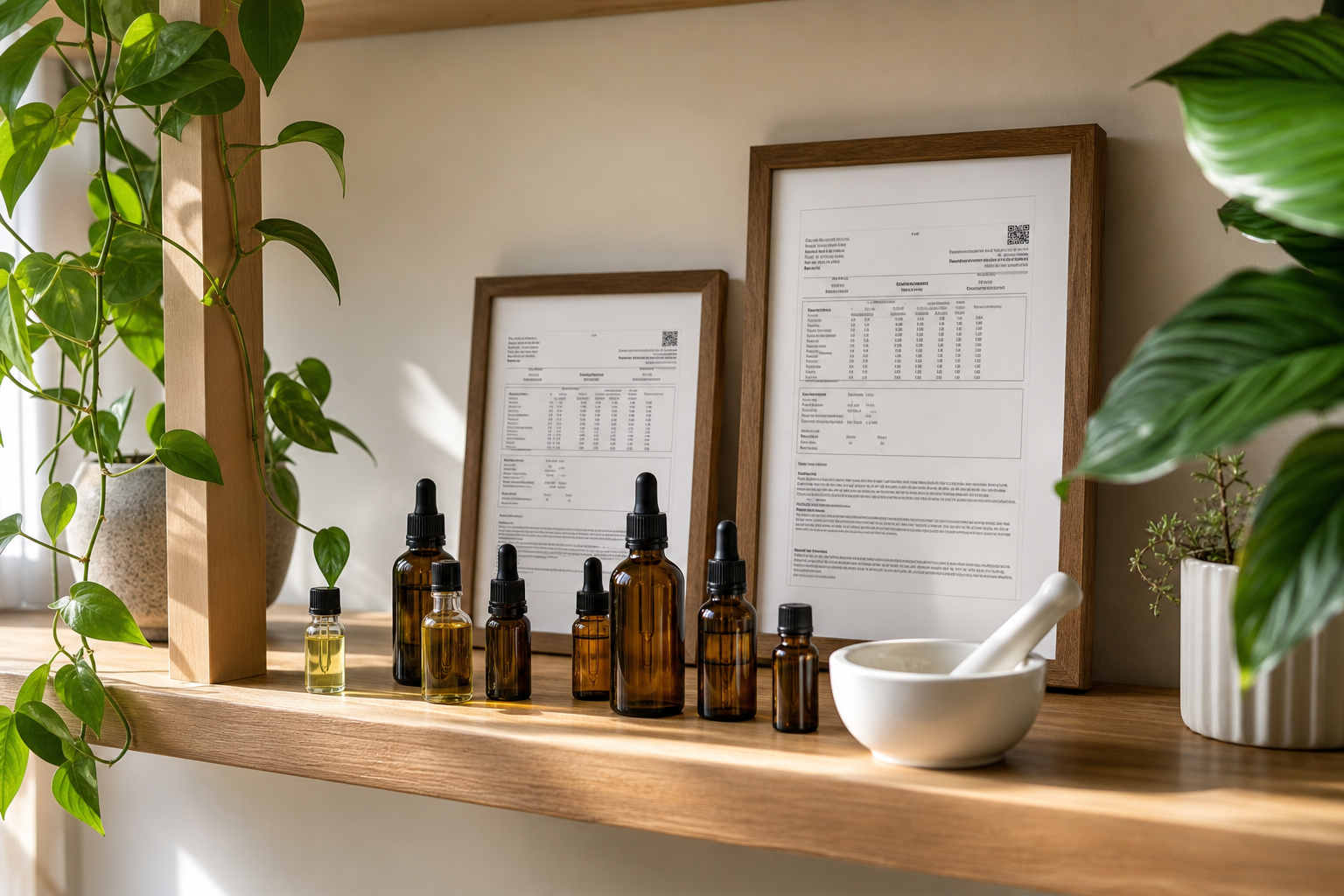
Look, if you’re considering CBD oil for joint pain and inflammation, stick with brands that provide independent lab testing (often called Certificates of Analysis). And don’t be afraid to ask questions—you deserve to know what’s going into your body.
How to Actually Use CBD for Joint Pain—The Honest Approach
I’ve found that topical CBD (creams, balms, gels) can work best for folks with pain close to the surface—knees, wrists, fingers. You rub it right where it hurts, and if it’s going to help, you usually know within an hour or two. My husband, who has stubborn thumb arthritis, swears by his evening CBD gel (he even keeps a backup tube in the truck, just in case). If you’re trying to hit multiple joints or dealing with deeper inflammation, CBD oil drops or capsules may be better—though the response is more variable.
As for dosing, start low and go slow. For oils, most folks begin with 10-20mg once or twice a day, working up gradually. For topicals, apply a small amount to the sore area and wait. Sometimes more isn’t better—honestly, a little can go a long way.
Quick tip: If you’re using a topical, apply after a warm shower (the pores open up a bit), and massage in for a full minute. I’ve found that folks who do this tend to get the most out of their products.
CBD Oil vs. Other Joint Pain Remedies: How Does It Stack Up?
Here’s where my clinical side kicks in. CBD oil is not a miracle. But for some people, it’s a helpful tool—one piece of a bigger puzzle. In my practice, I’ve seen folks get more mileage out of CBD when they combine it with proven strategies:
- Compression support: Braces or sleeves, like the Modvel Compression Knee Brace, offer real relief for swollen, unstable, or achy knees—especially during activity. Over 75,000 reviews (and my own patients’ feedback) speak to its value.
- Topical NSAIDs: Products like Voltaren Arthritis Pain Gel deliver diclofenac directly to the joint—FDA-approved, less risk than oral NSAIDs. For moderate arthritis pain, these can be true game-changers.
- Supplements: Glucosamine, chondroitin, and turmeric are still in the mix. I’ve written about the Glucosamine Chondroitin Turmeric MSM & Boswellia blend, which combines traditional joint nutrients with anti-inflammatories. For some, this combo is more potent than CBD alone.
Most honest answer? Try layering modalities. CBD may take the edge off, but joint support is a “the more, the merrier” kind of game.
What to Watch For: Red Flags and Real-World Wisdom
If you’ve made it this far, I know you’re not here for snake oil. So, a few practical things I say to every friend (and, yes, my mother-in-law):
- Check for third-party lab results. If a brand won’t provide them, walk away.
- Look for full-spectrum or broad-spectrum CBD if you want the “entourage effect.” (But avoid anything with more than 0.3% THC if you’re drug-tested at work.)
- Don’t ditch your prescribed meds without talking to your doc. I’ve seen this end badly—especially with rheumatoid or psoriatic arthritis.
- Be realistic: If your joint is visibly deformed or “locked,” see an orthopedist. CBD won’t fix severe structural damage.
- Give it 2-4 weeks for chronic pain. If there’s no change, consider something else. Don’t throw good money after bad.
And—this is unpopular, but I’ll say it—be aware of the placebo effect. Even the best products won’t work for everyone. Tracking your pain in a daily diary for two weeks can help you spot any real change.
My Take: Who Should Actually Try CBD Oil for Joint Pain?
I’ve seen the most benefit in folks with mild-to-moderate arthritis, nagging overuse injuries, or chronic swelling where standard meds don’t quite do enough (or can’t be tolerated). If you’re sensitive to NSAIDs, or you just want to try something that isn’t “another pill,” CBD oil is a reasonable experiment—especially if you keep your expectations in check.
But if you have severe, disabling pain, or sudden swelling/redness (especially with fever), don’t mess around—see your doctor. CBD is not a substitute for real medical care. And for the record: in all my years, I’ve never seen it fully replace physical therapy or the need for targeted exercise.

What the Research Still Can’t Say (But I Wish It Could)
I’ll be blunt: Until better-quality, longer-term studies come out, a lot about CBD for joint pain and inflammation is still murky. Will it work for you? Maybe. Will it reverse arthritis? No. Should you waste $100 a month on the most expensive product out there? I don’t think so.
If you want to try CBD, start simple. A reputable 300-500mg CBD oil for mild pain is enough for most people to see if it helps. Budget-friendly, third-party tested brands are your friend—don’t fall for celebrity endorsements (I’ve seen enough paid Instagram posts to last a lifetime).
And if you do notice relief—less swelling, better sleep, a little more pep in your morning step—fantastic. That’s worth something. Just know that this is one more “tool in the toolbox,” not a golden ticket.
Fresh Tips for Joint Pain (with or without CBD)
- Keep moving: Gentle range-of-motion and strength exercises are still the single most reliable way to stave off stiffness.
- Hot/cold therapy: Heating pads or ice packs can take the edge off. Sometimes I alternate both—five minutes each, back to back.
- Compression: Try a proven brace or sleeve for extra support on busy days.
- Mind your sleep: Pain is louder when you’re exhausted. Prioritize a good bedtime routine.
- Consider proven supplements: Whether it’s turmeric, glucosamine, or an MSM blend, consistent use matters more than the brand name.
Final Thoughts: From Skeptic to (Cautious) Optimist
Look, I started out pretty skeptical about CBD oil for joint pain and inflammation. I’ve seen fads come and go—magnetic bracelets, copper wraps, herbal teas that taste like lawn clippings. But CBD’s not quite like those. There’s just enough real evidence—and firsthand stories from patients I honestly trust—that I keep an open mind now.
Will it work wonders? Sometimes. Will it cure your arthritis? Not a chance. But for many people who are stuck in the “nothing else helps” club, it’s worth a thoughtful try—especially if you stick to reputable brands, combine it with practical strategies, and go in with your eyes open.
If you’re nodding along, I’d love to hear your experiences (good, bad, or in-between). Every joint pain journey is personal. And if you’re curious about more research-backed relief tips—or have a burning question—just send me a note. I’m here to help.
— Linda Hargrove, RN
20-year orthopedic nurse & pain relief columnist