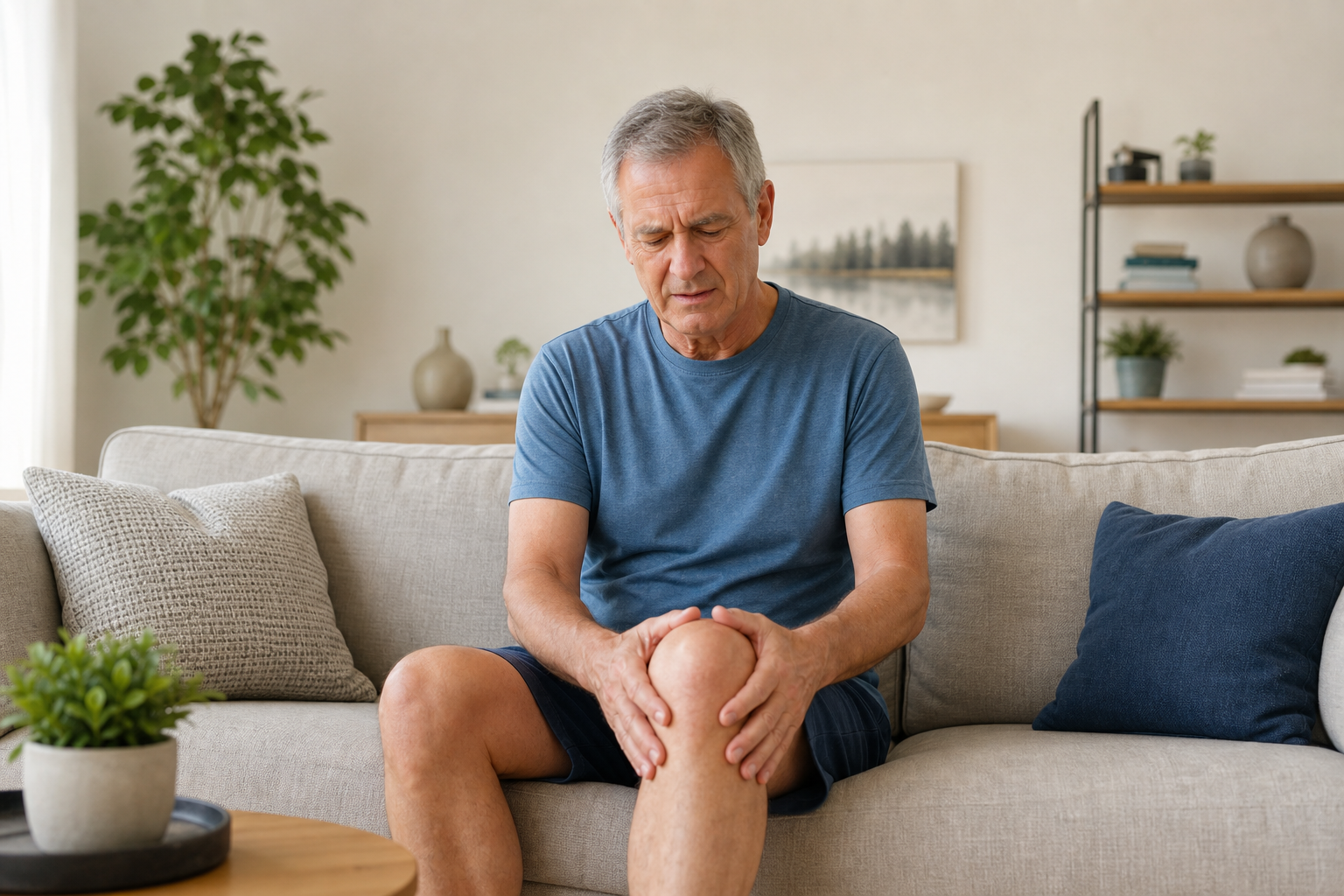
Bone on Bone Knee Pain: What No One Warns You About
I’ll never forget a phone call I got from my friend Ellen a few years ago. She’s a retired schoolteacher, stoic to a fault, but that day, she was in tears. Her orthopedist had just shown her a side-by-side x-ray of her right knee—one image from age 55, cartilage still visible, and now, at 67, it was basically bone kissing bone. You could see the literal gap had vanished. She asked me, “Karen, is there anything out there that actually helps? Or am I headed straight for surgery?”
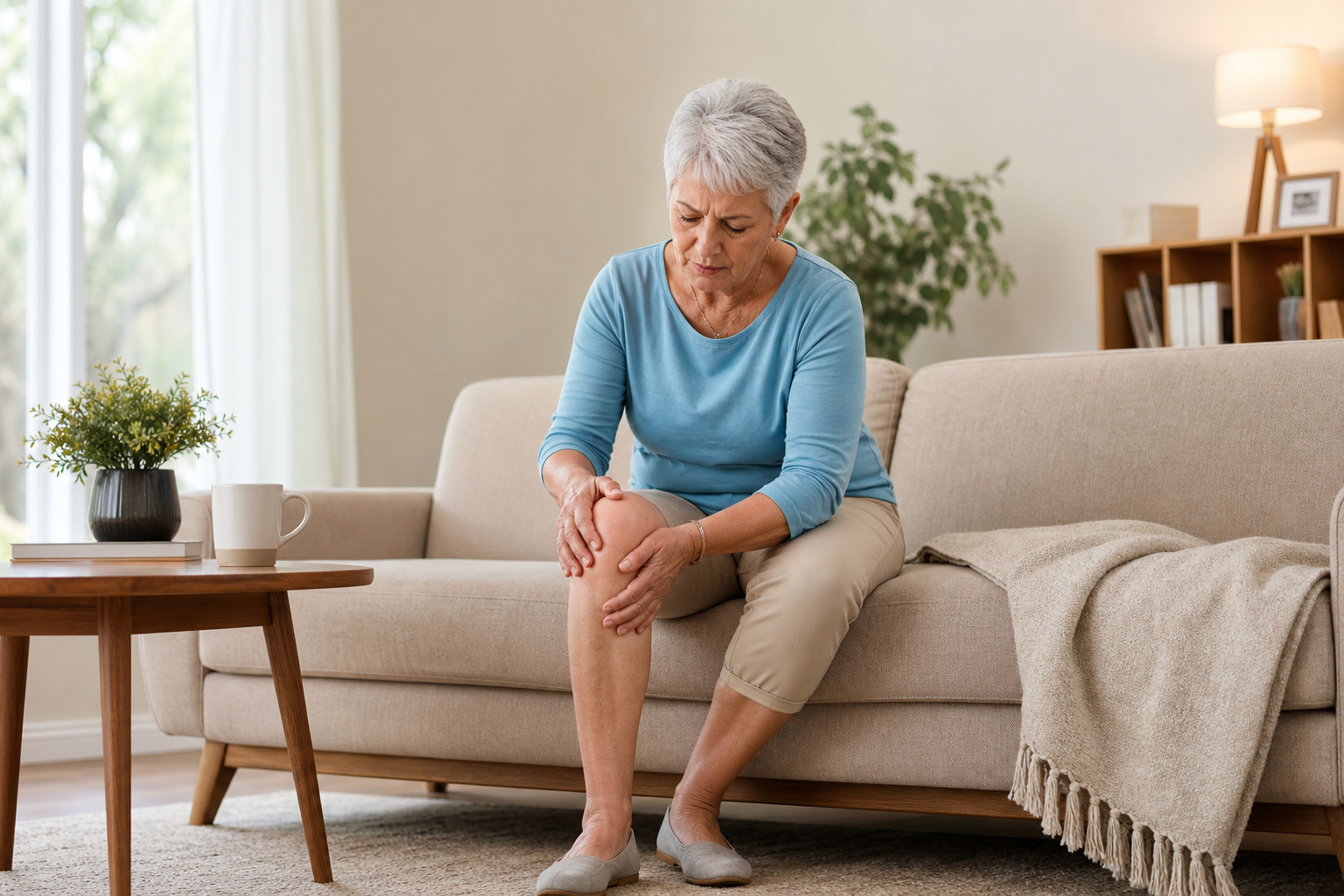
If you’re nodding along, you’re not alone. The numbers are honestly a bit staggering—about 32.5 million Americans have osteoarthritis, and the knee is the #1 joint that takes the brunt of it (CDC, 2023). But ‘bone on bone’ isn’t just a doctor’s phrase. It means that protective cartilage is so worn down, your femur and tibia are grinding together. That creates pain, swelling, stiffness, and—let’s be real—a daily struggle to do things most folks take for granted.
Why Bone on Bone Hurts So Much (And Why You’re Not Imagining It)
Here’s the thing: cartilage is a little like that rubber padding in a favorite old running shoe. Once it wears away, every step sends shockwaves directly into the bone, triggering inflammation and, over time, changes in the bone itself. The medical term for this is ‘advanced osteoarthritis’—and it’s not just “getting older.”
People write to me all the time asking, “Why does it hurt more in the morning?” or “Why does walking downhill feel impossible?” There’s actually a good explanation—overnight, joints get stiff and the lubrication (aka synovial fluid) thickens. As the day goes on, activity can warm it up, but too much movement (especially with bone on bone contact) leads to swelling and even sharper pain. And gravity? It’s not your friend. Downhill walking loads that joint more than you’d think.
So What’s Actually Happening Inside the Knee?
- Cartilage loss: This is the big one. With bone on bone, you’re down to almost zero cushioning.
- Synovial inflammation: Your body tries to protect the joint with extra fluid, which causes swelling and sometimes a “hot” knee.
- Bone spurs and joint space narrowing: Seen on x-rays. These are your body’s attempt to adapt, but they make things worse for movement.
- Muscle weakening: Pain leads to activity avoidance, which means less muscle support for the joint.
It’s a vicious cycle. And it’s not just physical—the emotional toll is real. Missing out on walks, skipping social events, bracing for pain every time you stand up. I’ve seen it in readers, in my own family, and yes, in myself (my left knee is on thin ice, so to speak).
Standard Medical Approaches (Pros, Cons, and My Honest Take)
Most doctors start with the basics: weight loss (if possible), physical therapy, NSAIDs, sometimes corticosteroid injections. Surgery—mainly total knee replacement—gets discussed when symptoms are severe and unrelenting. But here’s where things get controversial:
- NSAIDs (ibuprofen, naproxen): They work for some, but not everyone. You get GI and cardiovascular risks (BMJ, 2016). And they rarely touch severe pain when bone is actually grinding on bone.
- Steroid injections: Temporary relief (weeks to a few months at best), but repeated use may accelerate cartilage breakdown (Journal of Rheumatology, 2019).
- Hyaluronic acid (“gel shots”): Mixed evidence. Large 2022 meta-analysis in Arthritis & Rheumatology showed modest short-term pain relief, but not a game-changer for most with severe OA.
- Knee replacement: The gold standard for unmanageable pain—but it’s major surgery, with real recovery time and risks. And let’s not sugarcoat it: Not everyone is a candidate, or wants to go that route.
I know this is unpopular, but I wish more doctors truly partnered with patients to explore everything between “take more Advil” and “see you in the OR.” There are valid reasons to try conservative options first—especially if you’re nervous about surgery or have health conditions that make it high risk. And yes, some people manage for years without the scalpel.
The Science on Non-Surgical Knee Pain Relief: What’s Worth Trying?
Here’s where it gets interesting. In the last decade, researchers have started focusing on what actually helps people function better and feel less pain—even when cartilage is mostly gone. The answer? It’s a mix of movement, support, and sometimes targeted medications.
1. Structured Exercise (Even With Bone on Bone)
I’ll be honest: exercise scared me when my own knee started barking. But movement is medicine—if it’s the right kind. Multiple randomized controlled trials (see: Cochrane Review, 2015) show that targeted strengthening of the quadriceps, hamstrings, and hips reduces pain and boosts function, even for people with severe OA.
One of my favorite practical guides is Treat Your Own Knees by Jim Johnson. It’s less than $12, written in plain language, and every exercise is drawn out so you’re never left guessing. I gave a copy to my mother-in-law after her diagnosis, and she swears the mini-squat and seated leg raise routines are why she still walks the neighborhood every morning. (Of course, check with your doctor or physical therapist before starting a new exercise plan—especially if pain is severe. This is one spot where a personal touch can make or break your progress.)
2. Bracing and External Support
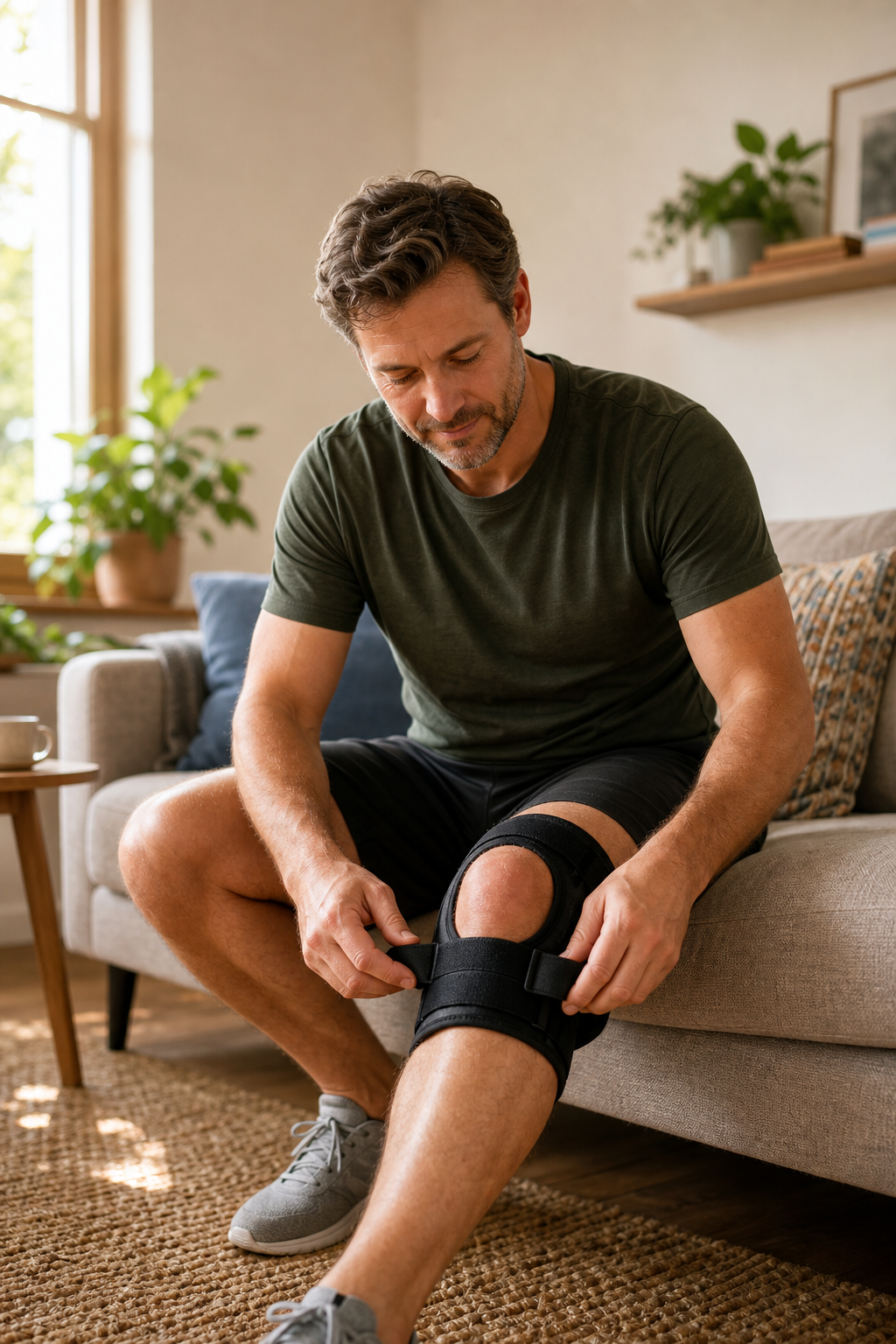
Not gonna lie, I was a brace skeptic. But after writing about joint supports for nearly twenty years, the data changed my mind. A 2021 study in the Journal of Orthopaedic Research found that people with bone on bone OA who wore a compression knee sleeve had a 30% reduction in pain during walking compared to placebo. The trick? It needs to fit well, breathe, and stay put.
- Modvel Compression Knee Brace: This is the pair I recommend most often. Over 75,000 reviews, genuinely affordable ($15 for a pair), and the anti-slip silicone strips mean you’re not stopping every five minutes to yank it back up. People use them for daily walks, stairs, even light housework.
- If you need more structure—say, your knee feels wobbly or ‘gives out’—a brace with side stabilizers and a patella gel pad can be the next step. The NEENCA Professional Knee Brace has those features and is adjustable, which is a lifesaver for swelling that waxes and wanes.
I’ve tried both types. On tougher days, the extra structure really does keep my knee tracking better. But even a simple sleeve is miles better than nothing.
3. Topical Pain Relief—Does It Work?
Most articles gloss over topical options, but I get a steady stream of reader emails asking, “Is there anything besides Tylenol or ibuprofen?” That’s where Voltaren Arthritis Pain Gel comes in. It contains diclofenac sodium, an anti-inflammatory that’s FDA-approved for arthritis—and in a 2020 study published in the NEJM, it outperformed placebo gel for knee OA pain over 12 weeks. The best part? You can use it right where it hurts, and it’s available without a prescription.
The main catch: it’s not a cure, and for bone on bone pain, you may need to layer it with other therapies. But for many, it’s enough to get through a grocery trip or tackle stairs without cursing the entire way up.
4. Heat, Cold, and Other Home Remedies
Heat is my personal go-to for morning stiffness. An extra-large heating pad (like the Pure Enrichment PureRelief XL) delivers moist heat that penetrates deep—think 15 to 20 minutes before you get going. Cold packs help tame swelling if your knee balloons after activity. There’s no one-size-fits-all here, but alternating heat and cold is a safe, side-effect-free option for most. (Always use a barrier—a towel—to protect your skin.)
Movement Matters: Why Rest Isn’t the Answer
Here’s a hard truth: total rest makes knees worse. I know, it’s counter-intuitive. But the less you use a joint, the weaker the surrounding muscles get, and the tighter your tendons become. The result? More pain, less stability, higher risk of falls. Gentle walking, stationary cycling, or water aerobics are all safe bets. Even if you can only manage 10 minutes, it’s worth it. Track your progress, and celebrate any gain—those little victories add up.
Weight Management—Even a Few Pounds Matter
No surprise here, but it’s worth repeating: every pound lost takes about four pounds of pressure off the knee joint with each step (Arthritis & Rheumatology, 2005). I know weight loss isn’t simple, especially when you’re battling pain, but even 5-10 pounds can make a real difference.
Pain Psychology and Mind-Body Options
This is the “missing piece” that gets overlooked. The pain-brain connection is real—chronic knee pain can make you anxious, depressed, and hyper-focused on every twinge. Mindfulness, relaxation techniques, and even cognitive behavioral therapy (CBT) are proven to help people cope (Journal of Pain, 2017). I’ve recommended meditation apps and gentle yoga to countless readers—sometimes it’s about managing the experience of pain, not just the physical process.
Supplements and Injections: Are They Worth the Hype?
I get asked about glucosamine, chondroitin, turmeric, CBD creams, and even stem cell injections all the time. Here’s my no-nonsense take:
- Glucosamine/chondroitin: Large 2010 NIH-funded trial showed no significant benefit for severe OA, especially not for bone on bone (New England Journal of Medicine).
- Turmeric/curcumin: Modest pain relief in mild-to-moderate OA. Not a heavy hitter for advanced disease.
- Stem cell/PRP injections: Exciting but still experimental, expensive, and not covered by insurance. Results are mixed, according to a 2022 BMJ review. Proceed with caution (and skepticism).
If you’re curious about a supplement, talk to your doctor or pharmacist first—there are interactions and risks they don’t mention on the bottle. Most aren’t miracle cures, but some people do get mild symptom relief.
The Surgical Question: When Is It Time?
Sometimes, even the best conservative options stop working. If you’re losing sleep, can’t walk a block, or your quality of life is taking a nosedive, it’s time to talk joint replacement. Total knee arthroplasty is one of the most successful surgeries in medicine, with over 90% of patients reporting major pain relief (Lancet, 2020). But it comes with recovery time, possible complications, and a “replacement” doesn’t mean you can run marathons. Talk with an orthopedic surgeon you trust, and ask about timing—sometimes waiting too long makes recovery tougher.
Real-World Takeaways (From Someone Who’s Been There)
- Exercise (done right) is your strongest “medicine”—build muscle, build resilience.
- Try a high-quality brace for support during activity. It’s a low-risk, high-upside experiment.
- Use topical anti-inflammatories for spot relief. They won’t cure, but they help you move.
- Layer in heat (or cold) to manage flares. It’s old-school, but it works.
- Don’t be afraid to ask for help—from a PT, a pain psychologist, or yes, a surgeon.
If you’re overwhelmed, start with one small change this week. Maybe it’s a 5-minute walk, or trying Voltaren gel, or ordering Treat Your Own Knees and seeing which exercises feel doable. Progress isn’t linear, and setbacks are part of the ride. The goal is less pain, more life—not perfection.
If you have a question, drop me a note—I read every message, and there’s nothing I haven’t heard before. Be gentle on yourself, and keep moving (literally and figuratively). You’ve got this.
—Karen Whitfield, health journalist, knee pain survivor, and proud daughter-in-law of a woman with two steel knees.