
The Best Foods for Joint Health and Cartilage Repair: What Really Works (and What Doesn’t)
Here’s a quick confession: The first time a patient asked me if eating pineapple would heal her bad knees, I froze. This was years ago—back when I was clocking 12-hour shifts on the ortho floor and thought nutrition was mostly about carbs and protein shakes. But the questions kept coming. “Should I drink bone broth? Does turmeric really work? Is there a list of foods for cartilage repair?” More and more, I realized: people are desperate for answers—and the internet is not making it easier.

Look, Joint Pain Is More Than Just an Annoyance
If you wake up with stiff knees or your wrists crackle every time you open a jar, I get it. For some, it’s a dull ache that makes gardening less fun. For others—like a reader who emailed me last month—it’s bone-on-bone agony that turns grocery shopping into a marathon. We don’t talk enough about how everyday pain can chip away at your quality of life. And the worst part? So much advice out there is either generic (“eat more veggies!”) or just plain wrong.
Here’s the thing: Food isn’t a magic bullet. But what you eat can absolutely make a difference. There’s real science showing certain foods (and combinations) reduce inflammation, support cartilage, and maybe even slow joint degeneration. I’ve watched patients try everything, from celery juice cleanses to outrageously expensive supplements. Some fads fade for a reason. Others—especially the ones rooted in real clinical research—are worth your time.
How Food Affects Joints and Cartilage: The Basics
Let’s break down how this actually works, without the textbook jargon. Your joints are living, dynamic tissues. Cartilage—the stuff that cushions your bones—doesn’t have its own blood supply, so it relies on nutrients from surrounding fluid. If that fluid is full of damaging molecules (thanks, chronic inflammation), the repair process gets sluggish. Cue: pain, swelling, creaks, and joint breakdown.
There are two main goals when it comes to diet and joint health:
- Reduce chronic inflammation (the sneaky type that smolders quietly for years).
- Support the building blocks for cartilage and joint tissue repair—think collagen, glycosaminoglycans, and key minerals.
It’s not about single “miracle” foods. It’s about patterns. But, yes, certain foods and nutrients have more evidence behind them than others. I’ll walk you through the latest research, then share a few honest product picks my own family relies on.
The All-Star List: Best Foods for Joint Health and Cartilage Repair
1. Fatty Fish (Salmon, Sardines, Mackerel)
If I could get every joint patient to start with one thing, it’d be adding fish twice a week. Omega-3s (especially EPA and DHA) have some of the strongest anti-inflammatory evidence out there. A 2017 review in Rheumatology International found that omega-3 supplementation reduced joint swelling and tenderness in people with rheumatoid arthritis by up to 25%. Real food sources—wild salmon, sardines, even canned mackerel—pack a bigger punch than fish oil pills, in my opinion.
2. Colorful Berries (Blueberries, Strawberries, Blackberries)
Berries are loaded with anthocyanins—a fancy name for the compounds that give them those wild colors. Studies (like the 2018 one in Arthritis & Rheumatology) show that these antioxidants may lower markers of inflammation and help slow cartilage breakdown, at least in early osteoarthritis. I remember when my mother-in-law begrudgingly swapped her nightly ice cream for a bowl of frozen blueberries. She’s still skeptical, but her swollen fingers are less red these days.
3. Leafy Greens (Spinach, Kale, Swiss Chard)
Yes, the cliché is true—greens matter. They’re packed with vitamin K (crucial for bone and cartilage proteins), magnesium, and antioxidants. Not gonna lie, most folks I meet aren’t eating enough of these. I nudge my patients to toss a handful of spinach into eggs, smoothies, or even soup. The Journal of Nutrition ran a study in 2020 linking higher vitamin K intake to slower cartilage loss in knees, especially in people over 60.
4. Nuts and Seeds (Walnuts, Chia, Flaxseed)
Walnuts, in particular, are loaded with alpha-linolenic acid (ALA), a plant-based omega-3. Sprinkle ground flaxseed on oatmeal, or keep a bag of walnuts in the car for snacking. These don’t work overnight, but people who eat more nuts tend to have less joint pain over time (according to the 2019 BMJ meta-analysis—yes, I’m a data nerd).
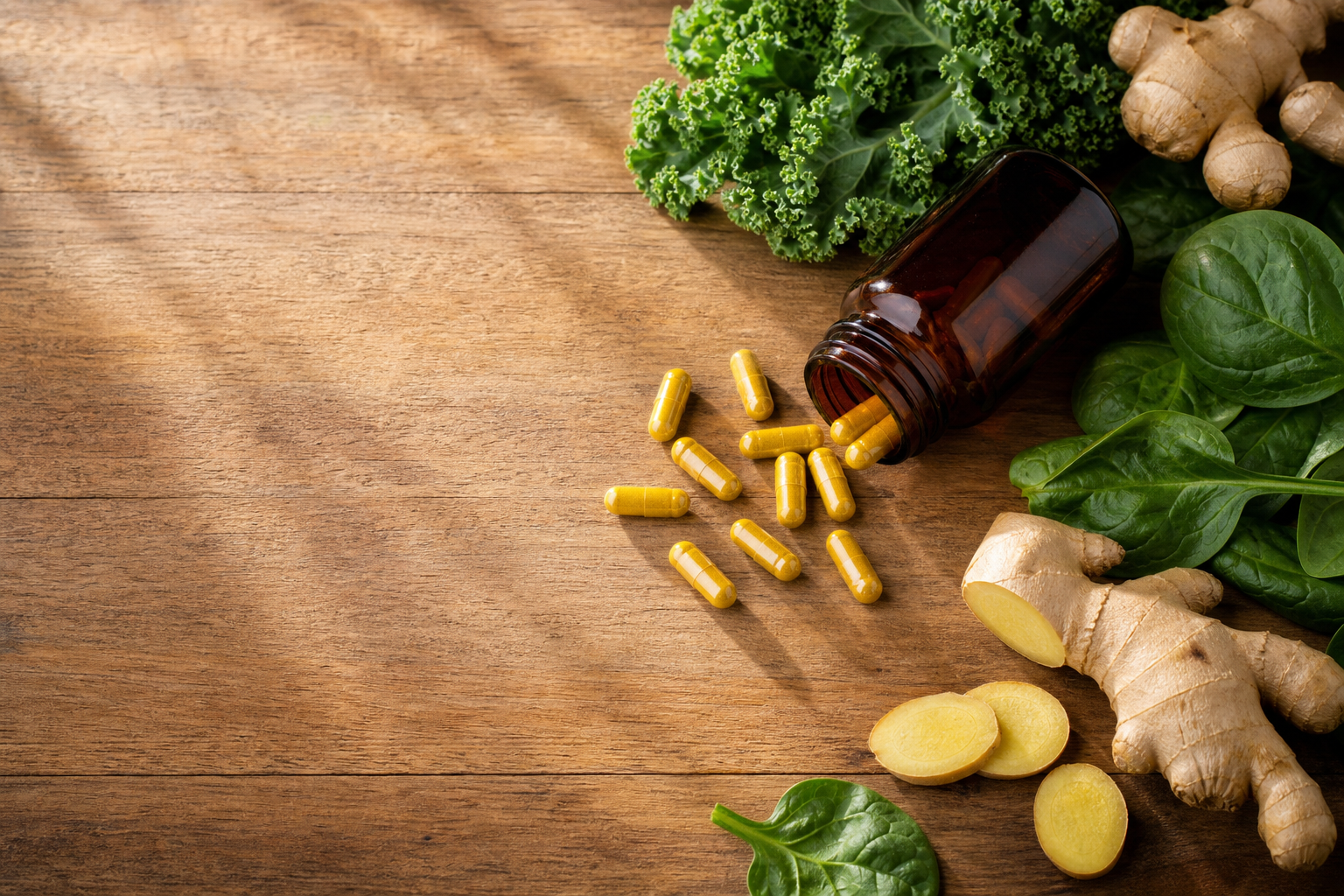
5. Turmeric and Ginger
Turmeric’s main claim to fame is curcumin, an anti-inflammatory powerhouse. The evidence is getting almost impossible to ignore. A 2016 randomized trial in Phytotherapy Research showed curcumin supplements reduced knee pain as well as ibuprofen—without the stomach side effects. Ginger works in a similar way, but you need a fair amount (think fresh ginger shots or strong teas) to get the real benefit.
6. Bone Broth and Collagen
This one’s a little controversial. Bone broth is trendy, but the research is mixed. Some small studies (like the 2018 pilot in Nutrition Journal) show that collagen peptides can help with pain and function in folks with osteoarthritis—especially when combined with exercise. The real kicker is dosage: you usually need 5-10g hydrolyzed collagen daily, which is more than you’ll get from sipping a single mug of broth. Still, a lot of my patients find it comforting, and it’s a good protein source.
What About Supplements? Here’s Where It Gets Interesting
I know this is unpopular, but some people need more than food alone. Especially if you’re past 50, and cartilage repair is sluggish. The most common question I hear is, "Should I take glucosamine or chondroitin?" Here’s my take, after reviewing about 30 joint supplements and talking with hundreds of patients:
- Glucosamine sulfate (1500mg/day) has mild-to-moderate benefits for knee osteoarthritis—especially in higher-quality (USP-verified) brands. Chondroitin may help some, but results are mixed.
- Turmeric and MSM are showing more promise, especially for people who can’t take NSAIDs.
If you want a supplement that covers all the major bases—and isn’t loaded with junk—I often mention Vimerson Health Glucosamine Chondroitin Turmeric MSM & Boswellia. It’s affordable, has over 43,000 positive reviews, and checks my "nurse picky box" for ingredient transparency. But talk to your doctor before starting anything new, especially if you’re on blood thinners or have chronic conditions.
What to Avoid (Sorry, But This Matters)
Some foods aren’t just "not helpful"—they can actively aggravate joint pain. I’ve seen more than a few patients notice big improvements just by making these swaps:
- Ultra-processed foods (chips, sugary snacks, store-bought pastries) spike inflammation.
- High-sugar drinks (sodas, sweetened teas) can worsen swelling and fatigue.
- Red meat and fried foods—in excess—have been linked to higher inflammatory markers, according to the American Journal of Clinical Nutrition.
Look, no one’s saying you have to eat "perfectly." But if you’re eating fast food daily, even small upgrades (like swapping soda for water, or adding a side salad) can start to tip the inflammation scales your way.
Putting It All Together: A Joint-Friendly Day on a Plate
People always want a done-for-you plan, so here’s what I actually suggest (and sometimes eat myself):
- Breakfast: Oatmeal with ground flaxseed, walnuts, and a fistful of blueberries.
- Lunch: Wild salmon salad with kale, cherry tomatoes, and a simple olive oil/lemon dressing.
- Snack: A small handful of almonds or a banana with peanut butter.
- Dinner: Roasted chicken or chickpea stew, sautéed spinach, and a side of quinoa.
- Extras: Ginger tea, occasional turmeric supplement, and a daily walk (yes, movement matters as much as food).
And—if you’re in a flare, or just need extra support—a product like Vimerson Health Glucosamine Chondroitin Turmeric MSM & Boswellia (taken with food!) can fill in some gaps. I’ll be honest: my husband swears it helps his knees, but my own results were more subtle. Everyone’s body is different.
Not Just What You Eat—But How You Live
One of the biggest myths (and I wish more articles said this): food alone usually isn’t enough if you’re dealing with moderate-to-severe joint pain. Movement, weight management, sleep, and stress all play massive roles. I’ve seen patients transform their pain with a mix of gentle stretching, losing even 5-10 pounds, and dialing back the night-time snacking.
For those who need extra TLC during a bad flare or after a tough workout, heat therapy is shockingly effective. I use a Pure Enrichment PureRelief XL Heating Pad—extra-large, with a moist heat setting and auto shut-off. It covers both knees at once, which is a game-changer for multi-joint pain. Just don’t overdo the heat or use it on new injuries. (Again, check with your doc if you’re unsure!)

How Does All This Stack Up Against the Myths?
Let’s clear the air on a few persistent rumors:
- Bone broth alone won’t "rebuild" cartilage. It can help, but the dosage matters—and so does getting enough vitamin C and protein overall.
- No single "superfood" can fix worn joints overnight. The real magic is in consistent, healthy patterns over months (not days).
- Supplements are just that—supplementary. Food and lifestyle still come first.
If you’re nodding along, you’re not alone. Most of us want simple answers, but biology is stubbornly complex. That said, little daily choices—like a handful of berries, an extra serving of greens, or a daily walk—really do add up.
Takeaways: What I Tell My Own Family
Here’s the advice that’s stood the test of time (and dozens of patient stories):
- Eat a variety of anti-inflammatory foods, especially fatty fish, berries, greens, nuts, and turmeric.
- Limit ultra-processed foods and excess sugar—they’re inflammation’s best friend.
- Supplements like Vimerson Health Glucosamine Chondroitin Turmeric MSM & Boswellia can help, especially as we age, but always check with your doctor first.
- During flares, don’t underestimate the power of a great heating pad and gentle movement.
Most importantly? Be patient with yourself. Real change isn’t about perfection—it’s about making a few better choices, most days of the week. If you have a favorite recipe or a “joint food” that genuinely helps you, email me. I read every story, and sometimes your tips work better than any textbook ever could.
Stay curious, stay kind to your body, and—if you’re in pain tonight—know you’re not alone. Here’s hoping your next grocery trip includes something delicious and joint-friendly.
Linda Hargrove, RN
Orthopedic Nurse. Health Writer. Joint Pain Advocate.