The Foods Nobody Tells You About for Joint Health (and the Surprising Ones That Work)
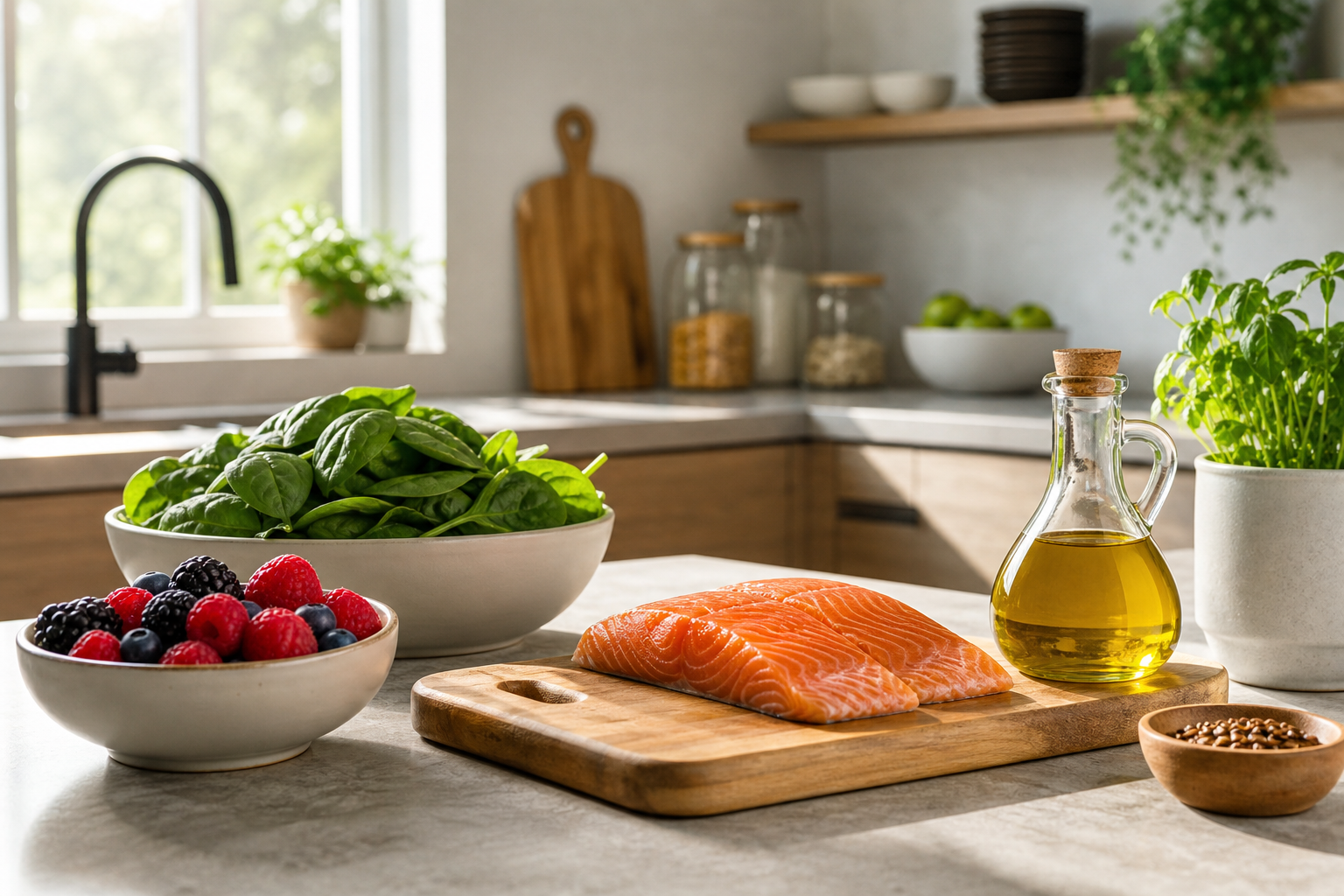
Last Thanksgiving, my neighbor Tom cornered me by the mashed potatoes. He rubbed his right knee, winced, and whispered, “James, what do I actually eat to help these old joints? Don’t say kale.” At first, I laughed. But after two decades in exercise science, I get the question constantly—and I know the frustration behind it. You want food to do some of the heavy lifting for your joint pain, not just endless supplement ads or another doctor’s warning that starts and ends with 'weight loss.' You want food that works, not just another bowl of trendy berries.
Why Food Matters More Than Most Articles Say
Look, I know this is controversial—especially coming from a guy who’s trained collegiate athletes and worked with arthritis support groups. But food (yes, everyday food) can move the needle for joint pain and cartilage health. Not as a magic fix. Not overnight. But over time? The data is there. A 2018 study in Arthritis & Rheumatology found that a Mediterranean-style diet reduced pain and improved mobility in knee osteoarthritis patients by up to 25% over 12 months. That’s not just a salad on Instagram. That’s real, measured relief.
So, what are the MVP foods for joint health and cartilage repair? And where do supplements fit in—if at all? Let’s get into the specifics (and skip the fluff).
The Science: How Food Impacts Your Joints and Cartilage
If your joints creak like my old office chair, here’s the basic science: Cartilage is about 65-80% water, soaked with a matrix of collagen, proteoglycans, and a handful of essential nutrients. What you eat can either help rebuild those components—or feed silent inflammation that chews them up.
Let’s break down the main ways food works:
- Anti-inflammatory effects: Some foods (think: fatty fish, berries, olive oil) actively tamp down the inflammatory messengers that make joints ache. Chronic inflammation is a major driver of cartilage breakdown (see BMJ 2020 review).
- Building blocks: You need the raw ingredients for cartilage—amino acids from collagen, vitamin C for synthesis, certain minerals, and specific fats.
- Gut-joint connection: Here’s where it gets interesting: A balanced gut microbiome can reduce systemic inflammation, and certain foods (like fiber-rich veggies, yogurt) support that.
It’s not just calories or weight. It’s about providing what your cartilage needs, while dialing down what makes them worse. If you’re nodding along, you’re already ahead of half the folks still popping extra Tylenol daily.
The Best Foods for Joint Health—and Why
Fatty Fish (Salmon, Mackerel, Sardines)
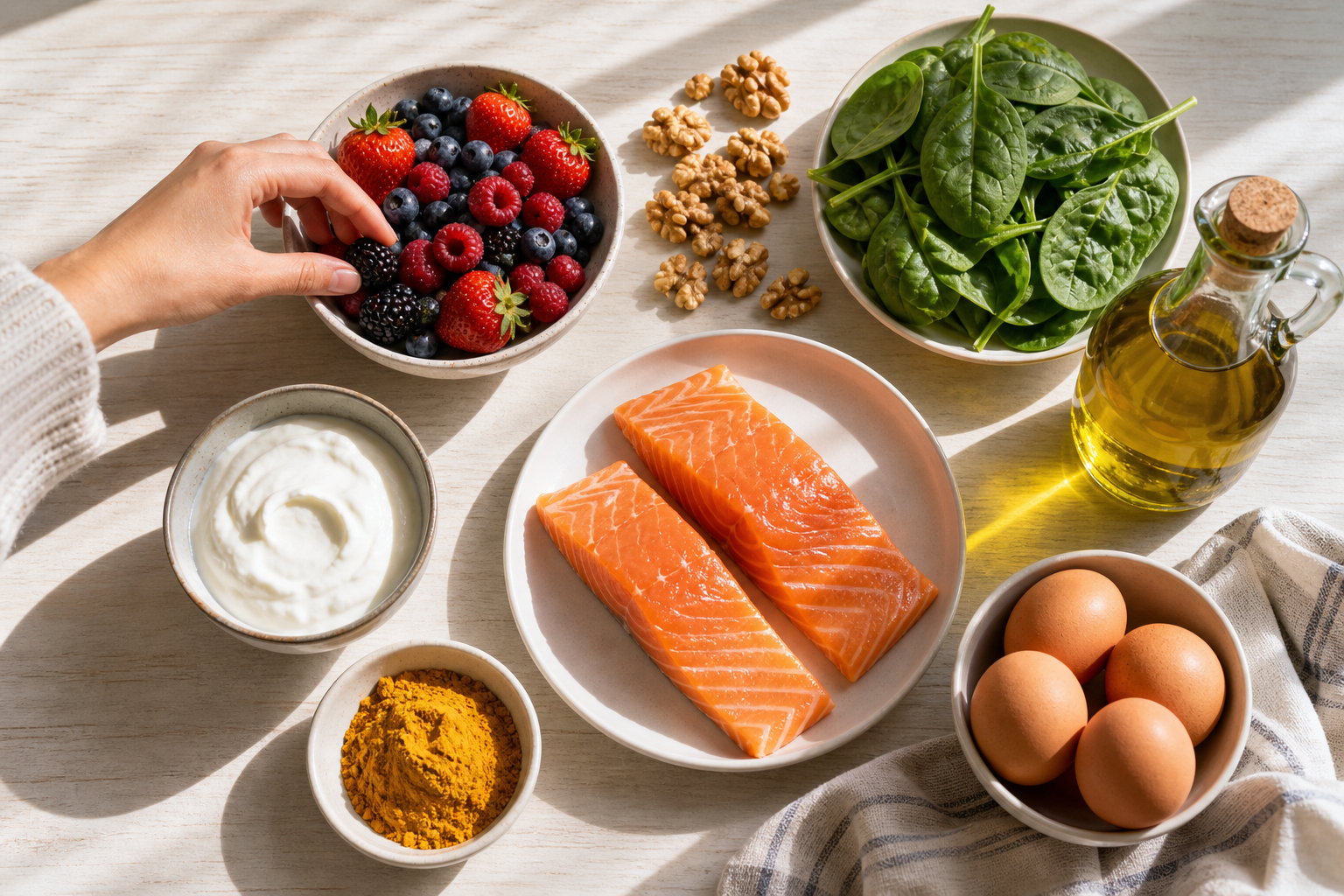
This isn’t a trendy omega-3 plug. The Journal of Rheumatology published a study in 2017 showing that people who ate the equivalent of two servings of oily fish per week had less cartilage loss and milder knee pain than those getting less. The key? EPA and DHA—omega-3s that actively suppress joint inflammation.
Pro tip: Not a fan of fish? Walnuts, flaxseed, and chia provide ALA (a plant omega-3), but it’s not as powerful for joints. I still recommend shooting for at least one fish meal a week—or consider a high-quality omega-3 supplement if your doctor is on board.
Turmeric and Curcumin
I’ll be honest—I was a turmeric skeptic. But there are now over 40 clinical trials showing curcumin (the active component in turmeric) modestly reduces pain and swelling in osteoarthritis (Phytotherapy Research, 2016). Add it to soups, eggs, or even smoothies. Don’t expect miracles, but it’s a legit anti-inflammatory boost—especially combined with black pepper (which increases absorption).
Leafy Greens (Spinach, Kale, Swiss Chard)
Yeah, I know. But the vitamin K, vitamin C, and antioxidants in greens help your body manufacture and protect cartilage. Vitamin C, for example, is essential for collagen synthesis—a cornerstone of cartilage. A 2019 Australian study found people with the highest vitamin C intake had 33% less progression of knee osteoarthritis. Don’t skip your greens, even if Tom still picks them out of his omelet.
Berries and Cherries
Blueberries, strawberries, tart cherries—they all pack anthocyanins and vitamin C. Multiple studies (including a 2013 Osteoarthritis and Cartilage trial) found tart cherry juice reduced joint pain and lowered inflammatory markers. I tell clients to aim for a cup of berries (fresh or frozen) most days. Not just for the antioxidants; the fiber also feeds your gut microbiome, which plays a surprise role in joint inflammation.
Olive Oil (Extra-Virgin)
Here’s the sneaky one most folks overlook. Olive oil contains oleocanthal, a compound that acts similarly to ibuprofen at the cellular level. A 2014 trial in Current Rheumatology Reviews linked regular olive oil consumption to lower inflammation and better joint comfort. Use it as your main cooking oil, or drizzle it over veggies—skip the margarine, which offers none of these perks.
Nuts and Seeds
Walnuts, almonds, pumpkin seeds—take your pick. They provide healthy fats (especially omega-3s in walnuts), vitamin E, and magnesium, all tied to joint health. A handful a day can help—just watch the portions if you’re tracking calories.
Bone Broth and Collagen-Rich Foods
Okay, the bone broth craze is half science, half hype. But there’s a kernel of truth: Bone broth and collagen powders provide hydrolyzed collagen peptides—amino acids your body can use to repair cartilage. A 2018 Nutrition Journal review found that 10g daily of collagen hydrolysate may improve joint pain over 12-24 weeks. Homemade broth, slow-cooked meats, or (if you’re game) a collagen supplement can all help fill this gap.
Eggs
Eggs are a surprisingly potent source of sulfur (key for cartilage structure) and choline (important for cell repair). Unless you have a medical reason to avoid them, a few eggs a week fit nicely into a joint-friendly plan.
Yogurt and Fermented Foods
Remember the gut-joint connection? Probiotics and fermented foods like yogurt, kefir, kimchi, and sauerkraut may reduce joint swelling by dialing down systemic inflammation. The research is young, but a 2021 Frontiers in Immunology study found improved joint function in people adding more fermented foods to their diet.
What About Supplements?
Real talk: Most people don’t get enough joint-friendly nutrients from food alone—especially as we age. That’s where a comprehensive supplement can fill the gaps. If you’re looking for a solid all-in-one, I like Vimerson Health’s Glucosamine Chondroitin Turmeric MSM & Boswellia. It covers all the key building blocks: glucosamine (1,500mg), chondroitin (1,200mg), turmeric, MSM, and boswellia. Over 43,000 reviewers can’t all be wrong. But as always—talk to your doctor before adding new supplements, especially if you’re on blood thinners or other prescriptions.

What to Avoid: Foods That Wreck Your Joints
This part is less fun, but necessary. The same foods that drive heart disease and diabetes will also stir up joint pain and slow cartilage repair. Here’s the shortlist I tell every new client:
- Processed sugars: Soda, candy, sweetened cereals—they spike inflammation. One 2017 BMJ study tied sugary drinks to increased arthritis risk in women.
- Refined carbs: White bread, pastries, excess pasta. They stoke inflammation and add to weight gain—both bad for knees and hips.
- Trans fats: Read labels for “partially hydrogenated”—that’s a dead giveaway. Trans fats are linked to worsening arthritis symptoms.
- Excess omega-6 fats: Corn oil, soybean oil, most processed snacks. These tip the body’s fatty acid balance toward inflammation.
I’m not saying you have to eat perfect. But swapping out soda for water or olive oil for vegetable oil can make a bigger difference than most people realize.
Beyond Diet: The Real-World Tricks That Help Joint Pain
Here’s the thing: Food is medicine, but it’s not the only player. Movement, weight management, and targeted support can supercharge your results. When diet alone isn’t enough, these tricks are game-changers:
- Compression and support: On my own rough days (or when my clients hit a workout plateau), I recommend the Modvel Compression Knee Brace. It’s affordable, well-reviewed, and genuinely helps stabilize the joint during exercise or chores. One reader told me she wears them just for grocery shopping—they keep her pain manageable.
- Heat therapy: Nothing soothes stiff joints quite like consistent, gentle heat. The Pure Enrichment PureRelief XL Heating Pad is my go-to for its sheer surface area and adjustable warmth. Pairing a hot pad session with gentle stretching can make a world of difference.
These extras won’t replace healthy eating, but they mesh perfectly with a joint-friendly food plan. Again: ask your physical therapist or MD how to blend them into your routine safely.
What I Tell My Clients (and My Own Family)
I’ll leave you with this: Consistency beats perfection. My mother-in-law, who once swore off all “health food,” now puts spinach in her morning eggs and sprinkles turmeric in her soup. It didn’t reverse her arthritis, but her knee pain is half what it was—and she’s back to daily walks. A registered dietitian friend of mine likes to say, “Every bite is a brick in your foundation.” Corny, maybe. True? Absolutely.
Start by adding one of the above foods to your routine. Build from there. And if you’re stuck, get professional help—a registered dietitian, a good PT, a primary care doc who actually listens. Supplements, braces, and heating pads can help, but food is always your foundation.
Bottom Line: Food for Joints Really Works, But Only If You Make It a Habit
If you’ve read this far, you’re probably already halfway to a better joint routine. Swap in fish or berries, go easy on the sugar, try a supplement if you need a boost (with medical guidance), and don’t shy away from kitchen experiments. Science—and a lot of happy joints—say it’s worth the effort.
Questions? Drop me a note. Or share your success stories—I learn as much from my readers as I do from the latest journal article.
About the author:
James Chen, MS, CSCS, is a strength coach and exercise scientist specializing in evidence-based joint health and mobility for adults over 50. He writes for JointReliefReviews.com and still makes his family eat spinach.