
Best Foods for Joint Health and Cartilage Repair: What Actually Moves the Needle?
My patient, Lois, called me in tears last year. She’s 68, a retired nurse, and her knees were screaming every time she tried to garden. She’d tried everything—NSAIDs, knee sleeves, even giving up tennis (her pride and joy). “Sarah, is there really anything I can eat that will help?” she asked. And here’s the kicker: Lois is far from alone.
If you’re reading this while shifting in your chair, wincing at that familiar ache in your knee, you get it. Joint pain is stubborn. Cartilage repair? Even trickier. But here’s the thing—I don’t want to sell you magical thinking. I want to show you what actually works, where the research stands, and what you can (and can’t) expect from your next trip to the grocery store.
Why Do Joints Hurt—and Can Food Really Help?
Let’s cut through the noise. Most people associate joint pain with getting older, but the truth is a lot messier. Genetics, old injuries, inflammation, and everyday wear and tear (especially if you’re carrying a few extra pounds—I see you, and I’ve been there too) all play a role. Cartilage is that tough, flexible tissue cushioning your bones. When it breaks down, bone rubs on bone. That’s osteoarthritis, and it can feel like sandpaper with every step.
So, can food really help rebuild cartilage? If someone tells you “yes, eat X and your knees will be brand new”—run the other way. But there’s plenty of strong research that certain nutrients support joint health, reduce inflammation, and may help protect what cartilage you’ve got left. I’ve seen patients—especially those who were consistent—literally move better when they got serious about diet.
The Science: What Your Cartilage Actually Needs
Joint cartilage is mostly made up of collagen, water, and proteoglycans (think of them as little sponges trapping moisture). Healthy cartilage is shock-absorbent, smooth, and flexible. When it’s damaged, it doesn’t heal easily—cartilage has almost no blood supply. But here’s where it gets interesting: the nutrients you eat can fuel your body’s repair systems and influence joint inflammation.
- Collagen peptides: Collagen is literally the backbone of cartilage. Small clinical trials (see: Journal of Agricultural and Food Chemistry, 2017) suggest 10g/day hydrolyzed collagen supplements may support joint comfort. But foods like bone broth and slow-cooked meats have been used for centuries for a reason.
- Omega-3 fatty acids: These are anti-inflammatory powerhouses. Salmon, sardines, walnuts, and flaxseed are your best bet. In a 2020 Arthritis & Rheumatology meta-analysis, omega-3s reduced knee pain by up to 20% in people with arthritis.
- Vitamin C: Your body needs this to make collagen. Strawberries, bell peppers, and broccoli punch way above their weight here.
- Antioxidants: Free radicals (those little troublemakers) can damage cartilage. Berries, kale, spinach, and red cabbage are loaded with antioxidants like anthocyanins and vitamins E and C.
- Amino acids (proline, glycine): Found in chicken, eggs, dairy, and legumes—these are the building blocks for new cartilage and joint tissue.
And don’t neglect the basics: hydration (your cartilage is 70-80% water), protein (for repair), and a healthy gut (more on that below).
Best Foods for Joint Health and Cartilage Repair: My Honest List
Some foods are absolute game-changers for joint health. Others? Overhyped. Here’s what I recommend to my own family members (and yes, my husband is a lifelong runner with the knees to prove it):
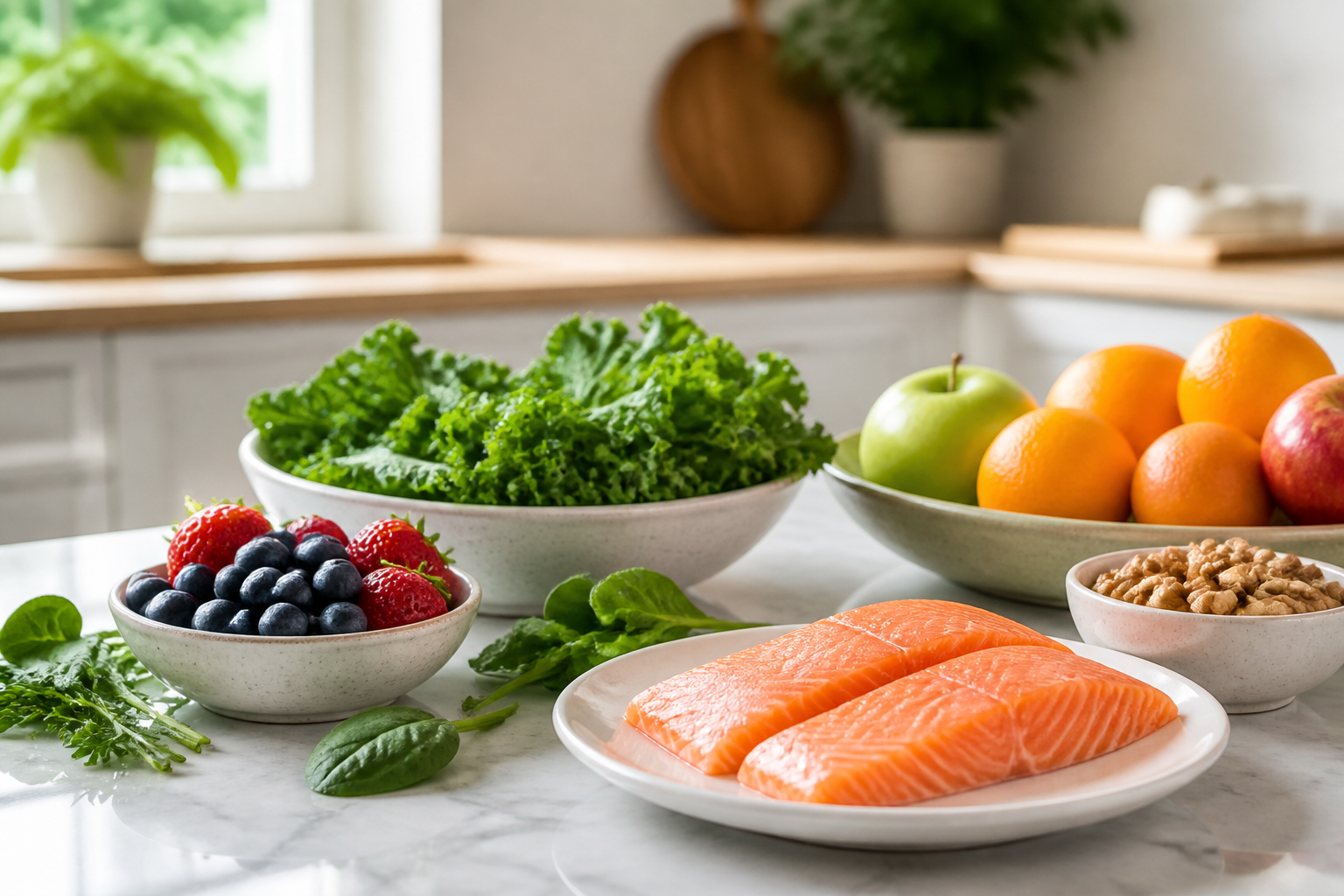
- Fatty Fish (Salmon, Sardines, Mackerel): Eat 2-3 servings a week. Not a fish fan? Try walnuts or flaxseed, but fish packs a stronger punch. The anti-inflammatory effect is real—especially for people with rheumatoid arthritis or osteoarthritis flares.
- Leafy Greens (Kale, Spinach, Swiss Chard): They’re loaded with vitamin K (crucial for bone health) and antioxidants. A 2019 BMJ study linked higher vitamin K intake to less cartilage loss in knees over 4 years.
- Berries (Blueberries, Strawberries, Blackberries): Rich in anthocyanins and vitamin C. Add these to your morning oatmeal for a daily anti-inflammatory boost.
- Bone Broth: Not just a trend. Slow-cooked bones release collagen, glucosamine, chondroitin, and amino acids. Is it a miracle cure? No. But regular broth (homemade or high-quality store-bought) can be a nourishing part of your weekly routine.
- Turmeric and Ginger: Both contain potent anti-inflammatory compounds. A 2014 Journal of Clinical Rheumatology review found 500 mg/day turmeric extract can reduce joint pain as effectively as low-dose NSAIDs, but with fewer GI side effects. I sprinkle turmeric in lentil soup, ginger in green tea.
- Nuts and Seeds (Walnuts, Flaxseeds, Chia): Omega-3s and fiber for inflammation, magnesium for muscle relaxation. Snack on these, or toss them into salads.
- Colorful Veggies (Bell Peppers, Carrots, Sweet Potatoes): Beta-carotene, vitamin C, and other phytonutrients support joint repair.
- Olive Oil: Contains oleocanthal, a natural anti-inflammatory. Use extra virgin olive oil for salad dressings or low-temp cooking.
- Whole Grains (Quinoa, Oats, Brown Rice): Processed carbs can spike inflammation, but whole grains have fiber and micronutrients that help regulate the immune system.
Look, I’m a “food first” person. But I have to be honest—sometimes, diet alone isn’t enough, especially if you’re already struggling. That’s where smart, targeted supplements come into play.
Supplements: When Food Alone Isn’t Cutting It
I know, supplements spark controversy. Some are snake oil, but others are backed by years of clinical data. Most patients in my clinic ask about glucosamine and chondroitin. Here’s the reality: the data is mixed, but there are studies showing pain relief and slowed progression, especially with long-term use at the correct dosages (1,500mg glucosamine sulfate + 1,200mg chondroitin daily).
I’ve reviewed dozens of these products. My current favorite—based on ingredient profile and real-world feedback—is Glucosamine Chondroitin Turmeric MSM & Boswellia (Vimerson Health). It combines the big hitters (glucosamine, chondroitin, MSM) with turmeric and boswellia—both natural anti-inflammatories. Over 43,000 positive reviews, and my own mother-in-law swears it helped her get back to pickleball after a rough knee flare. Always check with your doctor before adding supplements—especially if you’re on blood thinners or have other medical conditions.
Why Gut Health Matters More Than Most People Realize
Here’s something you won’t read on most blogs: your gut health impacts your joints. A 2022 Journal of Rheumatology study found people with diverse gut bacteria had less joint pain, less stiffness, and slower cartilage loss. Fermented foods (yogurt, kefir, sauerkraut, kimchi) and plenty of fiber (beans, apples, oats) help keep your gut microbiome happy.
And yes, hydration matters too. Dehydration makes your cartilage brittle—aim for 6-8 glasses of water per day, more if you’re sweating or active.
What to Avoid: Foods That Sabotage Joint Health
Look, you don’t have to live like a monk. But there are foods that make joint pain worse and sabotage cartilage repair efforts:
- Processed sugars: Cookies, pastries, soda—all spike inflammation markers. I tell my patients the occasional treat is fine, but daily sugar is a recipe for sore joints.
- Trans fats and fried foods: These drive up inflammatory cytokines. Swap that fast-food breakfast sandwich for a whole grain English muffin and eggs.
- Excessive red meat: Saturated fat doesn’t help, and some studies suggest it worsens inflammatory arthritis symptoms.
- Refined carbs (white bread, white rice): They act like sugar in your system, spiking blood sugar and inflammation.
Also: if you have food sensitivities (dairy, gluten), pay attention. Some patients notice their joints feel worse after certain trigger foods—especially with autoimmune conditions.
Putting It Together: A Day of Joint-Friendly Eating
I get this question all the time: “What would you eat if you had my knees?” Here’s a sample day I often share with patients (and, honestly, eat myself on busy clinic days):
- Breakfast: Oatmeal topped with blueberries, walnuts, and a spoonful of chia seeds. Black coffee or green tea with ginger.
- Snack: Greek yogurt with a drizzle of honey and mixed berries, or a banana with almond butter.
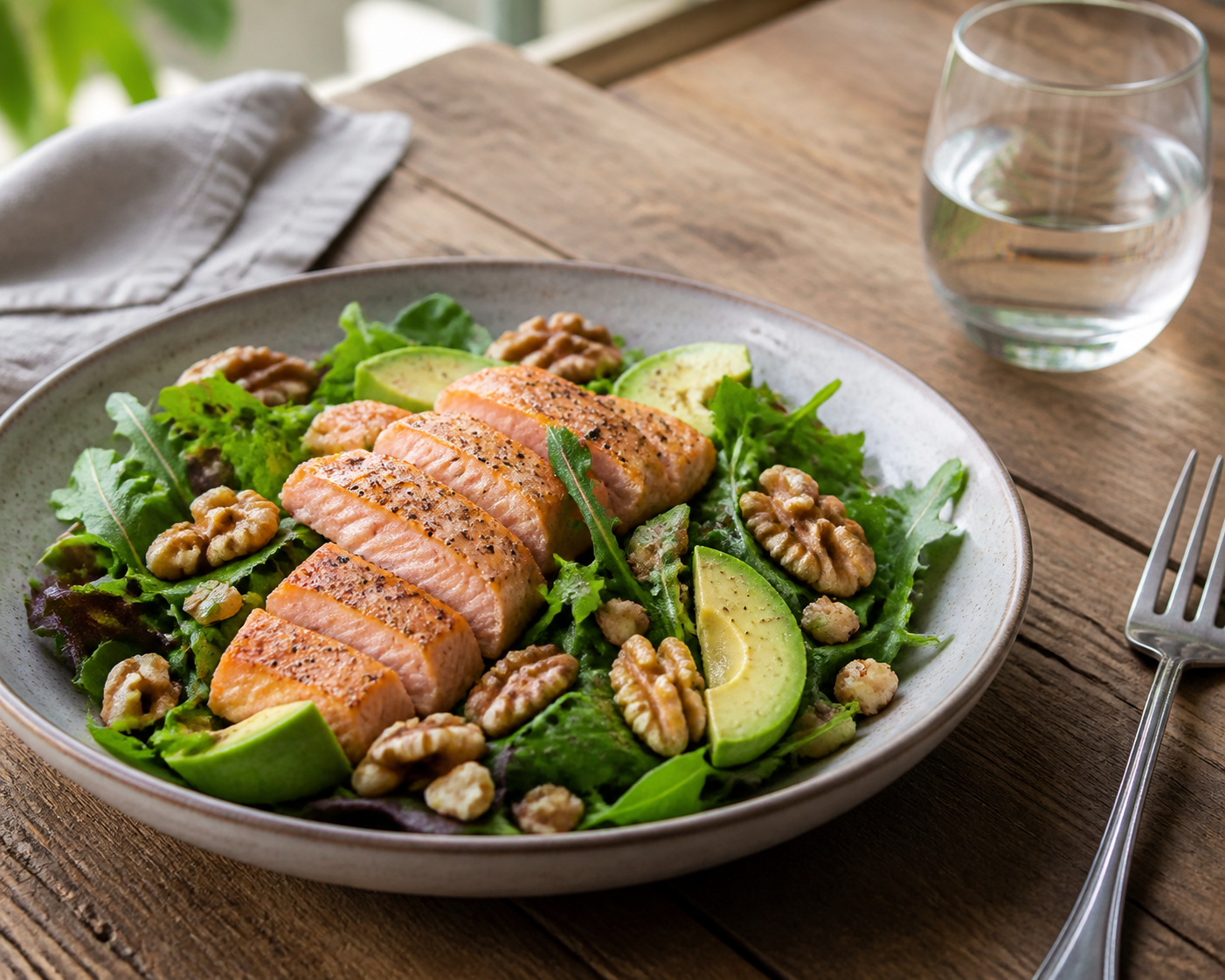
- Lunch: Big salad with kale, spinach, grilled salmon, avocado, cherry tomatoes, and pumpkin seeds, dressed with olive oil and lemon.
- Snack: Carrot sticks dipped in hummus, or a small bowl of bone broth (perfect on cold days).
- Dinner: Stir-fried shrimp with broccoli, bell peppers, ginger, and turmeric, served over quinoa. Glass of water with lemon.
And, if you’re looking for an easy way to stay active while managing joint pain, I still recommend gentle movement. Even just walking, or gardening like Lois. On rough days, a bit of targeted compression (like a Modvel Compression Knee Brace) or a heating pad (Pure Enrichment PureRelief XL Heating Pad) can offer relief while you work on the inside, too. Just keep moving—the worst thing for stiff joints is letting them rust.
What About Collagen Powders and Trendy ‘Superfoods’?
I get asked about collagen peptides all the time. I’m not against them—some studies show benefit, especially for skin and possibly joints. But if you’re getting plenty of protein, vitamin C, and antioxidants, the gains from $50 buckets of powder may be small. Save your money for high-quality salmon and fresh produce (or, if you must, the occasional evidence-based supplement like Vimerson).
As for goji berries, acai bowls, or whatever Instagram is raving about this week—they’re fine, but don’t let fancy marketing crowd out the basics. Consistency with the foods above will get you 90% of the way there.

The Bottom Line: Consistency Outperforms Perfection
Here’s what I want you to know: there’s no miracle food or supplement that will “rebuild” cartilage overnight. But the right foods—over months and years—can absolutely support joint health, reduce pain, and help you stay active. I’ve seen it again and again, from Lois the gardener to marathon runners and newly retired folks who just want to keep up with grandkids.
Try to see every meal as a tiny investment in your future mobility. Mix the foods I mentioned into your routine. Ask your doctor about a quality supplement if you’re struggling (I have a soft spot for this one). And if you need a little external support or pain relief while you’re working on your insides, items like the Modvel Compression Knee Brace or Pure Enrichment PureRelief XL Heating Pad can make the journey a lot less painful.
Above all, don’t let perfectionism win. Progress (not heroics!) is what your joints need.
— Dr. Sarah Mitchell, DPT
Senior Health Editor, JointReliefReviews