SAMe Supplement for Osteoarthritis: Does It Actually Help?
I’ll never forget the conversation I had with my mother-in-law about her knees. She’d taken glucosamine for years — “it helped, a little,” she told me — but the real kicker came when she picked up a bottle of SAMe at her local pharmacy. “The pharmacist told me it’s the new thing for arthritis,” she said, half excited, half skeptical. If you’ve found yourself scanning those supplement aisles, wondering if this odd-named pill could actually make your mornings a bit less stiff, you’re far from alone.
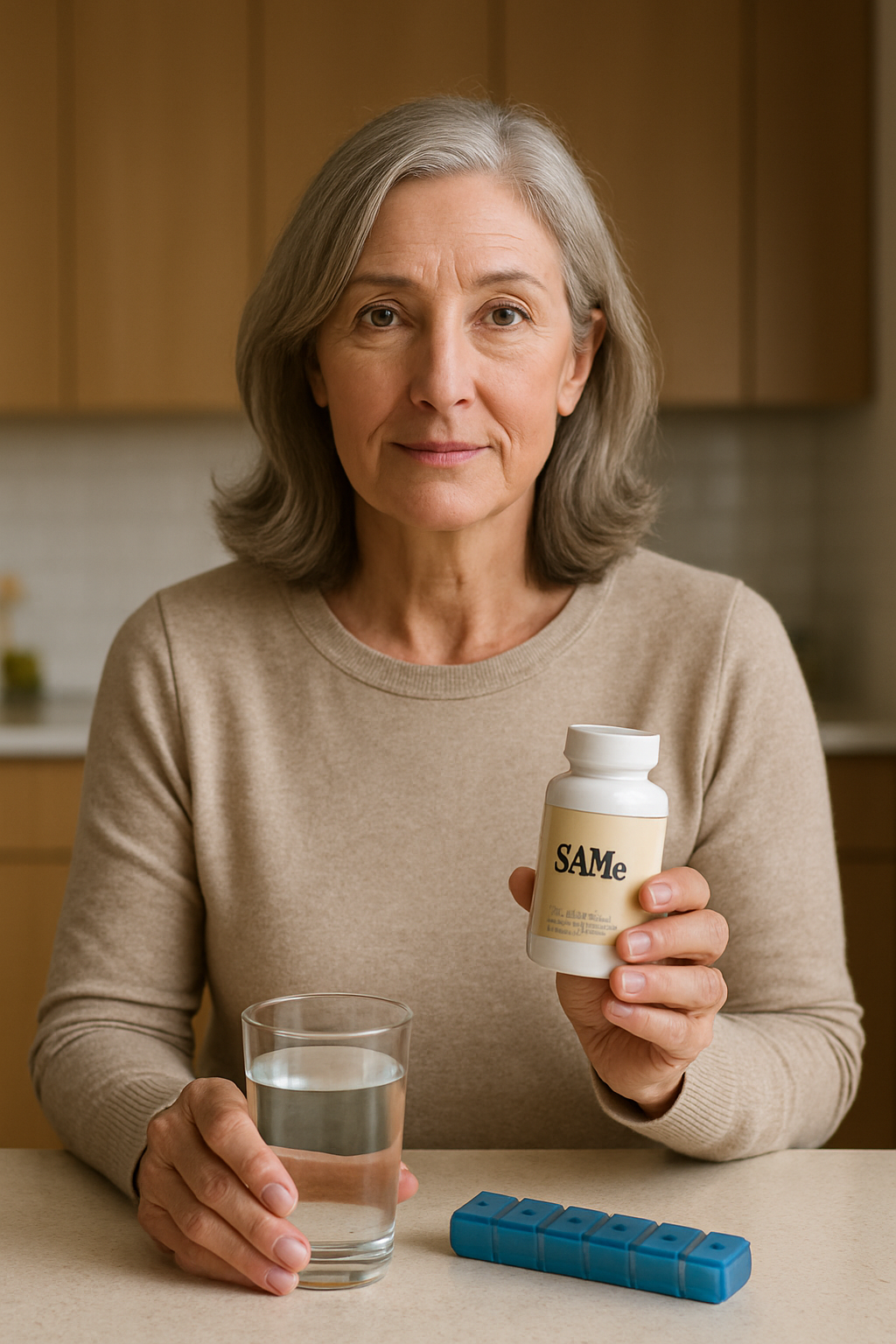
The Daily Grind: Why Osteoarthritis Relief Feels So Elusive
Here’s the thing: If you wake up and the first five minutes are a negotiation with your joints, you’re living a reality that millions of Americans know all too well. Osteoarthritis (OA) is the most common joint disorder in adults over 50. The cartilage in your knees, hips, or fingers wears thin. Each step, every rise from a chair, sends a little reminder — not today, friend. And pills? NSAIDs like ibuprofen can help, but they bring their own baggage: stomach irritation, blood pressure spikes, and, for some, a real risk of more serious side effects.
I get emails every single month from readers desperate for something — anything — that might help them move easier. SAMe keeps popping up in those messages. But is it legit, or just clever marketing?
What Is SAMe, Anyway?
Let’s cut through the chemistry jargon: SAMe stands for S-adenosylmethionine. It’s a compound your body actually makes on its own, from the amino acid methionine plus a little ATP (your cellular energy fuel). SAMe is involved in a bunch of chemical reactions — think mood regulation, liver detox, even cartilage protection. Because of that, it’s been studied not just for osteoarthritis, but also for depression and liver health.
And SAMe isn’t some exotic import. It’s sold in the U.S. as a dietary supplement (unlike in Europe, where you can get it by prescription). Doses on the shelves typically range from 400mg to 1600mg per day, split into two or three doses. (Side tip: take it on an empty stomach. It absorbs better that way.)
Why Are People Taking SAMe for Osteoarthritis?
Here’s where it gets interesting. SAMe’s claim to fame dates back to studies from the 1980s and 1990s, where researchers noticed it seemed to have anti-inflammatory effects — and, crucially, pain relief — in people with OA. The proposed mechanism? It may boost your body’s natural production of cartilage-protecting compounds, and tamp down molecules that cause inflammation in joint tissues. Not magic, but potentially helpful.
What the Studies Really Say About SAMe Supplements for OA
If you’re nodding along, you’re probably wondering: So does this stuff actually work? I’m a stickler for hard science, so let’s dig into a few real studies (and there aren’t hundreds — which tells you something too).
- The Big Cochrane Review (2002): This meta-analysis looked at 11 studies, totaling over 1,400 participants. The verdict? SAMe improved pain and function better than placebo — but not by much. Compared with NSAIDs like naproxen, the pain relief was “about equal.”
- Arthritis & Rheumatism, 2004: A double-blind trial gave 61 OA patients either 1,200mg SAMe or 1,200mg of ibuprofen daily for a month. Pain scores dropped in both groups, with no significant difference. Bonus: SAMe caused fewer stomach upsets.
- Journal of Rheumatology, 2010: This trial reported a “significant improvement” in joint function and pain after 2 months of 800–1,600mg daily SAMe. Still, some patients noticed little benefit — that’s always the wild card with supplements.
But — and this is big — some of these studies are small, short, or have questionable blinding. The most recent American College of Rheumatology guidelines (as of 2019) don’t recommend SAMe as a first-line therapy. That said, if you’re sensitive to NSAIDs, or you just want to try something with a relatively benign safety profile, it might be worth discussing with your doctor.
Potential Benefits (and Who Might Notice Them Most)
So what’s the bottom line? In my years as a physical therapist and strength coach, I’ve seen a handful of clients swear that SAMe was their game-changer. Usually, these are people with mild-to-moderate OA, who can’t tolerate NSAIDs or want to cut back. Some notice less morning stiffness, a bit more pep in their step, especially after a month or two of consistent use (you need to stick with it — the effects aren’t overnight). Others, honestly, tell me it did next to nothing. Your mileage may vary.
Here’s the rub: SAMe seems most likely to help those who are early in the OA game, and who don’t expect miracles. If your pain is severe or you have major joint deformity, no supplement is going to reverse that.
Risks, Side Effects, and Who Should Avoid SAMe
Let me be blunt: “Natural” doesn’t mean “risk-free.” SAMe is generally safe, but there are some real considerations.
- Digestive Upset: Nausea, mild stomach pain, and diarrhea can happen, especially at higher doses.
- Bipolar Disorder Caution: SAMe may trigger mania — a genuine, serious risk for anyone with bipolar or a family history. If you’re in this camp, talk to your psychiatrist first (or skip SAMe entirely).
- Drug Interactions: SAMe can play poorly with antidepressants, certain Parkinson’s meds, and some other prescription drugs. Always check with your pharmacist or doctor before starting.
Pro tip: If you do decide to try SAMe, start low — maybe 400mg once daily — and dial up as tolerated. And monitor how you feel, especially in the first two weeks. No supplement is worth losing sleep (literally or figuratively) over.
Tips to Boost Joint Health (with or without Supplements)
This might be the part most folks skip, but hear me out: No pill, not even prescription ones, can replace the basics. And I say this as someone who’s rehabbed more creaky knees than I can count.
- Keep Moving (Even When It Hurts a Bit): Gentle, regular movement — walking, swimming, cycling — keeps joints lubricated. The phrase “motion is lotion” holds true.
- Focus on Strength: Muscle supports joints. Even a few minutes a day can make a startling difference. If you want research-backed, dead-simple knee routines, Treat Your Own Knees by Jim Johnson is my go-to recommendation (I have three copies in the clinic, no joke).
- Watch Your Weight: I know, I know — it’s not what anyone wants to hear. But even a 5% weight loss can cut knee OA symptoms by a noticeable margin (Arthritis Care & Research, 2013).
- Anti-Inflammatory Diet: Think more fish, leafy greens, olive oil. Less processed stuff. No, it won’t cure OA, but some patients do feel a bit better when they stick to it.
- Consider a Combo Approach: I sometimes see best results when SAMe is stacked with other joint supports — glucosamine, chondroitin, turmeric, MSM, boswellia. If you’re looking for a comprehensive formula, Glucosamine Chondroitin Turmeric MSM & Boswellia by Vimerson Health is widely used among my clients and happens to be budget-friendly (plus, over 43,000 positive reviews don’t lie).
So, Should You Try a SAMe Supplement for Osteoarthritis?
I know this is unpopular in the supplement world, but here’s my honest take: If you’re hoping for a miracle, you’ll be disappointed. But if you’re after a modest improvement — and you’ve checked with your doctor, especially about possible interactions — it’s reasonable to give SAMe a two to three month trial. Track your pain and daily function every week. If you see no change after 8 weeks, save your money for something else.
One thing I hear a lot: “Do I need to buy the most expensive brand?” Not necessarily. Look for brands that are third-party tested (USP, NSF, ConsumerLab certification helps). Stability is an issue with SAMe — it degrades in heat and humidity — so opt for blister packs if possible, and store them in a cool, dry place.
How Does SAMe Compare to Other Supplements?
This is where things get a little nuanced — and if you’re still with me, you’re clearly someone who cares about real answers.
- SAMe vs. Glucosamine/Chondroitin: Head-to-head, the science is mixed for both. Some people respond to one, some to the other, some to neither. Small effect sizes, but better than placebo for a minority.
- SAMe vs. Turmeric (Curcumin): Turmeric has more research for short-term relief (500–1000mg/day). If stomach upset is an issue, turmeric tends to be gentler.
- SAMe vs. MSM or Boswellia: Again, all can be helpful for mild-to-moderate OA, but none are slam dunks. Sometimes combination formulas work better (and, not gonna lie, are easier to stick with than popping four different pills).
A reader emailed me last week: “Is it worth taking more than one at a time?” Some rheumatologists say combining (with a careful eye on GI side effects) is just fine, as long as you introduce one new supplement at a time. Personally, I prefer starting with one, monitoring, then layering in a second after a month if needed.
Practical Takeaways (That Most Articles Won’t Tell You)
Look, you know your body best. If you’re curious about a SAMe supplement for osteoarthritis, here’s my no-nonsense checklist:
- Talk to your doctor first, especially if you take any regular medications or have a psychiatric history.
- Start with a low dose (400–800mg daily), on an empty stomach. Ramp up only if tolerated and needed.
- Give it 8 weeks before making a call. Track your pain, stiffness, and mobility — a simple 0-10 scale in a notebook works wonders.
- Don’t forget movement and weight management. Supplements can help, but they can’t do the work for you.
- If you want a more broad-spectrum approach, a combo supplement (this one is solid) or a structured exercise guide (Treat Your Own Knees) can often provide more lasting improvement.
And if you’re reading this and feeling overwhelmed, take a breath. OA is frustrating — I see it every week in my clinic. But small changes, over time, really do add up. I’ve seen folks in their 70s bounce back to hiking, gardening, even chasing grandkids, just by staying consistent with the basics and, yes, the right supplement or two.
Final Thoughts: The Road to Easier Movement
I’ll be honest — I was skeptical about SAMe at first. But a handful of clients (and yes, my mother-in-law counts) have found it’s worth a shot, especially if you’re not ready for prescription meds or your stomach rebels at NSAIDs. Just go in with realistic expectations, keep your doctor in the loop, and pay more attention to how you’re actually feeling than to the latest headline or TikTok trend.
If you’ve tried SAMe or have your own OA “game-changer,” drop me a note. Your stories help me help others — and sometimes, they’re the best teachers I have. Wishing you more good days and easier steps ahead.
— James Chen, MS, CSCS
JointReliefReviews.com