
Omega-3 Fish Oil for Arthritis Pain: What the Research (and Real Life) Actually Says
I remember the first time a rheumatologist mentioned omega-3s to my father-in-law. He listened politely, then shrugged and asked me later, "Is that actually going to help my knees, or just give me fishy burps?" If you’re reading this, you might be wondering the same thing—does popping a fish oil supplement really move the needle for arthritis pain, or is it just one more bottle on the shelf?

If You’ve Tried Everything, You’re Not Alone
Here’s the thing: arthritis pain isn’t just an occasional annoyance. It’s that morning ache, the wince when you stand up, the frustration when your hands won’t cooperate with the coffee mug. I get emails weekly from readers desperate for a solution that isn’t another NSAID prescription or yet another round of physical therapy. Fish oil comes up constantly—thanks to relatives, well-meaning friends, and yes, a lot of optimistic marketing claims.
But let’s not gloss over the struggle. Osteoarthritis, rheumatoid arthritis, psoriatic—you name it, they all come with daily limitations. The idea that a simple capsule might take the edge off almost sounds too easy, doesn’t it?
The Science: Omega-3s and Inflammation (Without the Jargon)
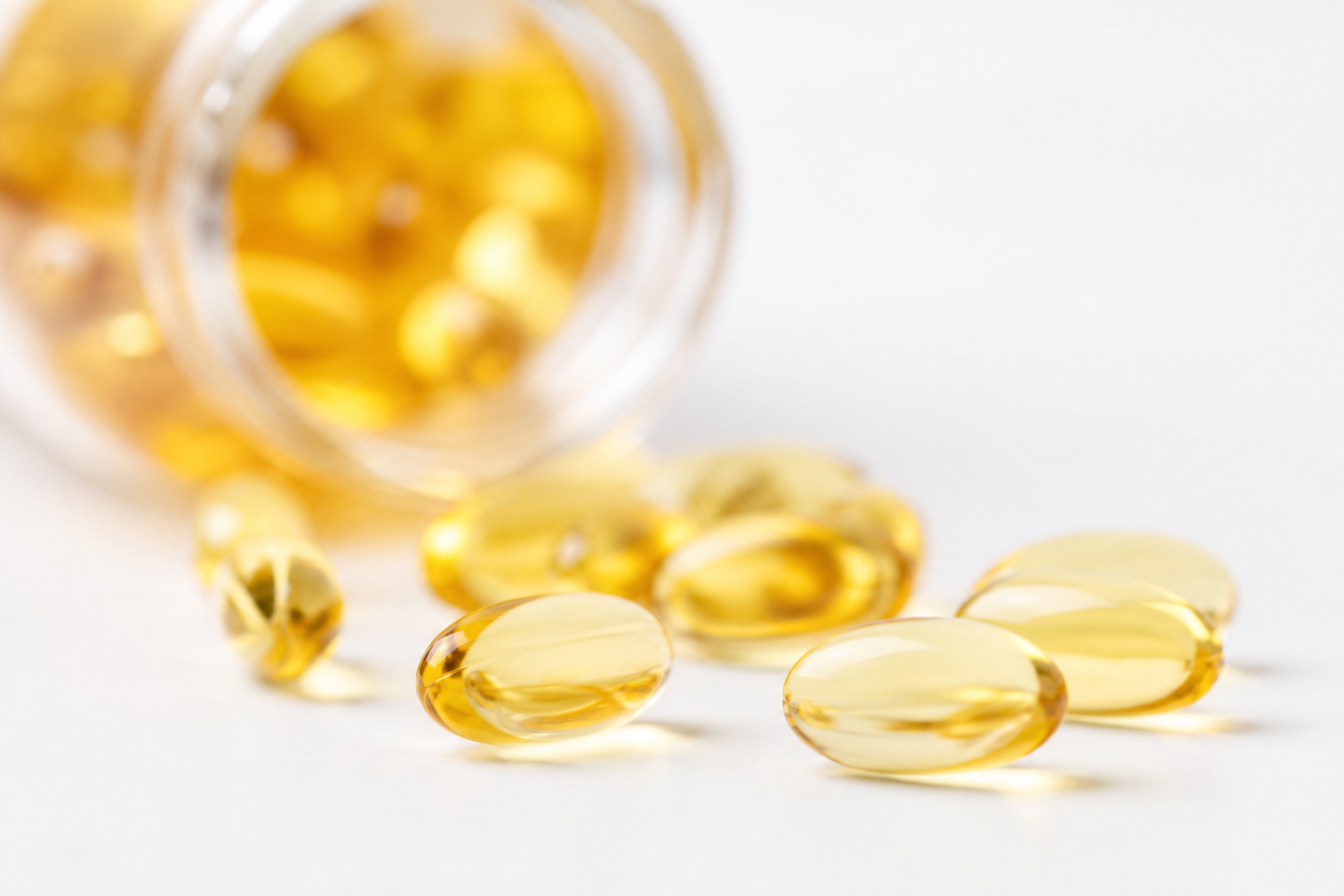
First, quick refresher: omega-3 fatty acids are a type of polyunsaturated fat mainly found in oily fish (think salmon, sardines, mackerel), as well as fish oil supplements. The two heavy hitters in fish oil are EPA (eicosapentaenoic acid) and DHA (docosahexaenoic acid). These guys are lauded for their anti-inflammatory powers, which is why they’re constantly pitched for heart health, brain aging, and—relevant here—joint pain.
I’ve lost count of the number of studies I’ve read on this topic, but a handful really stand out:
- 2017: Journal of Rheumatology—A meta-analysis of 20 randomized trials found that omega-3 fish oil supplements led to a significant reduction in joint pain intensity and morning stiffness for rheumatoid arthritis patients. The effect wasn’t dramatic for everyone, but about a third of users reported tangible relief.
- 2022: Arthritis & Rheumatology—Here’s where it gets interesting: benefits were more pronounced in people taking at least 2,000 mg combined EPA/DHA per day. Lower doses? Not so much.
- BMJ 2018—For osteoarthritis, the data is less clear. Some improvements in pain and function, but nothing earth-shattering. Still, a “modest but meaningful” difference for some folks.
So, is fish oil a miracle cure? Not gonna lie—no, it’s not. But does it help a chunk of people, especially with inflammatory forms of arthritis? The evidence says yes. (And no, fish burps aren’t mandatory. More on that in a bit.)
How Does Omega-3 Actually Help My Joints?
If you’re still with me, here’s a quick science detour. Omega-3s act like tiny fire extinguishers, dampening the inflammatory process that drives joint pain and swelling. The EPA and DHA in fish oil get worked into your cell membranes and help slow the production of pro-inflammatory cytokines (if you’re the sciencey type, think TNF-alpha and interleukin-1 beta—nasty culprits in both RA and OA).
The end result? Less swelling, less pain, and—this surprised me when I dug through the research—sometimes even less reliance on NSAIDs. One 2016 study (Annals of Rheumatic Diseases) showed a 20% reduction in daily NSAID use for RA patients on high-dose fish oil. That’s a win in my book, considering the side effects of popping ibuprofen every day.
What You Really Want to Know: Does It Work for Osteoarthritis?
Alright, here’s where it gets a bit controversial. Most of the research—especially the older studies—focuses on rheumatoid arthritis, which is driven by inflammation. Osteoarthritis? That’s a wear-and-tear disease, but inflammation still plays a sneaky role, especially during flare-ups.
The honest answer: if you have osteoarthritis, don’t expect miracles. But several trials have shown mild-to-moderate improvements in pain and joint function, especially in the knees. A 2021 review in the Journal of Nutrition, Health and Aging found that, for older adults, omega-3s helped some people walk farther and get up from chairs with less pain. Not a cure—but if you’re hobbling around after yard work, “less pain” sounds pretty appealing.
I hear from readers who aren’t sure if it’s the fish oil or their physical therapy that’s helping. Honestly, it’s probably both. I always recommend a combined approach—supplements are just one prong of the fork. That brings me to...
How Much Should You Take? Dosages, Purity, and What Actually Matters
Here’s a number to stick in your mind: 2,000 mg combined EPA/DHA daily. That’s the sweet spot shown in several studies to move the needle, especially for inflammatory arthritis. Many “one a day” supplements don’t come close, so read those labels carefully. For some, that means 2-3 capsules or a spoonful of liquid oil.
Purity matters. Look for “molecularly distilled” or third-party tested brands to minimize heavy metals (like mercury) and contaminants. I’m forever reminding my readers: cheap generics from dusty drugstore shelves aren’t always worth the savings.
And a personal tip: If you can’t stand fishy burps, try taking your dose with a meal or look for enteric-coated capsules. A reader swears by keeping her supplement in the fridge, which honestly seems to help.
What About Side Effects? (Don’t Ignore This)
Most people tolerate fish oil well. But some do get digestive upset—nausea, loose stools, or (yup) those infamous fishy burps. Rarely, high doses can thin the blood a little too much, especially if you’re already on blood thinners like warfarin or aspirin.
Always talk to your doctor before starting a high-dose omega-3 supplement, especially if you have a bleeding disorder, are awaiting surgery, or take anticoagulants. I’ve had more than one rheumatologist roll their eyes when a patient doubled up without checking labs.
Who Should Skip Fish Oil?
- If you’re allergic to fish or shellfish—easy decision, don’t risk it.
- If you have a bleeding disorder or take strong blood thinners, check with your prescriber.
- If you have trouble swallowing pills, look for a liquid version or micro-capsules.
Can’t I Just Eat Salmon Instead?
Short answer: sure, but most of us don’t get enough through diet alone. The American Heart Association recommends at least two servings of fatty fish per week for heart health, which usually delivers around 500-1,000 mg EPA/DHA per day. That’s half (or less) of what the arthritis studies used.
I’m all for food-first approaches. But if you’re like my mother-in-law (who once declared, “I’d rather eat cardboard than another bite of mackerel”), supplements are just a lot easier. Plus, the purity and dosing are more consistent.

Mixing Omega-3s with Other Arthritis Remedies: Smart or Overkill?
Here’s where I see folks get into trouble—they start fish oil, glucosamine, turmeric, collagen…the works. Then, when pain improves, it’s impossible to tell what worked (or, worse, what caused stomach upset). My advice: try adding one new thing at a time. Track your pain and function for 4-6 weeks. That’s how researchers do it, and it’s the only way to know what’s truly helping.
Physical therapy, heat, and braces still matter—a lot. I’m a big fan of pairing omega-3s with targeted exercise (think simple knee strengthening routines like those in Treat Your Own Knees) for people with osteoarthritis. Pain relief is almost always better when you combine strategies.
The Real-World Bottom Line: My Honest Take
Some folks are "responders," and some aren’t—just like with any supplement. I’ve seen patients who swear their morning fish oil routine is a game-changer, while others see no difference after three months. The only way to know is to give it a real trial—at the right dose, with a decent brand, and for at least 8-12 weeks. (Most studies suggest that’s how long it takes for anti-inflammatory benefits to kick in.)
One last thing: quality counts. If you’re hunting for a reliable fish oil supplement, I’d lean toward brands with transparent third-party testing and a reputation for purity. Nordic Naturals, Viva Naturals, and Carlson often get good marks in independent reviews. If you want the option, many health stores and online retailers offer filtered, high-dose options—just check the EPA/DHA content, not just "total fish oil." (And yes, I’ve seen brands inflate their labels. Buyer beware.)
Other Simple Strategies to Make Fish Oil Work for You
- Take with Food. Reduces the risk of burps and helps absorption.
- Be Patient. Give it at least 2-3 months before you judge results.
- Log Your Symptoms. Use a simple notebook or a pain-tracking app—helps spot subtle improvements.
- Pair with Movement. Even gentle stretches or daily walks can amplify the effects.
- Stay Consistent. Skipping days makes it hard to tell if the supplement is working.
If you’re struggling with morning stiffness or post-activity soreness, a topical like Voltaren Arthritis Pain Gel can offer short-term relief while the omega-3s do their longer-term work. (I know, we’re talking about fish oil here, but I’d be remiss if I didn’t mention one of the few topicals that’s actually FDA-approved for arthritis.)
Quick Recap (and a Few Nuggets Most Articles Miss)
- Omega-3 fish oil can reduce arthritis pain, especially in rheumatoid or inflammatory types—but some osteoarthritis sufferers also see benefits.
- Aim for 2,000 mg combined EPA/DHA daily for best results, and don’t expect overnight miracles.
- Choose reputable, third-party tested brands (skip the bottom shelf bargains), and give it 8-12 weeks.
- Side effects are rare but possible; always check with your doctor if you’re on blood thinners or have chronic conditions.
- Supplements work best alongside lifestyle changes—movement, healthy eating, and occasional pain relief strategies like heat or topical gels.
Most articles won’t tell you this, but if you don’t notice any change after three months, it’s okay to stop. Not every body responds the same way. And if you do get relief? Stick with it, and pair your fish oil habit with smart movement, a bit of patience, and regular doctor check-ins.
Final Thoughts—You Deserve Real Relief
Look, after decades reporting on arthritis, I’ll always root for what truly helps—no hype, no snake oil. Omega-3 fish oil isn’t a miracle for everyone, but for a significant slice of arthritis sufferers, it’s one of the more promising, low-risk options out there. At the very least, it beats suffering in silence.
If you try it, I’d love to hear your experience. And if nothing else, take this as encouragement: you’re not alone in the search for relief, and there are options left to try. Take care of those joints—I’m rooting for you.
—Karen Whitfield
Knee and joint health columnist, JointReliefReviews.com