
Is Hyaluronic Acid the Missing Link for Achy Knees?
Last month, a longtime reader reached out: “Karen, my neighbor swears hyaluronic acid is the secret to her knee pain vanishing. Is that legit, or just another wellness fad?” Honestly, I get asked about hyaluronic acid more than any other joint supplement—especially as we age and those stairs start sounding louder. And here’s the thing: her neighbor isn’t alone. Nearly 15 million Americans are now trying oral hyaluronic acid supplements for knees, hoping for less pain and more get-up-and-go. But do they deliver?
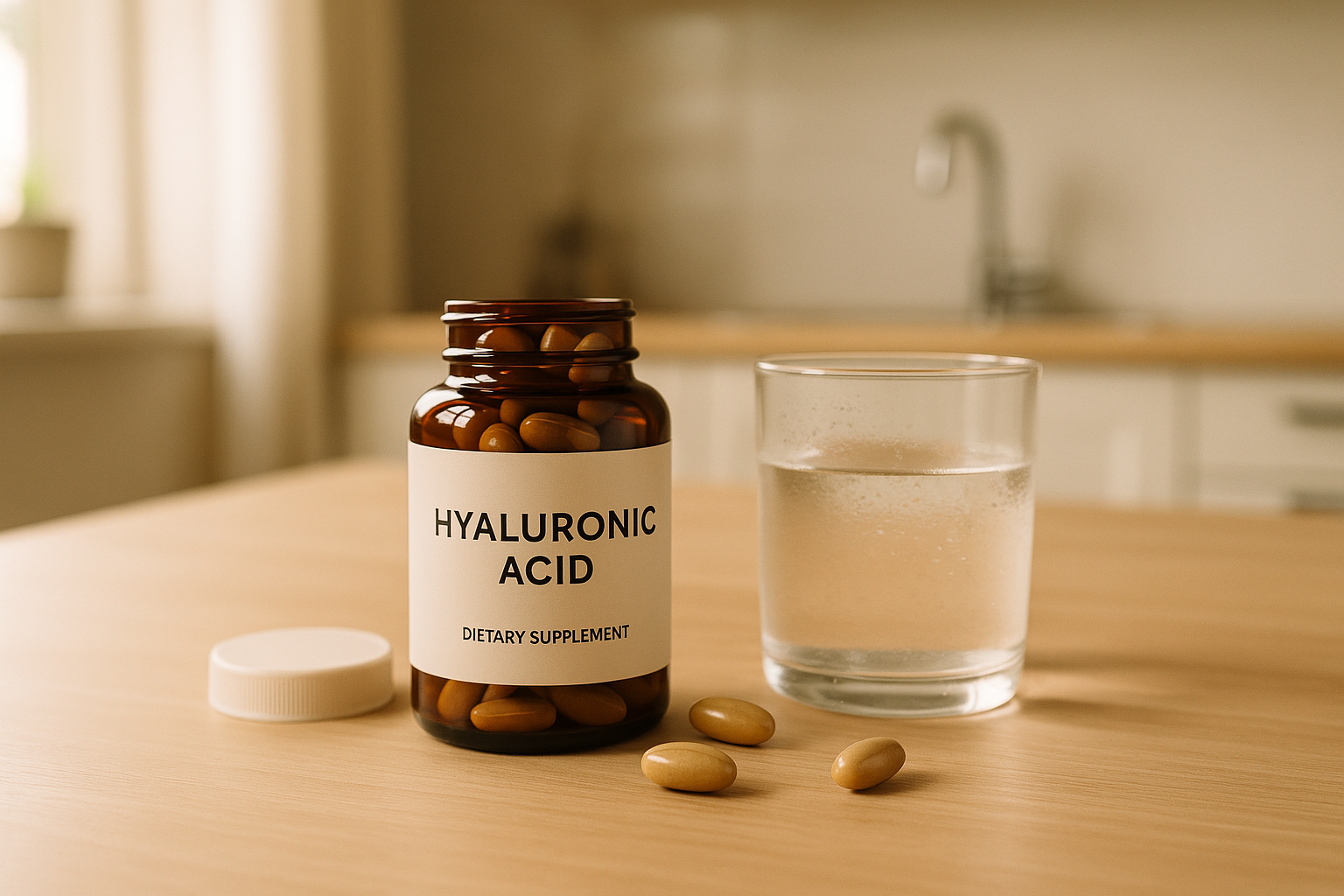
The Daily Grind of Knee Pain
If you’re nodding along, you’re not alone. Knee pain has a sneaky way of shrinking your world—turning grocery runs, walks with grandkids, or gardening sessions into hurdles. I remember when my mother-in-law, Eve, had to bail on her beloved yoga class because her right knee “felt like gravel.” She tried heating pads, Tylenol, even those neon green creams. Relief? Fleeting, at best. That sense of frustration and lost freedom is something I hear every week from readers, patients, and my own family.
The big question: Can a supplement really rebuild what age (or arthritis) is breaking down in your knees?
What Exactly Is Hyaluronic Acid?
Think of hyaluronic acid as your body’s natural lubricant. It’s a gel-like substance found in your skin, eyes, and—most importantly for our purposes—inside your joints. In healthy knees, hyaluronic acid helps cushion movement and keep things gliding smoothly. But here’s where it gets interesting: As we get older or develop osteoarthritis, our joints make less of it. That’s one reason those creaks and crunches become daily visitors.
Traditionally, doctors injected hyaluronic acid directly into the knee joint (so-called viscosupplementation). But needles in my knee? Not exactly high on my wishlist—or most folks'. That’s partly why the supplement version has exploded in popularity: a daily capsule or powder instead of a trip to the clinic.
How Do Hyaluronic Acid Supplements Supposedly Work?
This is the million-dollar question. The theory is simple: If you swallow more hyaluronic acid, your body might absorb it, then shuttle it to the joints, where it helps restore the “cushion.” Some animal studies support this idea. For example, a 2016 paper in Osteoarthritis and Cartilage found supplemental hyaluronic acid improved joint lubrication in older rats. But what about humans?
Here’s where things get murky. Some studies—particularly from Japan and South Korea—report real benefits. In a 2018 double-blind trial published in the Journal of Medicinal Food, adults with knee osteoarthritis who took 200mg/day of oral hyaluronic acid for 12 weeks reported reduced pain and improved mobility compared to placebo. A similar study in Rheumatology International (2017) found a 25% reduction in knee stiffness after eight weeks. Not game-changing, but not nothing either.
But—and it’s a big but—not all research is glowing. Several U.S.-based reviews, including one meta-analysis in BMJ Open (2021), argue that the average benefit is modest, and some people see little to no relief. Bluntly: It may work for some, but there’s no magic-bullet guarantee.

Who Typically Gets the Most Out of Hyaluronic Acid Supplements?
I’ve seen two types of people most likely to notice a difference:
- Folks with mild to moderate knee osteoarthritis. If you’re bone-on-bone or severely inflamed, oral supplements probably won’t move the needle much. But if your X-ray says “early” OA, you could be in the sweet spot.
- Those looking for an ‘add-on’—not a solo fix. Studies suggest HA works best alongside other strategies: weight management, physical therapy, and—yes—sometimes over-the-counter pain options when flares are bad.
And age matters. Most clinical trials enroll people over 50, with pain on most days but still some cartilage left. That tracks with the readers who email me success stories (and complaints!).
What Dosage and Form Actually Work?
This is where most articles gloss over the details. Not all hyaluronic acid supplements are created equal: some are capsules, others are powders or even “biofermented” liquids. Look for:
- Source: Most reputable supplements use sodium hyaluronate (the bioavailable form).
- Dosage: Clinical trials typically use 120-240mg daily, sometimes up to 300mg. Anything less and you’re probably wasting money.
- Third-party testing: Avoid mystery brands. You want NSF, USP, or another independent verification on the label.
Personally, I lean toward capsules for convenience. Powders can work if you’re blending into a smoothie, but taste and texture are often an issue (unless you really like ‘slimy’ as a flavor profile).
Side Effects? Here’s the Real Talk
Compared to NSAIDs or prescription painkillers, hyaluronic acid is very safe for most people. The most common side effect is mild stomach upset—less than 5% in studies. Sometimes, people report loose stools or skin rash (rare). Here’s a twist: Because hyaluronic acid is naturally made by the body, serious allergies are almost unheard of. But, and I can’t stress this enough, always talk to your doctor if you have an immune disorder, take immunosuppressants, or are pregnant/breastfeeding.
One reader with lupus emailed me last year after her rheumatologist warned against any “immune-modulating” supplements. It’s rare, but worth flagging.
What If Hyaluronic Acid Isn’t Enough?
Let’s be honest: for severe, long-term osteoarthritis, most people need a multi-pronged approach. In my years reviewing arthritis products, I’ve seen the best results when people combine supplements with smart lifestyle tweaks:
- Compression and Support: For flare days or extra activity, a good knee brace can be a game-changer. The Modvel Compression Knee Brace is my go-to recommendation: it’s affordable, comes as a pair, and the anti-slip strips actually work (unlike half the cheap sleeves I’ve tested). More than 75,000 reviews don’t lie.
- Topical Relief: On tough days, I pull out Voltaren Arthritis Pain Gel. It’s got FDA backing, doesn’t stink up the house, and—here’s the kicker—actually penetrates the skin with diclofenac, a real anti-inflammatory (not just menthol).
- Comprehensive Supplements: Some readers combine hyaluronic acid with other proven joint compounds—like glucosamine, chondroitin, turmeric, MSM, and boswellia. The Vimerson Health Joint Support formula is one I get a lot of positive feedback about. It covers all the bases if you want more than just hyaluronic acid in your routine.
Bottom line? There’s rarely a “one and done” for chronic knee pain. But a smart combo, tailored to your needs and doctor’s guidance, can tilt the odds in your favor.
Are There Any Legitimate Drawbacks?
Let’s not sugarcoat it: hyaluronic acid supplements aren’t covered by insurance, and name brands can get pricey (I’ve seen $40+ for a month’s supply). The results won’t be instant, either. Clinical studies usually measure improvement after 8-12 weeks. I always tell readers: Give it two months, track your symptoms, then decide if it’s worth continuing. And, yes, some people feel no difference at all—about 30% in the studies I’ve reviewed.
One more thing: The supplement world is sadly full of hype. Steer clear of brands promising “cartilage regrowth” or “reverse arthritis” in two weeks. That’s not how biology—or honest science—works.
How to Choose a Quality Hyaluronic Acid Supplement
Here’s my quick-and-dirty checklist (part scientist, part skeptical daughter-in-law):
- Look for at least 120mg of sodium hyaluronate per daily dose
- Third-party lab testing (look for NSF or USP marks)
- No unnecessary fillers, dyes, or mega-dose vitamins
- Transparent sourcing—ideally made in the USA or Europe
- Money-back guarantee (a sign the company stands behind its product)
And if you don’t see results in 2-3 months? Don’t feel bad about moving on—listen to your body, not marketing hype.
What About Food Sources of Hyaluronic Acid?
This is a fun, often-overlooked angle. Certain foods—like bone broth, organ meats, and starchy root vegetables—contain small amounts of hyaluronic acid or its precursors. There’s even some (very early) evidence that eating more magnesium-rich greens can help your body synthesize more of its own. But the quantities are tiny compared to supplements or injections. Still, if you love a good chicken soup or roasted beets, it can’t hurt!
The Nutritional Bottom Line
So, do hyaluronic acid supplements for knees really work? Here’s my honest, after-a-decade-of-reporting take: For some, especially with mild-to-moderate osteoarthritis, they’re worth a shot. Is it a cure? No. Are they a safe, well-tolerated experiment for most people who want to try everything (before resorting to more invasive treatments)? Absolutely. Just go in with realistic expectations and a healthy dose of skepticism.
And if you decide to try HA, consider pairing it with compression support, smart movement, and maybe a vetted multi-ingredient joint formula. Keep your doctor in the loop—especially if you take other meds or have complex health issues. No blog (including mine!) replaces personalized medical advice.
Takeaways: The Real-World Knee Pain Playbook
- Hyaluronic acid is your body’s natural joint lubricant, but production drops with age and arthritis
- Supplements show modest benefits for knee pain and stiffness—especially in early OA
- Best results come from 120-240mg sodium hyaluronate, daily, for 2-3 months—plus other joint-friendly habits
- Side effects are rare, but always check with your doctor if you have immune or chronic health conditions
- Compression knee braces and topical NSAIDs are smart add-ons for tough days
Have a knee pain question or a supplement success (or horror) story? Drop me a line. I read every email—even if I can’t play doctor from afar, sometimes a dash of hope and a few research-backed tweaks go a long way. Wishing you strength and smoother steps.
- Karen Whitfield, health journalist & joint health advocate