
CBD Oil for Joint Pain and Inflammation: What Actually Works?
By Dr. Sarah Mitchell, DPT | Senior Health Editor, JointReliefReviews
I’ll never forget the first time a patient asked me about CBD oil for her relentless knee pain. It was 2017, and she slid a tiny glass bottle out of her purse in our treatment room, whispering as if she were confessing to a crime. Now, barely a week goes by without someone—patient, reader, even my mother-in-law—bringing up CBD and joint pain. And with over 54 million Americans living with arthritis (CDC, 2023), who can blame them for wanting a little extra relief?

The Real Frustration of Living with Joint Pain
If you’re reading this, you probably know how exhausting it is. That deep, throbbing ache that wakes you up at 3 a.m. The stiffness after a short car ride. The frustration of having your day dictated by whether your joints feel "okay enough." I see this in clinic every single week—and yes, I experience it myself after old sports injuries flare up. Most people don’t want to live on NSAIDs or risk the side effects of strong pain meds. It’s no wonder alternative approaches like CBD oil have exploded in popularity.
But let’s be honest: for every true success story, there’s another person who spent $70 on a tincture and felt absolutely nothing. So, does CBD oil for joint pain and inflammation actually work, or is it riding a wave of very wishful thinking?
What’s the Deal With CBD Oil?
Here’s the thing: CBD (cannabidiol) is a non-intoxicating compound found in hemp and cannabis plants. Unlike THC, it doesn’t get you high. What caught the medical world’s attention—mine included—was CBD’s potential anti-inflammatory and analgesic effects. We’re talking hundreds of published studies in the last decade, some promising, others… less so.
A quick primer: CBD works by interacting with your body’s endocannabinoid system (ECS). The ECS helps regulate pain, inflammation, mood, and more. The theory is that CBD may boost your body’s natural pain-calming messengers, or reduce signals that heighten inflammation.
That’s not just marketing fluff. A 2020 review in Current Opinion in Rheumatology found that cannabinoids (including CBD) show anti-inflammatory effects in lab and animal models of arthritis. But—and here’s where my skepticism kicks in—human data is much thinner.
What Does the Science Say (Not Just the Marketing)?
Let’s get specific. If you want to geek out further, I highly recommend the actual studies below. But I’ll break it down simply, since not everyone wants to wade through PubMed:
- Animal research is where CBD shines. In 2016, a European Journal of Pain study showed that topical CBD gel reduced joint swelling and pain behaviors in rats with arthritis. Doses used? About 6.2–62 mg per day, applied directly to the skin.
- Human research is...limited. A 2022 review in Arthritis Care & Research found "insufficient evidence" to recommend CBD for osteoarthritis or rheumatoid arthritis, due to a lack of robust clinical trials. In fact, most published trials use synthetic cannabinoids or combine CBD with THC—far less relevant if you’re buying over-the-counter CBD oil alone.
- One small 2020 pilot study (Current Rheumatology Reports) found that CBD-rich hemp oil reduced pain and improved sleep in people with peripheral neuropathy of the lower extremities. But the sample size? Just 29 participants, and not all had joint pain per se.
- That said, survey data is interesting: according to a 2023 Arthritis Foundation poll, nearly 80% of respondents who tried CBD reported improved physical function, better sleep, or reduced pain. But these are self-reported, unblinded—meaning placebo effects are very possible (and, honestly, not always a bad thing if you’re desperate for relief).
So, is CBD oil a miracle? No. But do some people truly find relief, especially with higher-quality products and topical use? Absolutely.
How Does CBD Oil Work for Joint Pain and Inflammation?
I get this question constantly: Is CBD oil better taken orally, or applied directly to my knees? The answer depends on your goals—and your tolerance for trial and error.
Oral CBD Oil
Taking CBD oil under the tongue (sublingually) allows it to enter the bloodstream fairly quickly—peak levels within 1–2 hours. Typical oral doses for pain relief in published studies range from 20 mg to 100 mg per day; the Arthritis Foundation recommends starting with 5–10 mg twice daily, titrating up as needed. (Don’t jump to 100 mg your first day. I saw one patient try this—cue the drowsiness and a very expensive week.)
Oral CBD may be more helpful for generalized inflammation, sleep, and mood. But, absorption varies hugely from person to person. Plus, some people experience GI upset, dry mouth, or, rarely, liver enzyme changes—so always clear it with your physician, especially if you take other meds.
Topical CBD Oil (Creams, Balms, Roll-Ons)
Here’s where it gets interesting. Applying CBD oil directly to sore joints (knees, hands, etc.) may offer more targeted relief with fewer systemic side effects. That 2016 rat study I mentioned? Topical CBD reduced joint swelling and pain—without measurable blood levels of CBD.
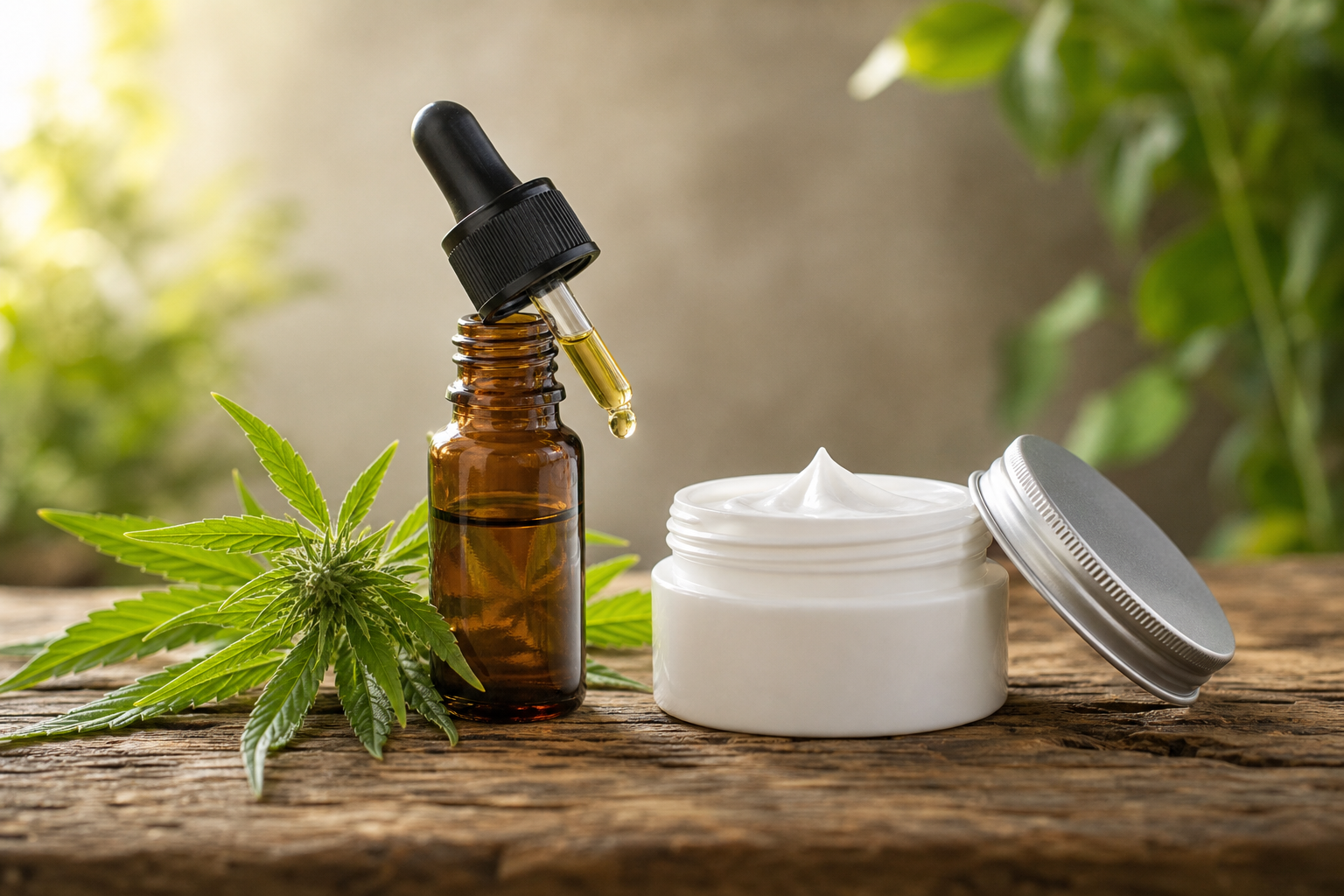
In my practice, I’ve seen topical CBD balms help patients with mild-to-moderate knee and hand arthritis, especially when they use them 2–3 times a day. But—and this is a big but—product quality matters. The FDA has flagged dozens of "CBD" products with little or no actual CBD, or mislabeled dosages. Stick with brands that provide third-party lab results, spell out CBD mg per bottle (and per dose), and use minimal fillers.
How to Choose a CBD Oil for Joint Pain (Without Wasting Your Money)
I’ll be blunt: Not all CBD oils are created equal. In fact, most of the “CBD” creams on pharmacy shelves have little research backing their actual ingredients. Here’s what I look for—and what I tell my clients, friends, and yes, even my skeptical husband:
- Lab-tested, transparent brands: Look for companies that provide a Certificate of Analysis (COA) showing the exact CBD (and THC, if present) content, plus testing for pesticides or heavy metals. Don’t just trust Amazon listings or slick packaging.
- Full-spectrum, broad-spectrum, or isolate? Full-spectrum CBD contains other cannabinoids and plant compounds, which may have a synergistic effect (the so-called "entourage effect"). Broad-spectrum is similar but typically THC-free. Isolate is pure CBD. For joint pain, many users report best results with full- or broad-spectrum oils—but sensitivities to trace THC are possible.
- Realistic dosing: For oral use, start with 5–10 mg CBD twice daily, increasing slowly. For topicals, look for at least 200–500 mg CBD per jar or bottle—not just "hemp seed oil," which has almost no CBD.
- Ingredients and extras: Watch for unnecessary fillers, fragrances, or menthol (which might confuse cooling pain relief with CBD’s effect).
And no, you don’t need to spend $100+ on a fancy oil. Some reputable, affordable brands exist, but never purchase anything without clear dosing and lab results.
CBD Oil: Pros, Cons, and “Wish Someone Had Told Me…”
- Pros: Potential for reduced pain and inflammation (especially topicals), generally well-tolerated, non-addictive, no "high." Some users see improved sleep and less anxiety—a huge plus if you live with chronic pain.
- Cons: Expensive, huge variability in absorption and response, limited human research for arthritis specifically, risk of drug interactions (especially with blood thinners/anticonvulsants), and—let’s be blunt—some products are pure snake oil.
- “Wish I’d Known:” Start low, go slow. Effects are rarely immediate; give it 2–4 weeks. Track your symptoms in a little notebook. And, always tell your doctor—especially if you’re on regular meds.
A Few Products Worth Your Attention
I’m picky about what I recommend, because I’ve seen how many "miracle" products come and go (and how much money gets wasted). If you want to try a genuinely research-backed pain reliever that won’t interact with CBD or most supplements, Voltaren Arthritis Pain Gel is a staple in my home and practice. It’s not CBD-based—but it is FDA-approved, clinically proven, and can be safely combined with CBD products for extra relief. My own father alternates between Voltaren Gel and a reputable CBD cream on his hands after golf. (And if he skips either, he knows it!)
If you’re curious about supplements for broader joint support, a comprehensive formula like Glucosamine Chondroitin Turmeric MSM & Boswellia by Vimerson Health is worth a look. It combines several well-studied joint nutrients and can be used alongside CBD (but, again, run it by your MD—especially if you’re on anticoagulants or other prescriptions).
But here’s the real kicker: no oil, cream, or pill will compensate for skipping the basics. Regular joint-friendly movement, strength training, anti-inflammatory diet tweaks, stress management—these are non-negotiable. I’ve seen CBD work as a helpful adjunct, not a stand-alone solution.
How Does CBD Compare to Other Arthritis Therapies?
Let’s cut through the noise. Most rheumatologists still prescribe NSAIDs as first-line for arthritis flares. Topical NSAIDs like Voltaren Gel are now mainstream for osteoarthritis. CBD, meanwhile, isn’t included in official arthritis guidelines (as of 2024)—but that doesn’t mean it has no role.
Here’s what my clinical experience, and a 2022 BMJ evidence review, suggest:
- CBD oil is best seen as a secondary option—something to try when you’re maxed out on NSAIDs, or want to combine multiple gentle therapies.
- Some patients see the most benefit by layering approaches: Voltaren Gel in the morning, CBD oil at night. Or, using CBD balm before bed to reduce nighttime joint throbbing, plus a supplement like Vimerson Health’s combo formula daily. No single “miracle” product—just a personalized toolkit.
- Caution: Don’t use CBD as an excuse to skip proven care. If you have hot, swollen joints or rapid changes, see your doctor to rule out more serious problems.

My Takeaways—The Real Talk on CBD Oil for Joint Pain
If you’re nodding along, you’re not alone. I’ve been in the trenches—both as a physical therapist and as a family member—watching people try everything from turmeric lattes to high-end CBD tinctures for their sore, angry knees and hands. Here’s what I truly believe after watching hundreds of real-world experiments:
- CBD oil may help some people with joint pain and inflammation—especially in topical form— but it’s not a magic bullet.
- Quality, dosing, and patience are everything. Document your symptoms and response. Be wary of anyone promising miracles (or $120 bottles with no lab report).
- CBD is generally safe, but can interact with other meds. Always check with your doctor or pharmacist—especially if you take blood thinners, anti-seizure meds, or have liver disease.
- Combine CBD with proven therapies for best effect: regular movement, physical therapy, topical NSAIDs, and a targeted joint supplement if needed.
Will CBD oil transform your joints overnight? Probably not. But for some, especially those who use it consistently and as part of a larger game plan, it can be a gentle, non-addictive tool in the arsenal. And if you’re curious, start with a reputable product, a low dose, and honest symptom tracking. As always, your body leads the way—listen closely.
If you have questions or want to share your own experience, drop me a note. I read every reader email (seriously—sometimes it takes a day or two, but I get there!).
Stay curious, keep moving, and don’t settle for living in pain.
Dr. Sarah Mitchell, DPT
Senior Health Editor, JointReliefReviews
12+ years of clinical experience in arthritis and joint care. Advocate for practical, science-backed pain relief. (Not a CBD evangelist—just here for the real talk.)