
Vitamins and Minerals Essential for Joint Health: What Most People Miss
I’ll never forget the first time a patient—let’s call her Linda—asked me, “Doc, do vitamins really help my knees, or am I just throwing money away?” She was clutching a colorful bottle, looking both hopeful and skeptical. And honestly? That’s how most people feel. The supplement aisle is overwhelming, partly because everyone’s promising you younger, happier joints in just one capsule a day. But the science? It’s more complicated, and—if you’re willing to read past the hype—a lot more interesting.
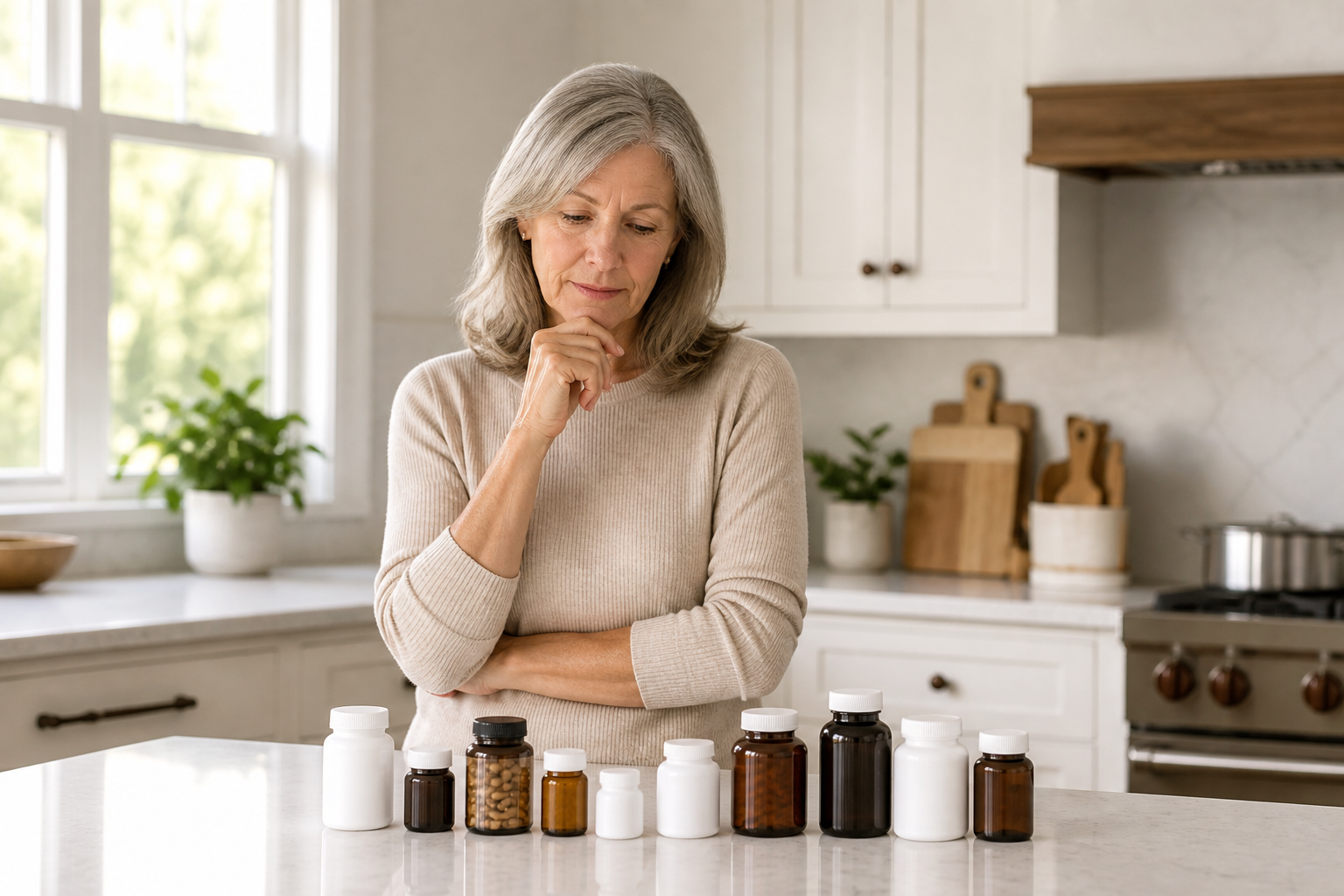
Why Joint Pain Feels Like a Full-Time Job
Here’s the thing: If you wake up stiff, avoid stairs, or dread picking up grandkids because of your knees or hips, you’re in good company. Over 32 million Americans juggle osteoarthritis. The CDC reports nearly 1 in 4 adults have been told by a doctor they have arthritis. That’s a lot of us navigating pain, swelling, and mornings where your coffee’s ready before your joints are.
And joint pain isn’t just physical—it messes with your mood, your sleep, your social life. I get emails every week from readers who feel isolated by it, which honestly breaks my heart. I see it in my clinic, too: people who’ve stopped gardening, quit pickleball, or find a trip to the store daunting. That’s why I’m so fired up about this topic. It’s not vanity—it’s about getting your daily life back. Let’s talk about what really helps.
Breaking Down the Science: The Nutrients That Matter
Let’s cut through the clutter. Here are the key vitamins and minerals—plus a couple of wild cards—that actually move the needle in joint health, according to real research (not marketing wishful thinking).
Vitamin D: The Unsung Hero for Joints
Vitamin D is the closest thing we have to joint insurance. Low levels can make joint pain worse—in fact, a 2016 study in the Journal of Rheumatology found that people with knee osteoarthritis and low vitamin D had more pain and decreased function compared to those with adequate blood levels. It isn’t magic, but it helps your body absorb calcium (another key player, see below) and supports cartilage health.
The catch? Most adults, especially over 50, aren’t getting enough. I recommend a blood test first—don’t just guess!—but typical supplements range from 1000 to 2000 IU per day. Food sources: fatty fish, egg yolks, and that rare sunny day.
Vitamin C: More Than Just Immune Support
C doesn’t just fight colds—it’s crucial for building collagen, the protein scaffolding in your cartilage. In the Arthritis & Rheumatology journal (2011), researchers showed that people with higher vitamin C intake had a lower risk of developing knee osteoarthritis.
Here’s where things get interesting: mega-dosing isn’t better. Aim for the recommended 75-90mg/day from food—think bell peppers, oranges, strawberries—or a balanced supplement if your diet is spotty.
Calcium: Joint Support, Indirectly
Calcium’s PR team pitches it for bone strength, but it’s a quiet player in joint health, too. Strong bones mean less stress on cartilage and ligaments. I always remind folks—especially postmenopausal women—to hit their 1000-1200mg daily target, best absorbed with meals.
Dairy, leafy greens, fortified foods—pick your favorite. If you’re lactose intolerant (like my brother-in-law, who discovered oat milk at 43), there are plenty of options.
Magnesium: The Smoother-Outer
If your joints feel stiff first thing in the morning, magnesium might help—by keeping muscles relaxed, it can reduce stress on your joints. Several studies (look up BMJ Open, 2017) have tied low magnesium intake to increased inflammation and pain sensitivity. I usually tell patients to try 300-400mg per day, preferably from food—pumpkin seeds, almonds, black beans—since excess supplements can, well, move things along too quickly if you know what I mean.
Omega-3s: The Inflamer-Tamers
Omega-3 fatty acids are the grand marshals of the anti-inflammatory parade. Fish oil is the classic, but chia seeds and walnuts work too. A 2015 meta-analysis in Annals of the Rheumatic Diseases showed modest pain reduction in people taking at least 1000mg EPA/DHA per day. If you eat fish 2-3 times a week, you’re likely set. Otherwise, a supplement can help fill the gaps.
The Joint-Specific Supporters: Glucosamine, Chondroitin, MSM, and More
Now, the real kicker: the nutrients with the most press—glucosamine, chondroitin, MSM, turmeric, and boswellia. Are they essential by definition? No. But are they helpful for aches, creaks, and cartilage? The evidence is nuanced, but I’ve seen enough in practice (and in the literature) to say they’re worth discussing.
- Glucosamine & Chondroitin: These are natural parts of cartilage. The GAIT Study (NEJM, 2006) found that while they’re not miracle pills, a subset of people—especially with moderate-to-severe pain—do feel noticeable relief. Dose: 1500mg glucosamine sulfate + 1200mg chondroitin daily is the classic combo.
- MSM (Methylsulfonylmethane): A 2011 study in Osteoarthritis and Cartilage found that 3g per day reduced pain over 12 weeks. Not a panacea, but for some people, a game-changer.
- Turmeric/Boswellia: Both have anti-inflammatory chops. Turmeric’s active compound, curcumin, and boswellia extract have shown pain reduction similar to NSAIDs in small trials (Phytotherapy Research, 2014). But they’re best as part of a comprehensive plan, not a solo act.

Food First—But Supplements When You Need Them
Look, I’m a huge believer in food as medicine. But here’s the reality: Not everyone can grill wild salmon, snack on pumpkin seeds, and whip up kale salads every day. That’s where supplements bridge the gap, especially for those of us with food allergies, dietary restrictions, or just...life.
I generally recommend starting with nutrient-rich foods and using supplements as a backup—not a replacement for a balanced diet. And obviously: talk to your doctor before adding anything new, especially if you’re on meds or managing chronic conditions.
Supplements That Actually Make My Short List
This is where things get tricky—there are thousands of products, but most are copycats, underdosed, or just marketing noise. Here are a couple I’ve personally reviewed, with formulas that actually make sense if you need an all-in-one approach:
- Glucosamine Chondroitin Turmeric MSM & Boswellia (Vimerson Health): This one’s a mouthful, but that’s because it covers most bases—glucosamine, chondroitin, MSM (again, nice for flexibility if you’re stiff), plus turmeric and boswellia. Over 43,000 reviews and a 4.5 average says a lot. It’s not a magic fix, but several of my patients have reported easier mornings and fewer post-hike aches. If you want a one-bottle solution, this is it.
- Nature Made Glucosamine Chondroitin Complex with MSM: For folks who prefer a trusted, widely available brand, this is solid—USP verified for purity, covers the essentials, and it’s a household name for a reason. I’ve seen good tolerance and reliable results, especially in combination with physical therapy.
Do you need both? Not at all. One is plenty—and again, check for interactions if you’re on blood thinners or other medications.
Lifestyle Tweaks That Make Nutrients Work Harder
Here’s something most supplement companies skip: vitamins and minerals only do so much if you’re sitting all day and not moving your joints. I see the biggest improvements in patients who combine smart nutrition with gentle activity and targeted self-care. A few underrated strategies:
- Staying Hydrated: Water helps lubricate your joints—think of it as engine oil for your cartilage.
- Compression Sleeves: On bad days, a supportive brace (like the Modvel Compression Knee Brace) can reduce swelling and keep you moving. I like this one because it’s affordable, widely reviewed, and actually stays up (the anti-slip strips are a lifesaver if you’re active).
- Regular, Low-Impact Exercise: Walking, swimming, cycling—motion is lotion. Your joints need movement to draw nutrients into the cartilage. Even 10 minutes a few times a day beats a single marathon session.
If you’re nodding along but feeling overwhelmed—totally normal. Start small, layer in new habits, and listen to your body as you go. I’ve seen people transform their mobility with just a few steady changes.
Yes, Genetics Matter—But You’re Not Stuck
Quick sidebar: I get a lot of “my parents both had arthritis, am I doomed?” questions. Genes play a role, but lifestyle trumps fate 9 times out of 10. I’ve watched a 72-year-old patient go from barely making it down the driveway to walking her dog daily (with a combo of vitamin D, glucosamine, and daily swim sessions). It’s never too late to start.

Common Myths—and What Actually Moves the Needle
Most articles won’t tell you this, but a lot of the outrageously expensive "designer" joint supplements are full of extras you probably don’t need. Collagen powders, for instance, have some early promise (Journal of Agricultural and Food Chemistry, 2018), but the data are still fuzzy for osteoarthritis. If you have a favorite? Go for it. But don’t break the bank.
Another myth: if a little is good, a lot is better. Not true—especially with fat-soluble vitamins like D, E, and A, which can accumulate and cause harm at high doses. Always stick to recommended levels unless your doctor says otherwise. More is not always more.
Practical Takeaways: What to Do Now
If you want to actually feel a difference, here’s what I recommend—no fluff, just what I tell my own patients and loved ones:
- Get your vitamin D checked. You can’t fix what you can’t measure.
- Prioritize food sources of C, magnesium, and calcium—but don’t stress if you need a supplement back-up.
- If joint-specific support is your goal, pick a supplement with glucosamine, chondroitin, MSM, turmeric, and/or boswellia—you don’t need a separate bottle for each.
- Move regularly. Even gentle exercise makes nutrients work harder for your joints.
- Stay realistic: supplements are helpers, not magic bullets. If you don’t feel better in 2-3 months, reassess with your provider. Sometimes physical therapy or another approach is needed.
I know this is unpopular, but the supplement industry is a business—so approach claims with healthy skepticism. But when used as part of a bigger plan? There’s real potential for better days.
One Last Word
If you’ve read this far, you deserve a pat on the back (and maybe a gentle wrist stretch). Joint health is a marathon, not a sprint. Whether you’re battling arthritis, looking to stay active as you age, or just want to beat your neighbor at tennis—smart nutrients and simple habits can get you there. And if you ever feel stuck, drop me a line. I love hearing your stories, and sometimes, a fresh perspective is the missing piece.
Wishing you all the mobility and freedom your joints can give—one step, one stretch, one smart habit at a time.
—Dr. Sarah Mitchell, DPT
Senior Health Editor, JointReliefReviews.com