
CBD Oil for Joint Pain and Inflammation: What Actually Helps?
My phone buzzed last week — it was my cousin, frustrated about her stubborn knee pain. She'd tried everything: exercises (yes, ones I recommended), ice packs, even a very questionable magnetic knee sleeve. "What about CBD oil?" she texted. "Does this stuff actually do anything for joint pain and inflammation, or is it just the latest snake oil?" If you’re nodding along, you’re not alone. Questions about CBD land in my inbox all the time — from patients, friends, and even a few skeptical colleagues at my clinic.
The Daily (and Nightly) Agony of Sore Joints
Look, if you have chronic joint pain — especially from osteoarthritis, rheumatoid arthritis, or even old sports injuries — you know the drill. Sleep gets patchy, stairs feel like a marathon, and sometimes you find yourself planning your whole day around how your knees or hands are behaving. I remember when my mother-in-law called me close to tears after her morning walk, convinced she might never garden again. That’s the reality for millions. A 2022 CDC report says nearly 1 in 4 adults in the U.S. struggles with chronic joint symptoms. That’s not just an inconvenience — it’s a daily grind that chips away at quality of life.
And the usual suspects for relief? NSAIDs, acetaminophen, compression sleeves, physical therapy (I’ll admit, I’m biased), maybe an occasional steroid injection. These approaches can help, but the side effects and long-term risks — think stomach bleeds, cardiac risk, dependence — are real. It’s no wonder people are hunting for something new. Enter: CBD oil.
CBD Oil: What Is It, and Why Is Everyone Talking?
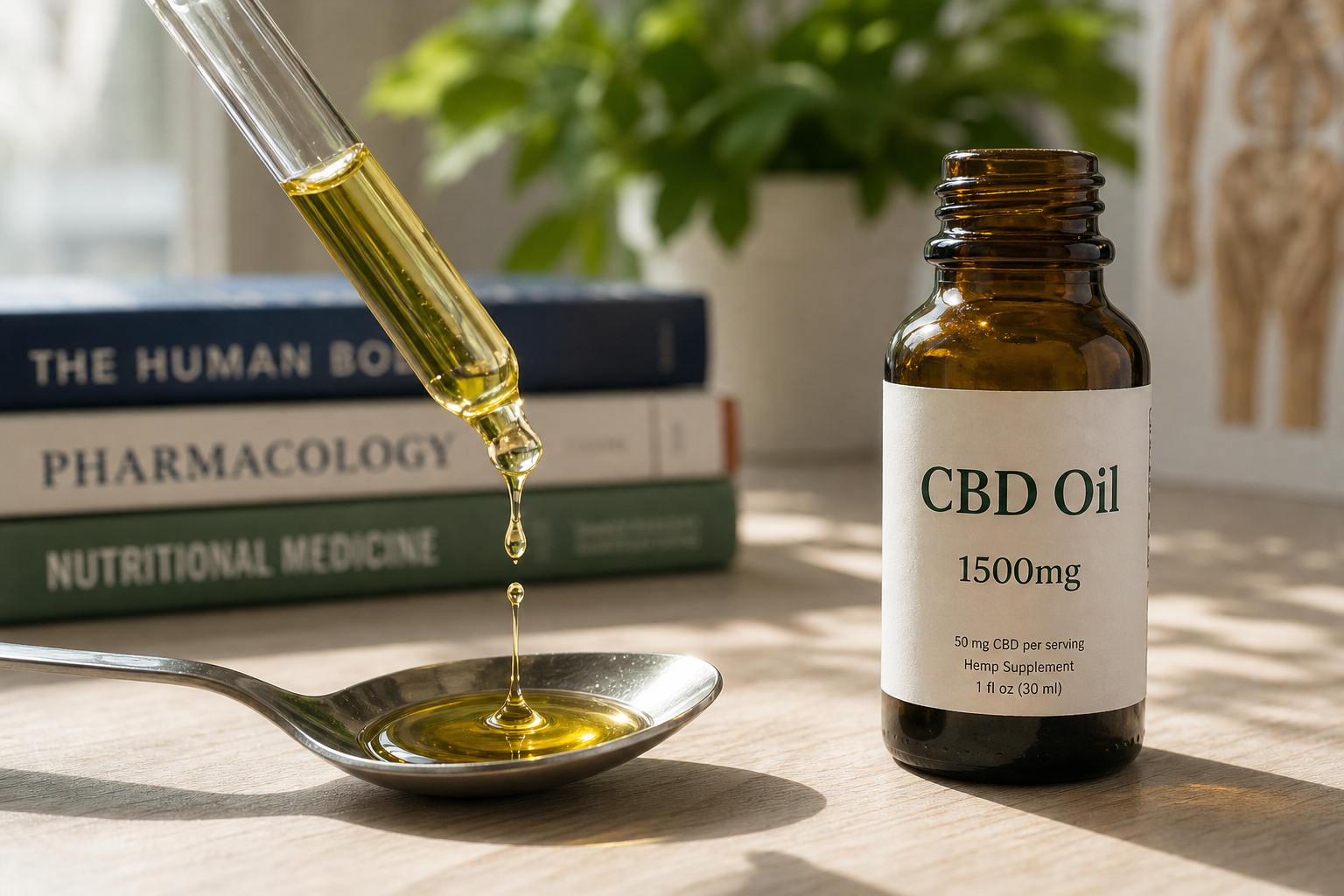
So, what exactly is CBD oil? Short version: CBD (cannabidiol) is one of the major non-psychoactive compounds in the cannabis plant. No, it won’t get you high — that’s THC’s department. Most over-the-counter CBD oils are derived from hemp, which is naturally very low in THC (under 0.3% by law in the US). You’ll find CBD in tinctures, capsules, topical creams, even gummies. Everyone from pro athletes to your neighbor’s dog seems to be using it these days.
The hype? It stems from CBD’s supposed anti-inflammatory, pain-relieving, and even calming properties. The theory: by tinkering with our body’s endocannabinoid system — a sort of master regulator for pain, inflammation, and mood — CBD might help dial down the ache and swelling in those angry joints. But does that actually play out in real life?
Here’s Where It Gets Interesting: The Science (and the Gaps)
I’m a research nerd, so I read the studies. Lots of them. Here’s the deal: Most of the early buzz around CBD for joint pain came from animal studies. For example, a widely-cited 2017 paper in European Journal of Pain showed that topical CBD reduced inflammation and pain in rats with induced arthritis. Promising, sure, but rats aren’t people.
Human data is much thinner — and a bit messier. A 2020 review in Current Opinion in Rheumatology summed it up: while there’s “biological plausibility” that CBD could help with joint pain and inflammation, high-quality clinical trials in humans are still rare. Most human studies are small (sometimes just case reports), often combine CBD with THC, and rarely use standardized dosing. That makes it tough to draw firm conclusions.
But — and this is key — that doesn’t mean there’s zero evidence. A 2022 survey published in Arthritis Care & Research found that about 1 in 4 people with arthritis in the US have tried CBD, and the majority said it helped with pain or sleep. Is that a placebo effect? Maybe. Or maybe, for some, it really is making a dent in joint discomfort. I’ve had patients tell me their nighttime aches eased enough for them to sleep through the night. Others, honestly, felt nothing different at all.
The Endocannabinoid System: CBD’s Inside Track
Here’s the science, made simple. Your body has an endocannabinoid system (ECS) — basically, a network of receptors (CB1, CB2, etc.) sprinkled through your brain, nerves, immune system, even your joints. The ECS helps regulate pain, inflammation, sleep, and mood. CBD doesn’t plug into these receptors directly like THC does, but it seems to nudge the system — increasing your natural endocannabinoids, reducing inflammation signals, and possibly lessening pain perception.
Animal studies suggest CBD suppresses inflammatory enzymes (like COX-2), reduces cytokine production (the stuff that makes joints swell), and tones down pain signals. In theory, that’s exactly what you’d want for arthritis. In practice? The jury’s still out, but anecdotal evidence is hard to ignore. Even the Arthritis Foundation published a CBD guide, though they’re careful to note it’s not a cure-all.
What to Watch For: Dosing, Quality, and Side Effects
I’ll be honest — this is where things get tricky. There’s no real "standard dose" for CBD oil and joint pain. In clinical studies, doses have ranged from 5mg to 100mg+ per day. Most over-the-counter CBD tinctures suggest starting with 10-25mg once or twice daily, then adjusting based on how you feel. Some people swear by higher doses (50-100mg), but more isn’t always better — and it gets expensive fast.
Always check the label for third-party testing (to confirm potency, purity, and lack of contaminants), especially since the FDA doesn’t regulate these supplements. Full-spectrum CBD products contain trace THC, while broad-spectrum and CBD isolate types don’t.
Side effects? For most, CBD is well-tolerated. Mild sleepiness, dry mouth, and rare stomach upset are most common. But if you’re taking other medications (especially blood thinners, seizure meds, or immunosuppressants), talk to your doctor before trying CBD. It can interact and, in rare cases, alter how your liver processes meds.
How People Use CBD for Joint Pain and Inflammation
One of my readers — a retiree with gnarly thumb arthritis — swears by a nightly 25mg CBD oil dropper under the tongue. Another prefers topical CBD cream massaged into her knees before bed. I’ve even seen some folks use both (oral for general pain, topical for flare-ups).
There’s no magic formula. Here’s the pattern I’ve noticed with patients and emails I get:
- Start low, go slow: Begin with 10-20mg per day, see how your body responds.
- Be patient: Some people feel effects after a single dose; others need a week or more of steady use before noticing much.
- Topical vs oral: Topicals (creams, balms) are best for targeting specific joints. Oils or capsules might help more with widespread discomfort or nighttime symptoms.
- Quality matters: Always look for reputable brands with third-party-lab results.
And, because someone will email me, yes — you can use CBD alongside other joint-relief strategies. In fact, you probably should. (CBD isn’t a replacement for physical therapy, smart exercise, or proven medications — just another potential tool in the kit.)
Lifestyle Strategies That Make the Biggest Difference
Even the best CBD oil won’t undo all the other factors that drive joint pain and inflammation. In my clinic, here’s what consistently moves the needle for patients:
- Smart movement: Gentle, regular activity (walking, swimming, tai chi, targeted PT exercises) keeps joints nourished and less stiff. There’s no substitute.
- Anti-inflammatory diet: Omega-3-rich foods (think salmon, walnuts, flax), loads of veggies, and fewer processed carbs are your friends. The Mediterranean diet gets top marks in the Journal of Rheumatology for OA and RA patients.
- Weight management: Every extra 10 pounds translates to 40-60 pounds of added pressure per step on your knees. Even modest weight loss helps pain scores, per a 2018 meta-analysis in Arthritis & Rheumatology.
- Sleep and stress: Chronic sleeplessness and stress fuel inflammation. Good sleep hygiene and mindfulness practices can make a surprising difference.
- Supportive tools: Compression knee sleeves, heating pads, and doctor-approved supplements may complement CBD for some.
Case in point — a few of my patients saw the most relief from combining CBD oil, a Modvel Compression Knee Brace (for daily support), and gentle strengthening exercises. No one-size-fits-all, but layering strategies usually works better than relying on one thing alone.
Comparing CBD Oil to Other Joint Pain Remedies
This is where I get grumpy with the marketing. CBD oil isn’t a “miracle cure” — but neither are glucosamine, turmeric, or even prescription NSAIDs. Each has a potential place, depending on your symptoms and preferences. The best evidence for joint pain relief actually supports a combination of:
- Physical therapy: Still the gold standard for long-term function (I’m not just saying that!).
- Topical NSAIDs: Like Voltaren Arthritis Pain Gel, which is FDA-approved and stacks up well in head-to-head pain relief studies.
- Supplements with scientific backing: The data on glucosamine/chondroitin is mixed, but some people do report relief. A combo formula like Glucosamine Chondroitin Turmeric MSM & Boswellia is worth considering if your doctor agrees.
So, how does CBD stack up? Here’s my honest take:
- CBD oil shows promise for some, especially those wanting to avoid or reduce oral NSAIDs.
- Topical CBD might be most effective for localized joint pain (hands, knees, wrists).
- Other supplements (glucosamine, turmeric) have longer track records but aren’t universally effective.
- If you have severe or rapidly worsening joint pain, get a medical evaluation. Don’t just self-treat — you could miss something serious.

What Most Articles Won’t Tell You (But I Will)
Here’s the thing: Most online CBD advice is either breathless ("miracle!"), dismissive ("does nothing"), or — let’s be honest — mainly trying to sell you something. My clinical perspective? CBD oil is worth trying if:
- You want to supplement (not replace) proven joint pain strategies, and
- You’re willing to experiment a bit with dose and form to see if it works for you.
But — and this matters — it’s not for everyone. If you’re pregnant, breastfeeding, or on complex medications, steer clear unless your doctor gives the green light. And yes, quality varies wildly. Some "CBD" products don’t actually contain CBD (buyer beware!).
One more thing: the placebo effect is real — and powerful. But in pain science, relief is relief. If a safe, well-made CBD oil helps you get through your day with less pain, I consider that a win.
My Takeaways for Real-World Relief
If you’re considering CBD oil for joint pain or inflammation, here’s what I actually tell friends and patients:
- Start with reputable brands, low doses (10-20mg/day), and titrate up slowly
- Topicals are great for targeting specific joints, oils/capsules for general relief
- Give it 2-3 weeks before deciding if it’s a keeper — some need time to notice effects
- Layer in movement, good sleep, anti-inflammatory food, and supportive gear
- Monitor for mild side effects, drug interactions (especially if you’re on critical meds)
- Don’t let anyone (including me) tell you there’s a “miracle cure” — but know you have options
The real kicker: No single solution works for everyone. It’s about stacking up small wins — a little less pain, a little more movement, and a lot more hope.
Where to Next?
If you’re CBD-curious, chat with your healthcare provider — especially if you’re juggling other health concerns. Keep an eye out for ongoing research (I watch the BMJ, Journal of Pain, and Arthritis Care & Research for updates). Your body, your experience, your call.
And if you have an experience (good, bad, or weird) with CBD oil for joint pain, I’d genuinely love to hear about it — drop me a note. We learn together!
Take care of those joints, and take care of yourself. —
Dr. Sarah Mitchell, DPT
Senior Health Editor, JointReliefReviews.com