
CBD Oil for Joint Pain and Inflammation: What Works, What Doesn't, and What I Tell My Own Patients
Here’s a story I still tell my students: An 82-year-old patient — let’s call her Ruth — walked into my clinic last year, clutching a little glass dropper bottle and whispering, “Dr. Mitchell, do you think this stuff actually does anything for my knees?” She meant CBD oil. And honestly, after twelve years in physical therapy, I’ve heard this question — in one form or another — at least a hundred times. So if you’re wondering whether CBD oil for joint pain and inflammation is worth your time (and money), you’re far from alone.

The Struggle is Real: What Joint Pain Looks Like Up Close
If you’re currently searching for answers, you probably know the drill. Maybe your mornings start with a deep ache in your hands, or your knees feel like rusty hinges every time you get up from the dinner table. Osteoarthritis, rheumatoid arthritis, and the vague “my-joints-hurt” that doesn’t fit into a tidy diagnosis — I’ve seen them all. And here’s the thing: Pain and inflammation aren’t just annoyances. They wear you down. They sap your energy, make you hesitant to move, and, in some cases, even steal your independence.
The old standbys — acetaminophen, NSAIDs, ice packs, glucosamine — help some, but not all. And many of you are rightly worried about side effects, especially if your doctor has already scolded you about your kidneys or blood pressure. So the search for safer, gentler alternatives keeps going. That’s where CBD oil enters the conversation.
Okay, But What Actually Is CBD Oil?
Let’s peel back the hype. CBD (short for cannabidiol) is a compound found in hemp and cannabis plants. Unlike THC (the part that gets you high), CBD is non-psychoactive — no buzz, no munchies, no worries about failing a drug test from a few drops of tincture.
Most commercially available CBD oil in the U.S. is derived from industrial hemp, containing less than 0.3% THC. It's legal (sort of — thanks to the 2018 Farm Bill) and available in oils, gummies, capsules, creams, roll-ons — you name it. The big promise? That it can help with pain, inflammation, and a half-dozen symptoms in between. But does it?
The Science: What Do the Studies Actually Say?
Here’s where it gets interesting — and, honestly, a little fuzzy. If you only read sensational headlines, you’ll think CBD cures everything. But I hang my hat on published research, not rumor.
- A meta-analysis in Current Rheumatology Reports (2020) surveyed over a dozen studies on cannabinoids and pain. The punchline: Animal models show real anti-inflammatory effects, but large, well-controlled human trials are still scarce.
- The European Journal of Pain (2016) published a particularly intriguing rat study — topical CBD led to significantly less joint swelling and pain behavior. Is that the same as helping a 70-year-old human knee? Not exactly, but it’s a start.
- One real-world human trial in Arthritis Care & Research (2022) found that about 37% of surveyed arthritis patients had tried CBD, and most reported some pain reduction — but only a handful experienced dramatic or sustained relief. Placebo effect? Possibly. But even a little extra comfort can be worth it when you’re desperate.
So why isn’t there more gold-standard evidence? In part, it’s because of the old stigma around cannabis, plus years of regulatory red tape. There’s also the challenge of wildly variable product quality (more on that in a minute).

How Does CBD Oil Supposedly Help Joint Pain and Inflammation?
Let’s break down the mechanism — and I’ll keep it as jargon-free as possible. Your body has something called the endocannabinoid system. This is a vast network of receptors that help regulate pain, immune response, and (yes) inflammation. CBD oil is thought to interact with these receptors — particularly CB2 receptors found in immune cells and tissues — essentially ‘dialing down’ inflammatory signals and pain perception.
Animal data also suggest that CBD may decrease cytokine production (small proteins that fuel inflammation), and limit the migration of immune cells into tissues where they don’t belong. That’s why you’ll see scientists writing about “immunomodulatory” effects. In plain English: less swelling, less tenderness, potentially more comfortable movement.
Here’s the Catch: Not All CBD Oil is Equal
I’m not gonna lie — this is where most folks trip up. The world of CBD is a little like the Wild West. The FDA doesn’t regulate over-the-counter CBD supplements the same way it does prescription meds. What does that mean for you? Some brands deliver exactly what’s on the label. Others… not so much.
For example, a 2017 JAMA study found that nearly 70% of tested CBD products were mislabeled — with some containing zero CBD and others far exceeding the stated dose. That’s why, if you decide to try CBD oil for joint pain and inflammation, reputable sourcing is crucial. Look for independent lab testing, clear labeling, and transparent sourcing. Don’t buy in a gas station or from some random Instagram ad.
And please, talk to your doctor — especially if you’re on other medications (blood thinners, anti-seizure meds, or, really, anything with a long name). CBD can interact with certain drugs, even though it’s “natural.”
How I Advise My Patients (and Family) to Use CBD Oil for Joint Pain
Here’s the script I use — whether it’s in my clinic, or at Thanksgiving dinner when my relatives corner me with questions. (Happens more than you’d think!)
- Start low. Go slow. For oral oils, most experts recommend starting at 10-20mg per day, and increasing by 5-10mg every week until you find your sweet spot — or decide it’s not for you.
- Topicals for sore spots. CBD creams, gels, and balms can be rubbed directly on achy knees, hands, or elbows. Anecdotally, patients tell me these work best for localized, surface-level pain — not deep, structural issues.
- Consistency matters. Don’t expect overnight miracles. In most animal and human studies, benefits take days (sometimes weeks) to show up. Give it a fair shot, but set realistic expectations.
- Don’t ditch proven therapies. I have to say this, even if it sounds boring: CBD oil is a supplement, not a replacement for physical therapy, meds your doctor prescribes, or smart lifestyle changes. Think “add-on,” not “magic bullet.”
I remember when my mother-in-law tried a CBD balm for her thumb arthritis — her honest take: “It helps a little… but I still need my hot pack and finger stretches.” That’s about right for most people.
How Does CBD Compare to Other Joint Pain Options?
So, is CBD oil a game-changer, or just the latest wellness fad? Here’s how it stacks up:
- Traditional NSAIDs (ibuprofen, naproxen): Still the strongest over-the-counter option for acute pain and swelling, but long-term use can be rough on the gut, kidneys, and heart.
- Topicals: Creams like Voltaren Arthritis Pain Gel are FDA-approved, non-greasy, and work directly at the source. In my clinic, I see good results for mild to moderate arthritis, especially when combined with gentle movement.
- Supplements: Glucosamine, chondroitin, turmeric — some swear by them, others see zip. The data is mixed, but if you’re interested in a comprehensive joint formula, I’ve had several patients try Glucosamine Chondroitin Turmeric MSM & Boswellia (about $28, decent reviews).
And, look — I always encourage my patients to pair any supplement with the basics: movement (even gentle stretching), heat/ice, and solid sleep. That combo is more powerful than any single trend.
What About Side Effects?
Most people tolerate CBD oil pretty well. Common side effects (if any) include mild drowsiness, dry mouth, changes in appetite, and sometimes loose bowels if you overdo it. Rarely, it can mess with liver enzymes or interact with meds — again, check with your MD if you’re taking other prescriptions religiously.
One thing I tell all my patients: watch out for “full spectrum” CBD, which may contain trace amounts of THC. While it’s not usually enough to cause problems, those especially sensitive or in jobs with drug testing may want to stick to broad-spectrum or pure CBD isolate products.
How to Shop Smart (and Avoid Wasting Your Money)
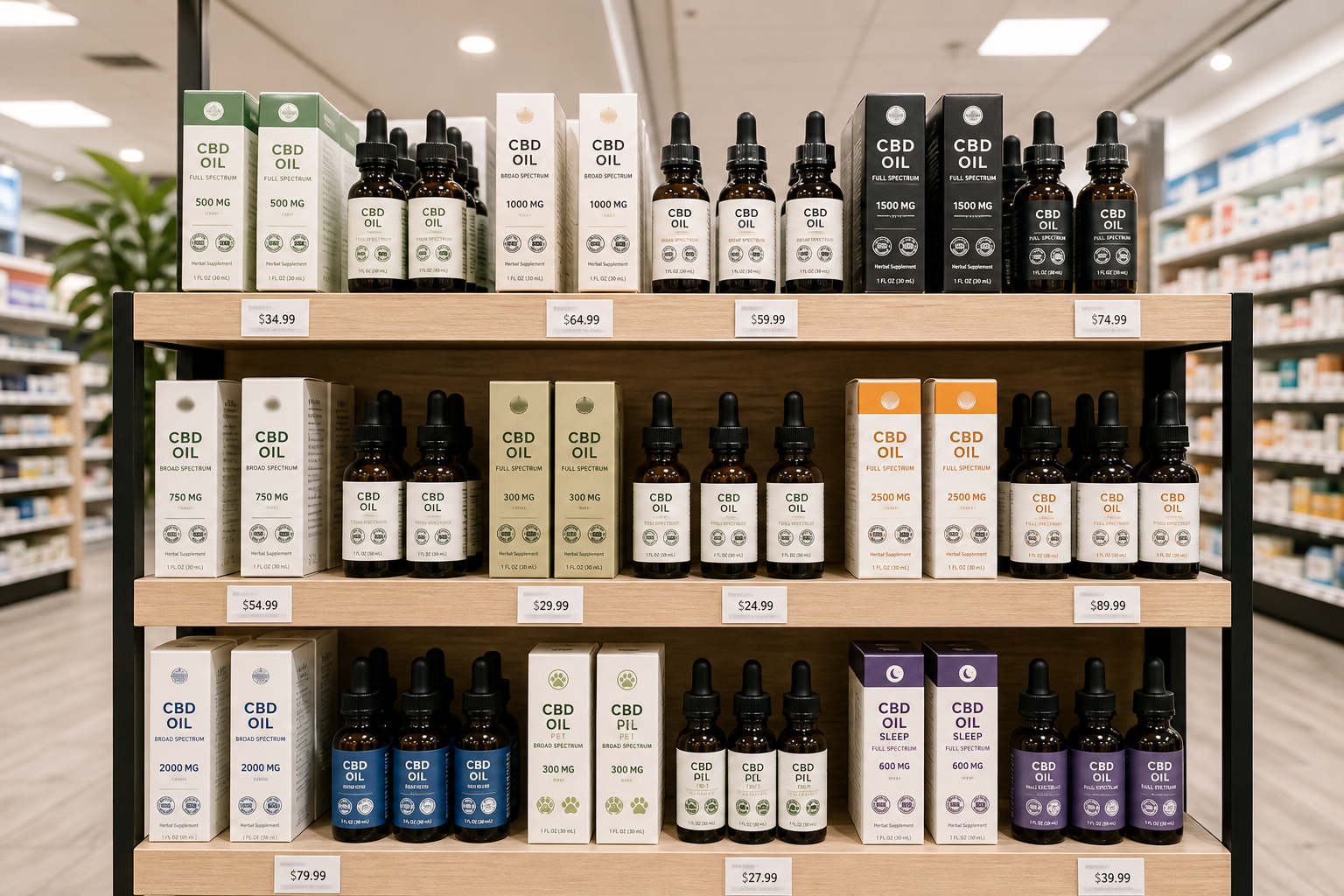
So, you’re tempted to try CBD oil for joint pain and inflammation — but you’re overwhelmed by the dizzying shelf at your local pharmacy. I get it. Here are my quick checkpoints:
- Third-party testing: Look for brands that publish independent lab results for every batch. These should be easy to find online, not behind a paywall or after three emails.
- Clear labeling: The label should tell you exactly how much CBD is in each serving, plus ingredients, and whether it’s full/broad-spectrum or isolate.
- Reasonable price: If it seems too cheap, it probably is. Quality CBD oil runs $30–$60 for a month’s supply. Be wary of bargains.
- Positive reviews: Yes, reviews can be faked, but thousands of positive experiences still tell you something. If you’re seeing pages of angry customers, move on.
I don’t endorse any single brand, but I tell patients to stick with companies that have been around a while and have a strong web presence — not just influencer marketing.
Natural Ways to Boost Your Joint Relief
CBD oil is one tool in your toolbox, not the whole workshop. Here are a few pain-management tactics I turn to again and again — sometimes in combination with CBD, sometimes not:
- Heat therapy: A simple Pure Enrichment PureRelief XL Heating Pad makes a world of difference for stiff knees, backs, and shoulders. Patients love its extra-large size and moist heat option — I’ve even used it myself on marathon clinic days.
- Gentle movement: Don’t underestimate the power of mini-walks, gentle yoga, or aquatic exercise. Even when joints hurt, movement (in safe amounts) is medicine.
- Anti-inflammatory diet: I’m not a nutritionist, but there’s decent evidence that Mediterranean-style eating (lots of veggies, healthy fats, limited processed foods) can help tamp down chronic inflammation. A 2022 study in BMJ found arthritis patients on this diet reported less pain and improved function after three months.
- Stress reduction: Meditation, deep breathing, or even connecting with friends. Chronic pain is louder when your stress is higher — it’s not all in your head, but your brain does influence pain signals.
What I’m Watching for Next: The Unfinished Story of CBD Oil
I’ll be honest — I wish I could tell every patient that CBD oil for joint pain and inflammation is a slam dunk. But the truth is, we’re still piecing together the full picture. More large-scale, double-blind clinical trials are coming down the pipeline as regulations relax. My hope? In the next three to five years, we’ll have clearer guidelines, precise dosing info, and (fingers crossed) insurance coverage for the products that actually work.
For now, I see CBD as a reasonable “worth a try” for many people — especially those who’ve run the gauntlet of other remedies with little relief, and who want to avoid heavier-duty prescriptions. Just don’t expect it to be your only answer.
Key Takeaways (If You Skipped to the Bottom)
- CBD oil may help some people with joint pain and inflammation, but results are mixed and highly individual.
- Quality matters: buy from reputable, lab-tested brands with clear labeling — and avoid sketchy, too-good-to-be-true deals.
- Start with low doses, be consistent, and always consult your doctor — especially if you’re on other medications.
- CBD works best as part of a holistic pain management plan — not as a cure-all or replacement for proven therapies.
Navigating joint pain is hard enough without hype and half-truths. If you’re considering CBD oil, I hope you feel a little more informed — and a little less alone — after reading this. Stay curious, stay safe, and don’t be shy about asking your healthcare team the tough questions. That’s what we’re here for.
Dr. Sarah Mitchell, DPT
Senior Health Editor, JointReliefReviews
Over 12 years of experience helping real people manage real joint pain