
CBD Oil for Joint Pain and Inflammation: Hope or Hype?
Last Thanksgiving, my cousin Nora hobbled into my kitchen, wincing with every step. She’d tried everything for her aching knees — ice packs, topical gels, even turmeric lattes (which, for the record, she hated). But what caught my ear was her question: “Linda, have you seen people getting real results from CBD oil for joint pain and inflammation?”
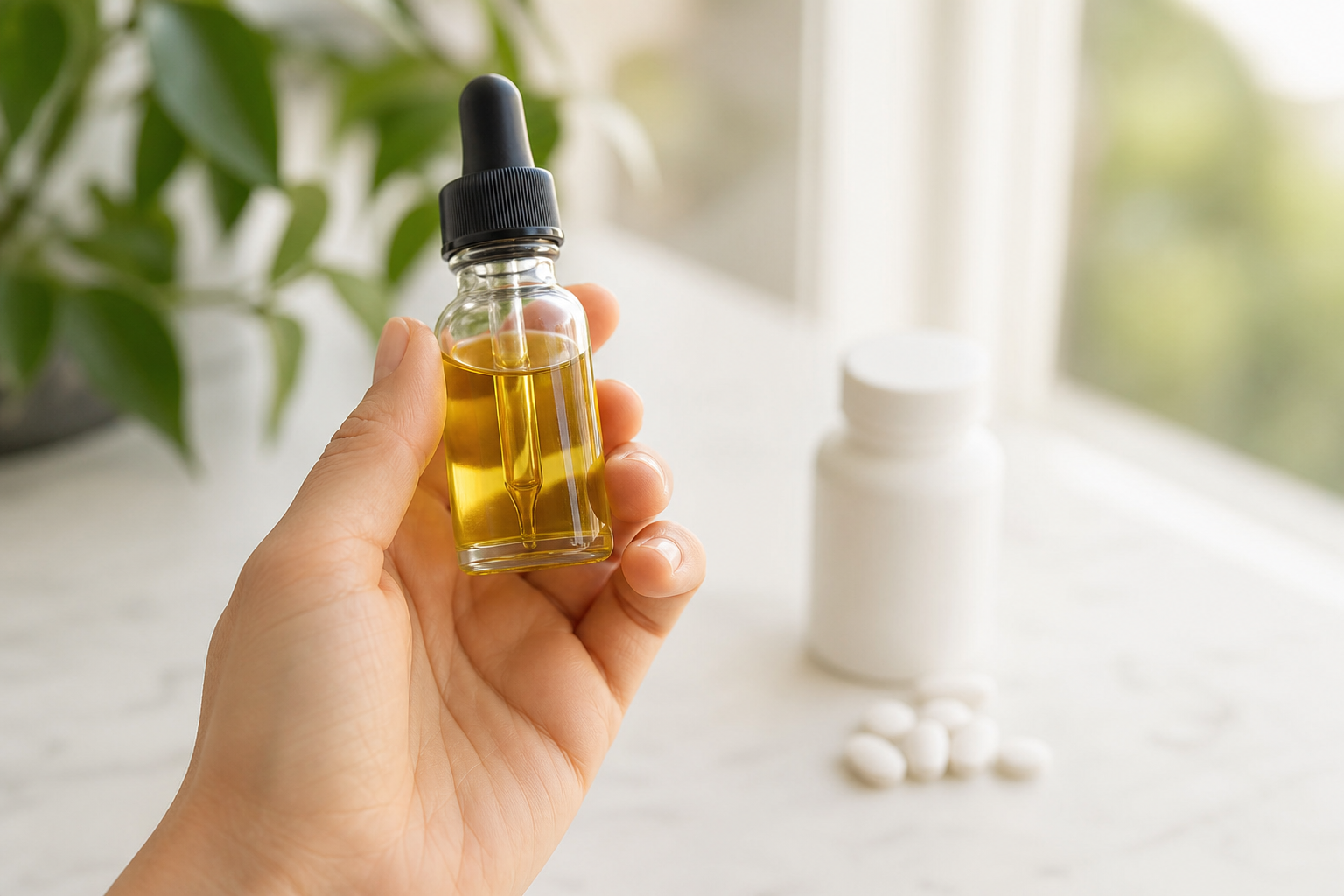
I’ve gotten this question from dozens of patients and more than a few family members. Look, when you deal with daily pain, you’d try just about anything to get your life back. So, if you’re nodding along, you’re in good company — there’s a reason Google searches for ‘CBD joint pain’ have quadrupled since 2017.
Why Joint Pain Turns Life Sideways
Chronic joint pain is a thief. It steals your walks, your sleep, your patience. Whether it’s your knees, hips, or stubborn finger joints, the pain itself is often joined by swelling and stiffness — a triple whammy I saw daily in my 20 years as an orthopedic nurse. Sometimes, it’s osteoarthritis wearing down the cartilage. Other times, a lingering sports injury, or (worse) an autoimmune storm like rheumatoid arthritis. But the bottom line? That daily ache makes even the simplest tasks feel herculean.
Most folks I’ve met have already run the gauntlet: prescription NSAIDs (which nibble at your stomach lining), Tylenol, physical therapy, icy-hot patches, turmeric supplements, and on and on. CBD oil, though? That’s still new territory for a lot of people — and let’s be honest: there’s more confusion than clarity out there.
CBD Oil: What It Is and How It Supposedly Works
Here’s the thing: CBD, short for cannabidiol, is one of over 100 cannabinoids extracted from the cannabis plant. Unlike its cousin THC, CBD won’t get you high. Instead, researchers are intrigued by its potential to tamp down inflammation and manage pain by interacting with your body’s endocannabinoid system — a network of receptors that basically helps regulate pain, mood, and even your immune response.
In theory, CBD oil could help reduce joint inflammation — and the resulting pain. But does the evidence measure up to the hype?
What the Science Says (And What It Doesn’t)
I’ll be honest — I started out as a skeptic. After all, early headlines promised CBD as a magic bullet, but I’ve seen enough “miracle cures” fizzle out. Still, the last few years have delivered some solid data worth considering.
- Animal studies: Multiple rat studies (hello, European Journal of Pain, 2016) show that topical or oral CBD seems to reduce inflammation and pain markers in arthritic joints. Of course, rats are not people, but it’s a start.
- Human trials: Here’s where it gets interesting — and frustrating. Small trials (like a 2020 Arthritis Care & Research study) found that CBD oil didn’t significantly beat placebo for knee osteoarthritis pain. But then, a 2022 review in Current Opinion in Rheumatology noted improvements in some patients with inflammatory arthritis using CBD, especially as an add-on to standard therapy.
- Real-world reports: I’ve spoken with folks who swear by it for aches and sleep, and a 2021 Journal of Cannabis Research survey found that about 60% of people with arthritis using CBD rated it as “effective” for pain. Is that a scientific slam-dunk? No. But it’s not nothing, either.
Bottom line: The jury’s still out, especially for long-term use and for specific types of joint pain. Most big rheumatology societies won’t flat-out recommend CBD oil yet, but they don’t rule it out either — especially if you’ve exhausted standard care and want to try something relatively safe.

CBD vs. Conventional Joint Pain Remedies
If you’re considering CBD oil, you’re probably sizing it up against NSAIDs, acetaminophen, or even prescription painkillers. Here’s how it stacks up:
- NSAIDs (like ibuprofen): Fast-acting but hard on the gut and kidneys long-term. I’ve seen plenty of folks get ulcers or blood pressure spikes from daily use.
- Acetaminophen: Safer for the stomach, but less powerful for inflammation. And the liver risks with high doses are very real (ask me about the time a patient mixed it with “a little” wine — not pretty).
- Prescription options: Can work, but the risk of addiction or sedation is no joke.
- Topical gels (like Voltaren Arthritis Pain Gel): Honestly, this is my go-to for many. Diclofenac gel is FDA-approved and clinically proven for arthritis — and doesn’t trash your stomach lining.
CBD oil sits somewhere in the “less risk, more question marks” category. Side effects are usually mild (sleepiness, dry mouth, rare liver lab changes), but CBD can interact with some meds — especially blood thinners or seizure meds. Always talk to your doctor or pharmacist before trying CBD, especially if you’re on prescriptions. I can’t stress that enough.
Types of CBD Products for Joint Pain (And How to Use Them)
Here’s where CBD gets overwhelming. You’ll see oils, capsules, gummies, balms, even bath bombs. For joint pain, the two main routes people try are:
- Sublingual oils/tinctures: You place drops under your tongue. This offers relatively fast absorption (20–40 minutes). Dosage varies wildly, but most studies use 20–50mg per dose — start low, and don’t expect miracles overnight.
- Topical creams/balms: Massage directly onto sore joints. A 2019 PeerJ Life & Environment study suggested relief for localized pain, especially in hands, knees, and wrists. Bonus: Less risk of systemic side effects.
Personally, I’ve seen more success stories with topicals for minor joint pain, and sublingual oils for people battling widespread discomfort or sleep issues. Edibles (like gummies) are convenient but can be hard to dose consistently.
How to Pick a CBD Oil That Isn’t Garbage
Confession: The CBD market is the Wild West. The FDA barely regulates these products, and studies have shown that about 40% of CBD oils are mislabeled — either way under-potent or (worse) full of contaminants. I had a patient once try a “high-strength” oil from a gas station and ended up with palpitations. Don’t do that.
So here’s my check-list, hard-earned from reading COAs (Certificates of Analysis) till my eyes crossed:
- Third-party testing: Only buy brands that provide a current COA verifying CBD content and purity. No exceptions.
- Type of CBD: Full-spectrum (contains trace THC, legal under 0.3%) may be more effective for pain due to the “entourage effect.” Broad-spectrum removes THC. CBD isolate is pure, but may be less potent for joint pain.
- Realistic dosage: Many brands hide actual milligrams per dose. Look for at least 20mg/serving if you’re managing moderate pain — and start at half that to see how you respond.
- No snake oil claims: If a company promises to “cure arthritis” or “reverse aging,” run the other way.
- Affordable, but not suspiciously cheap: Quality CBD isn’t bargain-basement. If it’s half the price of competitors, there’s probably a reason (and it’s not a good one).
For readers who are curious, I often see Voltaren Gel and well-tested CBD roll-ons or tinctures paired together for a one-two punch. Again, I’m not anti-supplement — just pro-safety and common sense.
Real Stories: When CBD Oil Helps (and When It Fizzles)
Nora (my cousin) tried a reputable full-spectrum CBD oil — about 25mg/day, sublingually. After three weeks, she reported her knees were “a little less stiff, and I’m sleeping better.” Not a miracle, but meaningful. Another reader emailed last winter: “I use a CBD roll-on for my thumb arthritis, but honestly, your suggestion to combine it with hand exercises from Treat Your Own Knees finally got me off the Tylenol treadmill.” (That book is a game-changer if you want practical, research-based home therapy.)
But for every Nora, there’s someone who tries a bottle or two and gets nothing. In my experience, the folks who benefit most from CBD generally fall into two camps: 1) those with milder, inflammatory aches (think daily activity soreness), and 2) those using it as part of a broader toolkit — not as a solo solution.
Mixing CBD with Lifestyle Strategies for Real Relief
Here’s what most flashy articles won’t tell you: CBD oil, on its own, rarely performs miracles. The biggest gains come when you stack it with other smart strategies. Over two decades, here’s what I see move the needle for joint pain and inflammation:
- Regular, gentle movement: Think daily walking, water aerobics, or a short home exercise program. Not sexy, but Arthritis & Rheumatology (2021) found that even 10 minutes a day helps slow joint degeneration.
- Topical relief: As I mentioned, Voltaren Gel is hands-down one of my favorites for arthritis. Layer with CBD balm if you like — just avoid broken skin.
- Targeted supplements: The research on glucosamine/chondroitin is mixed, but a combo formula like Glucosamine Chondroitin Turmeric MSM & Boswellia may help people with mild to moderate joint issues. I usually tell people to try it for three months and reassess.
- Mind the mind: Stress is an inflammation accelerator. I’m not saying CBD will cure anxiety, but a lot of folks report feeling calmer — which can, in turn, help with pain perception.
And please, check with your healthcare provider before mixing supplements or starting new routines — especially if you take prescription meds.

Side Effects and Safety: What You Need to Know
Most people tolerate CBD well, but the medical nerd in me has to give you the fine print. The big risks:
- Liver enzymes: High doses (think 100mg/day or more) can raise liver labs, especially if combined with other meds that stress the liver.
- Medication interactions: CBD can boost levels of blood thinners (warfarin), antiepileptics, and some antidepressants. If you’re not sure, ask your doctor or pharmacist.
- Next-day sleepiness: Not universal, but I’ve seen it — especially with higher doses.
- Quality is king: Again, only buy third-party tested products. If it sounds too good to be true, trust your gut.
Pregnant or breastfeeding? I’d give CBD oil a hard pass until we know more. Same goes for kids — safety data just isn’t there yet.
Where CBD Shines — And Where It Doesn’t (Yet)
So, does CBD oil work for joint pain and inflammation? Sometimes, and especially as part of a bigger plan. The strongest success stories I’ve seen are for:
- Mild-to-moderate joint aches — especially if NSAIDs aren’t an option
- People wanting better sleep (which indirectly helps pain!)
- Those looking for a safer alternative after exhausting other options
But — and this is important — if you have severe pain, rapidly worsening joint swelling, or develop unexplained redness and heat, please see a doctor. CBD can’t fix serious underlying issues like infection or advanced arthritis — don’t let anyone tell you otherwise.
My Takeaways (And How I’d Use CBD Oil)
- Start low, go slow. 10–20mg sublingually, or a dime-sized dab of balm. If you notice no effect after a week, bump up slightly. Most people see results (if any) within 2–4 weeks.
- Pair CBD with physical activity, a proven topical like Voltaren Gel, and smart supplements for best results.
- Vet brands for third-party testing, full-spectrum content, and realistic dosage info. If there’s no COA, move on.
- Keep expectations realistic. For most, CBD offers subtle, not dramatic, relief. It’s one piece of the puzzle — not the whole picture.
- Check in with your doc if you’re on other meds or have health concerns. Really, do it.
If you’re curious, try a high-quality oil or balm from a reputable source for a month. Track your symptoms. If it helps you move, sleep, or smile a bit easier — that’s a win in my book.
And if you discover the magic combo that tames your pain? Shoot me an email. Your story might just help the next reader who’s desperate for honest answers.
Linda Hargrove, RN, is a registered nurse, joint pain columnist, and former orthopedic care specialist. She writes practical, research-backed advice for JointReliefReviews.com.