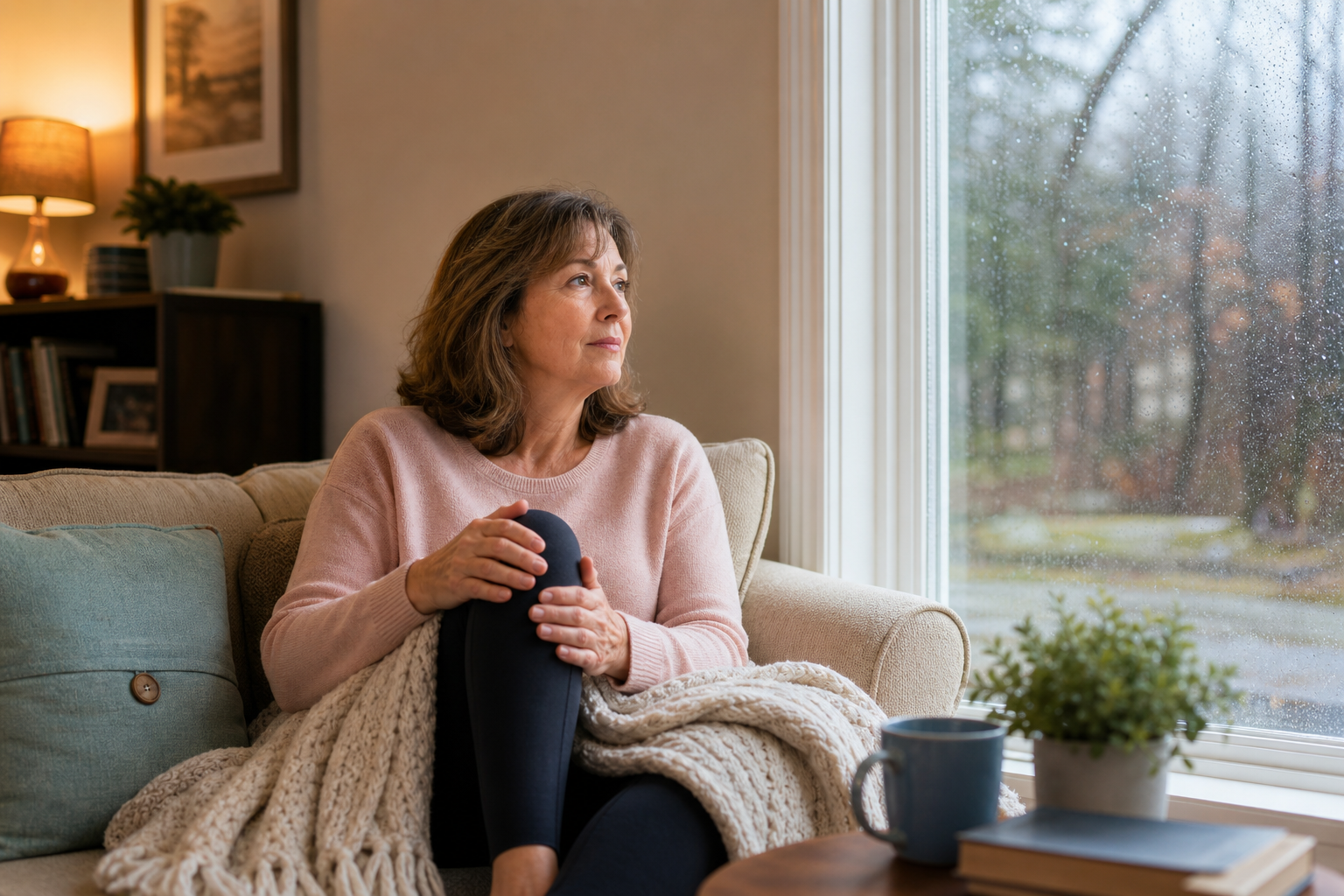
The Surprising Science Behind Weather and Joint Pain: Here’s What I’ve Learned
I’ll never forget my mother-in-law’s uncanny ability to predict rain. She’d sit at the table, rubbing her stiff knuckles, and say, “Storm’s coming.” Sure enough, a downpour would follow. At first, I chalked it up to old wives’ tales. But here’s the thing: after two decades reporting on arthritis and joint health, and enduring my own creaky knees, I’ve seen too many people—readers, patients, family—make the same complaint. Turns out, there’s more to it than folklore.
The Struggle is Real (and You’re Not Alone)
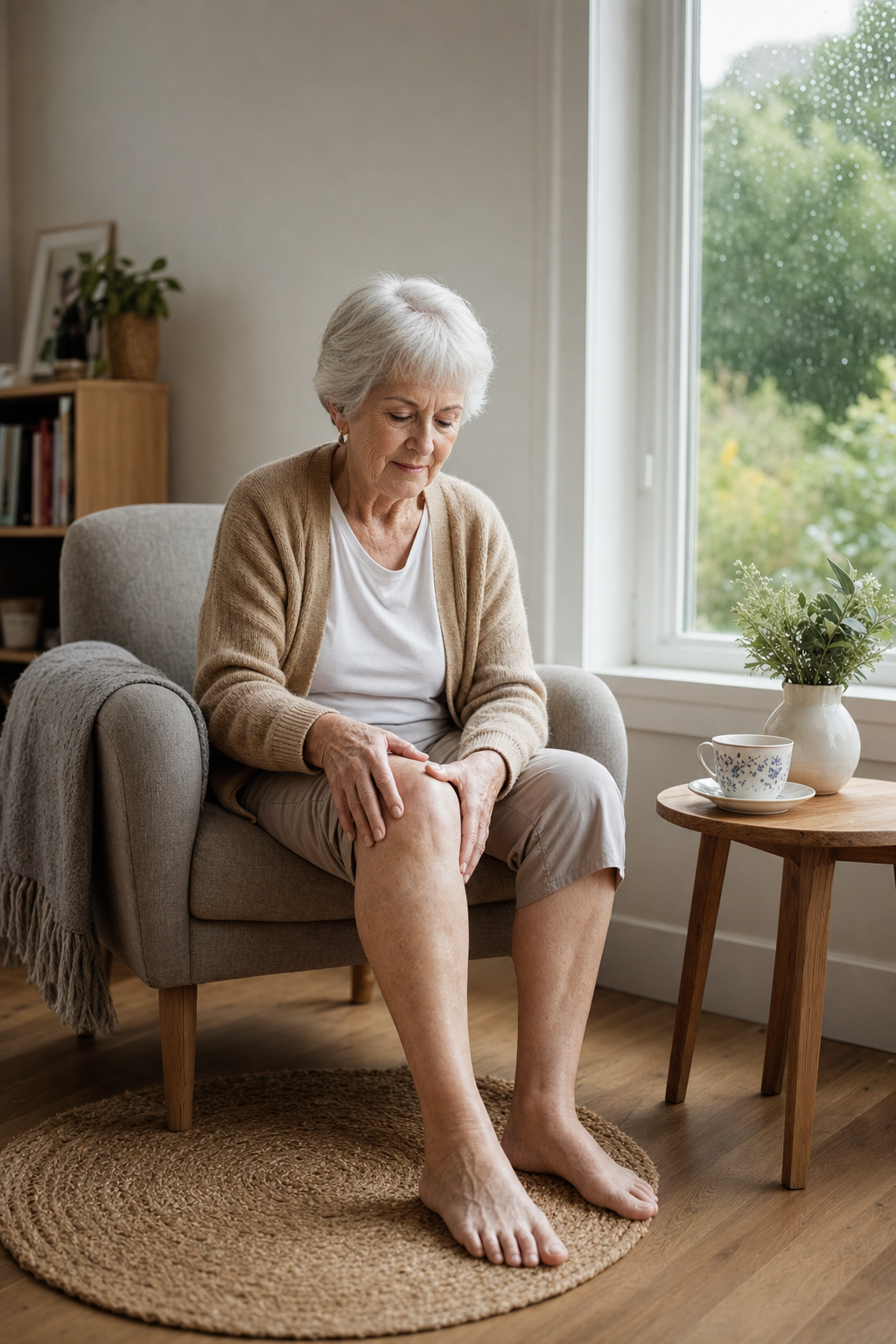
If you’ve ever winced when a cold front rolls in or dreaded humid summer days because your joints act up, you’re in crowded company. A 2019 survey from the Arthritis Foundation found that nearly 70% of people with arthritis say their pain worsens with weather changes. And it’s not just older adults—plenty of my younger readers email about this, too, especially after sports injuries or surgeries.
Here’s what rarely gets said: doctors used to brush off the weather-pain link entirely. Many still do. But the research keeps growing, and ignoring all these lived experiences (not to mention my own cranky knees) feels shortsighted. If you’re nodding along, you’re definitely not imagining things.
So, What Really Causes Weather-Related Joint Pain?
Let’s get into the weeds. The culprit getting the most attention lately is barometric pressure—the weight of the air pressing down on our bodies. When a storm approaches, barometric pressure drops. That subtle shift can allow tissues in and around arthritic joints to expand ever so slightly, leading to increased pain or stiffness. It’s a tiny change, but for inflamed joints, it’s enough to matter. Several studies, including one in Arthritis & Rheumatology (2014), found a direct correlation between falling barometric pressure and self-reported pain spikes.
Temperature matters, too—but maybe not how you’d think. Cold weather often gets blamed, but research from the Journal of Rheumatology (2017) suggests it’s not just low temps, but rapid changes that make joints grumble. And humidity? It’s a wildcard. Some people feel worse when the air’s damp, others when it’s dry. The British Medical Journal even published a (surprisingly readable) study in 2016 showing the effect can vary by joint type and condition.
Here’s where it gets interesting: not everyone reacts the same way. Genetics, baseline inflammation, joint history—all play a role. In my own experience, my knees start acting up during cold, rainy spells, but my neighbor gets sore in muggy heat. It’s highly individual.
Does Science Really Back This Up? (Short Answer: Mostly)
Most articles will tell you, “Well, the evidence is mixed.” That’s true, but it’s more nuanced than that. There are robust studies—like the 2014 University of Manchester project, which tracked over 13,000 people using a smartphone app (“Cloudy with a Chance of Pain”—yes, really). They found that lower atmospheric pressure and higher humidity consistently made pain worse for a big chunk of users with chronic joint issues.
But here’s the mild controversy: Some researchers argue that the effect is small, or that people simply notice their pain more when the weather’s bad. As someone who’s had literal bone-on-bone cartilage loss, I can tell you—bad weather doesn’t make me dwell on pain, it makes me feel it. The correlation may not be one-size-fits-all, but it’s real for many of us.
How Weather Impacts Your Joints: The Actual Mechanisms
- Barometric Pressure Drops: Leads to tissue expansion, stressing nerves in swollen or damaged joints.
- Temperature Fluctuations: Cold can increase joint stiffness. Sudden swings are especially tough for those with chronic inflammation.
- Humidity Swings: Can worsen swelling in joint linings, or affect how quickly synovial fluid lubricates the joint space.
- Reduced Sunlight: Common in gloomy weather, can lower vitamin D levels, possibly heightening pain perception.
There’s even emerging data on how weather patterns might change neurotransmitter levels linked to pain sensitivity. No wonder this feels so unpredictable sometimes.
Who’s Most at Risk?
If you have osteoarthritis, rheumatoid arthritis, old joint injuries, or any chronic inflammation—welcome to the party. Joint surgeries (like knee or hip replacements) can also leave people “weather sensitive.” I’m always surprised by how many runners, tennis players, and even young gym-goers write me with these complaints once they’ve tweaked a knee or ankle.
What Actually Helps? My Patient-Tested Action List
Alright, science lesson over. Here’s what really helps—drawn from my own routines, years of interviews, and, yes, a few failed experiments. If you’re looking for a cure, I’ll be honest: nothing can stop the weather. But you can absolutely stack the deck in your favor.
- Keep Moving (Gently): Sitting through a whole cold snap on the couch is tempting, but movement keeps synovial fluid circulating in your joints. I favor low-impact activities—indoor walking, gentle yoga, or stationary biking during bad weather.
- Warmth is Your Friend: My go-to during cold, damp spells is a big, soft heating pad. I’ve tested dozens, but the Pure Enrichment PureRelief XL Heating Pad (moist heat option is a game-changer, and the auto shut-off means I can actually nap safely) gives consistent, deep relief.
- Compression Sleeves: Not gonna lie, I used to think these were just for athletes. But when barometric pressure drops, I reach for my Modvel Compression Knee Brace. The gentle pressure seems to reduce that “swollen balloon” feeling, and with over 75,000 Amazon reviews, I’m far from the only fan.
- Avoid Rapid Temperature Swings: Shower in warm (not hot) water, and try to dress in breathable layers. Sudden cold shocks after a hot bath? My knees hate it every time.
- Stay Hydrated: Dehydration sneaks up on us in cold weather, and stiffer joints are often simply ‘dryer’ inside. Drink more water than you think you need.
One more: track your own weather-pain patterns. I’ve kept a simple notebook for years—just jot down pain levels and weather changes. It helps me spot trends and even plan ahead (like carrying a sleeve or pain gel in my bag before a storm).
What About Supplements and Meds?
This is where things get dicey. I’m not a doctor, so always—always—talk to yours before starting anything new. But there is evidence for a few approaches:
- Topical NSAIDs: Like Voltaren Arthritis Pain Gel (diclofenac sodium). It’s FDA-approved, non-greasy, and plenty of my readers swear it takes the edge off when storms roll in.
- Glucosamine & Chondroitin: The data is mixed, I’ll admit. Some 2020 meta-analyses show mild pain reduction with sustained daily use (usually 1,500mg glucosamine sulfate + 1,200mg chondroitin). Don’t expect miracles, but for some, it’s part of the toolkit.
- Vitamin D: If you live somewhere dark or gloomy, ask your doctor about supplementing. Low D levels have been associated with higher pain sensitivity, especially in older adults (BMJ, 2013).
And for my fellow “try everything once” folks: acupuncture, Epsom salt baths, CBD balms—I’ve tried them all. Results are hit-or-miss, but some people find real comfort, especially paired with the basics above.
Why Is Weather Sensitivity So Unpredictable?
Look, this frustrates me as much as anyone. Some days, a cold snap is a nothing-burger; others, I’m limping by 10 a.m. The honest answer: the body is complicated, and pain is affected by mood, sleep, stress, even what we eat. There’s no single “weather forecast” for joint pain. That said, you can get savvier by:
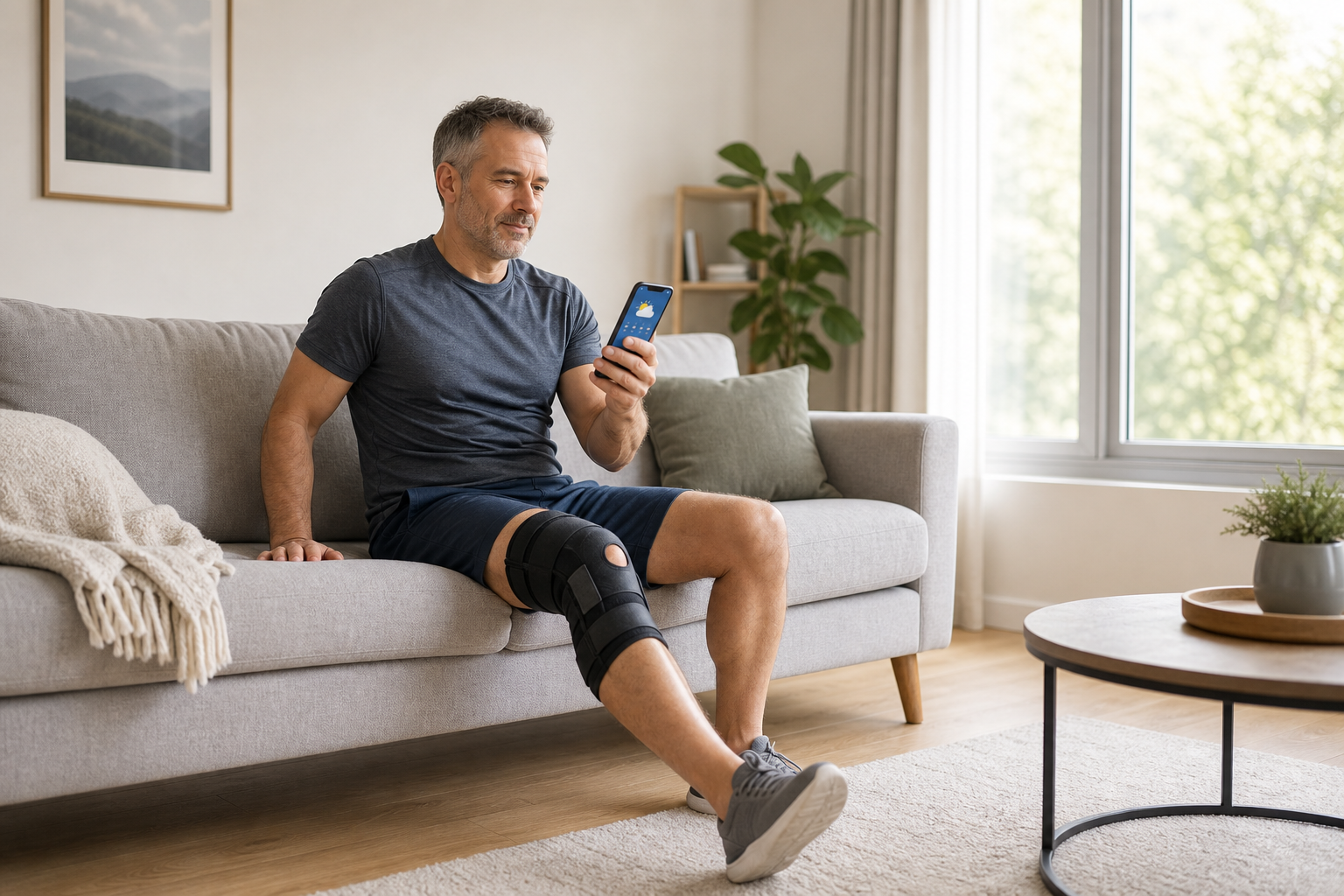
- Keeping a pain diary tied to weather patterns (your local weather app is your friend here).
- Paying close attention to sleep quality—bad weather can mess with sleep, and poor sleep increases pain sensitivity (Journal of Pain, 2018).
- Trying different relief strategies to see what works for you—don’t be afraid to experiment, safely.

Can You “Weather-Proof” Your Joints?
Not entirely—but you can build resilience. I’m a big believer in physical therapy (PT), even if you don’t have major injuries. A great beginner resource is Treat Your Own Knees by Jim Johnson, PT. The exercises are straightforward, don’t require fancy equipment, and (here’s the real kicker) are backed by actual clinical research, not just wishful thinking.
Muscle strength and joint flexibility act as a buffer—so even if the weather deals you a bad hand, your pain won’t hit quite as hard. With my own knees, a simple routine of quad and hip work (think: wall sits, gentle squats, resistance bands) made a bigger difference than any supplement ever did.
What Most People Get Wrong
I know this is unpopular, but obsessing over “the perfect supplement” or magic bullet usually leads to disappointment. Your best bet is a blend of smart movement, warmth, joint support, and targeted pain relief. Ignore the Instagram fads—focus on what’s proven, and what feels right for your body.
My Personal Takeaways (After 20 Years—And Counting)
If you’re still with me, here’s my honest, hard-won advice about weather and joint pain:
- You’re not imagining it. Science supports what millions of us feel.
- Track your pain patterns—knowledge is power, and it helps you stay one step ahead.
- Favor simple, research-backed tools over “miracle” cures—like a heating pad, compression sleeve, or PT exercises.
- Stay connected: weather-related pain can feel isolating. Talk with friends, or (if you want) email me your story—my inbox is always open.
I’m not going to claim you can outsmart the weather, but you can build a toolkit that makes bad weather days a little less daunting. That’s been the biggest game-changer for me—and for more readers than I can count.
Final Thoughts
Maybe you’re the type who can sense rain before the first cloud forms. Maybe you just want to get through winter without feeling like the Tin Man. Either way, understanding the weather-joint pain connection is the first step to taking back some control.
Stay warm, stay moving, and be gentle with yourself—your joints, and your mood, will thank you. And if you stumble on a trick that really works, do share. We’re all in this together.
- Karen Whitfield, veteran health journalist and joint pain survivor