SAMe Supplement for Osteoarthritis: What the Science Really Says (and What Worked for Me)
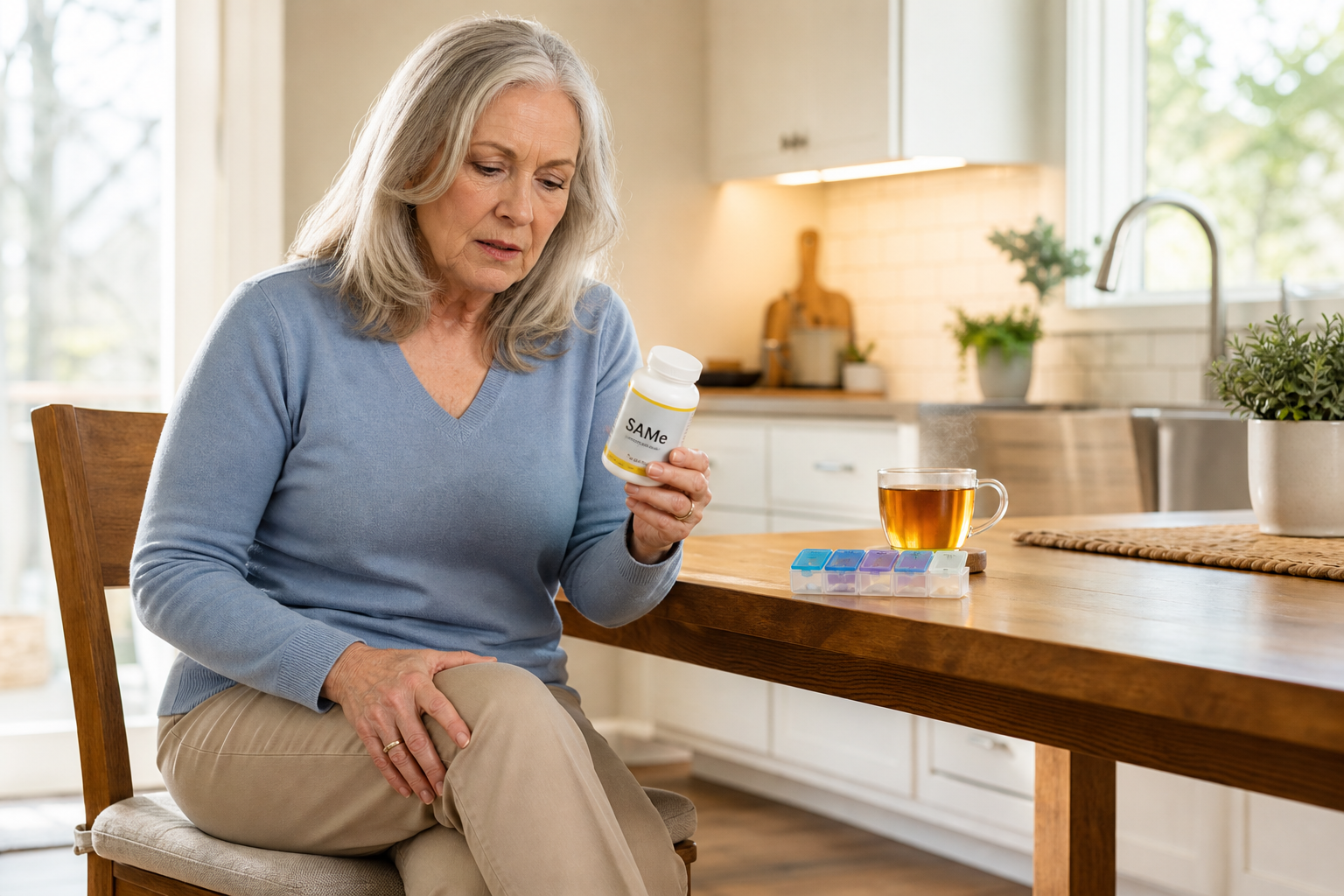
Four years ago, my neighbor Joyce invited me over for tea and, not five minutes into our conversation, she pulled a mysterious amber bottle from her purse. "Karen, have you heard of this? My daughter swears it's a game-changer for her knees." The label read: SAMe. I’ll be honest—I’d written about glucosamine, turmeric, and practically every collagen powder in the aisle, but S-A-M-E? That was new territory.
Osteoarthritis and the Daily Grind (Yes, I Get It)
If you’re nodding along, you’re not alone. Osteoarthritis is the most common kind of arthritis, and it’s not just for the over-70 crowd anymore. My right knee started making odd clicking noises in my forties—and that was before two decades of pounding out health columns and reviewing the latest pain relief gadgets. For millions, the pain isn’t just a nuisance; it’s the difference between playing with grandkids or sitting on the sidelines. Stiff mornings, noisy joints, that slow ache when you stand after a movie—these are the little indignities that add up.
Here’s the thing: many of the people I talk to—including readers, friends, and yes, even my own mother-in-law—are desperate for something new when the usual suspects (NSAIDs, acetaminophen, topical rubs) only go so far or bring along a parade of side effects. Enter the supplement aisle, where SAMe has quietly built a cult following. But is it worth your money?
What Exactly Is SAMe?
Let's back it up for a second. SAMe stands for S-adenosyl-L-methionine—one of those tongue-twister biochemistry names that makes you want to quit reading. But stick with me! SAMe is a compound our bodies actually make naturally from the amino acid methionine. It's involved in dozens of chemical reactions, including the production of cartilage, neurotransmitters, and even DNA repair. Most of us don’t think about SAMe because, well, why would we? Unless your body isn’t making enough, or you’re dealing with inflammation.
The real kicker: researchers in the 1980s noticed that people with osteoarthritis tended to have lower natural SAMe levels in their joint fluid (see: Journal of Rheumatology, 1987). That’s when the "what if we supplement..." lightbulb went off.
How Does SAMe Work on Joints?
The science here is pretty fascinating (and, honestly, a tad controversial). SAMe is believed to help joints in a few ways:
- Building Blocks for Cartilage: SAMe helps make proteoglycans, which are essentially the mattress springs of healthy cartilage. Think: more bounce, less grind.
- Anti-Inflammatory Effects: Some studies show lower markers of inflammation in people taking SAMe supplements.
- Pain Signaling: Because SAMe is also used in making certain neurotransmitters, there’s a theory that it could help recalibrate pain perception at the brain level. (That’s an emerging area—we’re not quite there yet.)
So, the theory goes: supplement with SAMe, nudge your body back toward healthy cartilage and less pain. But does the promise pan out?
What the Research Actually Shows (Not Just Hype)
Pull up PubMed and you’ll find more than a handful of studies on SAMe and osteoarthritis—most of them done in Europe. The biggest, a 2004 meta-analysis in Arthritis & Rheumatism, reviewed 11 studies comparing SAMe to placebo or standard pain relievers. Their verdict: people taking 1200 mg SAMe daily had improvements in pain and function nearly identical to folks on NSAIDs like naproxen or ibuprofen.
Here’s where it gets interesting—and divides opinion. The improvement wasn’t a magic bullet (what is?), but it was consistent and, crucially, without the stomach or heart risks you get with NSAIDs in the long-term. Another 2010 trial in the Journal of Family Practice found SAMe and celecoxib (Celebrex) had comparable effects over four months, though SAMe took a few weeks longer to kick in.
But (and there’s always a but), some studies have shown only minimal benefit. A 2016 review in BMJ Open called the evidence "modest at best." Part of the issue? Studies differ wildly in dose, quality, and how they measure "success." Some use pain scores; others look at X-ray changes, which is a whole different ballgame.
So, if you’re expecting your knees to feel 20 years younger—well, I wouldn’t throw away your cane just yet. But if you’re looking for another tool in your toolbox, especially if pills like Advil upset your stomach, SAMe might be worth a shot.
SAMe Dosage and Safety: The Real-World Scoop
Most clinical trials use 1200 mg of SAMe per day, typically split as 400 mg three times daily. Some folks (myself included) have started lower, around 400-800 mg, and ramped up over a week or two. Why? Because some people get minor stomach upset or jitteriness at first—especially if you’re sensitive to supplements.
Here's the unpopular truth: not all SAMe supplements are created equal. The stuff is notoriously finicky—sensitive to moisture and heat—and poorly made brands can lose potency before they even hit your mailbox. Look for enteric-coated tablets (to survive stomach acid) and companies that test for potency.
Most side effects are mild: a bit of GI upset, headache, or feeling wired. But—and this is crucial—SAMe can interact with antidepressants and some medications for Parkinson’s or bipolar disorder. As a rule, talk to your doctor or pharmacist before starting SAMe, especially if you’re already taking mood-related meds.
SAMe vs. Other Joint Supplements (A Quick Comparison)
Having reviewed dozens of these products over the years, I get why people are confused. Should you try glucosamine-chondroitin? Turmeric? Collagen? Or just stick with old-school Tylenol?
- Glucosamine/Chondroitin – Decent evidence, especially for knees. Typical dose: 1500 mg glucosamine sulfate + 1200 mg chondroitin. Some people swear by it; others feel nothing.
- Turmeric/Curcumin – Anti-inflammatory with a growing fanbase. It works for some, but you need standardized extracts (look for 500-1000 mg curcumin with black pepper).
- Collagen Peptides – Early days for arthritis, better evidence for skin and general connective tissue.
- SAMe – Best evidence is for mild to moderate osteoarthritis pain, especially if NSAIDs aren’t an option.
Honestly, it’s not a zero-sum game. Some rheumatologists I’ve interviewed recommend trying one for a few months, switching if you don’t see a benefit. A reader emailed me last week: "Is it safe to combine SAMe with glucosamine?" For most healthy adults, yes—but, again, always check with your healthcare team.
My Take: What Actually Helped My Knees
I promised real talk, so here it is. Last winter, after a particularly stubborn flare in my right knee (thanks, icy sidewalks), I gave SAMe another go. I started with 400 mg in the morning with breakfast, then added a second dose after lunch. By week three, I genuinely noticed less morning stiffness—enough to ditch the heating pad some days. Placebo? Maybe, but my knees aren’t easily fooled. Was I symptom-free? No, but I was better. And that was enough to get me moving again.
For those curious about stacking their joint care: I’ve seen legitimate results from combining a good SAMe supplement with a comprehensive joint formula that includes glucosamine, chondroitin, MSM, turmeric, and boswellia. One product that’s impressed me, both from personal trial and a mountain of positive feedback, is Glucosamine Chondroitin Turmeric MSM & Boswellia by Vimerson Health. It’s not a SAMe supplement, but if you want all-in-one support (and you’re game to take several capsules a day), this covers five bases. Over 43,000 reviews can’t all be wrong—or at least, that’s what convinced my sister-in-law to try it. She says it’s the first joint pill she hasn’t abandoned after a month.
Lifestyle Tweaks (No Pill Will Replace These)
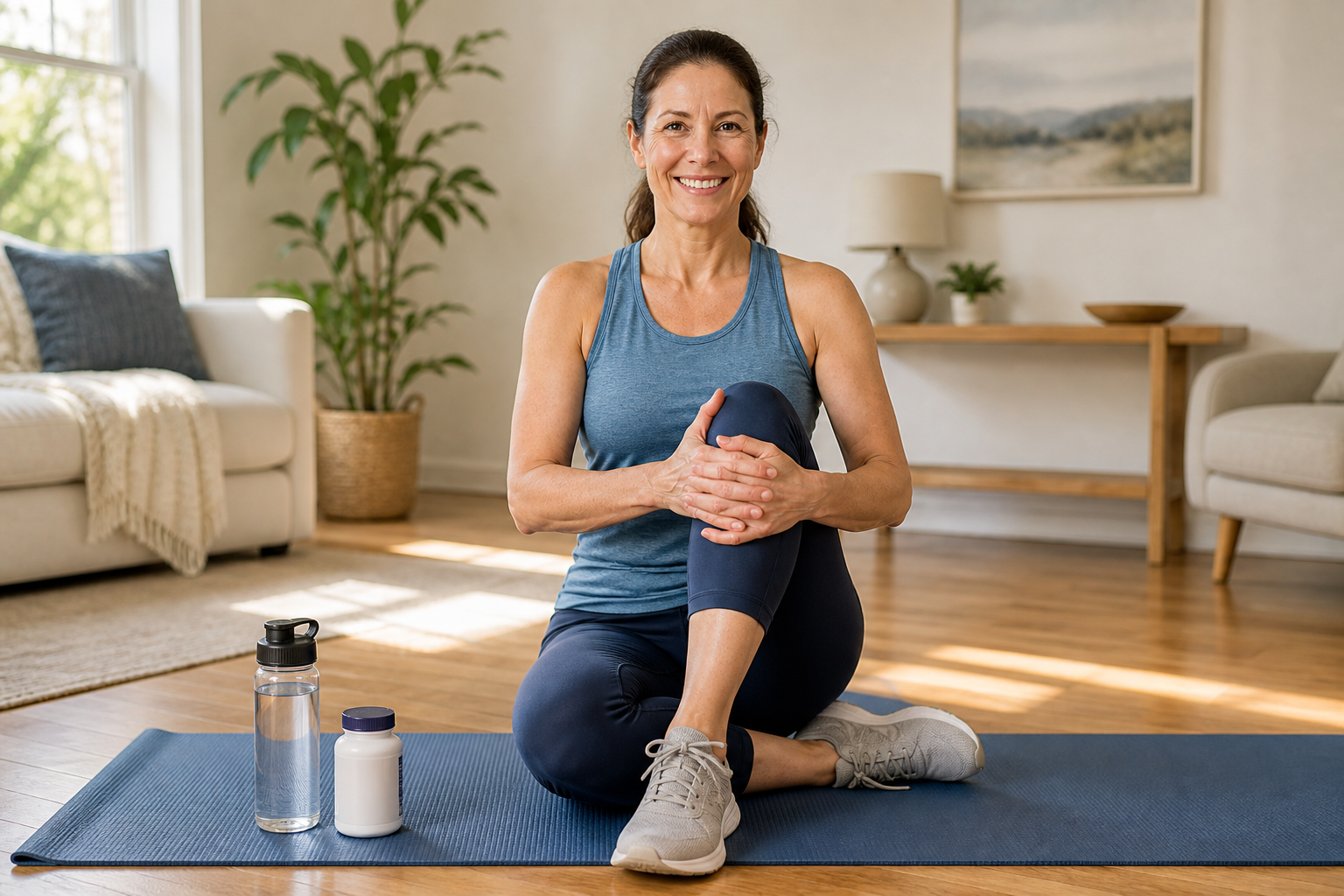
I’ve been at this long enough to know: no supplement, not even a prescription, is a golden ticket if you’re not moving. Research from Arthritis Care & Research (2015) showed that people who did simple strength and stretching exercises (like those in Treat Your Own Knees by Jim Johnson) saw over 30% reduction in pain scores within 8 weeks. That’s without changing diet or popping new pills.
SAMe, in my view, is best used as part of a package: keep your joints moving, watch your weight (every extra 10 pounds is 3x that on your knees!), and yes—try heat or cold packs as needed. I still love my Pure Enrichment PureRelief XL Heating Pad for stiff winter mornings. The moist heat is a godsend when my joints feel like rusted hinges.
What About Side Effects and Long-Term Use?
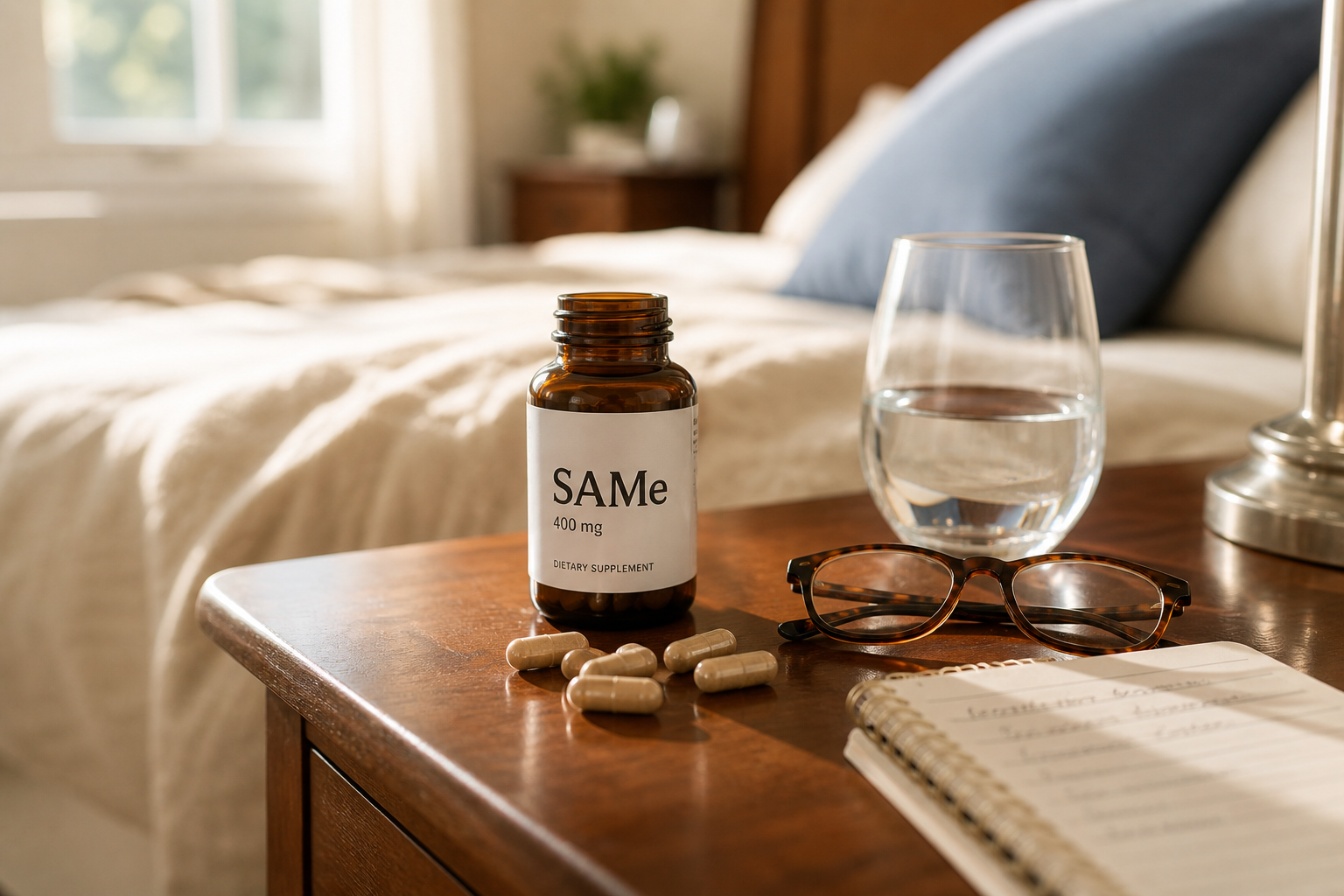
Sometimes, people worry about taking SAMe for months or years. The majority of studies (many lasting up to 12-24 weeks) haven’t shown any dangerous effects in otherwise healthy adults. But—important detail—SAMe may exacerbate mania in bipolar disorder and can interact with some prescription drugs as mentioned earlier. No supplement is risk-free, especially if you’re on a complicated med regimen. Always bring new supplements up with your doctor, preferably before you buy a year’s supply from a flashy ad.
Cost, Availability, and What to Watch Out For
SAMe isn’t cheap. Name-brand options can run $25-45 for a month’s supply. If you spot a big discount, check for third-party testing or reviews—because, as mentioned, SAMe is delicate stuff. I typically stick with brands that show "enteric-coated" and are clear about potency.
Don’t be lured by miracle claims (the web is full of them). SAMe is a legit option for some; it’s not a miracle for all. I know that’s unpopular, but it’s the honest truth.
Bottom Line: Is SAMe Worth Trying?
If you’re frustrated with NSAIDs or want to try a supplement with real human evidence, SAMe is absolutely worth a conversation with your doctor. For mild to moderate osteoarthritis pain—especially if your stomach can’t handle standard painkillers—it may help you reclaim some flexibility and say yes to more movement. The benefits aren’t dramatic, but they are real for a percentage of people (including, some days, yours truly).
Just remember: the best plan combines movement, weight management, and a supplement that fits your lifestyle—not just your medicine cabinet.
What about you? If you’ve tried SAMe, drop me a line. And if you’re still searching, I hope this gives you more clarity (and maybe, a little hope) than the usual "one-size-fits-all" advice.
Stay moving and stay curious,
Karen Whitfield
Health Journalist — JointReliefReviews.com
Covered for: Everyday Health, Prevention, Arthritis Today