
Osteoarthritis vs Rheumatoid Arthritis: What No One Tells You About the Differences
"My knees hate me," a reader emailed last week, half-joking, half-pleading for clarity. She wanted to know: "Is my pain from wear and tear, or is something attacking my joints?" I hear this all the time. If you’ve ever limped downstairs in the morning, feeling like parts of your body are decades older than the rest, you might have wondered the same thing. Are you dealing with osteoarthritis or rheumatoid arthritis? Trust me—knowing which one you have isn’t just medical trivia. It changes everything about how you treat your pain, protect your joints, and even how you talk to your doctor.

The Daily Struggle: Why the Difference Matters
Look, I’ve spent nearly twenty years reporting on joint health—long enough to see how often people mix up these two conditions. And it’s not just semantics. Osteoarthritis (OA) and rheumatoid arthritis (RA) may both cause joint pain, but that’s where the similarities end. The why and the how behind your pain? Completely different stories. I remember when my own mother-in-law, an avid gardener, insisted her early morning stiffness was just "old age." Turns out, it was RA, not OA. Her treatment—and her life—changed overnight once she got the right diagnosis.
So if you’re nodding along, asking, "Which one do I really have?", you’re in good company. And the stakes are real. The wrong approach can leave you spinning your wheels—or worse, doing more harm than good.
Breaking It Down: Osteoarthritis vs Rheumatoid Arthritis (With Real Numbers)
Let’s clear up the basics. OA is the most common form of arthritis, affecting over 32.5 million adults in the US (source: CDC, 2023). It’s what most people mean when they say they have "wear and tear" joints. RA, on the other hand, is an autoimmune disease—much less common, affecting about 1.3 million Americans, according to Arthritis & Rheumatology (2021).
- Osteoarthritis (OA): Caused by cartilage breakdown. Think: aging, overuse, past joint injuries. It’s mechanical.
- Rheumatoid Arthritis (RA): The immune system mistakenly attacks joint linings. Inflammation goes haywire.
Here’s where it gets interesting: OA tends to show up after age 50. RA? It can strike as early as your 30s or 40s—and it’s three times more common in women. (Science is still puzzling out why.)
Symptoms: What Hurts, Where, and How
Here’s how I explain it to friends: With OA, pain is usually worse with use. You garden, your knees ache. You rest, they feel better. With RA, it’s often the opposite—morning stiffness that can last an hour or more, sometimes paired with redness, swelling, and even fever. RA pain may improve as you move around. The pattern of affected joints is different, too—OA favors the hips, knees, and spine. RA targets smaller joints first (think fingers and wrists), usually on both sides of the body at once.
Let me share a quick story: I once interviewed an avid runner who was baffled when her hands—not her knees—became swollen and hot each morning. After months of guessing, she was finally diagnosed with seropositive RA. If your symptoms don’t fit the usual OA script, don’t wait. Push for answers.
The Science: What’s Actually Going On Inside Your Joints?
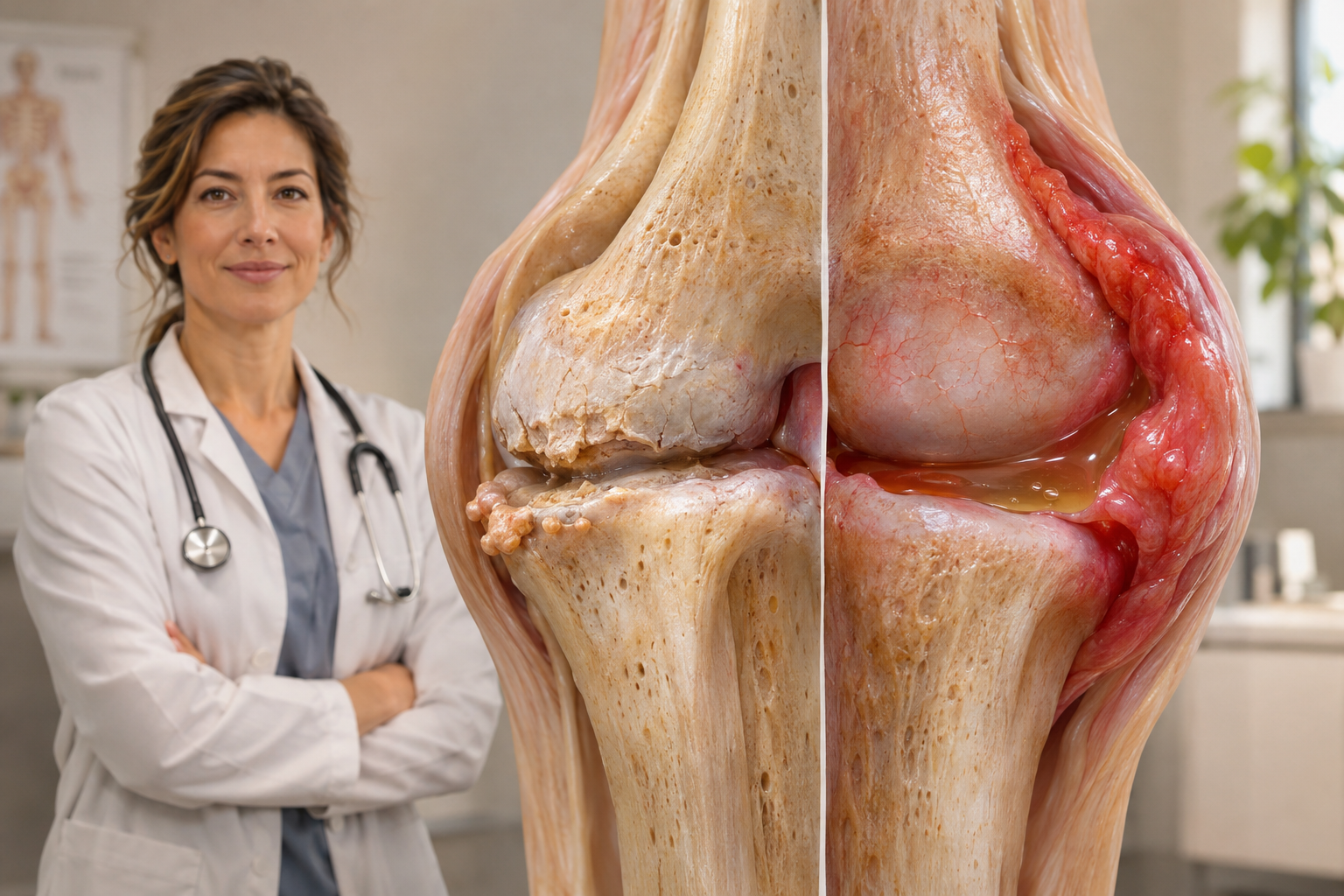
Alright, let’s get nerdy for a second—but I promise, this matters. OA is about cartilage loss, plain and simple. That smooth lining wears down, bones rub together, and you get those classic creaks and pops. The process can be painfully slow. Imaging (think: X-ray, MRI) usually shows joint space narrowing, bone spurs, and sometimes cysts. Blood tests? Usually normal.
RA is drama on another level. The synovium (joint lining) becomes inflamed thanks to an immune system on overdrive. Over time, this inflammation eats away at cartilage and bone—even in young people. Blood tests may show positive rheumatoid factor, anti-CCP antibodies, high CRP, and ESR (inflammatory markers). Imaging in RA reveals erosions, not just simple wear-and-tear. These are clues your doctor looks for—so don’t be afraid to ask about your lab results.
Treatment: Why a One-Size-Fits-All Approach Fails (and What Actually Helps)
Here’s the thing: Because OA and RA have such different causes, their treatments diverge sharply. Most people don’t realize this. I’ve interviewed at least a dozen rheumatologists who wince when someone with RA relies solely on ibuprofen, or when someone with OA is prescribed immune-suppressing drugs unnecessarily. It happens more often than you’d think.
Osteoarthritis Relief—What the Evidence Says
OA management is all about reducing pain, maintaining function, and protecting the joint. The gold standard? Regular movement. Yes, really. The BMJ published a meta-analysis in 2020 showing that even basic strength training (two or three days a week) can cut pain scores by 25-30% in knee OA. Weight loss—just 5-10% of your body weight—can dramatically reduce pressure on weight-bearing joints. Physical therapy makes a huge difference, especially early on. I’ve seen patients go from hobbling to hiking after six weeks of targeted exercises.
At-home exercise guides like Treat Your Own Knees have become a staple recommendation of mine—especially for folks who want step-by-step, research-backed exercises without endless appointments. (I’ve reviewed dozens, but that’s the manual I actually bought for my uncle when his OA started acting up.)
- Topicals: Fast pain relief, especially for hands and knees. Voltaren Arthritis Pain Gel is the only FDA-approved OTC topical NSAID—clinically proven in dozens of studies over the last decade. Non-greasy, easy to use. Even my most skeptical readers often call it a game-changer.
- Supportive devices: Knee braces, canes, or compression sleeves. The NEENCA Professional Knee Brace is one I hear about constantly from readers—especially those with instability or mild swelling. It’s not magic, but that patella gel pad and side stabilizers? They can mean the difference between a short walk and sitting out the day.
Of course, always talk to your doctor before starting new remedies or exercise routines—especially if you have a heart condition, diabetes, or are on blood thinners. Some supplements (like glucosamine) are controversial. Not everyone gets relief. But for OA, think simple, science-backed, and sustainable.
Rheumatoid Arthritis Relief—A Different Ballgame
RA treatment is where things get serious, fast. The main goal is to suppress the immune system to halt or slow down joint destruction. That means prescription medications—DMARDs (Disease-Modifying Anti-Rheumatic Drugs)—like methotrexate, leflunomide, and biologics (think: etanercept, adalimumab). These aren’t optional. Skipping them risks permanent joint damage. Early, aggressive treatment makes all the difference—a truth backed by countless long-term studies in Journal of Rheumatology and Annals of Internal Medicine.
Pain relievers and topicals can support symptom management, but they’re never a substitute for immune-modulating drugs in RA. Physical therapy? Still important—but only alongside medical treatment. I know this is unpopular, but alternative therapies (diets, supplements, acupuncture) haven’t shown strong, lasting effects for RA disease control. They may help with comfort, but they’re never a replacement for DMARDs.
The Overlap: Can You Have Both? (And Other Tricky Diagnoses)
Here’s where things get muddy. It’s entirely possible to have both OA and RA—especially as people age. This is sometimes called "secondary osteoarthritis." For example, someone with long-standing RA may develop OA in weight-bearing joints over time, simply due to years of altered use or old injuries. And just to keep things interesting, other conditions (like psoriatic arthritis or gout) can mimic parts of both diseases. If your symptoms or test results don’t fit neatly in one box, don’t panic. It’s actually more common than you’d think. The key is follow-up and an open line of communication with your rheumatologist.

Expert Q&A: What Doctors (and Patients) Really Want to Know
- “Can diet changes cure OA or RA?” Not gonna lie—there’s a lot of hype out there. While anti-inflammatory diets (think: Mediterranean-style, lots of omega-3s) can help reduce symptoms for both OA and RA, they’re not a cure. For RA, meds are non-negotiable.
- “Do supplements help?” Mixed results. Large 2018 meta-analyses in BMJ and Arthritis Care & Research found glucosamine/chondroitin may offer mild pain relief in OA for some, but not all. For RA? No solid evidence they help. Always talk to your doctor before trying new supplements.
- “Should I exercise if I’m in pain?” Yes—but the right kind of exercise. OA responds best to strength, flexibility, and low-impact cardio. For RA, gentle movement (even on flare days) maintains mobility, but avoid intense activity during severe flares. Guides like Treat Your Own Knees break down these nuances in easy-to-follow steps.
- “Can braces or sleeves actually make a difference?” For OA, absolutely—especially during activity, or when joints feel unstable. For RA, braces may help protect fragile joints but aren’t a stand-alone solution.
What I Wish Every Patient Knew (And What Most Articles Won’t Tell You)
Here’s my real talk, after years in the trenches: If you’re struggling with ongoing joint pain, don’t self-diagnose or suffer in silence. Blood work, imaging, and a careful history are essential. Treatments work best when they match the real cause. I’ve seen people lose years—and a lot of function—treating the wrong thing.
And don’t underestimate the power of consistent movement, smart joint support, and science-backed topicals. Products like Voltaren Arthritis Pain Gel or the NEENCA Professional Knee Brace don’t fix the underlying disease—but for daily comfort, they often punch above their weight. I recommend them because I hear from readers—week after week—who actually got back to gardening, golfing, or even just sleeping through the night.
But—and this is key—if you have new joint swelling, redness, or pain that lasts more than a few weeks, push for a rheumatologist referral. RA needs rapid, aggressive treatment. OA requires a slow-and-steady routine. The difference isn’t academic; it’s practical and life-changing.
Fresh Takeaways: How to Move Forward
- Track your symptoms—when, where, how long, and what makes them better or worse. Your doctor needs this info.
- Get the right diagnosis—don’t settle for "just arthritis." OA and RA need totally different playbooks.
- Start with proven basics: movement, weight management, and evidence-based support tools.
- Ask about new options—from topicals like Voltaren to simple exercise guides like Treat Your Own Knees (especially if appointments are hard to get).
I know—arthritis can feel overwhelming, but you’re not stuck. The right answers (and tools) are out there. And if you ever doubt that, just remember this: even small changes can add up to big results, joint by joint, day by day.
As always, if you have questions, I’m just an email away—and if your knees (or hands, or hips) are keeping you up at night, you’re not alone.
- Karen Whitfield, Health Journalist & Patient Advocate