
If you're over 50 and dealing with joint pain, you're far from alone. Over 54 million Americans are affected by arthritis, and the risk increases significantly after age 50. The good news? There are more effective treatments available today than ever before, and many of them don't require a prescription.
Why Joints Hurt More After 50
Several age-related changes contribute to increased joint pain:
- Cartilage Thinning: The protective cartilage that cushions joints gradually wears down over decades of use
- Decreased Synovial Fluid: The lubricating fluid in joints decreases with age, increasing friction
- Muscle Loss: Age-related muscle loss (sarcopenia) means less support for joints
- Inflammation: Chronic low-grade inflammation increases with age ("inflammaging")
- Reduced Blood Flow: Decreased circulation means slower delivery of nutrients to joint tissue
The Multi-Pronged Approach to Relief
The most effective approach combines multiple strategies. Here's your comprehensive action plan:
1. Supplements That Actually Work
After reviewing the scientific literature, these supplements have the strongest evidence for joint pain relief:
- Glucosamine + Chondroitin: The foundation of joint supplementation. Supports cartilage repair and maintenance.
- Turmeric/Curcumin: Powerful anti-inflammatory. Studies show it can match ibuprofen for pain relief.
- Omega-3 Fish Oil: Reduces inflammatory markers throughout the body.
- Vitamin D: Deficiency is linked to increased joint pain. Get tested and supplement if needed.
Our top recommendation: Vimerson Health Glucosamine Chondroitin Turmeric MSM & Boswellia ($28.97)
2. Exercise: The Non-Negotiable
Exercise is the single most effective non-medical treatment for joint pain. It strengthens the muscles that support joints, improves flexibility, and reduces inflammation.
Best exercises for joint pain after 50:
- Walking: Start with 10 minutes daily, build to 30 minutes
- Swimming/Water Aerobics: Zero impact, maximum benefit
- Tai Chi: Proven to reduce arthritis pain and improve balance
- Gentle Yoga: Improves flexibility and reduces stiffness
- Strength Training: Light weights to build joint-supporting muscles
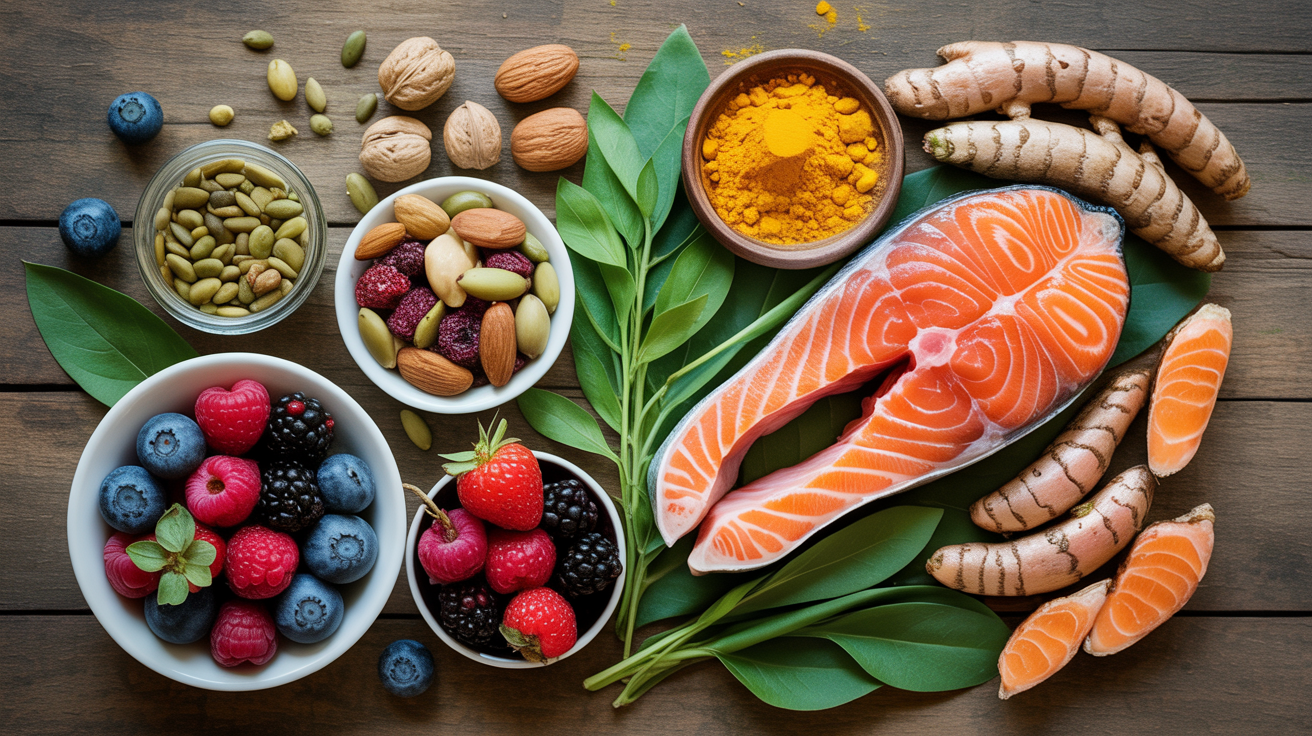
3. Diet: Eat to Reduce Inflammation
Your diet has a direct impact on joint inflammation. The Mediterranean diet is the most studied anti-inflammatory eating pattern.
Foods to eat daily:
- Fatty fish (salmon, sardines, mackerel)
- Colorful fruits and berries
- Leafy green vegetables
- Nuts and seeds
- Extra virgin olive oil
- Whole grains
Foods to avoid or limit:
- Processed foods and refined sugars
- Red meat (limit to 1-2 times per week)
- Fried foods
- Excessive alcohol
- Soda and sugary drinks
4. Topical Treatments
For targeted relief, topical creams can be very effective. We recommend Voltaren Arthritis Pain Gel for proven NSAID-based relief, or Biofreeze for fast-acting menthol cooling.
5. Supportive Devices
Knee braces, heating pads, and other supportive devices can provide additional relief. Read our knee brace comparison guide for detailed recommendations.

Your 30-Day Action Plan
Follow this progressive plan to start feeling better:
- Week 1: Start a quality joint supplement. Begin walking 10 minutes daily. Remove processed foods from diet.
- Week 2: Increase walks to 15 minutes. Add a topical cream for worst joints. Include fish twice this week.
- Week 3: Increase walks to 20 minutes. Add gentle stretching routine. Supplements should begin showing effects.
- Week 4: Walking 25-30 minutes. Full anti-inflammatory diet in place. Consider adding a knee brace for activities.
When to See a Doctor
While many joint pain issues can be managed with the approaches above, see a healthcare professional if you experience:
- Sudden, severe joint pain
- Joint swelling with redness or warmth
- Inability to bear weight on a joint
- Joint deformity
- Pain that worsens despite treatment after 4-6 weeks
Take the First Step Today
Joint pain doesn't have to define your life after 50. With the right combination of supplements, exercise, diet, and support tools, you can significantly reduce your pain and get back to the activities you love.
Get personalized recommendations: Take our free 2-minute quiz to discover the best joint relief plan for your specific situation.