
Heat vs Cold Therapy for Joint Pain: What Actually Works?
By Linda Hargrove, RN, JointReliefReviews.com
I’ll never forget my first real flare-up. Not just a twinge or a dull ache, but one of those deep, gnawing joint pains that makes even thinking about stairs seem cruel. That was my left knee after a marathon (unwise) gardening day at 48. As a nurse, I should have known better. But as a human? I’ll admit, I grabbed the first gel pack I could find and hoped for the best. Here’s the kicker: in that moment, I wasn’t even sure if I should reach for heat or cold. And I’ve taught this in clinics for years!
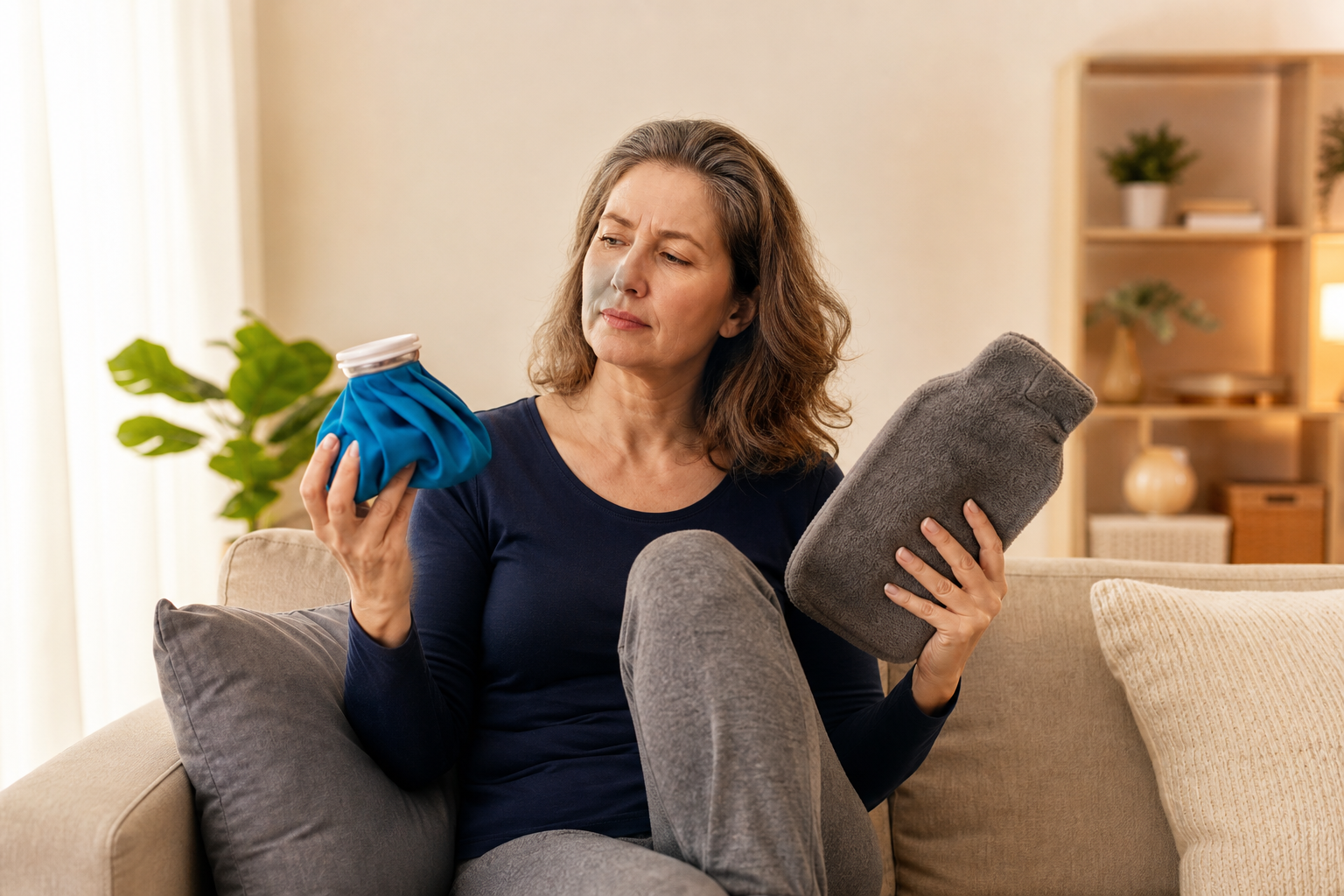
Why Is Deciding Between Heat and Cold So Tricky?
If you’re nodding along, you’re not alone. Every week, I get emails from frustrated readers: “Linda, should I use ice or heat for my arthritis?” or “My physical therapist said one thing, but my doctor said another. Help!”
It’s not just confusion—it’s frustration. Because when your joints are throbbing at 2 AM, you want fast relief, not a science degree.
Here’s the thing: Both heat and cold can help, but not always at the same time or for the same issues. And—despite what a lot of wellness blogs claim—the science is nuanced. I’ve seen patients swear by heat their whole lives, only to find out later that cold works better for certain flare-ups. It’s not one-size-fits-all.
What’s Really Going On in Your Joints?
Let’s break down what’s actually happening inside those aching knees, hips, or fingers. Inflammation, swelling, loss of cartilage, muscle tension—all of these can play a role. But the main culprits? Inflammation and stiffness.
According to a 2021 study in Arthritis & Rheumatology, people with osteoarthritis often have a combination of chronic inflammation and periods of acute swelling, especially after activity. Meanwhile, folks with rheumatoid arthritis may experience even more dramatic flare-ups—sudden, angry swelling and heat in the joint, sometimes with redness you can see and feel.
Why does this matter for your ice vs. heat decision? Because the type of pain (swelling vs. stiffness, new injury vs. old ache) guides which therapy will actually help. I’ve seen too many people miss out on relief just by using the wrong tool for the wrong job.
The Science (Without the Jargon): How Heat Therapy Works
Here’s where it gets interesting. Heat therapy—think warm towels, PureRelief XL Heating Pad, or a steamy bath—works mainly by dilating blood vessels. This increases circulation, which brings more oxygen and nutrients to stiff, tight muscles and joints. It also helps wash away pain-causing metabolites (those nasty byproducts of inflammation).
Ever noticed how your knees feel looser after a hot shower? That’s not just placebo—there’s real science behind it. A 2017 review in the Journal of Rheumatology found that moist heat (like damp heating pads) gives even better results than dry heat for osteoarthritis knee pain—sometimes reducing pain scores by 30% after just 20 minutes.
I’ll be honest: my own morning routine includes a heating pad under my desk chair almost every day. There’s no shame in it. In fact, for chronic stiffness, I recommend heat to nearly everyone—unless there’s a reason not to (more on that soon).
And What About Cold Therapy?
Cold, on the other hand, is all about reducing blood flow. It constricts vessels, numbs nerve endings, and helps tame swelling fast. Think of it as an “off switch” for angry, inflamed tissue.
If you’ve ever twisted an ankle or had an arthritis flare where your joint feels hot and looks puffy, ice packs are your friend. A 2016 meta-analysis in BMJ Open showed that icing can decrease swelling by up to 50% within the first 48 hours of an acute flare or injury. That’s huge if you’re struggling to fit into shoes or even move your hand.
But—and this is where people get tripped up—cold can sometimes increase stiffness if used too long or on already stiff, non-inflamed joints. I’ve had patients who iced their knees every night, only to wake up feeling even rustier in the morning. Moderation is key.
Heat vs Cold: When to Use Each (Real-World Edition)
So what do I actually tell patients? Here’s the simple breakdown I use in daily practice—and at home, too.
- Use heat for: Chronic stiffness, old injuries, muscle tightness, or when you just feel like a rusty hinge in the morning. Dry or moist heat (like a heating pad) is great for these.
- Use cold for: Sudden swelling, acute injuries (like a sprain), or hot, inflamed joints during a flare. Think gel packs, bags of frozen peas, or instant ice packs.
If your pain is both stiff and swollen? Start with cold for 10-15 minutes, let the joint rest, then try heat later. Don’t use either one for more than 20 minutes at a time without a break—skin safety matters.
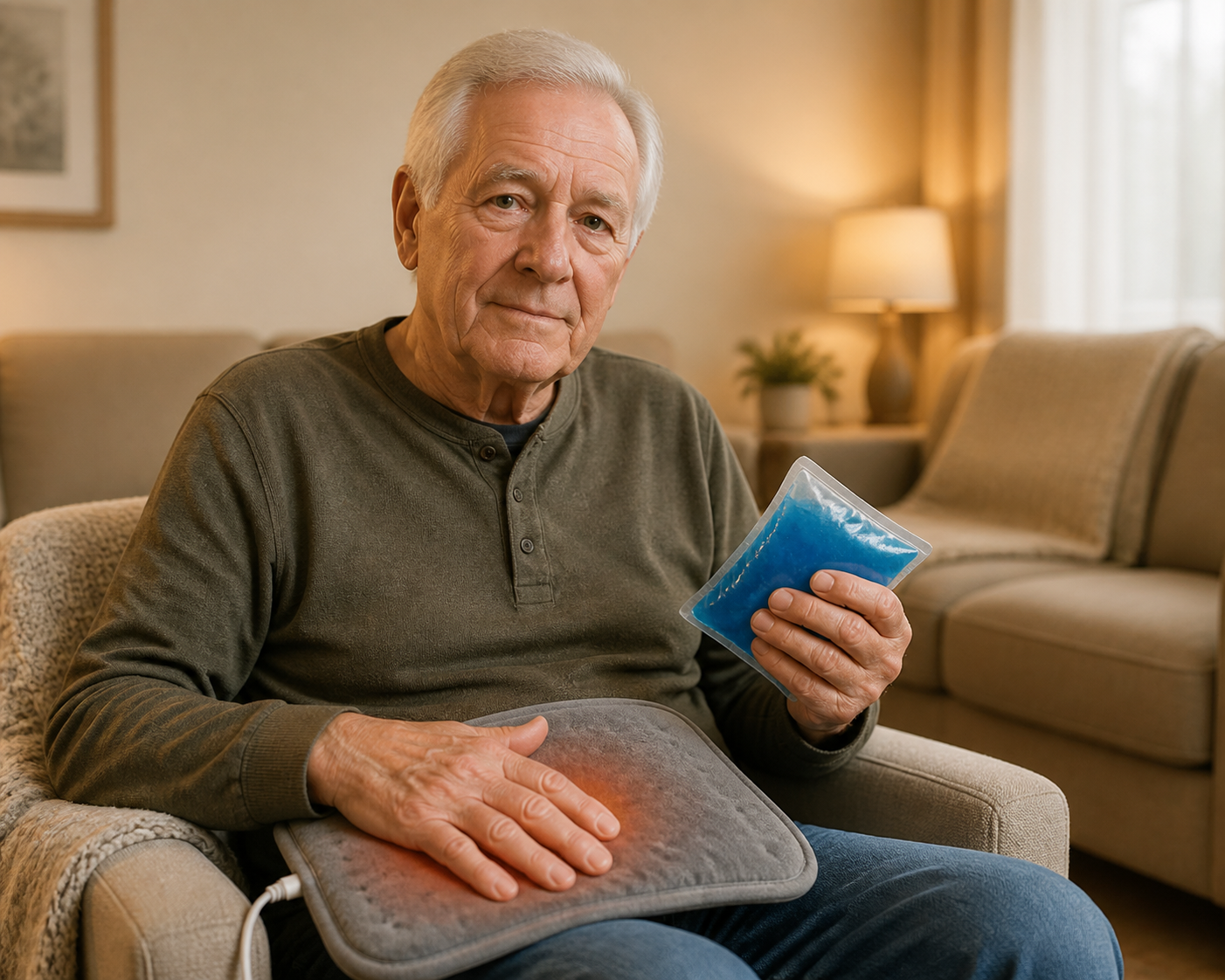
Some Surprising Nuances: Not All Pain Is the Same
Here’s a wrinkle no one tells you: Some people with neuropathic pain (like in diabetic neuropathy) may find cold intolerable. Others with Raynaud’s might find that even mild cold triggers more pain. So the best therapy is the one that works for you—and doesn’t make things worse.
Also, never use heat if you see visible swelling, redness, or feel a burning sensation around the joint. That’s a recipe for more inflammation. And don’t use ice on areas with poor circulation, open wounds, or for more than 20 minutes at a time.
Talk to your doctor if you have diabetes, vascular disease, or skin conditions that affect sensation. Numb skin plus extreme temperature equals trouble—trust me, I’ve seen more than a few frostbite cases from “just one more episode” with the ice pack.
My Top Tips for At-Home Joint Relief
Okay, so how do you make these therapies work in real life—not just on paper? Here are my tried-and-true strategies, straight from decades in clinics (and way too many family holidays spent icing knees around the coffee table):
- Alternate heat and cold on stubborn joints. I call this the “contrast method”—10 minutes cold, 10 minutes heat, repeat for up to an hour (switching every 10 minutes keeps your tissues guessing, and patients swear it helps stubborn swelling disappear).
- Moist heat beats dry heat for deep aches. If you have a heating pad that lets you add moisture, like the PureRelief XL Heating Pad, you’ll feel the difference—it gets deeper into thick, achy tissues.
- Wrap ice packs in a thin towel to avoid freezer burns. Never place cold packs directly on the skin, especially if you have reduced sensation.
- Schedule short sessions: 15-20 minutes, max. Set a timer if you’re forgetful (my husband once left a hot pack on his shoulder for an entire baseball game—lesson learned).
What About Pain-Relieving Gels and Compression?
Pairing heat or cold with other pain relief methods can speed recovery, at least in my experience. For instance, many of my patients use a topical NSAID gel (like Voltaren Arthritis Pain Gel) after icing—it penetrates better on cool, non-inflamed skin and provides an extra layer of anti-inflammatory action. Fun fact: A 2020 Annals of Internal Medicine study found that Voltaren’s diclofenac gel reduced arthritis knee pain scores by 46% after four weeks—comparable to oral NSAIDs, but with fewer side effects.
Compression sleeves and braces (like the bestselling Modvel knee brace) can also be helpful, especially after icing, to limit further swelling. Just don’t overdo it—too much compression plus cold can slow blood flow too much, especially in folks with circulation issues.
How to Choose the Right Tools (What I Tell My Own Family)
Products matter. I’ve trialed dozens of heating pads over the years—some too small, some that burned out after a month, and a few that changed how my joints feel day to day. My hands-down favorite? The PureRelief XL Heating Pad. It’s big enough to cover both knees, back, or even drape over your shoulders. The moist heat option is a game-changer for deep joint pain (plus, it shuts off automatically, so you won’t repeat my husband’s mistake).
As for icing? I tell patients to skip the cheap drugstore ice bags—they leak. Flexible gel packs or even a bag of frozen peas (in a pinch) work great. Just make sure you use a barrier—never apply straight from the freezer.

What Most People Get Wrong About Heat and Cold
Not gonna lie—most articles gloss over the real-world challenges. Here’s what you’re not hearing:
- Some joints need both therapies, but not back-to-back (give your skin a break in between).
- Pain that wakes you at night? Try mild heat, not cold. Most people tense up in the dark—heat relaxes, cold can jolt you awake.
- Don’t skip medical advice. If your pain is new, severe, or comes with redness, fever, or odd shapes—get checked out. There’s no shame in asking for help. A torn ligament or infection won’t get better with heat or ice alone.
And—my slightly controversial take—if you’ve tried both therapies and neither helps much after a week, don’t just ‘tough it out.’ Chronic pain deserves real solutions. Sometimes that means seeing a specialist or trying something new.
What the Research Still Can’t Tell Us (And Where to Go From Here)
I’ll be straight with you. Despite decades of research, there’s no one-size-fits-all answer—no matter what the Instagram gurus say. Some studies (like that 2017 Journal of Rheumatology review) do show consistent benefit for moist heat and acute cold. But head-to-head comparisons? Results are mixed, and most are short-term.
The best approach? Use these therapies as tools—not cures. For chronic arthritis, combine them with gentle exercise, smart supplements, and real rest. For acute injuries, cold first, then gradual return to gentle movement, then heat to ease stiffness.
And above all, listen to your joints. They’ll usually tell you what they need (even if it means changing old habits). If you’re stuck, ask your doctor or physical therapist for guidance—they know your history and can help you troubleshoot.
Fresh Takeaways (What I Wish Everyone Knew)
- Heat = best for stiffness and chronic aches. Cold = best for swelling and fresh injuries. Sometimes you need both—just not together.
- Moist heat outperforms dry heat, especially for deep joint pain (the PureRelief XL Heating Pad is a top clinic pick).
- Topical pain gels like Voltaren can layer with ice for faster arthritis relief—ask your doctor before combining therapies, especially if you have sensitive skin or poor circulation.
- If your joint pain is new, severe, or not improving, don’t play guessing games—get a professional evaluation.
I hope this clears up the heat vs cold debate—at least a little. If you’re still searching for the right strategy, keep experimenting (safely!) and check out the products linked above—they’ve helped more of my patients (and family members) than I can count.
Here’s to warm mornings, cool comfort when you need it, and stronger joints ahead.
—Linda Hargrove, RN
Registered Nurse & Health Columnist
20+ years orthopedic care, now helping real people find real relief