
CBD Oil for Joint Pain and Inflammation: What Actually Works?
I’ll be honest—three years ago, if you’d asked whether CBD oil could help with joint pain, I would have given you the most skeptical eyebrow raise you’ve ever seen. But then my own uncle Fred—76 years old, two knee surgeries, once an absolute terror on the tennis court—started singing its praises, and my inbox began filling with questions from readers. So, here we are.

Look, if you wake up every morning with knees that crunch like stale crackers, or wrists that feel like rusty hinges, you’re not alone. Joint pain and inflammation can zap the joy out of everything—gardening, walking, even just gripping your coffee mug. I’ve had clients describe it as a constant, low-level hum of discomfort that never quite fades. And to be honest, the usual suggestions (lose weight, ice more, try another painkiller) eventually start to sound like a broken record.
Why is CBD Suddenly Everywhere?
Here’s the thing: CBD—short for cannabidiol—is popping up in everything from gummies to topical rubs. The 2018 Farm Bill made hemp-derived CBD federally legal in the U.S., and suddenly it felt like every brand was launching a new product promising pain relief. In fact, a 2020 survey in the Journal of Pain Research found that 29% of people trying CBD were hoping for arthritis relief. But does it live up to the hype?
I know some folks are already rolling their eyes at this "miracle cure" narrative. And you know what? Good. Healthy skepticism is exactly what you should bring to anything in the wellness aisle these days.
How Might CBD Help Joint Pain and Inflammation?
Let me put on my science hat for a minute. CBD interacts with your body’s endocannabinoid system—that’s the network of receptors (CB1, CB2) involved in regulating pain, inflammation, and even mood. While it doesn’t get you high (that’s THC’s job), CBD does seem to influence these receptors in a way that could, theoretically, dial down inflammation and pain signals.
But here’s where it gets interesting: animal studies and early clinical trials do show that CBD may reduce inflammatory markers and lessen pain behaviors—especially in models of osteoarthritis and rheumatoid arthritis. (See European Journal of Pain, 2016—one of the better-known mouse studies.) But translating those effects to humans? That’s where the evidence gets murkier.
The vast majority of high-quality human trials are still in early phases. A 2023 review in Arthritis & Rheumatology summed it up bluntly: "Promising preclinical data, but limited, low-quality human evidence so far." Not gonna lie—I wish I could give you a more definitive answer. But as of right now, the research is simply in its infancy.
What Does the Research Actually Say?
Most articles gloss over this, but here’s the real kicker: when you look for rigorous randomized controlled trials (RCTs) on CBD oil for joint pain in humans, the pickings are mighty slim. That said, here are a few studies worth knowing about:
- Topical CBD for Knee Osteoarthritis (2020): Out of Colorado, this small RCT found that a 250mg CBD topical applied twice daily modestly reduced pain intensity over 12 weeks. But the placebo group improved too. Not exactly earth-shattering, but not nothing.
- CBD for Rheumatoid Arthritis (2019): In a pilot study (British Journal of Pain), 10 adults with RA tried 25mg oral CBD daily. About 60% reported "subjective improvement" in pain and sleep, though objective measures (like joint swelling) barely budged.
- Large-Scale Surveys: In the Arthritis Foundation's 2019 survey of 2,600 patients, 79% said they’d tried CBD or were considering it. Of those using CBD, 29% reported significant pain reduction. But self-reported data, as every scientist will tell you, is notoriously unreliable.
Bottom line? There’s real potential here, but most doctors (myself included) are hungry for more robust, placebo-controlled research before putting CBD on the same shelf as, say, physical therapy or NSAIDs for joint pain.

What About Safety—And Side Effects?
Here’s something most CBD fans gloss over: just because it’s “natural” doesn’t mean it’s free of risks. While CBD is generally well-tolerated, some people do report dry mouth, GI upset, drowsiness, and interactions with blood thinners like warfarin. (If you’re on medications, talk to your doctor before trying CBD—especially if you take anything for heart health, seizures, or immune modulation. Better safe than sorry.)
Also, let’s talk dosing. Most research uses anywhere from 20mg to 100mg per day for joint pain, but I’ve seen some people respond to as little as 10mg. Others need much more. There’s no "one-size-fits-all" dosage, and the FDA doesn’t regulate over-the-counter CBD like it does prescription meds. That means quality matters—a lot.
What to Look For (and Avoid) When Buying CBD Oil
Alright, here’s where the rubber meets the road. I can’t tell you how many clients have wasted money on fancy-labeled CBD oils that had barely any active ingredient—or, worse, contained sketchy contaminants.
- Third-Party Testing: Only buy from brands that publicly share third-party lab results (sometimes called a COA—certificate of analysis). These should confirm the CBD content and screen for heavy metals, pesticides, and THC.
- Full-Spectrum vs. Isolate: Some early research hints that full-spectrum CBD (which includes small amounts of other cannabinoids and terpenes) may offer more joint relief due to the "entourage effect." But if you’re drug-tested, stick with broad-spectrum or isolate (these have no detectable THC).
- Milligrams Matter: Ignore the bottle size—always check how many mg of CBD per serving you’re getting. Most genuine effects in studies happen with 20-50mg/day. If a "high-potency" bottle is giving you only 5mg per dropper, it’s probably not enough.
- Carrier Oil Quality: MCT oil, hemp seed oil, or olive oil are all good bases. Watch out for weird additives.
I’ll mention one product my uncle Fred likes—Charlotte’s Web 25mg CBD Oil (not an affiliate, just a solid example). They post their lab tests online, have a straightforward label, and the oil doesn’t taste like you’re drinking lawn clippings. Again, not a miracle worker, but he claims it takes the edge off his morning stiffness.
Can You Combine CBD Oil With Other Strategies?
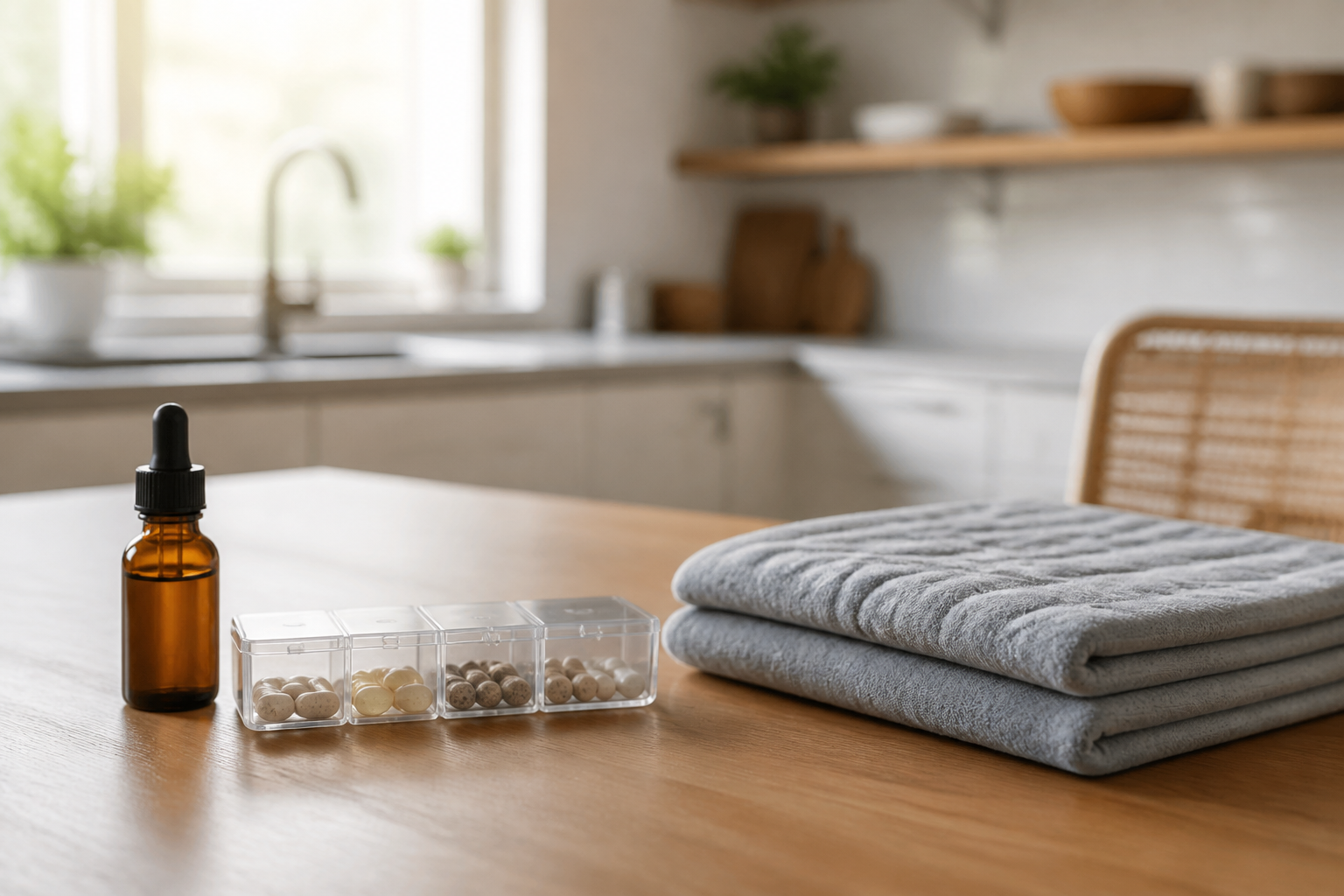
If you’re nodding along and thinking, "Can I use CBD with my current routine?"—yes, with some caveats. CBD isn’t a silver bullet. But I’ve seen it used alongside proven methods like physical therapy, anti-inflammatory diets, and well-chosen joint supplements with some success. For example, pairing CBD with a reliable joint formula like Glucosamine Chondroitin Turmeric MSM & Boswellia (Vimerson Health) can provide a broader attack plan—think of it as a one-two punch for pain and cartilage support.
And don’t underestimate the power of a heating pad like the Pure Enrichment PureRelief XL Heating Pad (my wife swears by the moist-heat option for her shoulder). Some folks like to apply CBD topicals before or after heat therapy, saying it helps drive the relief deeper—though, as always, the science is catching up to the anecdotes.
CBD Oil vs. Topicals vs. Gummies—What’s Best for Joints?
This is a question I get all the time. Here’s my take as someone who’s reviewed dozens of these products (and, yes, tried them on my own creaky ankles):
- CBD Oil (Tinctures): Best if you want systemic relief—think multiple achy joints or whole-body inflammation. Absorbs fastest under the tongue. Downside: taste can be earthy, and dosing takes some trial and error.
- Topical CBD Creams: Good for targeting a specific joint (like that stubborn knee or thumb). Absorbs into the skin without getting into your bloodstream much. May also include menthol or arnica for extra relief.
- CBD Gummies: Probably the tastiest, but efficacy for joint pain is unproven. Gummies take longer to kick in and can contain added sugars or artificial dyes—not my favorite for folks managing inflammation.
For most clients over 50 with real joint pain, I tend to recommend oils or topicals. Gummies are fun, but not where you’ll find the strongest evidence.
A Few More Things Most Articles Won’t Tell You
First, results can be subtle and slow. Most people don’t get instant relief. It’s more like your morning knees don’t protest quite as loudly after a few weeks. And yes, for some, it’s a total dud—genetics, the type of pain, or even the brand can make a real difference.
Second: quality control is the wild west right now. A 2022 JAMA study found 40% of CBD oils tested were mislabeled for potency. If you try CBD, stick to reputable brands, and if a product seems suspiciously cheap, it probably is. No shame in asking your pharmacist for advice.
Finally, you’ll find folks on both sides of the debate. Some absolutely swear by their morning CBD dropper. Others find it does less than a placebo. As your friendly neighborhood exercise scientist—and not a miracle-cure salesman—my advice is always:
- Start low and go slow (5-10mg/day; increase as needed).
- Track your symptoms for at least 2-4 weeks. If nothing happens, move on.
- Combine CBD with other lifestyle measures (gentle strength work, anti-inflammatory foods, proven joint supplements).
Practical Takeaways for Real Joint Relief
- CBD oil shows promise for joint pain and inflammation, but it’s no magic bullet. Evidence is preliminary and works best as part of a broader routine.
- Look for third-party tested, clearly labeled CBD products. Full-spectrum options may work better for some, but be mindful of THC content.
- Be patient—expect subtle results after a few weeks, not overnight miracles.
- Possible side effects include drowsiness, GI upset, and medication interactions. Check with your doctor if you’re unsure (especially if you’re on blood thinners).
- A holistic approach—combining CBD, joint-friendly supplements like Vimerson Health’s formula, and physical strategies like the PureRelief Heating Pad—is how most folks get the best results.
Still curious? I don’t blame you. I’m keeping a close eye on the new research as it rolls in—because, frankly, we need better options for joint pain than "just tough it out." If you decide to try CBD, start small, keep your expectations realistic, and treat it as one piece of a bigger puzzle. And if you find something that works for you? Shoot me an email. I love hearing the real-world stories more than any lab result.
— James Chen, MS, CSCS
JointReliefReviews.com