
Can CBD Oil Really Help Your Joints? Here’s What You Should Know
Last spring, a reader named Sarah emailed me with a question that’s becoming increasingly common in my inbox: "Karen, does CBD oil actually help with joint pain, or is it all just hype? My sister swears by it, but my doctor shrugs. I’m fed up with my knees—should I bother?"
If you’re nodding along, you’re not alone. According to a 2022 Arthritis Foundation survey, nearly 29% of respondents with arthritis tried CBD for pain or inflammation. That’s not a fringe group. And here’s the kicker: over half said it helped at least a little. But is that just wishful thinking—or something real?
The Daily Grind of Joint Pain: Why So Many Are Turning to CBD
Pain changes everything. I know this first-hand—my own mother-in-law, a feisty gardener, started limping up the stairs one winter and by June was trying just about anything to get relief. If you live with arthritis, old injuries, or inflammation, you know: simple things get hard. Sleep goes out the window. You start researching supplements at 2 a.m. Not gonna lie, I’ve been there (and written about it for Prevention and Everyday Health).
And here’s where it gets interesting. CBD—the non-high, non-addictive compound from hemp—has become the go-to experiment for people desperate for less pain, less swelling, and more normal days. Not just anecdotal stories, either. The global market for CBD products (oils, creams, gummies) cracked $5 billion in 2023. That’s a lot of optimism—and a lot of confusion.
How CBD Works (and What the Science Actually Shows)
Let’s get one thing out of the way: CBD won’t regrow cartilage or "cure" arthritis. That’s fantasy. But the science on inflammation and pain relief? It’s more promising than most people realize—though not as clear-cut as the internet makes it sound.
CBD, or cannabidiol, interacts with something called the endocannabinoid system (ECS). Think of it as your body’s traffic cop for pain, immune response, and mood. CBD doesn’t bind directly to ECS receptors; instead, it helps regulate them—gently nudging your body toward balance (homeostasis, if you want the five-dollar word).
Here’s the thing: Multiple animal studies—like the oft-cited 2017 paper in European Journal of Pain—found that topical CBD reduces joint swelling and pain behaviors in rats with arthritis. In humans, we’re finally seeing real data trickle in. A 2020 pilot study published in Current Pharmaceutical Biotechnology found that topical CBD improved pain scores for people with peripheral neuropathy. But joint pain? The gold-standard, double-blind, large-scale studies we crave—there are shockingly few.
Still, a 2022 review in Frontiers in Pharmacology (they looked at 26 studies) concluded that CBD is "a promising anti-inflammatory agent"—especially for chronic musculoskeletal pain. Not a magic bullet, but not snake oil, either.
The Inflammation Connection
Most joint pain—arthritis, tendonitis, bursitis—comes down to inflammation. CBD is thought to interact with immune cells and neurotransmitters (like adenosine) to help "pump the brakes" on runaway inflammation. Lab studies show it can dial down cytokines (those pesky inflammatory messengers). Will you feel this overnight? No. But some people do report steady improvements over weeks.
Another angle: CBD may also reduce anxiety and improve sleep, both of which can amplify pain (the mind–body connection is real). I’m not saying you’ll sleep like a baby on CBD oil, but a few patients I’ve interviewed said their evenings got easier—which let their bodies recover a bit more.
What Kinds of CBD Work Best for Joint Pain?
If you Google "CBD for joint pain," you’ll see everything from gummies to tinctures to roll-ons. I get a lot of questions about what’s best, so here’s my honest breakdown based on both research and real-world feedback:
- Topical CBD (creams, balms, roll-ons): Best for targeting a specific joint—knees, hands, shoulders, etc. These deliver CBD right to the area. Downside: They don’t penetrate as deeply as oral products, but for mild-to-moderate discomfort, people love the ritual.
- CBD Oil/Tincture (under the tongue): If you deal with widespread pain or multiple sore spots, this is the gold standard. Sublingual delivery kicks in within 20–40 minutes for most people. Dosing is trickier (start low, go slow), and you need to hold it under your tongue for 45–60 seconds.
- CBD Capsules & Edibles: Not my first pick for joint pain—absorption is slower and less predictable. That said, some people like the convenience.
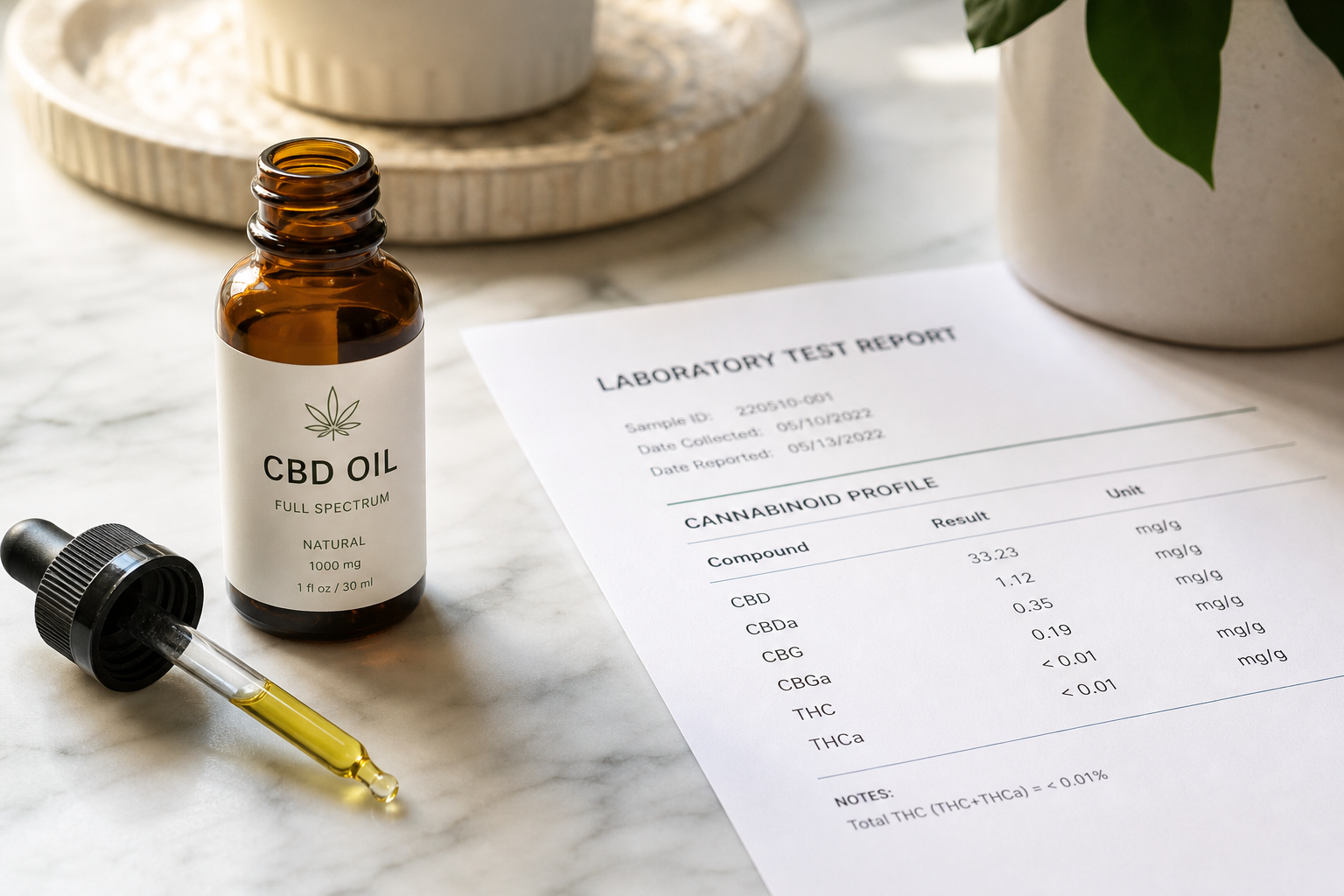
Pro tip: Always look for COA (Certificate of Analysis) from a third-party lab—this confirms the amount of CBD (and absence of THC, pesticides, heavy metals). And if you’re on other meds? Talk to your doctor first. CBD can mess with how your body processes certain prescriptions—blood thinners, anti-seizure drugs, even some painkillers.
How Do You Use CBD Oil for Joint Pain? (Dosage, Timing, and Realistic Expectations)
I’ll be blunt: dosing with CBD is part science, part art. There’s no FDA-approved "one size fits all." Most brands recommend starting with 10–20mg per day, then slowly increasing every 3–7 days until you feel something—relief, relaxation, less throbbing. In research, doses from 20mg up to 100mg daily have been used (oral or sublingual).
Don’t expect fireworks on Day 1. Most people I interviewed reported subtle changes—less morning stiffness, less "achy weather" pain—over two to four weeks. If you feel nothing by Week 3, you might need a higher dose, a higher-quality oil, or—sometimes—CBD just isn’t your fix. I know that’s not what companies want you to hear, but it’s reality.
Here’s a little chart based on anecdotal reports and small studies (not medical advice!):
- 10–20mg/day: Mild arthritis, early experimentation
- 25–40mg/day: Moderate pain, sleep troubles
- 50–100mg/day: Severe, chronic inflammation (under doctor supervision)
Applying CBD Topically
Massage a thin layer onto the sore joint (knee, hand, shoulder) 2–3 times daily. Some people swear by combining topical and sublingual for layered relief. Personally, my mother-in-law liked a peppermint-infused CBD balm on her knuckles in the winter—said it "took the edge off" more than any pill.
The Truth About Side Effects, Safety, and Who Should Avoid CBD
Most adults tolerate CBD well—it’s not habit-forming, and you won’t get high. But it can cause drowsiness, dry mouth, diarrhea, or changes in appetite in about 10–20% of users (per a 2021 BMJ Open survey). Rare, but possible: liver enzyme changes if you use huge doses long-term. Pregnant or nursing? Skip it for now—long-term safety isn’t proven.
And here’s my unpopular opinion: if you’re already on prescription pain meds, blood thinners, or anti-inflammatories, check with your doctor or pharmacist. CBD can amplify or interfere with these. Most articles gloss over this. But as a health journalist, I’ve fielded more than a few "why did my INR spike?" emails from readers who self-experimented without realizing the risks.
CBD vs. Other Joint Pain Remedies: How Does It Compare?
Look, CBD isn’t the only game in town. In fact, some people find more consistent relief with tried-and-true methods:
- Topical NSAIDs (like Voltaren Arthritis Pain Gel): Clinically proven for osteoarthritis. Downside: can’t use on broken skin, and not as "natural" as CBD. But for stubborn knee pain, it’s hard to beat. I use Voltaren on my own fingers when typing flares up my joints.
- Supplements (e.g., glucosamine, turmeric, MSM): Some evidence for mild-to-moderate osteoarthritis relief. The combo in Glucosamine Chondroitin Turmeric MSM & Boswellia is popular among my readers, and several have reported less morning stiffness after a month or two.
- Compression supports (like the Modvel Compression Knee Brace): Not for inflammation, but for stability—and sometimes that’s half the battle. Especially if you’re trying to stay active while managing pain.
CBD can fit into your toolkit, but it’s just that—a tool, not a cure-all. Mixing approaches, with your doctor’s OK, is what tends to work best.
What to Look For in a Quality CBD Oil (And What to Avoid)
This market is a wild west. I can’t sugarcoat it. I’ve reviewed over a dozen brands—some are brilliant, some are overpriced junk, and a few probably belong in the trash.
- Full-spectrum vs. isolate: Full-spectrum contains small amounts of other cannabinoids (including up to 0.3% THC), terpenes, and flavonoids. Some research suggests these "extras" help CBD work better (“the entourage effect”). If you’re drug-tested for work, stick to broad-spectrum or isolate.
- Lab reports: Third-party COA is non-negotiable. If a brand won’t send you one, run.
- Organic sourcing: Look for hemp grown in the USA or EU, without pesticides. Hemp is a "bioaccumulator"—it soaks up everything in the soil, good or bad.
- Clear dosing: A good CBD oil should list mg of CBD per dropper, with a clear dropper for accurate measuring.
- Transparent reviews: Real users should report both pros and cons. If everything is five stars, it’s probably fake.
And here’s a tip from a skeptical journalist: call or email the company before buying. How they treat your questions matters.
What Real People Say: Successes, Stumbles, and Surprises
I’ve spoken with dozens of readers and experts about their CBD journeys. Some saw their aches fade over a month. Others felt no real change. One reader in Phoenix reported, "My knees didn’t magically heal, but I could go up the stairs without wincing." That’s not trivial.
But I’ve also heard from people who felt nothing—or who got an upset stomach, or found the taste intolerable. The most honest reports? CBD helped take the edge off of chronic pain and made it easier to stick to their physical therapy or daily walks. That’s a win in my book.
And that’s the nuance most CBD marketing misses: it’s one piece of a much bigger puzzle—diet, movement, sleep, and proven medical therapies.
Fresh Takeaways: Is CBD Worth Trying for Joint Pain?
If you’re frustrated with joint pain, here’s my bottom line: CBD won’t work miracles, but it might make a meaningful difference—especially if inflammation is the main culprit and you give it 2–4 weeks at a reasonable dose from a reputable brand.
- Start low (10–20mg/day), track how you feel, and adjust slowly.
- Read lab reports, and don’t trust brands that hide their sourcing.
- Mix with other proven approaches—don’t ditch your PT, supportive braces, or doctor-guided meds.
- Watch for side effects, especially if you’re on other medications.
- Expect subtle, gradual improvement if you’re going to feel anything—fireworks are rare.
And—if you’re the skeptical type, I get it. I was too. But for a couple of bucks and a careful approach, CBD is one of the few "natural" options that at least has some science (and loads of real user stories) behind it for joint pain and inflammation.
Let’s Keep This Conversation Honest
Look, I don’t believe in miracle cures. But I do believe in listening—to research, to real people, and to your body. If you’re considering trying CBD oil for joint pain and inflammation, treat it like an experiment. Track your pain, watch for side effects, and talk to your doctor or pharmacist, especially if you’re taking other meds. And if you find something that helps, even a little, that’s progress.
Got a story or question for me? I read every email. Here’s to more comfortable mornings, fewer "bad joint" days, and finding what works—whatever that may be.
—Karen Whitfield, veteran health journalist and JointReliefReviews.com contributor