
CBD Oil for Joint Pain and Inflammation: What Actually Works (And Where the Hype Ends)
I’ll never forget a patient named Tom who, after years of hobbling into his rheumatologist’s office, told me he’d found his holy grail: a tiny tincture bottle of CBD oil. “It’s like my knees belong to someone else,” he said, grinning. Thing is, Tom’s not alone — over the last five years, I’ve been flooded with reader questions about CBD, especially for joint pain and stubborn inflammation. And for every glowing testimonial, there’s a skeptical spouse rolling their eyes in the background. So what’s real, and what’s just wishful thinking?
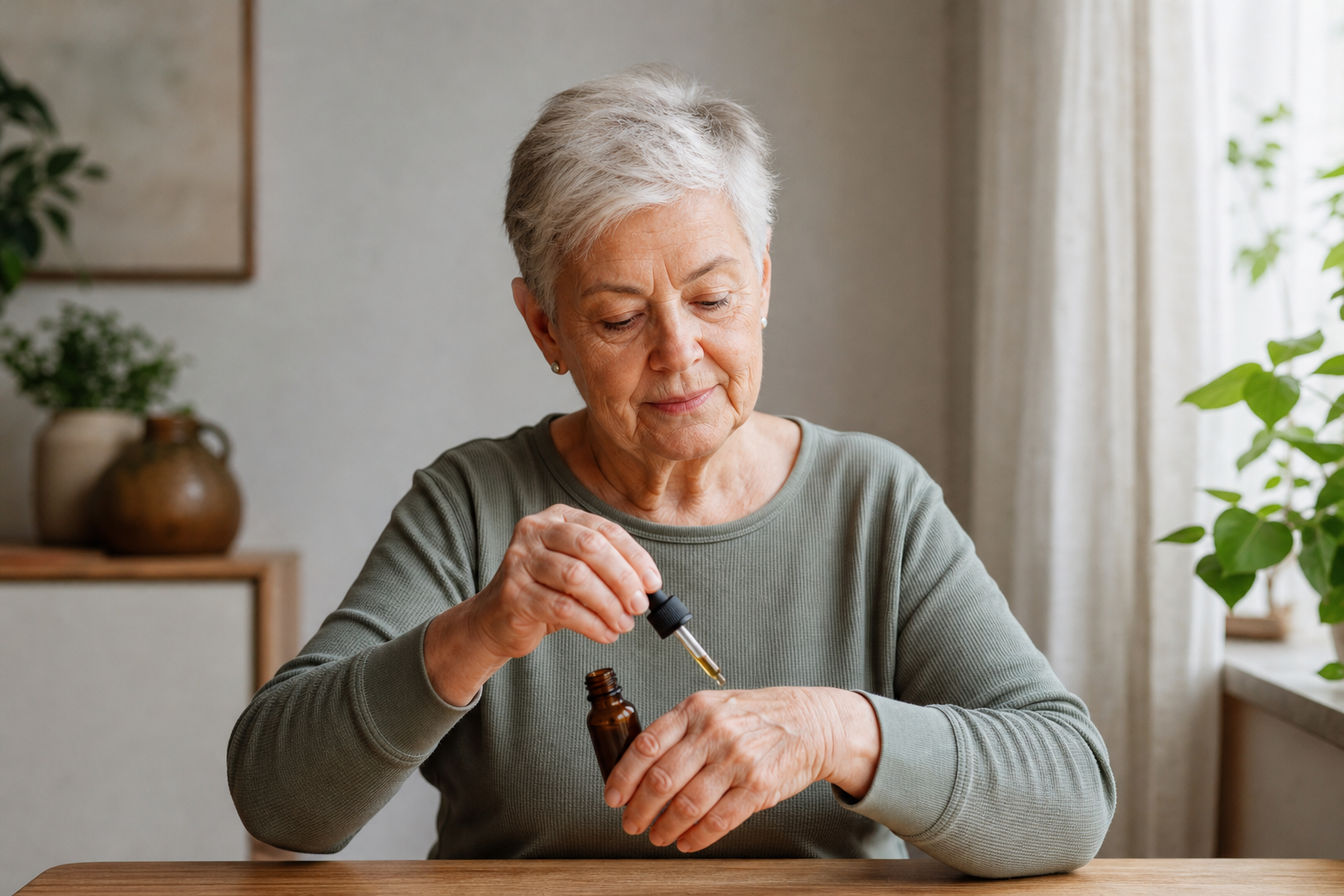
Why Does Joint Pain Seem So Impossible to Treat?
If you’re reading this, you probably know the answer all too well. Mornings start with stiffness that makes you feel decades older. Grocery trips end with ice packs on the couch. And forget sleeping through the night — sometimes knees or knuckles throb with every toss and turn. I’ve covered joint health for over twenty years, and I can tell you: pain is exhausting, but so is the endless parade of “miracle cures” that fizzle after a week.
The usual arsenal — ibuprofen, physical therapy, heating pads, and those gigantic glucosamine pills — helps some people. But for millions, especially those with osteoarthritis or autoimmune arthritis, the pain keeps creeping back, and so does the inflammation. That’s where curiosity about “plant-based” options like CBD oil comes in. People want something gentler, but still effective. The million-dollar question: does CBD actually help?
Here’s the Thing: The CBD Craze Is Real, But So Is the Research
Let’s cut through the noise. CBD (cannabidiol) is a compound from the cannabis plant, but it doesn’t get you high. The buzz comes from early studies hinting CBD might tamp down pain and inflammation in the body, but the devil’s in the details.
In 2017, Pain journal published a mouse model study showing that topical CBD reduced joint swelling and pain behaviors. Sounds promising, but here’s where I always urge caution: mice are not people. But by 2020, the Journal of Cannabis and Cannabinoid Research reviewed human data, and noted that while many folks anecdotally report relief, rigorous, large-scale trials in arthritis are still catching up.
Still, I can’t ignore what readers share. A retired nurse I spoke with, battling stubborn RA, swears by twice-daily CBD drops (25mg each). “It’s not a cure,” she admitted, “but my hands aren’t as hot and puffy.”
How Does CBD Oil Supposedly Help With Joints?
This is where things get fascinating — and a bit technical. Your body’s endocannabinoid system (ECS) acts like a cellular switchboard, fine-tuning everything from pain signals to immune responses. CBD is thought to interact with ECS receptors in joints and nerve tissues, possibly smoothing out the inflammation cascade and dulling pain’s volume knob, so to speak.
One 2016 European Journal of Pain study used a topical CBD gel in rats and found “significant reduction” in joint swelling, plus improved movement. Again, yes — rats, but I’ve had orthopedic clinicians reference this when explaining CBD’s local effects. For people with osteoarthritis, some researchers believe CBD’s anti-inflammatory prowess comes from suppressing cytokines — those pesky inflammation messengers that turn joints hot and angry.
For those with autoimmune conditions like rheumatoid arthritis, where the immune system is in overdrive, the hope is that CBD might help calm the storm. It’s not a substitute for DMARDs or biologics — and you should absolutely talk to your rheumatologist before swapping out any prescription meds — but some find that adding CBD (especially a high-quality oil or topical) gives an extra nudge toward better days.
CBD Oil vs. Traditional Remedies: Is It Any Better?
Look, I get dozens of emails every month from folks wondering if CBD is the “next Voltaren.” Here’s what I tell them.
- Oral NSAIDs (ibuprofen, naproxen): Still the research gold standard for quick pain and swelling, but tough on the gut, blood pressure, and kidneys — especially when used chronically.
- Topical NSAIDs (like Voltaren Arthritis Pain Gel): Direct-to-joint relief with less systemic side effect risk. But not everyone finds enough punch from topicals alone, and they require regular re-application.
- Supplements (think: glucosamine chondroitin): The clinical verdict is mixed. Some see noticeable relief (especially in knee OA, at 1500mg daily), others notice zero difference. Turmeric, MSM, and boswellia round out the usual suspects, and I’ve seen good reviews on formulas like Glucosamine Chondroitin Turmeric MSM & Boswellia.
- CBD Oil: Here’s where the jury’s still out. For people who can’t tolerate NSAIDs, or who want a plant-derived option, CBD is reasonably safe (as long as it’s a reputable brand — more on that below). The real kicker? Relief is highly individual. I’ve seen people go from “a little less stiff” to “sleeping through the night for the first time in years.” Others barely notice a thing.
If you’re nodding along, you’re not alone. Most experts I trust say CBD is unlikely to be a magic bullet, but it can be part of a modern, multi-tool approach. And unlike so many wellness trends, CBD has actual biological plausibility behind its popularity.
So, What’s the Right Way to Use CBD Oil for Joints?
First, talk to your doctor or a pharmacist who knows your meds. CBD can interact with blood thinners, some seizure meds, and even cholesterol drugs. Trust me — the last thing you want is an unplanned ER trip because you thought “natural” meant “risk-free.”
Assuming you get the green light, here’s what I see working best:
- Topical creams/oils: Direct application on knees, hands, or elbows. I prefer this for smaller joints or targeted flare-ups — absorption is localized, and relief can kick in within 20-30 minutes.
- Sublingual tinctures: Drops under the tongue are popular, typically starting with 10-20mg, up to twice daily. Some patients ramp up to 40-50mg, but I always recommend starting low. Look for products with clear third-party lab testing, ideally organically grown hemp, and zero “mystery” ingredients. (A pharmacist I admire compares this to buying sushi: transparency matters!)
- Capsules or edibles: Easier for precise dosing, but slower onset (think: 60+ minutes). Good for those who hate the taste or have shaky hands.
Some combine topical and oral. A reader named Pat emailed last week to say she dots CBD balm on her wrists at night, and takes a capsule in the morning. “It’s not perfect,” she wrote, “but I’m down to half my usual Tylenol.”

What Dosage Is Backed By Science?
This is the million-dollar question — and honestly, there’s no universal answer yet. Most arthritis studies use doses ranging from 20mg to 100mg per day. The Arthritis Foundation’s 2019 CBD survey (over 2,600 participants!) found most people used less than 25mg twice daily, and about one in four reported “meaningful” reduction in pain or swelling.
I generally suggest starting with 10-20mg per dose, once or twice daily, and increasing slowly every few days until you find a sweet spot. Don’t expect fireworks overnight — some see a difference in a few days, but for others, it’s more like two weeks of gradual improvement.
Avoid products with “proprietary blends” or unclear labeling. The more transparent the ingredient list and testing results, the more likely you’ll get a consistent outcome.
Real Risks and Side Effects (Because No Remedy Is Perfect)
Most people tolerate CBD quite well — the most common issues are drowsiness, dry mouth, or in rare cases, loose stools. High doses can interact with medications, as I touched on earlier. And you should be wary of brands making outlandish claims (“cures arthritis in 7 days!” is a dead giveaway for snake oil).
The other headache: regulation. Because CBD lives in a legal gray area, quality varies wildly. In 2020, JAMA published a study finding over 25% of tested CBD products were mislabeled for potency, and some contained unlisted THC. Bottom line: buy from reputable, transparent brands — ask for a “Certificate of Analysis” (COA) from a third-party lab if it isn’t listed online.
CBD Oil vs. Other Joint Supplements: What’s the Best Bet?
This is where things get controversial. Some experts argue that classic joint support blends, like Glucosamine Chondroitin Turmeric MSM & Boswellia, have more robust long-term safety data and can be stacked with other therapies. Others insist CBD will be the “fish oil of the next decade” — not a panacea, but a significant player for people with pain who can’t pop NSAIDs every meal.
Personally? I think there’s a place for both. I’ve seen knee OA patients get their lives back on daily glucosamine (at 1500mg, with 1200mg chondroitin), and others who swear nothing works except their evening CBD tincture. A few even use Voltaren in the morning and CBD at night, for round-the-clock coverage. The key is being open to experimenting — carefully, and with your physician’s input.
How to Make CBD Part of a Realistic Joint Health Plan
Here’s what I recommend, after two decades interviewing rheumatologists, pharmacists, and (most importantly) people living with joint pain:
- Combine therapies: Don’t ditch proven medications or physical therapy for CBD alone. Stack it with classic tools: ice/heat, gentle stretching, anti-inflammatory diet tweaks, and topical pain relievers like Voltaren Arthritis Pain Gel.
- Track your symptoms: Use a journal or a simple calendar. Jot down pain levels, swelling, and sleep quality. If you add CBD, note the dose and timing — you want to separate placebo effect from real patterns.
- Ease your daily routine: Simple supports, like a heating pad or a compression sleeve, can make a big difference. When my mother-in-law started using an XL heating pad (like the Pure Enrichment PureRelief XL) alongside her CBD balm, she called it “joint spa day.”
- Prioritize quality: If a CBD oil or cream doesn’t share third-party lab results, or smells like a head shop, move on. You get what you pay for.
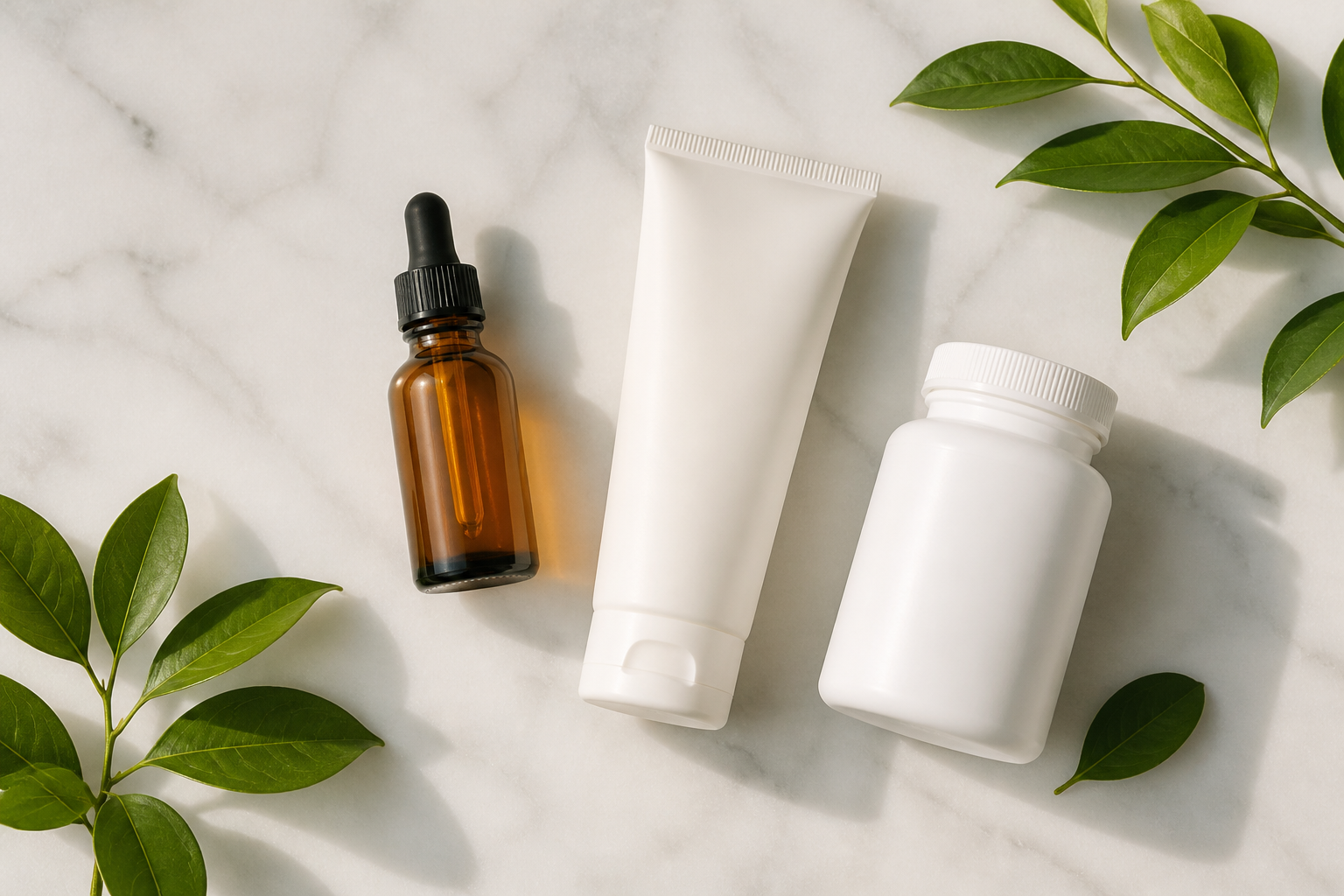
Final Takeaways: Does CBD Oil Work for Joint Pain and Inflammation?
Here’s what I tell friends, patients, and anyone else desperate for relief: CBD oil isn’t a miracle, but it is a legitimate, promising option in the toolkit for joint pain and inflammation. The research is evolving, and it’s not as ironclad as for NSAIDs or some supplements — but for many, it’s worth a cautious trial, especially if your body can’t handle traditional meds.
Focus on reputable brands, realistic expectations, and combining strategies for the best results. Track what changes — and be gentle with yourself if relief is slow or modest. And remember, if you find something that helps you move, sleep, or just smile a little more, that’s real progress.
Have you tried CBD oil for your joints? Or are you curious but still on the fence? Feel free to reach out — I read every email, and I love sharing real stories. Here’s to less pain, more movement, and always, a little bit of hope.
— Karen Whitfield, Health Journalist & Joint Wellness Advocate