
CBD Oil for Joint Pain and Inflammation: Hope or Hype?
About six months ago, one of my long-time coaching clients — let’s call her Marcia — shuffled into my office, wincing. “James,” she said, “I can barely get up the stairs. Have you tried this CBD oil stuff? My neighbor swears by it.” Honestly, that wasn’t the first time someone had asked me about CBD oil for joint pain and inflammation. And it won’t be the last. The real kicker? The research is catching up to the hype, but in ways most folks don’t expect.

The Daily Grind of Joint Pain: You’re Not Alone
If you’re nodding along, you’re not alone. Joint pain — knees, hips, hands, you name it — affects as many as one in four adults over 50, according to the Arthritis Foundation. I hear about it after every holiday (usually from folks who tackled too many stairs or tried to impress the grandkids). The stiffness, the throbbing ache, the way it saps your energy or interrupts your sleep. It’s infuriating. And honestly, it makes people desperate for something that just works — especially something that won’t wreck your stomach like some of the old-school NSAIDs.
Here’s the thing: CBD oil is everywhere now, from the corner pharmacy to your cousin’s Facebook page. People talk about it like it’s magic. But is it?
So, What *Is* CBD Oil, Anyway?
Let’s clear up a big misconception right away. CBD (short for cannabidiol) is a compound found in the Cannabis sativa plant. It’s not the stuff that gets you high (that’s THC). In fact, most reputable CBD oils are required to have less than 0.3% THC — so, you’re not going to end up giggling on the couch or raiding the fridge.
Most CBD oil products are extracted from industrial hemp, then diluted with a carrier oil like MCT or hemp seed oil. The idea is to deliver a concentrated dose of CBD, usually 10-50mg per serving, either as drops under your tongue (sublingual), softgels, or topical creams and balms.
And there’s a spectrum: some products are pure “CBD isolate,” while others are “full-spectrum” (meaning they include a range of other cannabinoids and terpenes that might — according to some studies — work better together).
The Science: Does CBD Oil Actually Work for Joint Pain and Inflammation?
I’ll be honest: I was skeptical at first. I’d seen too many “miracle” supplements fizzle out under real scrutiny. But a reader with rheumatoid arthritis emailed me last year after trying a full-spectrum CBD oil, reporting fewer flare-ups and better sleep. That pushed me to dig into the research.
Here’s where it gets interesting. A 2020 review in Current Opinion in Rheumatology looked at preclinical studies and found that CBD definitely has anti-inflammatory properties — at least in animal models. Specifically, CBD appears to reduce the production of certain inflammatory cytokines (like TNF-α and IL-6) and may block pain signals in the nervous system. In plain English: CBD could dial down both the inflammation and the way your brain perceives joint pain.
But — and this is important — human trials are still catching up. A 2018 randomized controlled trial in European Journal of Pain used topical CBD on rats with arthritic joints. The results? Reduced swelling and clear improvements in limb posture (basically, they walked better). Human studies are smaller, but a promising open-label trial published in Arthritis Care & Research (2022) found that 62% of participants reported moderate-to-significant relief after using oral CBD for knee osteoarthritis over 12 weeks, with few side effects.
Now, there’s some controversy here. Not every study is glowing. The BMJ published a meta-analysis in 2021 suggesting that much of the evidence is still low-to-moderate quality, mostly due to short study durations and small sample sizes. But the trend is moving in the right direction — especially for folks who haven’t found relief with standard approaches.
How Does CBD Oil Actually Help Joint Pain?
So let’s talk mechanisms without getting lost in jargon. CBD interacts with what’s called the endocannabinoid system — essentially, a network of receptors in your body that help regulate pain, inflammation, and even mood. Think of it as your body’s “balancer.”
- It slows down inflammatory signals: CBD can reduce the production of pro-inflammatory molecules like cytokines (the culprits behind much of the swelling and pain in arthritis).
- It calms overactive nerves: Chronic joint pain often involves nerves firing too much. CBD appears to influence how those nerve signals are sent, dialing down the volume on pain.
- It may even protect cartilage: Some preclinical studies in the Journal of Experimental Medicine suggest CBD could help prevent further joint breakdown, though, again, we need bigger human trials.
Bottom line: While CBD oil isn’t a silver bullet, there’s legitimate science showing it might help with both the pain and the underlying inflammation — especially in people with osteoarthritis or rheumatoid arthritis. But it’s not magic, and anyone promising "cures" is selling snake oil, not CBD.
Who Might Benefit from CBD Oil?
Quick story: My mother-in-law, the queen of skepticism, was convinced CBD was “just another fad.” Then her yoga buddy gave her a bottle for her arthritic hands. Two weeks later she texted me: “I can open jars again!” Is that a placebo effect? Maybe… but I’ve seen enough similar stories — especially from folks who:
- Struggle with chronic knee, hip, hand, or back pain from osteoarthritis
- Have rheumatoid arthritis with stubborn flare-ups
- Can’t tolerate standard NSAIDs (ibuprofen, naproxen) due to stomach or kidney issues
- Have trouble sleeping due to pain at night
That said, I always remind clients: Talk to your doctor before you start any new supplement — especially if you’re on blood thinners, have liver issues, or are immunocompromised. CBD is generally safe, but it’s not for everyone, and it can interact with certain meds.
How to Use CBD Oil for Joint Pain: Real-World Advice
Look, the supplement aisle is overwhelming. Tinctures, gummies, capsules, topicals — it’s a wild west. After evaluating dozens of products (and hearing feedback from my clients), here’s what I recommend if you’re serious about trying CBD oil for joint pain and inflammation:
- Start Low, Go Slow: Begin with a small oral dosage — 10-20mg of CBD per day — and see how your body responds. Gradually increase every few days if needed, but don’t overdo it.
- Consider Topical CBD: For localized pain (think hands or knees), many people find relief from CBD creams or balms. These can be applied directly to the sore joint 2-3 times daily. I’ve seen people use it alongside oral oil for a “1-2 punch.”
- Check for Third-Party Testing: Make sure your CBD product is independently lab-tested for purity, potency, and absence of contaminants. This is non-negotiable — the market is still poorly regulated, and you want to know exactly what you’re putting in (or on) your body.
- Avoid Unrealistic Claims: If a product promises to “cure” arthritis, run the other way. Relief is possible, but miracles are not on the menu. Look for brands that explain their sourcing, extraction methods, and actual CBD content per serving.
If you’re curious about what a typical day with CBD might look like, here’s one approach — based on feedback from clients and a handful of studies:
- 7am: 10mg-20mg CBD oil drops under the tongue, held for 60 seconds, then swallowed
- Midday: Light mobility exercises or a short walk (joint movement is key, CBD or not!)
- 3pm: Apply a CBD topical cream to knees or hands if pain flares up
- 8pm: Optional second oral dose if nighttime pain disrupts sleep
And here’s a little secret most articles won’t tell you: For some, the improvement is subtle — maybe less stiffness in the morning, or just a bit more freedom going up and down stairs. For others, the change is dramatic. Individual response varies, and you may need to experiment a bit to find what works for your body.

What About Side Effects?
Most people tolerate CBD oil exceptionally well. Occasionally, I’ll get emails about drowsiness, dry mouth, or mild digestive upset — usually at higher doses (over 50mg per day). Even so, the World Health Organization considers CBD safe for most people, with a very low risk of abuse or dependence.
Still, I have to stress: If you’re on blood thinners (like warfarin), anti-seizure meds, or have significant liver disease, check with your doctor or pharmacist. There’s a real potential for drug interactions. And don’t combine CBD with alcohol or sedatives until you know how it affects you.
Integrating CBD Oil with Other Joint Relief Strategies
Here’s my professional take: CBD oil can be part of a broader toolbox — but it’s rarely a substitute for proven basics like strength training, gentle stretching, and smart diet choices.
For example, I’m a big fan of guided home exercise, especially for knees. If you want to combine approaches, a resource like Treat Your Own Knees by Jim Johnson gives simple, research-backed routines for joint strength and mobility (it’s under $12 and way cheaper than physical therapy). I’ve seen even mild mobility work make CBD “work” better, because you’re addressing both the chemical and mechanical drivers of pain.
Still need extra relief for a stubborn joint? Pairing CBD oil with a Pure Enrichment PureRelief XL Heating Pad is something I often recommend. Heat can help relax tight tissue and may speed up topical CBD absorption. Small, daily habits add up.
What to Look For: Choosing a Quality CBD Oil
The market is saturated, but not all CBD oils are equal. Here’s what I look for — both as a professional and someone who’s steered dozens of clients through this maze:
- Full-spectrum or broad-spectrum CBD: These products harness more of the plant’s active compounds, which might provide a “synergy” effect (sometimes called the “entourage effect”).
- Lab-tested, with clear certificates of analysis (COA): Reputable brands make it easy to download detailed lab reports for every batch. Look for contaminants, THC content (should be under 0.3%), and actual CBD levels.
- Transparent labeling: You should know exactly how much CBD you’re getting per dose. Beware “hemp oil” products that don’t list actual CBD content.
- Reasonable price: Quality CBD isn’t cheap, but you shouldn’t have to refinance your house. Generally, expect to pay $40-70 for a reputable 1000mg-1500mg bottle (about a month’s supply if you use 15-25mg per day).
- Good customer reviews: Real stories from folks with arthritis or joint pain carry more weight than celebrity endorsements. Look for consistent feedback about joint relief, not just generic “relaxed” or “slept great” claims.
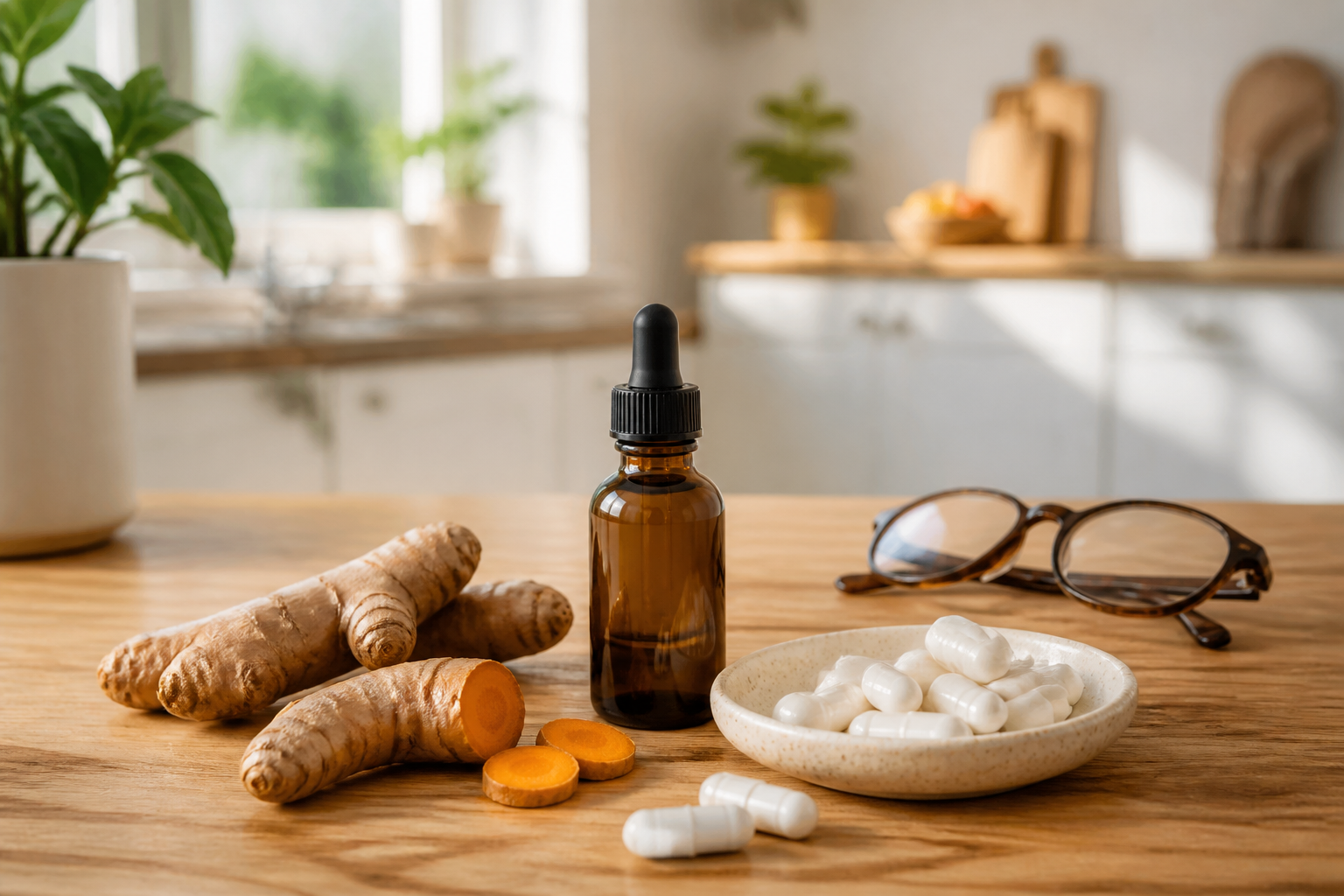
And if you’re overwhelmed by product choices, I’ll occasionally point readers to combination joint support supplements — especially if you want to hedge your bets with ingredients like turmeric, glucosamine, and MSM alongside CBD. One solid pick (which does not include CBD, but can be safely stacked with it) is Vimerson Health’s Glucosamine Chondroitin Turmeric MSM & Boswellia — affordable, US-made, and with over 43,000 positive reviews.
Where CBD Oil Fits in the Big Picture: Limitations & Honest Perspective
Most articles gush about CBD like it’s some kind of miracle. I’m not gonna do that. Here’s what you should realistically expect:
- If you’re dealing with mild-to-moderate arthritis pain and want something gentler than prescription meds, CBD is worth a try. It won’t replace a hip replacement or undo years of cartilage wear, but it might just make life a little easier.
- For severe pain or rapidly progressing arthritis, think of CBD oil as a supplement to — not a replacement for — medical therapy. Physical therapy, proper medication, and sometimes surgery are still the mainstays.
- Patience pays off: Most people notice subtle benefits in 1-2 weeks, but full effects, especially for inflammation, may take 4-6 weeks of daily use. Keep a simple pain journal so you can track honest progress.
- Consistency is key: Don’t skip doses or stop after a few days if you don’t feel a miracle. The science suggests cumulative effects matter more than single-use.
I know this is unpopular among some “natural health” circles, but — CBD oil is not for everyone. Some people feel nothing. Others notice better sleep, less stiffness, or easier mornings. Still others get real, meaningful pain relief within a month. The most important thing? Stay curious, informed, and communicate with your doctor throughout the process.
Fresh Takeaways: What I Tell My Own Family
So, if you’re still wondering if CBD oil is worth trying for your joint pain and inflammation, here’s what I tell my own family and clients (and, by the way, Marcia’s now walking her dog every morning):
- Start small. Give it an honest 4-week trial, and track your symptoms.
- Pick a product with real lab testing, transparent dosing, and actual user reviews.
- Layer your approach: CBD is most effective when combined with basic joint care habits — movement, proper sleep, anti-inflammatory nutrition.
- Talk to your healthcare provider — especially if you take other meds or have existing health conditions.
And if it isn’t a game-changer, don’t beat yourself up. Everybody’s biochemistry is different. But if it helps you open a jar, walk without a limp, or just sleep through the night, that’s a win in my book.
Have questions or want to share your experience? Email me anytime, or drop a note below. We’re all in this together — and sometimes, the best solution is just the one that lets you keep moving.
James Chen, MS, CSCS
JointReliefReviews.com
James is a strength and mobility specialist with a master’s degree in Exercise Science. He’s reviewed dozens of joint health supplements and mobility tools, and has helped hundreds of adults over 50 reclaim their active life. His advice combines cutting-edge research with real-world experience — and the occasional story from his (very opinionated) mother-in-law.