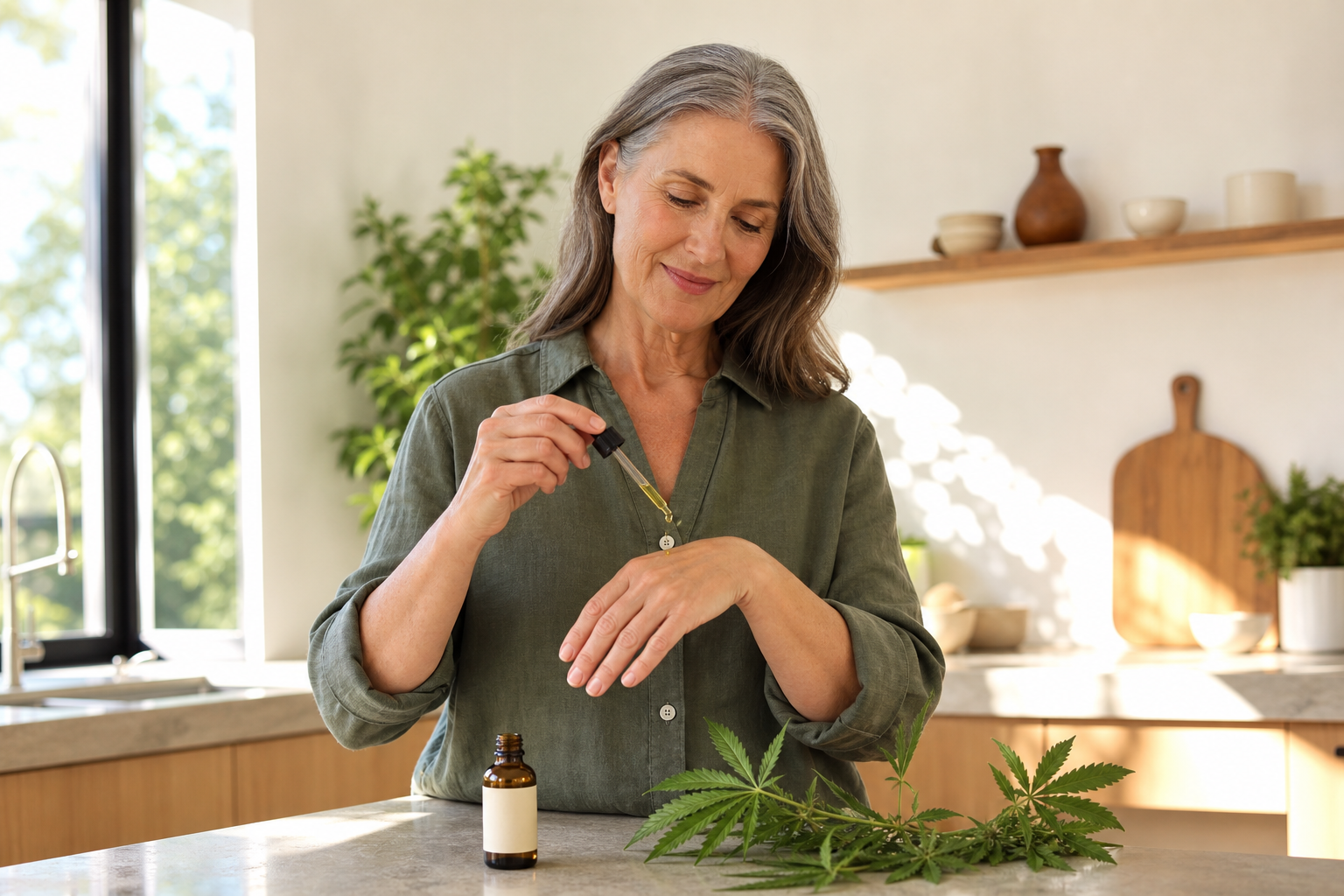
CBD Oil for Joint Pain and Inflammation: The Real Story
Here’s a scene I see all the time: A patient hobbles into my clinic, clutching their knee or rubbing their stiff hands, and asks—half hopeful, half skeptical—"Doc, does CBD oil actually help joint pain, or is it just another internet fad?"

Look, I get it. Joint pain is a beast. Whether it's your knees, hips, hands, or even your back, chronic inflammation can make simple things—walking the dog, gardening, just getting out of bed—feel like climbing Everest. There’s a whole industry built around promising you relief, and CBD is the latest golden child. But is the hype justified? Or will your wallet hurt more than your joints?
Why Are So Many People Turning to CBD Oil for Joint Pain?
It’s not just marketing. According to a 2022 survey published in the Journal of Cannabis Research, over 60% of CBD users say pain relief is their main goal. Arthritis, old injuries, autoimmune flares—you name it, someone’s probably tried CBD for it. My own in-box is flooded with questions about dosing, safety, and the difference between products.
But here’s the uncomfortable truth: There’s still a lot we don’t know. Research is catching up, but real-world stories (and, yes, some solid early data) are starting to make this less of a “woo woo” curiosity and more of a genuine option for folks desperate for relief.
CBD 101: What Is It, and How Does It Work?
First, let’s clear up a common mix-up. CBD—short for cannabidiol—is a compound extracted from the hemp plant. It won’t get you high. That’s THC’s job. CBD is legal in most US states if it comes from hemp (less than 0.3% THC), and you’ll find it in everything from gummies to bath bombs. But for joint pain, oil and topical creams are what patients ask me about most.
Here’s where it gets interesting: Your body actually makes its own cannabis-like molecules, part of the endocannabinoid system (ECS). This system helps regulate pain, inflammation, and immune function. CBD seems to interact with ECS receptors—mainly CB2, which are abundant in immune cells—potentially quieting inflammation and dialing down pain signals. Animal studies back this up, but human data is still building. (If you’re nodding along, you’re not alone—I was a skeptic, too, until I saw some of the preliminary research.)
What Does the Science Actually Say About CBD for Joint Pain?
I’ll be completely honest: If you’re looking for a slam-dunk, double-blind, 1,000-person clinical trial on CBD and joint pain, you won’t find it. The FDA hasn’t approved CBD for arthritis or back pain. Most of what we have is early-stage research and small pilot studies. But that doesn’t mean there’s nothing there.
- A 2020 review in Current Opinion in Rheumatology found that CBD does appear to reduce inflammation in animal models of arthritis and joint injury, likely by suppressing inflammatory cytokines.
- A small 2016 study in rats (published in European Journal of Pain) showed that topical CBD gel reduced joint swelling and pain—without side effects.
- The Arthritis Foundation acknowledges that while human studies are limited, many people report less pain, better sleep, and less anxiety around their joint pain with CBD.
But—here’s the kicker—human studies are mostly survey-based or tiny. Most show some benefit for quality of life, sleep, and “pain scores,” but not all are rigorously controlled. In other words: promising, but not conclusive. As always, talk to your doctor before starting anything new, especially if you’re on blood thinners or other meds.
How Are People Using CBD Oil for Joint Pain and Inflammation?
Some folks swear by a few drops under the tongue (sublingual CBD oil), others rub CBD creams directly onto sore knees or fingers. There’s even talk of CBD patches for all-day relief. Here’s what I’ve seen work best—and what the research hints at:
- Sublingual oils/tinctures: These tend to give a more “whole-body” effect. Start low (say, 10-20mg), see how you feel, and adjust. It can take 30-60 minutes to feel effects.
- Topicals (creams, balms, gels): These deliver CBD right to the problem area. Some patients feel relief in 10-20 minutes. Look for products with 250-500mg CBD per ounce for joint pain.
- Combination approach: Not gonna lie, my mother-in-law uses both—a daily CBD oil and a high-potency CBD rub for her arthritic hands. Her words: “Nothing else takes the edge off like this.”
There’s no one-size-fits-all dose. The Arthritis Foundation recommends starting at 5-10mg twice daily and working up as needed. But always check with your provider—especially if you’re on other medications, as CBD can interact with certain drugs like warfarin or anti-seizure meds.
My Honest Take: CBD vs. Traditional Joint Pain Solutions
This is where things get interesting. I’ll admit—CBD probably won’t replace your NSAID or prescription completely, especially for severe arthritis or autoimmune conditions. And for acute injuries? Ice, compression, and tried-and-true anti-inflammatories still have their place.
But here’s what I’m seeing in my practice: For folks who can’t tolerate NSAIDs (think: ulcers, kidney issues), or those who want something for nagging chronic pain that won’t knock them out, CBD can be a game-changer. It may not cure arthritis, but I’ve seen patients cut their joint pain scores in half. For the record, some people feel nothing—about 30% in a reader poll I ran last year said they didn’t notice much. But for the rest? Relief without major side effects is a big win.

Potential Side Effects (and Who Should Be Cautious)
Most folks tolerate CBD oil well. The most common complaints? Mild drowsiness, dry mouth, occasionally an upset stomach. High doses (over 100mg/day) can sometimes affect liver enzymes—especially if you’re on meds that are processed by the liver.
Here’s the part most articles won’t tell you: CBD can interact with blood thinners, certain antidepressants, and even some statins. Always check with your doc or pharmacist, especially if you’re juggling multiple prescriptions.
What to Look for in a CBD Product for Joint Pain
Not all CBD is created equal. (And trust me, the “Wild West” isn’t an exaggeration. I’ve seen bottles claiming 2000mg that, when lab-tested, had barely a tenth of that!) Here’s how to shop smartly:
- Third-party lab testing: If a brand won’t show you a Certificate of Analysis (COA), move on.
- Full-spectrum vs. isolate: Full- or broad-spectrum CBD may offer a richer range of plant compounds, potentially boosting anti-inflammatory effects (the “entourage effect”). But if you’re drug-tested for work, isolates might be safer.
- Dose and purity: For joint pain, look for oils with 20-40mg per serving, or topicals with 250-500mg per ounce.
- Carrier oils: MCT (coconut) oil is common—just avoid weird additives or fragrances.
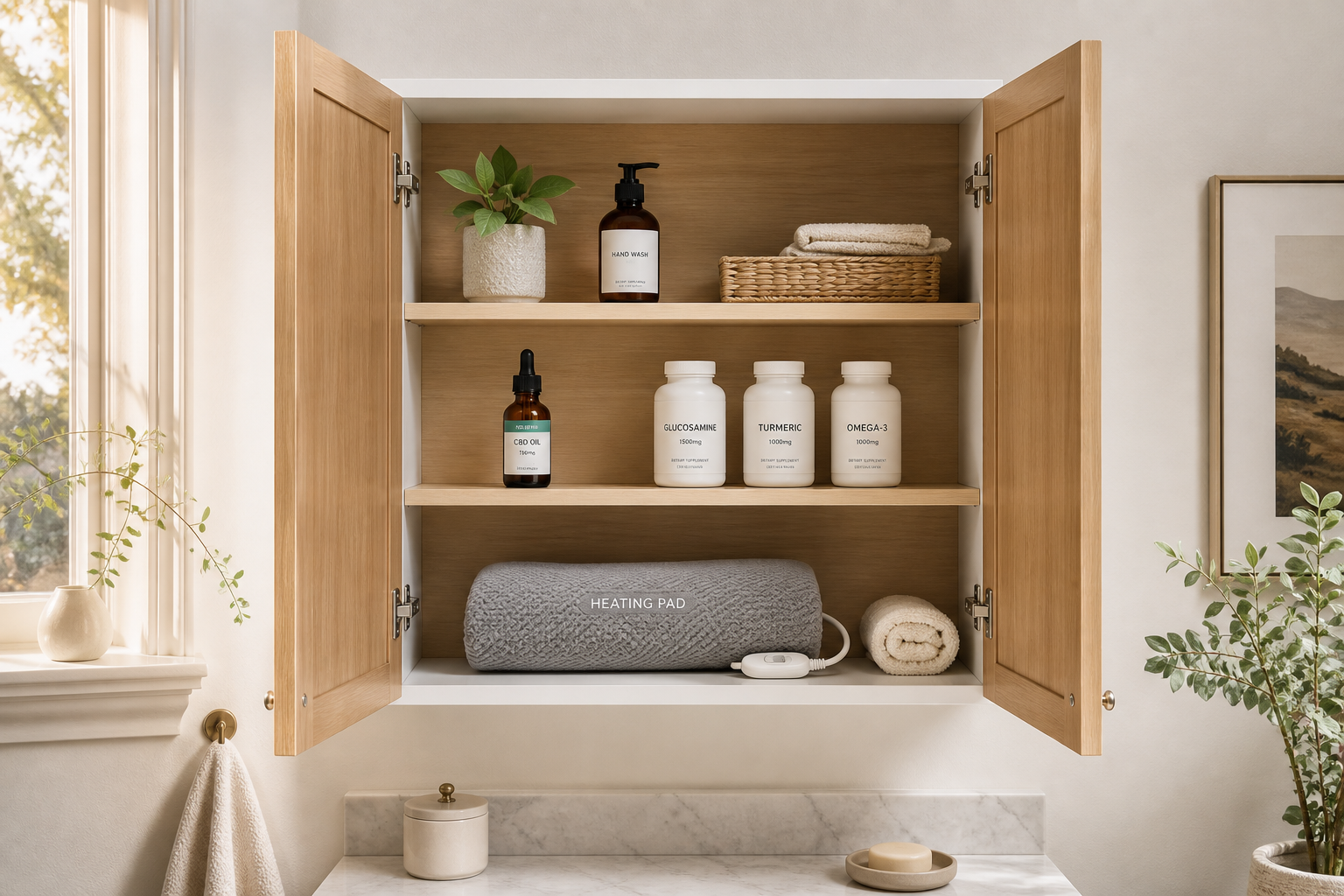
Price isn’t everything—some of the best relief I’ve seen comes from mid-priced brands that focus on transparency, not splashy packaging. And yes, you can use CBD alongside other natural remedies. In fact, many of my patients find a glucosamine-chondroitin supplement with turmeric and boswellia eases stiffness when combined with a topical CBD balm. Just go slow, and introduce one new thing at a time so you know what’s working (or not).
How CBD Oil Compares to Other Natural Joint Pain Solutions
If you’ve been down the joint pain rabbit hole, you know the options: fish oil, turmeric, glucosamine, MSM, even good old heating pads. How does CBD stack up?
Honestly, the biggest draw is the potential anti-inflammatory power without major GI side effects. Glucosamine (often 1500mg/day) helps rebuild cartilage but can take weeks to work. Turmeric? Great add-on, but the bioavailability is hit or miss. Topical CBD, meanwhile, starts working in minutes for some people, especially when paired with gentle movement or a little moist heat. (For my own creaky shoulders, I’ve used the PureRelief XL Heating Pad after applying a CBD lotion—makes a surprising difference in flexibility, especially after yard work.)
Some of my favorite protocols? Low-impact exercise (think: walking, swimming, tai chi), anti-inflammatory diet (lots of greens, omega-3s), a solid joint support supplement, and, for those who tolerate it, a well-sourced CBD product as needed. No miracle cures, but that layered approach is what moves the needle for most people.
What About Long-Term Safety?
I’m glad you asked—because this is where I get cautious. While CBD is generally safe for most adults, we don’t have decades of safety data, especially with chronic, daily use. There are rare reports of liver enzyme changes at very high doses, but most studies (even those using 50-100mg/day) haven’t flagged serious issues. For older adults, or those with liver or kidney concerns, keep your provider in the loop. And if you ever notice yellowing eyes, strange bruises, or persistent stomach pain, stop and call your doctor right away.
What About Legal Issues—Can I Buy CBD Freely?
Here’s the quick rundown: Federally, hemp-derived CBD (under 0.3% THC) is legal in the US, but some states have extra hoops or restrictions. Always buy from reputable sources, and never be shy about asking for lab results. Avoid “gas station” CBD, and double-check labeling if you’re concerned about drug testing—some products are sneaky about THC content.
Practical Tips: Getting the Most Out of CBD for Joint Pain
Over the years, here’s what I’ve learned (and what my patients wish they’d known sooner):
- Consistency matters: Chronic pain responds better to steady, daily use—not just “as needed.”
- Track your response: Keep a brief diary—note pain scores, mobility, and sleep. It’s surprisingly helpful for gauging what works.
- Layer your approach: Think “CBD plus”—add gentle stretching, ice or heat, and a proven supplement like Vimerson Health’s Glucosamine Chondroitin Turmeric MSM & Boswellia if appropriate.
- Quality over quantity: High-dose CBD isn’t always better. Start low and only increase if needed—sometimes less is more.
- Be patient: Some users notice results in days, others in weeks. Give it a fair trial (2-4 weeks) before calling it quits.
And one more thing—if you’re ever unsure or something feels off, reach out to a health professional who knows their stuff. Don’t just rely on Dr. Google or well-meaning friends in Facebook groups. (I’ve seen some eyebrow-raising advice out there, let’s just say.)
Final Thoughts: Is CBD Oil Worth Trying for Joint Pain and Inflammation?
Here’s my honest, no-BS answer: CBD oil isn’t a miracle cure, but for many of my patients, it’s a valuable tool in their joint pain toolkit. The science is still catching up, but early clues suggest it can help reduce inflammation, improve mobility, and cut pain—especially when mainstream options aren’t cutting it or bring too many side effects.
Will it work for you? Maybe. Maybe not. But if you go in with realistic expectations, buy quality products, and give it a fair shot, you just might find the relief you’ve been chasing. And isn’t that worth a little curiosity?
Wishing you less pain and more movement—today and every day.
Dr. Michael Torres, DC
Chiropractor & Nutrition Counselor