
CBD Oil for Joint Pain and Inflammation: What Really Works (And What Doesn’t)
My inbox was flooded last May. Readers—some I’ve known for years—kept asking: “Karen, is CBD oil worth it for joint pain? Will it ease my aching knees, or is it just snake oil in a fancy bottle?”
Here’s the thing: The hype is real, but so is the hope. I’ve spent years tracking arthritis breakthroughs for publications like Arthritis Today and Prevention, and I’ve learned how to spot what actually helps from what just empties wallets.
Why CBD? A Quick Reality Check
If you’re nodding along, you’re not alone. Joint pain—whether from osteoarthritis, rheumatoid arthritis, lupus, or just plain wear and tear—can turn everyday tasks into a grind. Stairs? Yikes. Gardening? Only on good days. My own mother-in-law used to skip Sunday dinners if her fingers were flaring. The reality: over 54 million Americans have arthritis (CDC, 2021), and nearly half say joint pain keeps them from what they love.
I get it. Prescription options can be a double-edged sword—effective, yes, but side effects like stomach trouble or sleepiness are no joke. Over-the-counter pain meds? Helpful, but not always enough. That’s why CBD oil hit the scene like a game-changer. People want plant-based, gentle, and (ideally) something that won’t knock you out or wreck your gut.
What Exactly IS CBD Oil?
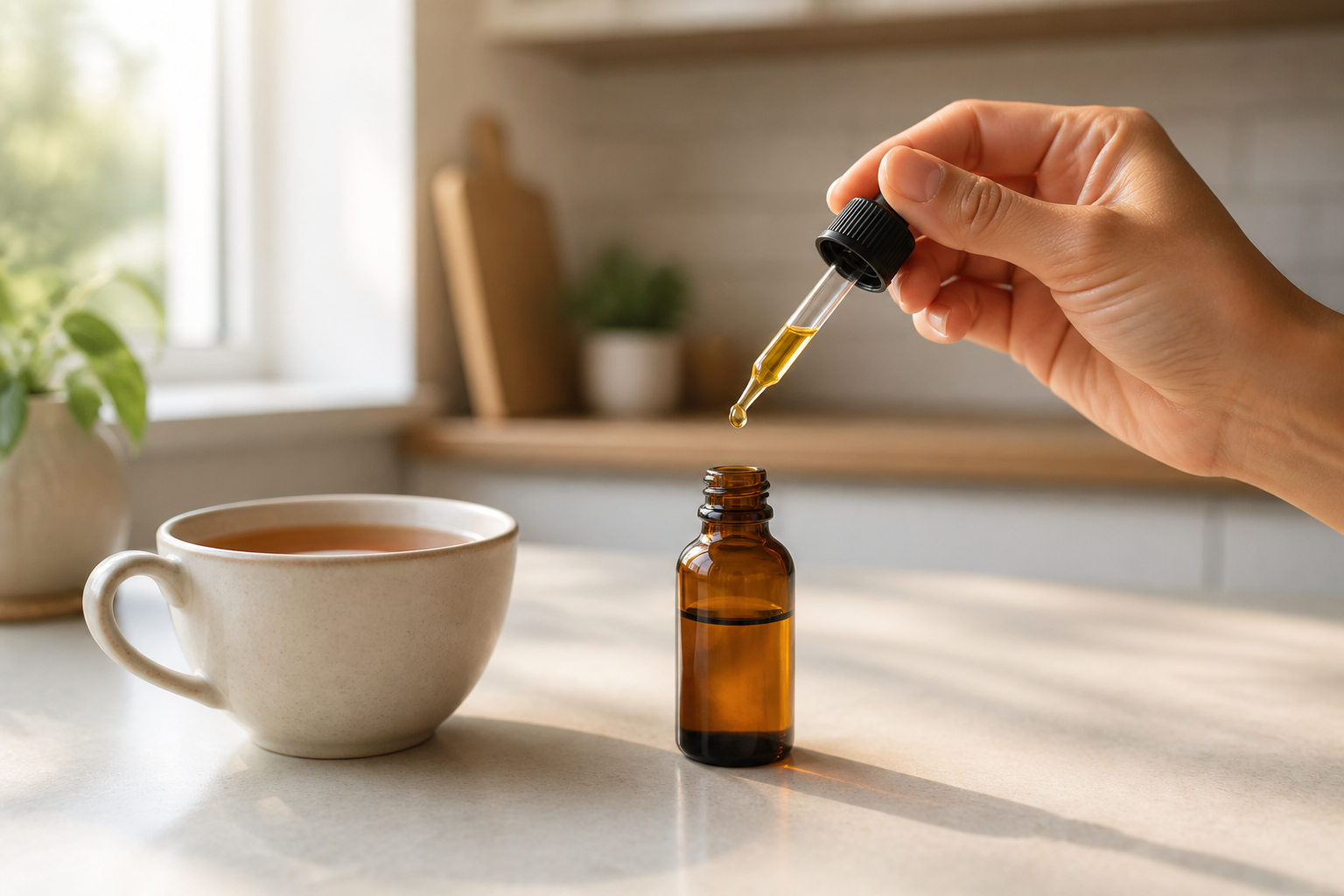
Look, there’s no shame in asking. I’ve had patients quietly admit they’re still fuzzy on the details. Here’s the gist: CBD—short for cannabidiol—is a compound from the hemp plant. It won’t get you high (that’s THC’s department). Legally, CBD oil sold online or in stores must have less than 0.3% THC. It’s available as drops (tinctures), capsules, gummies, and even topical creams.
The idea is simple but compelling: Take a few drops under your tongue, and let CBD interact with your body’s “endocannabinoid system”—a network involved in pain, inflammation, and immune balance. But as always, the science is more complicated than a slick Instagram ad lets on.
The Science: Does CBD Oil Actually Work for Joint Pain?
I’ll be honest—early studies were all over the map, and some of the first headlines in 2018 drove me up a wall. “CBD Cures Arthritis!” the tabloids screamed. But here’s what the REAL research says:
- Animal studies look promising. A 2017 paper in Pain found topical CBD reduced joint swelling and pain behaviors in rats with osteoarthritis. But rats aren’t people—so, grain of salt.
- Human evidence is growing, but still young. The European Journal of Pain (2020) published a small trial where topical CBD (250mg applied twice daily) eased knee pain more than placebo over 12 weeks. Did it cure arthritis? No. But most patients reported "meaningful improvement." That’s nothing to sneeze at.
- Another randomized study (2022, Arthritis & Rheumatology) found that 200mg CBD capsules helped some patients with rheumatoid arthritis feel less pain and stiffness. But—not everyone benefitted. Some folks noticed nothing.
And here’s where it gets interesting: Most doctors I’ve interviewed say the real-world results vary wildly. Some of their patients rave, others try it for a month and shrug, and some get mild stomach upset or fatigue. Honestly? This mirrors what I’ve seen after reviewing dozens of joint support supplements too.

CBD, Inflammation, and the Endocannabinoid System (Don’t Worry, I’ll Make It Simple)
If you want the nerdy details, here goes: Your body has an “endocannabinoid system” (ECS), a network of little receptors found everywhere from the brain to the skin to—yes—the joints. These receptors help modulate pain signals, immune reactions, and even your mood. CBD seems to interact mainly with CB2 receptors (involved in immune cells and inflammation), possibly dialing down inflammatory chemicals like TNF-alpha and IL-6 (Journal of Rheumatology, 2018).
Translation: For some people, CBD may help calm overactive inflammation in the joints. But—and this matters—it’s not a miracle switch. If you expect to wake up pain-free after one dose, you’ll be disappointed. Most clinical trials look at results after weeks, not hours.
How to Use CBD Oil for Joint Pain—and What to Watch For
Here’s what I tell my own family (yes, even my skeptical brother):
- Start low, go slow. Most research-tested doses are in the 15-25mg per day range at first, working up as needed. Some people need 40-50mg to feel a difference. Read your product’s label closely.
- Consistency matters. A single dropper won’t cut it. Most users need 2-4 weeks of daily use to gauge benefits.
- Full-spectrum vs. isolate. Some evidence (like a 2019 BMJ review) suggests “full-spectrum” CBD—tiny traces of other hemp compounds—may work better for joint pain than pure CBD isolate. Something called the “entourage effect.”
- Talk to your doctor, especially if you’re on meds. CBD can interact with blood thinners, seizure meds, and others. If you’re on prescription drugs, get the green light first.
And a big one: Look for third-party testing. Remind yourself—CBD isn’t regulated like a prescription drug. Always check for a certificate of analysis (COA) to confirm purity and potency. No COA? Walk away.
CBD Versus Other Joint Pain Solutions: The Honest Scoop
CBD oil is only part of the puzzle. I’d be remiss if I didn’t mention the other evidence-backed approaches that either work alongside CBD—or, for some, work better. Here’s my real-world lineup:
- Topicals (like Voltaren Gel): 1% diclofenac sodium, FDA-approved, with dozens of clinical trials proving it helps knee, hand, and elbow pain. It acts locally, so you dodge many whole-body side effects. I reviewed Voltaren Arthritis Pain Gel last year—still a go-to for many of my readers, especially for stubborn flare-ups.
- Supplements: Glucosamine (1500mg daily), chondroitin, turmeric, MSM, and boswellia each have some data for pain relief, especially osteoarthritis (BMJ, 2015). But here’s the kicker: You need patience—results can take 2-3 months. For those looking for a comprehensive option, Vimerson Health's Glucosamine Chondroitin Turmeric MSM & Boswellia formula is popular among my readers who want a "kitchen sink" approach without taking five different pills.
- Compression and heat: Don’t underestimate simple tools. Compression sleeves help stabilize and support aching joints, while heat pads (like Pure Enrichment’s PureRelief XL) can soothe morning stiffness and boost circulation. And yes, I’m still a heating pad devotee myself—especially after long flights or hikes.
CBD oil, in my opinion, is most useful as part of a multi-pronged strategy, not a solo act.
Common CBD Oil Mistakes (And How to Avoid Them)
After reviewing dozens of CBD brands (and, not gonna lie, wasting money on a few duds), here’s what I see folks do wrong:
- Chasing cheap brands with no third-party lab test. Don’t rely on Amazon reviews alone. Always check for an up-to-date COA—yes, even if the label looks legit.
- Mixing up "hemp oil" with "CBD oil." Hemp seed oil contains healthy fats but zero CBD. If the product doesn’t list “cannabidiol” or CBD content, skip it.
- Taking it only when pain flares. CBD is not like ibuprofen. It works best when taken regularly, building up in your system.
- Assuming higher doses are always better. There’s a "sweet spot" for most people. More isn’t always more—in fact, higher doses can bring on fatigue, diarrhea, or no extra benefit at all.
This isn’t just theory—a reader emailed me last month after switching to a “bargain” CBD brand. Her results tanked, and a quick check revealed it was basically olive oil with a charming green logo.
What Does a CBD Routine for Joint Pain Actually Look Like?
I spent a week shadowing a physical therapist who incorporates CBD with her older clients. Here’s what a typical day might involve (and what her patients actually said made a difference):
- A morning dose of full-spectrum CBD oil (15-25mg), held under the tongue for 60 seconds before swallowing.
- Gentle stretching or yoga—a 10-minute Sun Salutation series, or just chair stretches for stiff knees.
- Topical relief—some use a CBD cream on hands or elbows, others stick with tried-and-true Voltaren gel or a heating pad for 20 minutes before breakfast.
- Staying consistent. Real talk: The ones who tracked their pain diary daily noticed the most benefit. (Your memory is sneakier than you think!)
Some patients combined CBD with other supplements, like glucosamine & turmeric blends. A few relied on prescription options for big flare-ups. And—here’s where honesty matters—one gentleman told me straight: “CBD helped for my stress and sleep, but my knees? Not so much.”

Safety, Side Effects, and When to Skip CBD
Most people tolerate CBD oil pretty well, but it’s not always a free pass. The most common side effects I’ve seen? Mild digestive upset (nausea, diarrhea), sleepiness (especially at higher doses), and rare allergic reactions. CBD can interact with some prescription drugs—especially blood thinners (warfarin), certain seizure meds, and even some SSRIs. If you’re already taking meds, ask your doctor or pharmacist before adding CBD.
Pregnant or breastfeeding? Skip it for now—the safety data just isn’t there. Same if you have severe liver disease or a history of allergy to hemp products.
The Bottom Line: Is CBD Oil Worth Trying for Joint Pain?
Here’s my honest, been-there advice: CBD oil isn’t a miracle, but for some, it’s a helpful addition to a broader pain management toolkit. If you’ve run through NSAIDs, tried joint supplements, or just want to experiment (with your doctor’s blessing), it’s reasonable to give a quality CBD product a 4-6 week shot. Track your results, start low, and aim for consistency.
And don’t ditch your proven routines—gentle movement, joint-friendly diets, heat, compression, or even prescription meds when you need them. If you find a CBD oil that eases your pain or gets you sleeping better, fantastic. And if not? You’ve learned something about your body. Either way, you’re in the driver’s seat.
Fresh Takeaways (No Fluff, Just the Good Stuff)
- CBD oil may help some people with joint pain and inflammation, but results are variable (and best when taken regularly).
- Insist on third-party lab testing, clear labeling, and a “full-spectrum” formula if possible.
- Pair CBD with proven approaches—like Voltaren gel or a good supplement—for your best shot at relief.
- Keep your health team in the loop. Even "natural" remedies can interact or cause surprises.
- Track your pain, movement, and sleep for a few weeks—let the data (and your body) guide your next steps.
I’ll be updating this page as new research drops—because this topic is moving fast. In the meantime, I’d love to hear your stories: what’s worked, what flopped, and what you wish someone told you before you tried CBD oil for joint pain.
Stay curious, stay hopeful, and keep moving—one step (and dropper) at a time.
- Karen Whitfield
Health journalist, arthritis reporter, and joint pain survivor