
CBD Oil for Joint Pain and Inflammation: The Truth Behind the Hype
If you've ever been jolted awake by an aching knee, or if you wince every time you get up from the couch, you're not alone. Last summer, my mailbox was flooded with reader emails about one thing: CBD oil for joint pain and inflammation. I'll admit, even my pharmacist sister was peppering me with questions. I've spent over a decade reporting for Arthritis Today and Prevention, but nothing has captured public attention—or skepticism—quite like CBD.

Here's the thing: Chronic joint pain can be soul-sapping. If you've got osteoarthritis, rheumatoid arthritis, or even old sports injuries flaring up, finding a solution can start to feel like chasing unicorns. Tylenol, NSAIDs, turmeric, glucosamine—sometimes, nothing quite dials down that constant ache. So, it's no wonder folks are curious about whether CBD oil could be a game-changer.
The Problem: That Relentless Ache (and Frustrating Treatments)
You know what no one talks about? The emotional toll of living with joint pain. Sure, pain scale charts and X-rays tell part of the story, but missing out on hiking with grandkids, or dreading your morning walk because your hips are howling—those moments add up. More than 54 million Americans are living with some form of arthritis, and Arthritis & Rheumatology published a 2021 study showing that nearly 60% of those folks don’t get full relief from standard meds.
And the side effects—ugh. Long-term NSAIDs can hit your stomach, and prescription meds sometimes leave you foggy or worse. That's why the natural remedy bandwagon is so tempting. But does CBD oil for joint pain and inflammation actually live up to the promise?
CBD 101: What Is It, and How Could It Help?
Okay, straight talk: CBD (short for cannabidiol) is a compound found in cannabis plants, but it doesn't get you high. That's THC's job. CBD is legal in most states as long as it’s hemp-derived and contains less than 0.3% THC. But legality aside, does the science actually support the buzz?
Here's where things get interesting. In 2016, researchers at the European Journal of Pain tried applying topical CBD to rats with arthritis. They found that swelling and pain behaviors were significantly reduced after four days. No psychoactive effects, no obvious side effects. But—big but here—rats aren't people. We have to be brutally honest about that.
Human trials? There are some, but they're small and far from conclusive. A 2020 randomized trial published in Clinical and Experimental Rheumatology tracked 29 people with knee osteoarthritis using CBD gel or placebo. The results? A slight improvement in pain, but not statistically significant. Still, more than half the CBD group felt better—and that's notable, even if the numbers don't wow the statisticians.
I've spoken with rheumatologists who are cautiously optimistic. Dr. Sharon Kolasinski at Penn Medicine (often quoted in JAMA) told me, "CBD shows promise for some, but we're early in the evidence game. I always tell patients: try it as an adjunct, not a replacement, and don't expect miracles off the bat." Wise words, honestly.
How Does CBD Oil Actually Work for Joint Pain?
CBD interacts with your body's own endocannabinoid system—a network of receptors involved in pain, mood, and inflammation. The theory: by engaging these receptors (especially CB1 and CB2), CBD may help modulate pain signals and tamp down inflammation.
Animal research is strong here: a 2017 Journal of Pain experiment showed that oral CBD reduced inflammatory markers and improved movement in arthritic rats. Human studies are still in catch-up mode, but anecdotal evidence is pouring in from people who say their daily stiffness is less... well, stiff. I chatted with one reader, Joan, who told me that after two weeks of sublingual CBD oil (she took 25mg twice daily), she was able to garden for the first time in a year. Not peer-reviewed, but not nothing.
Here's what science suggests CBD may do:
- Reduce inflammation: CBD seems to lower certain pro-inflammatory cytokines (think TNF-alpha, IL-6—these are the "bad guys" in arthritis).
- Ease pain signals: By modulating neurotransmitters like serotonin and anandamide, CBD may blunt pain perception.
- Improve sleep: Better sleep can mean less perceived pain. In one 2019 survey, 66% of CBD users reported better sleep quality.
And the real kicker? CBD has a pretty solid safety profile, especially compared to opioids or prescription anti-inflammatories. But I'm not gonna gloss over the risks—more on that in a minute.
What Does (and Doesn’t) the Research Tell Us?
Let’s uncork the honest truth: The gold-standard clinical evidence for CBD and joint pain is still evolving. The FDA has approved one CBD-based drug (Epidiolex) for rare seizure disorders, not arthritis. Everything else? It’s considered a supplement, so quality and potency can vary wildly between brands.
Several 2022 reviews in the Journal of Rheumatology and BMJ point out that while animal studies are highly encouraging, there are still not enough large, well-designed human trials to make universal recommendations. But, and I know this isn't a popular opinion among the "CBD fixes everything" crowd, just because the data isn’t bulletproof doesn’t mean there’s zero value—especially for those who’ve struck out with traditional meds.
Here’s the practical upshot: If you’re the kind of person who likes to try new things, and you’ve already ticked off standard treatments (and gotten your doc’s okay), a high-quality CBD oil could be worth a shot. Just don’t expect it to be a miracle overnight. And stick to moderate starting doses—think 15 to 25mg per day.
Finding the Right CBD Oil for Joint Relief
Now, here's where things get tricky—and where I see people go wrong. The CBD market is the Wild West. Some bottles contain less CBD (or more THC) than the label says. Others are full of fillers or pesticides. Third-party lab results are a must. If the brand doesn’t share them? Move on.
Look, I test products constantly—some get a strong side-eye from me. But a few stand out for transparency, consistent potency, and honest customer feedback. (And if you're allergic to coconut oil or other carriers, double-check those labels! Sounds obvious, but I learned the hard way...)
Tips for picking a CBD oil for joint pain:
- Go full-spectrum or broad-spectrum: These contain a suite of cannabinoids and terpenes that may enhance effects via the "entourage effect." Isolate is fine, but some users find it less effective.
- Start low, go slow: I always recommend beginning with 10-15mg twice daily. Give it at least 1-2 weeks before adjusting up.
- Check for third-party lab testing: Ask to see recent COAs (Certificates of Analysis) for potency and purity.
- Consider delivery method: Oils/tinctures are absorbed faster, while edibles/gummies last longer in the system. Topicals can be good for localized pain, but less is absorbed into the bloodstream.
- Ask your doctor or pharmacist: Especially if you’re on blood thinners or have liver/kidney issues.
How to Use CBD Oil for Joint Pain and Inflammation
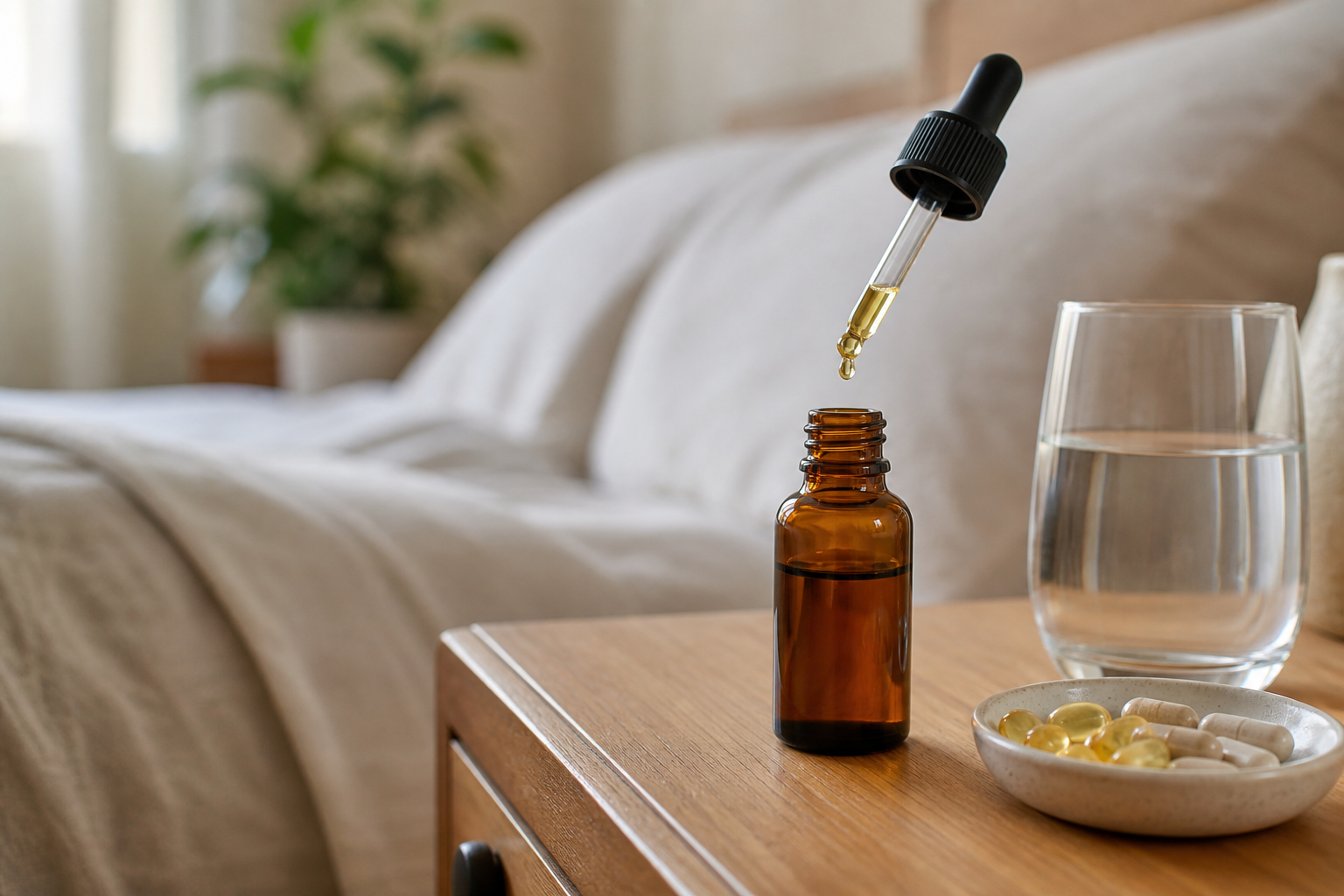
Most folks start with a sublingual tincture (dropper under the tongue for 30-60 seconds). This gets CBD into your bloodstream quickly. Daily dosing is more effective than "as-needed" use for chronic pain, in my experience and in many surveys. On the other hand, topicals—creams or balms—are a nice add-on for knees, hands, or elbows. A friend of mine with psoriatic arthritis swears by a combo: oral CBD plus a targeted roll-on for her swollen knuckles.
How much is too much? There’s no official max dose for joint pain, but most studies use 20-50mg per day. Some people need more, others less. Nausea and sleepiness are the most common side effects. If you feel off, lower the dose or take a break.
Are There Any Risks or Downsides?
Here’s the reality: Just because it’s "natural" doesn’t mean it’s risk-free. CBD can interact with certain medications (especially warfarin, some heart meds, and antidepressants), so talk to your doctor first. The other biggie is quality control. Look for products grown in the U.S. or Europe, with a clear chain of custody. I’ve also seen rare cases of mild liver enzyme elevations (usually with very high doses), so if you have liver disease, be extra cautious.
This isn’t snake oil—but it’s also not magic. If a brand promises instant pain relief for everyone, run the other way. Most real users experience gradual improvement, not overnight transformation.
Integrating CBD With Other Joint Relief Strategies
CBD isn’t a standalone fix. The best results I’ve seen—as a journalist and as a patient advocate—happen when folks combine CBD with evidence-based basics: gentle exercise, anti-inflammatory diet tweaks, and mechanical supports when needed.
Some of my readers find it helpful to pair oral CBD oil with a quality topical for breakthrough pain—like Voltaren Arthritis Pain Gel. It’s FDA-approved, and while it’s not CBD, many people layer it for extra relief on tough days. (That combo can be especially helpful for knees and hands, according to a 2022 survey in Rheumatology International.)
Compression gear is another unsung hero. I remember when my mother-in-law was rehabbing her arthritic knee—her physical therapist suggested a knee brace. Something like the Modvel Compression Knee Brace can ease swelling and let you stay active while you figure out the right CBD routine. I’m a big believer in stacking these small wins together.

How Does CBD Oil Compare to Other Joint Supplements?
Here’s a question I get every week: "Should I use CBD oil or stick to glucosamine, turmeric, or MSM?" My honest take? There’s a place for both. The evidence for glucosamine chondroitin is also mixed—some people do well on it, others don’t feel a thing. (The classic 2006 GAIT trial found that about 60% of moderate-to-severe knee arthritis patients reported at least some pain relief with 1500mg of glucosamine sulfate daily.)
CBD oil stands out for folks who want to avoid pills (or who haven’t had luck with traditional supplements). But if you want to cover your bases, there’s nothing wrong with combining a well-reviewed joint supplement like Glucosamine Chondroitin Turmeric MSM & Boswellia with CBD oil. Just go slow, track your symptoms, and keep your healthcare provider in the loop.
What Real People Are Saying About CBD for Joints
Look, I’ve read the studies and the Reddit threads. For every "CBD saved my knees" story, there’s someone who found it did squat. But here’s what I notice: the folks who give it a fair try, with realistic expectations and a solid product, often see mild to moderate improvement. It’s rarely a home run, but it’s also not striking out.
My neighbor George (mid-60s, marathoner turned weekend walker) has been using CBD oil for six months. Has it cured his arthritis? No. But he’s moved from a 7/10 pain day to a 4/10 most weeks. “I don’t mind paying for that,” he told me, “if it keeps me on my feet and off more meds.” Hard to argue with that logic.
Takeaways: My Honest Advice on CBD Oil for Joint Pain and Inflammation
Here’s my bottom line, as someone who’s seen every diet, ointment, and supplement trend over the years:
- CBD oil isn’t a silver bullet—but it’s a reasonable, relatively safe option to try for joint pain and inflammation, especially if you’re not getting relief elsewhere.
- Start with a low dose, pick a reputable brand, and give it time. Two weeks is a fair trial. If you don’t notice a difference, no harm done.
- Combine with other proven strategies: gentle movement, braces, heat therapy, and (for some) conventional topicals or supplements.
- Always talk to your doctor—especially if you’re on other meds, have a complex health history, or are pregnant or breastfeeding.
- It’s not for everyone. But if you’re curious and cautious, it might help nudge you a little further toward comfort and mobility.
And if you’re nodding along, you’re not alone. I’ve been there, and so have thousands of my readers. Sometimes, it’s about piecing together small improvements—one step, one drop at a time.
Questions? Success stories? Skepticism? I want to hear it all. Shoot me an email—I might feature your experience in my next column.
Stay curious, stay skeptical, and above all—keep moving.
—Karen Whitfield, veteran health journalist for Everyday Health, Prevention, and Arthritis Today. Patient advocate and joint pain survivor.