
CBD Oil for Joint Pain and Inflammation: What Actually Works?
My first real encounter with CBD oil was about five years ago, when my father-in-law—an old-school construction guy, tough as nails—showed up limping down my driveway. He’d tried all the usual stuff for his knees: ice packs, Voltaren gel, the whole orthopedic song and dance. But that week, a friend at his bowling league had pressed a small vial of greenish oil into his palm and whispered, “Try this. It changed everything for me.” Skeptical, but desperate, he slathered it on. The next morning, he swore he slept through the night for the first time in months. I was intrigued—maybe even a little annoyed at how quickly he jumped on the CBD bandwagon. But I couldn’t argue with results.

Why Joint Pain Hits So Hard (And Why the Solutions Can Be Frustrating)
If you’re nodding along, you’re not alone. Joint pain—whether it’s from osteoarthritis, rheumatoid arthritis, or just plain living—can grind away at the edges of your day. The CDC estimates that over 58 million Americans suffer from arthritis, and that number’s only rising. I’ve watched patients drag themselves, wincing, into my clinic. They’re stiff in the morning, worse after sitting, and the weather changes? Forget it. Even simple tasks like carrying groceries or tying shoes can feel like climbing Everest.
Now, the classic treatments—NSAIDs, topical gels, physical therapy—work for many. But (and here’s the kicker) NSAIDs can wreck your stomach, and steroids are nobody’s long-term friend. I’ve lost count of people who say, “I just want something that helps, but doesn’t leave me feeling like a zombie or mess with my blood pressure.” That’s the context in which CBD oil has made such a splash. But does it really deliver?
CBD Oil: What It Is, and Why People Use It for Joint Pain
Let’s clear up some confusion right away. CBD (short for cannabidiol) is a non-intoxicating compound found in the cannabis plant. No, it won't make you high. Yes, it’s federally legal in the U.S. if derived from hemp with less than 0.3% THC. You can find it as oils, creams, gummies, capsules—the works.
But why all the fuss about CBD oil for joint pain and inflammation? Here’s where the science gets interesting. Animal studies since the early 2000s have shown that CBD interacts with the body’s endocannabinoid system—basically, a complex network of receptors that helps regulate pain, inflammation, and even immune response. The theory is that CBD can dial down inflammatory signals and dampen pain perception.
Of course, animal studies are one thing—real human experience is another. So, what’s been tested in actual people?
What the Research Really Says About CBD for Joint Pain
Look, I’ll be honest: the hype sometimes outpaces the hard data. But there is some compelling evidence for using CBD oil for joint pain and inflammation, even if it’s not a miracle cure.
- Arthritis & Chronic Pain: A 2017 review in Pain journal analyzed preclinical and limited clinical studies—finding that CBD reduced joint inflammation and improved pain scores in animal models. Human trials are smaller, but promising. A randomized study in Arthritis Care & Research (2020) found CBD ointment reduced localized pain and swelling in knee osteoarthritis patients—especially when used twice daily for four weeks.
- Inflammation: In a 2015 study published in European Journal of Pain, topical CBD reduced joint swelling, infiltration of immune cells, and pain behaviors in rats with induced arthritis. Extrapolation to humans? Still early, but encouraging.
- Sleep & Quality of Life: Here’s something most articles gloss over: pain relief isn’t just about physical sensation. Chronic joint pain wrecks sleep and mood. A 2019 Frontiers in Pharmacology review noted that CBD may improve sleep and reduce anxiety, both of which matter hugely for joint pain sufferers.
That said, not every study is a win. Some trials find little difference between CBD and placebo, especially for generalized pain. Dosing, product quality, and individual biology all factor in. But as someone who’s seen dozens of patients experiment, I can say this: when CBD works, it really works. And when it doesn’t, it’s usually a question of low-quality product, wrong form (oral vs. topical), or mismatched expectations.
How CBD Oil Works for Inflammation and Pain (The Science Made Simple)
Here’s the thing: Inflammation is a normal part of healing, but chronic, low-grade inflammation is the enemy of healthy joints. In osteoarthritis, for example, cytokines (those annoying little chemical messengers) create a state of constant, low-level fire in the joint capsule. Over time, cartilage wears away, pain signals increase, and mobility plummets.
CBD’s primary magic trick is modulating the endocannabinoid system (ECS). In plain English: CBD encourages the body’s own anti-inflammatory messengers while tamping down the ones that drive swelling and pain. Some studies suggest CBD also reduces the release of substance P (a key pain neurotransmitter) and blocks certain TRPV1 receptors—basically, it helps blunt that "my knee is on fire" feedback loop.
And get this: Unlike NSAIDs or steroids, CBD doesn’t appear to shut down your body’s natural healing response, so you’re not just masking symptoms. You’re potentially supporting your own repair mechanisms—at least, that’s the theory. More research is needed, but that’s why so many holistic and integrative doctors (including yours truly) are cautiously optimistic.
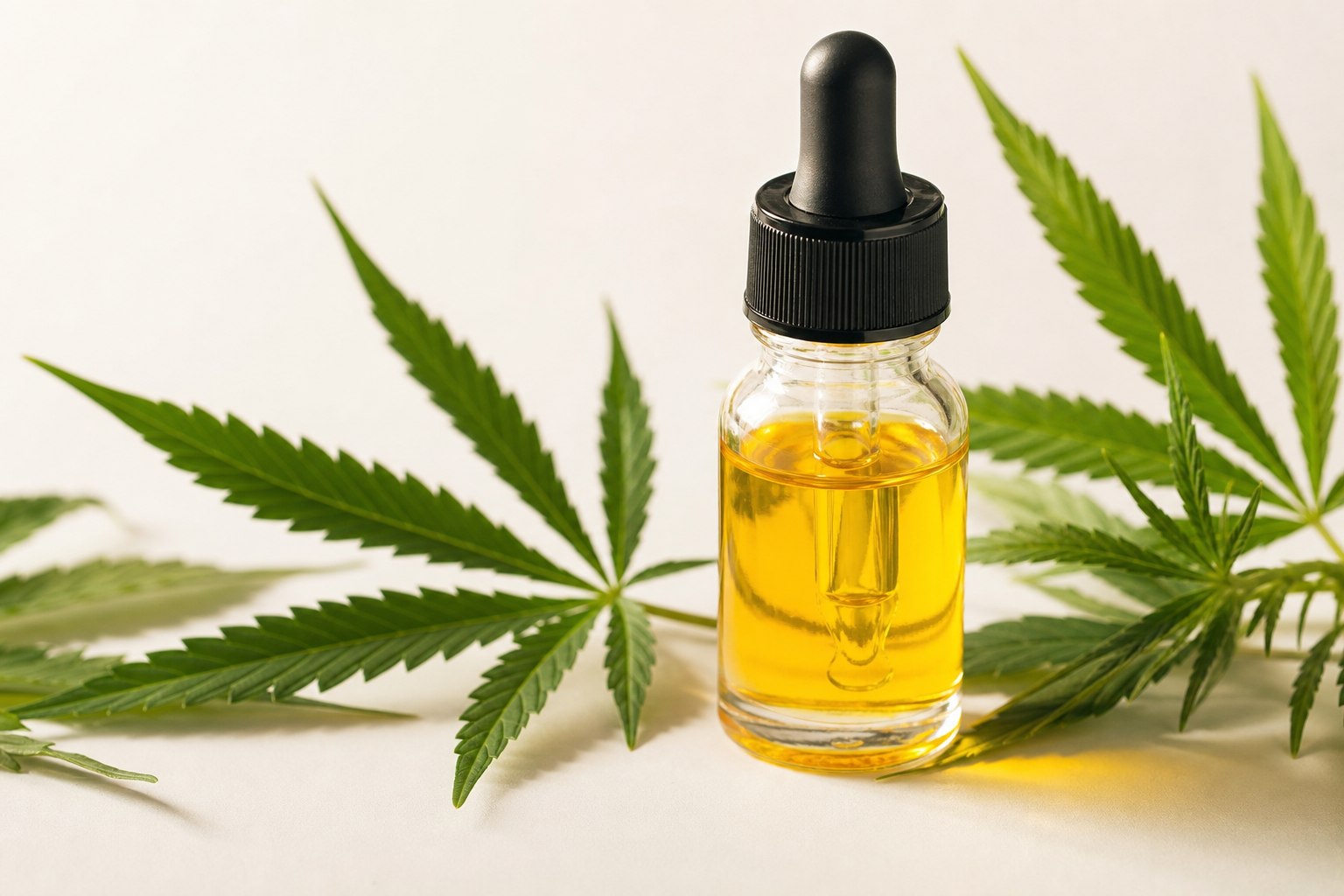
Ways to Use CBD Oil for Joint Pain: Topical, Oral, or Both?
The most common question I get: "Should I take CBD oil by mouth, or rub it right into my joints?" Here’s how I break it down:
- Topical CBD: Ideal for localized pain—think knees, fingers, shoulders. Creams and balms get to work within 30-45 minutes. The Arthritis Foundation actually recommends topical CBD as a starting point for arthritis pain, since it minimizes systemic side effects.
- Oral CBD Oil (Sublingual): Good for more widespread joint discomfort or if you struggle with sleep and anxiety (which, let’s be honest, almost everyone with chronic pain does). Absorption takes longer—usually 30-60 minutes—but effects last longer.
- Combining Both: Some of my patients swear by a topical for targeted pain, plus a low-dose oral tincture at night for overall calm and sleep.
Typical doses? Most studies use 20-50mg of CBD per day—sometimes split into two or three doses. For topicals, look for concentrations around 250-500mg CBD per 1-2 ounce jar. I always tell people: start low, go slow, and pay close attention to how you feel.
And a quick caveat—especially if you’re taking other meds, or have liver issues: Talk to your doctor before starting any CBD regimen. CBD can interact with certain blood thinners, anti-seizure meds, and even some antidepressants.
What to Look For in a CBD Oil Product (And What to Avoid)
This is where things get tricky. The CBD market is still a bit of the Wild West. A 2022 JAMA study found that over 50% of CBD products sold online were mislabeled—some had little or no actual CBD, while others contained illegal amounts of THC. Not ideal if you’re job hunting, or just want to avoid surprises.
So what should you look for?
- Third-Party Testing: Any reputable brand will provide a Certificate of Analysis (COA) from an independent lab. This verifies actual CBD content and checks for pesticides and heavy metals.
- Full-Spectrum vs. Isolate: Full-spectrum CBD contains a range of cannabinoids (including trace THC), which some studies suggest provides an "entourage effect." Broad-spectrum is similar, minus the THC. Pure CBD isolate is just CBD. My take? If you’re super sensitive or subject to drug testing, go with isolate or broad-spectrum.
- Origin and Purity: Choose U.S.-grown hemp, preferably organic. Cheaper, overseas products are more likely to be contaminated.
- Delivery Form: Tinctures and creams tend to be the most reliable. Gummies and capsules are fun, but absorption can be hit or miss.
One brand I’ve seen patients have consistent luck with is CBDistillery Full-Spectrum CBD Oil. It’s not the cheapest, but their transparency and batch testing are top-notch. For topicals, Charlotte’s Web CBD Cream is a favorite among my more sensitive patients. But don’t just take my word for it—compare COAs, check for customer reviews, and test how you respond.
Can You Combine CBD Oil with Other Joint Pain Strategies?
Absolutely, and this is where the magic happens. I’m a big fan of stacking therapies—meaning, using several mild strategies together instead of relying too heavily on a single magic bullet.
- Compression Support: A product like the Modvel Compression Knee Brace can offer additional stability during movement, especially if you’re prone to swelling or “giving out.” I’ve seen patients apply CBD cream, then use a brace over it for all-day support.
- Heating Pads: Heat increases blood flow and can work synergistically with topical CBD. The Pure Enrichment PureRelief XL Heating Pad is extra-large and great for low back or hip pain (plus, the moist heat really penetrates—game-changer for deep-joint discomfort).
- Movement and Strengthening: CBD might help you move with less pain, but nothing beats gentle stretching, low-impact exercise, and resistance work. (If you’re new to this, I always recommend checking with a physical therapist or getting safe routines from a book like Treat Your Own Knees.)
And don’t forget nutrition. There’s solid data that an anti-inflammatory diet—think omega-3-rich fish, turmeric, leafy greens—supports joint health at the cellular level. CBD oil isn’t a replacement for these basics, but it can absolutely be part of a bigger toolkit.
Side Effects, Legal Issues, and Honest Limitations
Here’s what most blogs won’t tell you: CBD isn’t a panacea, and it’s not risk-free. The most common side effects are mild—think dry mouth, occasional drowsiness, changes in appetite. Rarely, I’ll see a patient react with slight GI upset or dizziness from a high dose, especially if taking other sedating meds. But severe issues? In my experience, extremely rare—especially if you stick with third-party tested, hemp-derived, low-THC products.
Legally, hemp-based CBD oil is available in all 50 states, but product regulations are still evolving. Some workplaces still prohibit its use due to trace THC, so always check your company’s policy. And if you’re pregnant, breastfeeding, or on complex medication regimens, consult your doctor first.

Real-World Stories: When CBD Oil Is a Game-Changer (and When It’s Not)
I get emails every week from readers who want the unvarnished truth. Here’s a quick sampling:
- Tom, 68: “CBD cream on my hands made gardening possible again. Doesn’t take all the pain away, but enough to keep me digging.”
- Angela, 54: “Oral CBD oil plus heat pad for my hip pain? Slept through the night for the first time in months. Not gonna lie, kind of a miracle.”
- Mark, 47: “Didn’t notice much with low-dose gummies. Switched to a higher-potency tincture—finally some relief, especially with swelling after hiking.”
But others don’t see much benefit, particularly with the lowest-priced products you’ll find at the checkout counter. If you’re not feeling results after 2-4 weeks (and you’ve checked dosing and quality), it may not be your silver bullet—and that’s okay. Every body is different.
What’s Next for CBD and Joint Inflammation?
The future looks promising. The NIH is currently funding several larger trials on CBD and osteoarthritis, and pharmaceutical-grade CBD derivatives (like Epidiolex) have already been approved for epilepsy—showing regulators are paying attention. My hope? In five or ten years, we’ll see standardized, prescription-grade CBD blends for arthritis and chronic inflammatory disorders. Until then, it’s all about smart, safe experimentation—and honest conversations with your healthcare team.
The Takeaway: Is CBD Oil Worth Trying for Joint Pain?
If you’re struggling with joint pain and inflammation—and you’re frustrated with the usual menu of NSAIDs, creams, and heating pads—CBD oil is worth a look. Start with a reputable, third-party tested brand (I can’t stress this enough), dial in your dose, and layer it with other good habits: movement, nutrition, and supportive devices.
Will it work for everyone? No. But for many, it’s a safe, gentle way to take the edge off pain and get a little bit of your old life back. And that, frankly, is a big deal.
Let me know what your experience has been—email me your questions, success stories, or even your skepticism. I’ll keep reading the research, and together, we’ll figure out what works.
Be well,
Dr. Michael Torres, DC
Licensed Chiropractor & Nutrition Counselor | Contributor, JointReliefReviews.com