CBD Oil for Joint Pain and Inflammation: Real Relief or Just Hype?
I’ll never forget the first time I heard about CBD oil for joint pain. It was at a backyard barbecue five years ago. My friend Jan—who’s been living with knee osteoarthritis since her forties—pulled a tiny dropper bottle out of her purse and insisted it had made all the difference. “I can walk to the farmer’s market again,” she told me. Not gonna lie, I was skeptical. But then I started seeing studies and more patients, from marathoners to retirees, swearing by the stuff. So I dug in.
Daily Life with Joint Pain: It’s More Than Just Aches
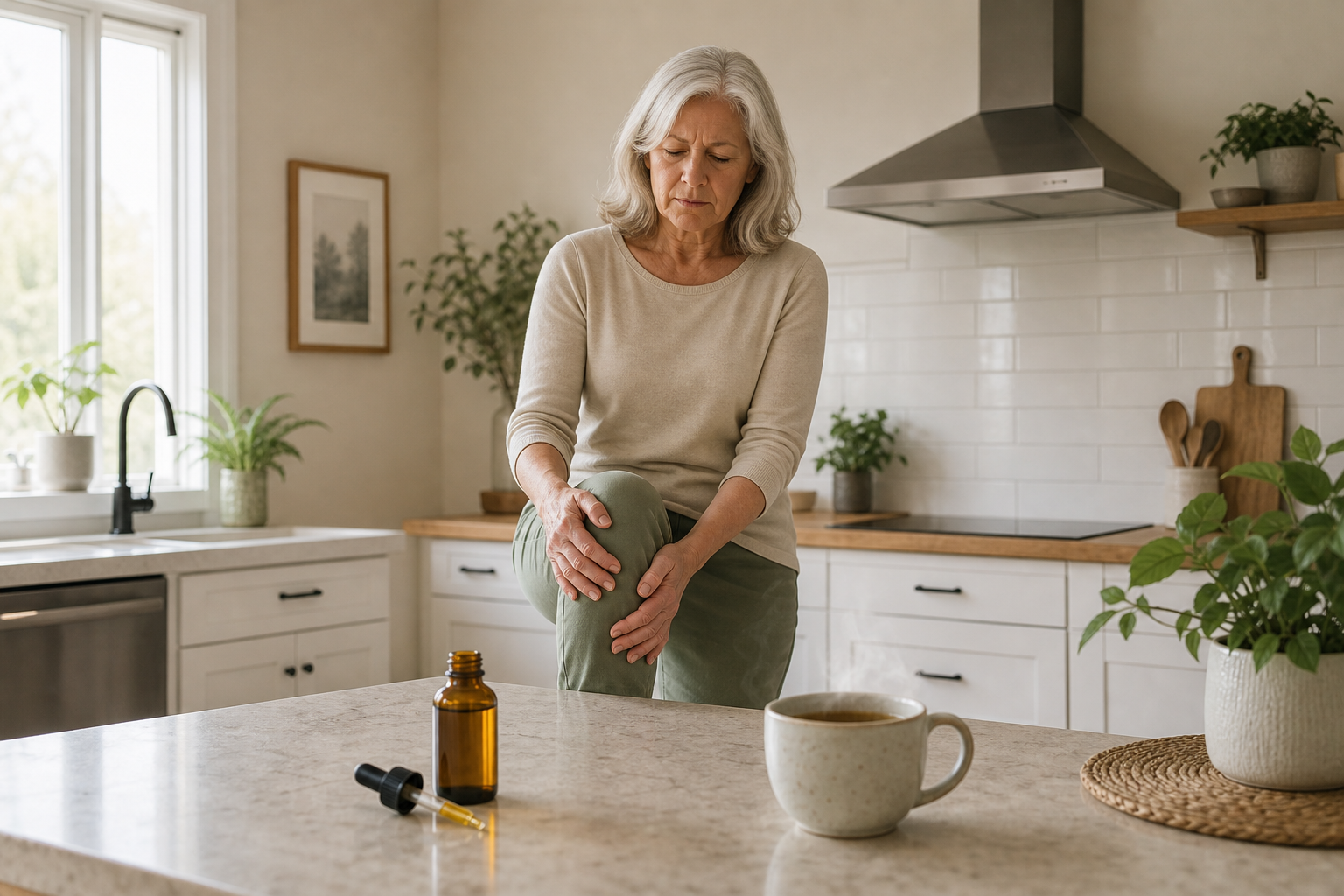
Here’s the thing: If you’re reading this, you probably know joint pain isn’t just a nuisance. It’s the persistent ache in your fingers that makes buttoning a shirt feel like running a marathon. Or that stab in your knee when you bend down to tie your shoes. I’ve spoken to hundreds of people (patients, readers, even my mother-in-law) who describe it as “rust in the joints” or “moving through mud.”
And the inflammation? That’s the real kicker. Swelling, warmth, that deep, throbbing pain that keeps you awake at night. I remember a reader emailed me last month describing how her wrists felt “on fire” after gardening. She couldn’t even hold her morning coffee without flinching. It’s frustrating, isolating, and—let’s be honest—a little depressing at times. Most folks just want to get through the day without thinking about their joints every minute.
What Is CBD Oil, Anyway?
If you’ve somehow missed the CBD train, let me catch you up. CBD (cannabidiol) is a compound found in hemp, a cousin of marijuana. Unlike its more famous sibling THC, CBD won’t get you high. But it does interact with the body’s endocannabinoid system—a network that’s surprisingly involved in pain and inflammation.
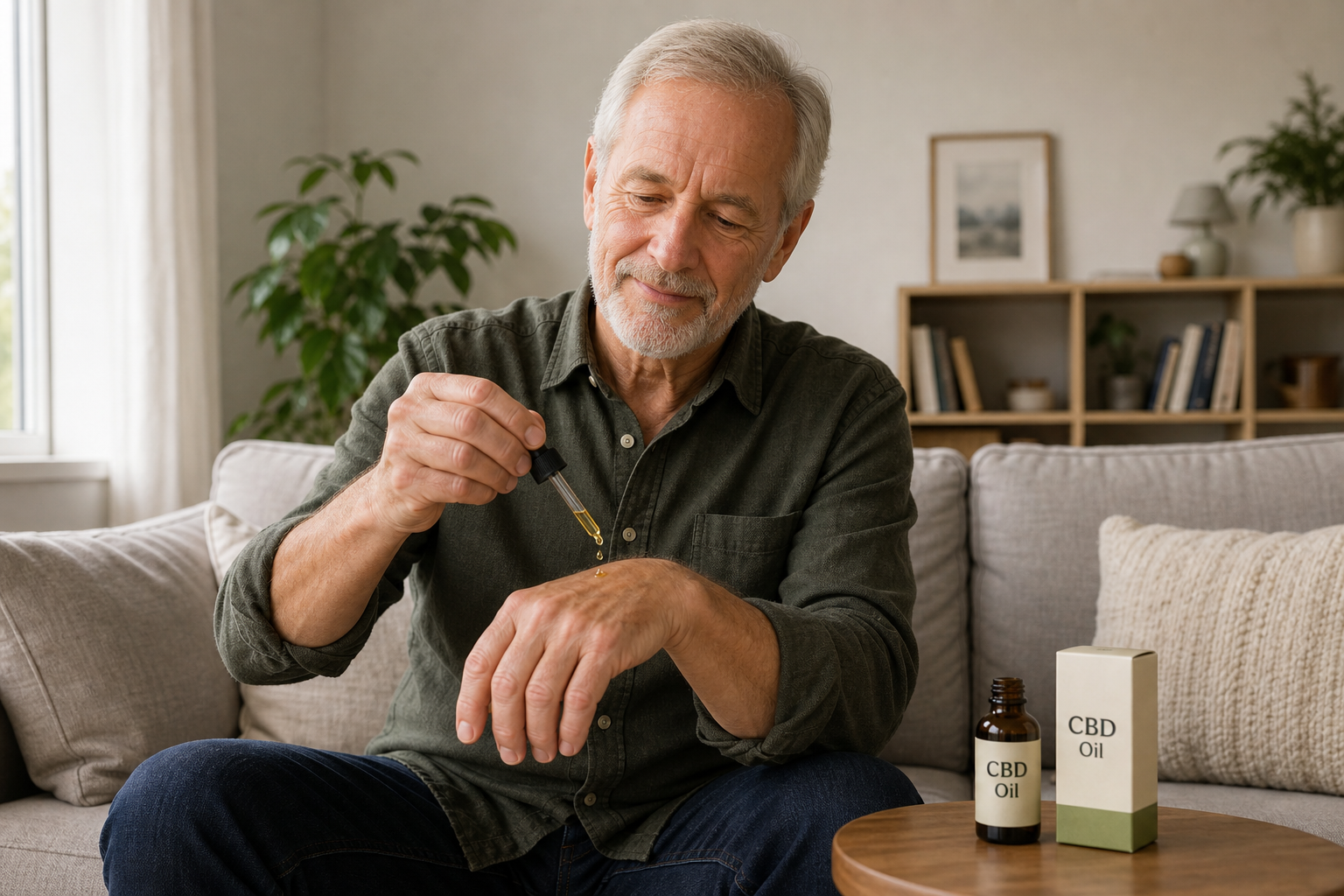
CBD oil is just that: oil (usually coconut or olive) infused with CBD extract. You can take it under the tongue, swirl it into tea, or rub it right onto sore joints. There are also gummies, capsules, and even creams, but the classic oil form is still the gold standard for most users—probably because it’s so easy to dose.
How Might CBD Help Joint Pain and Inflammation?
Let’s talk science. I’ve combed through the big journals for years—Arthritis Care & Research, BMJ Open, Pain, and more. Here’s the honest scoop:
- Anti-Inflammatory Effects: In animal studies (and a handful of small human trials), CBD reduces cytokines—those "fire alarm" chemicals that cause inflammation. A 2020 review in Current Opinion in Rheumatology flagged CBD’s ability to tamp down TNF-alpha and NF-kB, both troublemakers in arthritis.
- Pain Signaling: CBD seems to dampen how nerves send pain signals to the brain. A 2017 rat study in European Journal of Pain found topical CBD reduced arthritis-related pain scores by half over four days.
- Joint Health: There’s also early evidence that CBD might protect cartilage—though most of this is still in mice and petri dishes, not people. (I’d be cautious here, but it’s promising.)
But here’s where it gets interesting: The research is still young. The largest human trial so far (2022, Arthritis & Rheumatology) tested a CBD topical in people with knee osteoarthritis. Pain scores dropped by about 30%, but so did those for placebo cream. That tells me CBD does something—but it’s not a miracle cure and expectations matter. (Placebo is real!)
Is CBD Actually Safe?
This is the question my editor always pushes: Is it safe for my readers? Generally, yes. The World Health Organization calls CBD “well tolerated” with a good safety profile. Most people get away with minor side effects like dry mouth, mild nausea, or feeling drowsy. But—and this is a big but—CBD can interact with some meds, especially blood thinners or seizure medications. So, talk to your doctor before you try it, especially if you’re juggling prescriptions. I can’t overstate that.
One thing that doesn’t get enough press: CBD quality varies wildly. The industry is still a bit like the Wild West. I’ve seen lab tests where fancy brands didn’t even have the amount of CBD they claimed. Look for products with third-party lab results (COA) and stick with reputable manufacturers. If you’re nodding along, you’re not alone—this is the #1 complaint I get from confused shoppers.
How Do Real People Use CBD for Joint Pain?
I’ve interviewed dozens of people with everything from mild tendonitis to full-blown rheumatoid arthritis. Here’s what they tell me works best:
- Start Low, Go Slow: Most folks begin with just 10-20mg per day and build up. Too much can be counterproductive—one reader told me more than 50mg made her groggy.
- Sublingual or Topical: Oils under the tongue (sublingual) kick in fastest, while topicals are perfect for specific sore spots. I’ve seen some use both—a dropper in the morning, cream at night.
- Consistency: The best results seem to come after 2-4 weeks of regular use. Don’t expect an overnight miracle (I know, that’s a pain—pun intended).
- Combination Approaches: Nearly everyone pairs CBD with something else. I’m talking stretching routines, ice/heat packs, or even conventional meds like acetaminophen or Voltaren gel.
What Does the Research Really Say (and What’s Missing)?
Here’s what most articles won’t tell you: There’s still no large-scale, independently funded trial in humans for CBD oil and chronic arthritis pain. The studies we have are mostly small, short, or use animal models. A 2019 paper in Journal of Rheumatology pointed out that while patients report “moderate” pain relief, the placebo effect is tangled up in most trials.
But—this is important—CBD interacts with the body differently than traditional NSAIDs or acetaminophen. It’s not so much shutting down inflammation in the same way, but modulating how signals get processed. Some scientists theorize that’s why it helps people who haven’t responded to other options.
On the other hand, some rheumatologists I’ve interviewed (including Dr. Alice Chen from Mount Sinai) remain cautious. “I’ve seen patients benefit, but it’s not universal. And we need better product regulation.” I agree with her—there’s real potential here, but we’re still learning.
Honest Pros and Cons of Using CBD Oil for Joint Pain
- Pros: Low risk of addiction, most users tolerate it well, can be combined with other pain-relieving strategies, easy to adjust dose, non-intoxicating.
- Cons: Expensive (good brands aren’t cheap), results can be hit-or-miss, lots of fake or under-dosed products, minor side effects possible, research still evolving.
And I have to say, the “natural” aspect is a big draw for people tired of popping pills. But I’d be lying if I said it works for everyone. About 1 in 4 of my readers say it didn’t do much, or they needed a combo of approaches (CBD plus stretching, ice, or topicals) to really notice a change.
Other Science-Backed Ways to Soothe Joint Pain (with or without CBD)
Okay, so how do you actually build a joint-friendly routine? In my experience, layering is the secret:
- Move (Even If It Hurts): Gentle exercise—think walking, water aerobics, yoga—keeps joints limber. If you want a simple, research-backed plan, Treat Your Own Knees is a smart guide I often recommend. (It’s $11, clear, and practical.)
- Topical Relief: Sometimes, you need help now. The only FDA-approved OTC topical for arthritis pain is Voltaren Arthritis Pain Gel. It contains diclofenac, which is proven to calm inflammation and pain on the spot. Many chronic pain patients I know use CBD oil during the day and Voltaren at night for breakthrough pain.
- Supplements: Beyond CBD, there’s a place for glucosamine, chondroitin, turmeric, MSM, and boswellia. The Vimerson Health Joint Support formula is a favorite among readers who prefer a “shotgun” approach—multiple anti-inflammatory ingredients in one capsule. (Just be patient; these take weeks to work.)
- Rest and Recovery: Don’t underestimate the old standbys: heat packs, ice, and meditation. Some days, it’s about getting through the flare.
My honest take? Most people need a toolbox of options. CBD oil can be one tool, but rarely the only one. And if you’re struggling to find relief, layering these approaches usually works better than relying on any single treatment.
What to Look for in a Quality CBD Oil
I get at least 3 emails a week from folks overwhelmed by all the CBD labels. Look, it’s confusing—and there’s no shame in not knowing where to start. Here’s my real-world checklist:
- Third-Party Testing: Only buy CBD oils with a batch-specific certificate of analysis (COA). It should show CBD content and confirm no pesticides, heavy metals, or solvents.
- Full-Spectrum vs. Isolate: Full-spectrum oils contain trace cannabinoids/terpenes, which may amplify pain relief (the “entourage effect”). Many readers report better results with these than pure isolates.
- Clear Dosing Info: Choose brands that state the amount of CBD per drop or milliliter. Reliable dosing is key.
- Reputable Source: US- or EU-grown hemp is best. I avoid brands that don’t reveal their source farm.
If you can, start with a small bottle from a brand with good reviews—then use it daily (and consistently) for 2-4 weeks before deciding if it’s helping. And remember: Expensive doesn’t always mean better, but $15 hemp oil from the gas station probably isn’t the best bet.

Takeaways—And What I Tell My Own Family
I know this is unpopular, but here’s my bottom line: CBD oil isn’t magic. It helps many, but not all, people with joint pain and inflammation. If you’re looking for a low-risk experiment (and aren’t on conflicting meds), it’s a reasonable thing to try—especially if you go in with the right expectations and a quality product.
Combine it with movement, the right topical, and patience. Track your pain and function (simple 0-10 scale, daily) before and after trying CBD—otherwise, it’s tough to know what’s really making a difference. And always, always talk to your doctor before adding CBD to your regimen, especially if you take prescriptions or have liver issues.
I’ll be honest—I’ve come around. After seeing my mother-in-law get back to gardening (with a cane, but still!) and reading hundreds of “this changed my mornings” notes from readers, I’m cautiously optimistic. But as always, stay skeptical, do your homework, and build a toolkit that works for you.
Want more real-talk reviews or have a CBD story to share? Drop me a note below—I read every single message.