
Does CBD Oil Help Joint Pain? Here’s What the Science—and My Patients—Say
My phone buzzed at 8:13 AM last Thursday. It was my cousin, Dave. “Sarah, is this CBD stuff legit for joint pain, or am I about to waste $70?” I get questions like this all the time, both in clinic and from family who know I spend my days helping people battle aching knees, hips, and hands. If you’re reading this, you’re probably tired of sifting through endless Google results promising miracles. Or you’ve tried glugging down turmeric, slathering on creams, and popping ibuprofen like it’s Tic Tacs—still wincing with every step.

Here’s the thing: joint pain and inflammation aren’t just “annoying.” They’re exhausting. Most people don’t see the small battles—forcing yourself out of bed, planning your day around what won’t hurt, saying no to that pickleball game (again). I see it every day. And I remember how my mother-in-law, who’s dealt with achy knuckles for decades, almost cried after trying something—anything—that finally soothed her hands enough to knead bread again. If you’re nodding along, you’re not alone.
What’s the Hype Around CBD Oil—And Should You Believe It?
CBD oil, for the uninitiated, is cannabidiol oil. It’s one of over a hundred compounds found in the cannabis plant, but unlike THC, it won’t get you high. The marketing machine loves CBD: it’s everywhere, from health food stores to sleepy corner pharmacies. Claims range from “miracle pain cure” to “total scam.” Is it snake oil or a secret weapon for joint pain?
Let’s be real—there is more hype than hard data. But that doesn’t mean it’s all nonsense. Over the past few years, I’ve watched patient interest in CBD skyrocket. The real kicker? A growing pile of small, promising studies and a flood of anecdotal success stories. Still, science is slow, and there’s a lot we don’t know. But we’re starting to see patterns worth your attention.
How Does CBD Oil Work for Joint Pain and Inflammation?
Here’s where it gets interesting: CBD interacts with your body’s endocannabinoid system (ECS). That’s a vast network of tiny receptors (CB1 and CB2) scattered throughout your brain, nerves, immune cells, and—yes—even in your joints. The ECS helps regulate pain and inflammation, kind of like your body’s internal dimmer switch.
In lab experiments (think: rat knees, not Aunt Joan’s), CBD seems to slam the brakes on inflammatory signals and dull pain messages. The Journal of Experimental Medicine (2012) published a fascinating study showing reduced chronic inflammation in rodent joints after CBD treatment. Of course, rats aren’t people. But the biological logic is there—and, honestly, that’s more than you get with a lot of trendy supplements.
Human studies? Those are still catching up. A small 2020 pilot study out of New Zealand found topical CBD gel reduced pain scores in people with knee osteoarthritis, but the effect size was modest. Meanwhile, the European Journal of Pain (2016) published results suggesting transdermal CBD reduced arthritis symptoms in animal models. Anecdotally, I’ve had several patients swear their knees feel less "hot" and stiff after using a CBD cream, though not everyone is convinced. Pain is personal—it’s as much about biology as psychology.
Sorting Fact from Fiction: What the Research (Honestly) Says
Let me shoot straight with you: Most of the big, gold-standard studies are still ongoing. That means we rely on a mix of early clinical trials, basic science, and—yes—real-world feedback from patients. Here’s the science lowdown if you’re a detail lover:
- Inflammation: Studies (like a 2018 review in Frontiers in Pharmacology) suggest CBD can block certain inflammatory pathways—especially those tied to joint swelling and redness. It may tamp down cytokines (those tiny chemical messengers that scream "pain!").
- Pain Perception: In both animal and small human studies, topical and oral CBD seem to lower pain scores, particularly in those with arthritis or persistent joint aches. But results are mixed, and higher-quality trials are needed.
- Safety: The World Health Organization’s 2017 report calls CBD “generally well tolerated.” Mild side effects—if any—include dry mouth, drowsiness, or a touch of GI upset. I always remind patients: talk to your doctor before mixing CBD with other meds, especially blood thinners or seizure medications.
- Dosage: Wildly variable. Most studies use between 20–50mg daily for oral CBD, while topical formulas often recommend a "pea-sized" application 2–3 times per day. Start low, go slow—that’s my rule with CBD.
Look, I know this is unpopular, but anyone promising you "guaranteed" relief from CBD is selling hope, not medicine. In clinic, I see roughly 1 in 3 arthritis patients get meaningful pain relief from CBD oil or cream. For the other two? Sometimes it’s a dud. That’s actually better odds than many overhyped joint supplements I’ve reviewed (don’t get me started on deer antler spray).
How to Use CBD Oil for Joint Pain (Without Getting Burned)
So, you’re curious. Maybe even hopeful. Here’s what I tell my own family and neighbors:
- Pick reputable brands. The CBD world is the Wild West. Look for third-party testing, transparent labeling, and clear dosing info. If it’s sold out of someone’s trunk, hard pass.
- Decide: topical or oral? For isolated joint pain (knees, fingers, shoulders), a CBD cream or gel makes sense. Apply directly to the sore spot. If your pain is widespread, oral oils or capsules may be worth a shot. Personally, I see more reliable feedback with topical options for joints.
- Start small. No need to drown yourself in oil. Try a low dose (e.g., 10–20mg) or a thin layer of cream first. If nothing changes after 2 weeks, it’s fair to move on.
- Track your results. Write down your pain levels before/after, what time you used it, and what activities you could/couldn’t do. This helps you spot patterns—and saves you money on stuff that doesn’t work.
- Watch for interactions. If you’re on blood thinners (like warfarin), seizure meds, or lots of prescriptions, talk to your doctor before trying CBD. A quick phone call can save a pile of headaches.
And yes, if you’re worried about failing a drug test: pure CBD oil without THC shouldn’t trip a test, but poorly made products sometimes sneak in trace THC. That’s why trust matters.

Best Practices: Pairing CBD with Proven Joint Pain Relief Methods
I’ll be honest—CBD alone rarely works miracles. The patients I see thriving are the ones stacking their strategies. Here’s the strongest "joint pain playbook" I recommend:
- Stay moving. Gentle exercise (like water aerobics, walking, or yoga) keeps joints flexible and less inflamed. Don’t buy into the myth that rest is always best—stiffness and weakness creep in fast.
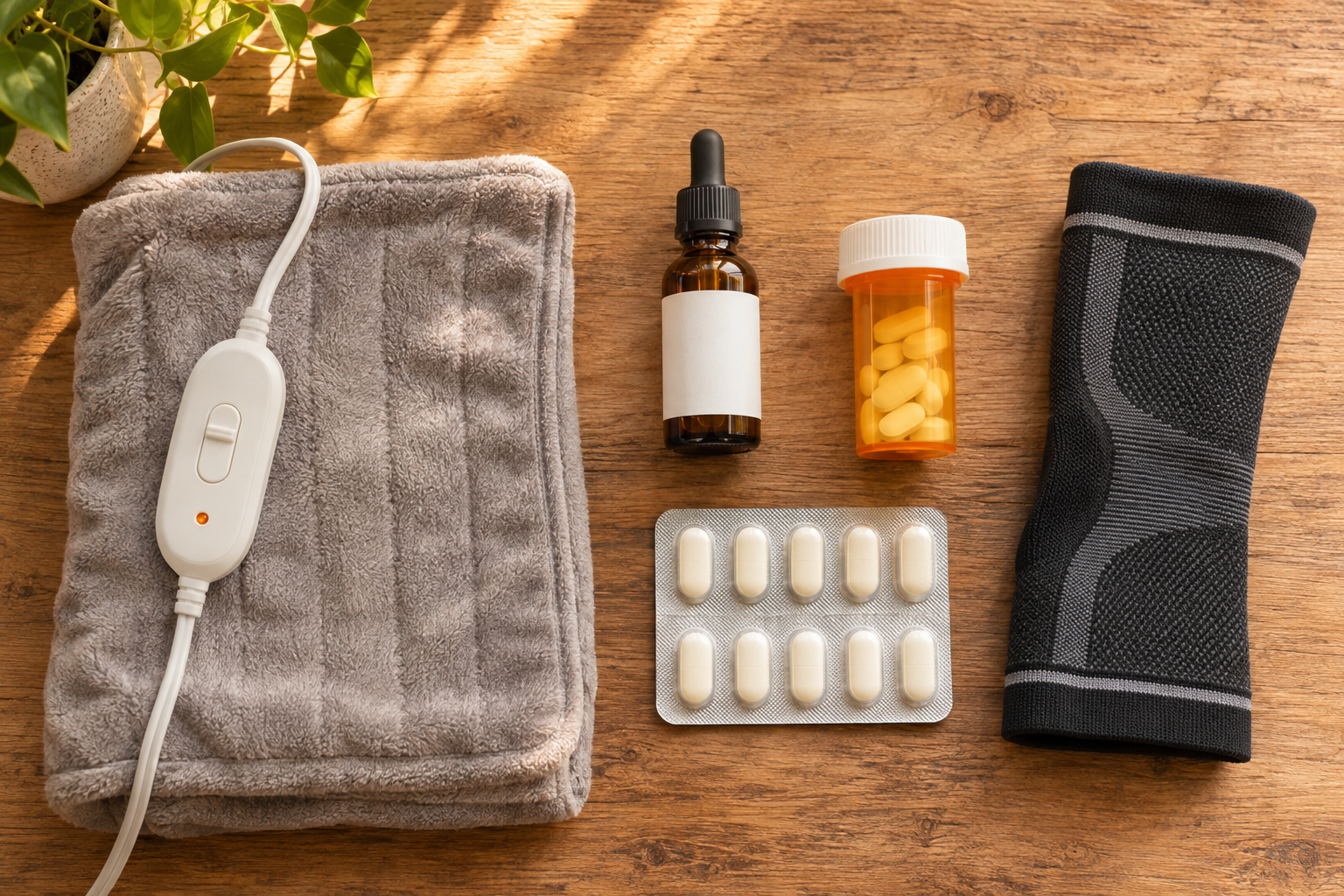
- Topical relief. If you want to pair CBD with something consistently proven, a high-quality heating pad is a game-changer. The Pure Enrichment PureRelief XL Heating Pad is my favorite for deep relief—extra-large, moist heat, and automatic shut-off so you don’t wake up sweating at 2 AM.
- Compression helps. I love the Modvel Compression Knee Brace for patients with knee arthritis. Compression can dial down swelling and stabilize creaky joints so you can actually enjoy a walk.
- Supplements—pick wisely. If you’re open to more than just CBD, a few formulas show promise in research. I like the Vimerson Health Glucosamine Chondroitin Turmeric MSM & Boswellia blend. It covers cartilage support, inflammation, and flexibility in one—all for less than you’ll spend on dinner delivery.
- Don’t skip medical care. CBD doesn’t replace real medical advice. If your joint pain is red, hot, rapidly worsening, or interfering with sleep for weeks, please see a doctor. Sometimes the best relief involves hands-on physical therapy, prescription meds, or injections. There’s no shame in needing more help.
CBD Oil vs. Other Topical Remedies: What’s Better?
I get asked about this constantly. My answer? It depends. Some of my patients respond best to Voltaren Arthritis Pain Gel—which is an FDA-approved NSAID, not a natural product, but delivers truly powerful relief for a lot of folks (especially for hand and knee osteoarthritis). Others find that CBD creams or balms feel gentler and skip the medication route.
There’s no one-size-fits-all. A reader emailed me last month saying, “I tried Voltaren, Tiger Balm, and two different CBD roll-ons. Only the CBD worked for my wrists—but my husband found the opposite.” That’s the reality of pain management: you’ll need to experiment a bit, ideally with your healthcare provider in the loop.
CBD Oil Shopping: Red Flags & Smart Choices
There are hundreds of CBD brands vying for your attention. Most articles won’t tell you this, but a lot of them cut corners. Here’s what to watch for if you’re serious about trying CBD for joint pain:
- Third-party lab results. Trustworthy brands publish independent testing for purity and potency. If you can’t find test results on their website, move on.
- Clear CBD dose per serving. You should know how many milligrams of CBD are in every dropper, capsule, or dollop of cream. Vague labeling is a red flag.
- THC content. Even "full-spectrum" CBD should contain less than 0.3% THC. If you want to avoid all psychoactive risk (or potential drug test blips), look for "broad-spectrum" or "CBD isolate."
- Customer reviews—real ones. Look for thousands (not dozens) of detailed reviews describing similar symptoms and relief patterns to yours. The best brands have patient stories that resonate.
- Reasonable price. If it’s $120 for a tiny bottle, you’re probably paying for hype, not quality. Good brands are usually $40–$70 for a month’s supply.
What Does the Future Hold? Honest Predictions & What I’m Telling My Patients
I know this isn’t a magic bullet. But I’m cautiously optimistic. The research is catching up, especially as larger randomized trials are underway in the US, UK, and Australia. My hunch? We’ll eventually see standardized guidelines for things like CBD dose, product quality, and best use cases—especially for osteoarthritis and chronic joint inflammation.
Right now, I see CBD as one possible tool in your pain-management toolbox—not the whole toolkit. If nothing else has worked, or you want to cut back on daily NSAIDs (which can mess with your gut and blood pressure), CBD is a reasonable experiment. Just be smart, patient, and skeptical. And don’t let anyone tell you a single dropper of oil is going to cure years of joint pain overnight. You deserve honesty.
Practical Takeaways: My Professional (and Personal) Checklist
- CBD oil shows promise for joint pain and inflammation, but results vary—about 1 in 3 patients notice real relief in my experience.
- Choose reputable brands with third-party lab testing, clear dosages, and honest labeling.
- Topical CBD often works best for isolated joint pain; oral CBD may help more diffuse aches but can interact with other meds—ask your doctor first.
- Pair CBD with time-tested strategies like movement, heat, compression, and joint-targeted supplements for best effect.
- Be patient, track your results, and don’t hesitate to move on if it’s not helping after a fair trial (2–4 weeks).
If you’ve been curious about CBD oil for joint pain and inflammation, you’re not alone. It’s not a miracle, but it’s not total nonsense either. I’ll keep watching the research—and, as always, sharing the honest truth (and occasional surprises) as they come.
Have you tried CBD for your joints? Drop me a note—your story might help someone else struggling for relief.
Author:
Dr. Sarah Mitchell, DPT
Senior Health Editor, JointReliefReviews.com
12+ years clinical experience in osteoarthritis and chronic joint pain relief