
CBD Oil for Joint Pain and Inflammation: A Nurse’s Take
I’ll never forget when my neighbor, Ruth, hobbled over to my porch—two canes, swollen knees, and a look of pure frustration. “Linda, have you heard about this CBD oil everyone’s using for joint pain?” she blurted, waving a tiny amber bottle as if it were a miracle cure. She’s not alone. In the past year, I’ve lost count of patients, friends, and even my own sister-in-law asking the same thing. Are these drops for real, or just another health fad eating up wallets?

The Daily Grind: Why Joint Pain and Inflammation Feels Endless
Look, if you’re reading this, there’s a good chance you know that nagging, throbbing, or even fiery ache in your joints all too well. Getting up from a chair feels like a project. Going for a walk? Sometimes you skip it, not because you’re lazy—but because those knees, hips, or wrists simply won’t cooperate.
And the inflammation? Oh, it’s sneaky. One day you’re fine, the next your fingers are stiff and swollen, or your ankle is twice its normal size. I’ve seen it up close—patients icing, elevating, slathering on gels, popping NSAIDs like candy (not recommended long-term, by the way). It wears you down, physically and emotionally. It’s not just a pain problem. It’s a quality of life problem.
What’s the Deal with CBD Oil?
Here’s the thing: CBD (short for cannabidiol) comes from the cannabis plant, but it won’t get you high. That’s THC’s job. CBD interacts with your body’s endocannabinoid system—a network that helps manage pain, inflammation, mood, and even sleep. The science is still young, but there’s a flood of new studies trying to figure out if CBD can put out the joint fire without the side effects of heavy-duty meds.
I’ll be honest—when CBD first hit my radar, I was skeptical. Too many “miracle” cures in my time. But then came the emails. Dozens of readers, a handful of former patients, even two retired surgeons telling me, “Listen, I was doubtful, but it helped.” I had to dig deeper.
The Actual Science on CBD Oil for Joint Pain and Inflammation
Most articles hit you with fluffy claims, but I’m about the evidence. So what do we know?
- Animal studies look promising: The European Journal of Pain (2016) published a study showing topical CBD significantly reduced arthritis-related pain and inflammation in rats. Not humans yet, but it got my attention.
- Small human studies suggest benefit: A 2020 review in Current Opinion in Rheumatology looked at CBD for rheumatoid arthritis and osteoarthritis. Researchers found there’s “potential for anti-inflammatory and analgesic effects”—but the verdict? “More studies needed.” Story of every supplement ever.
- Real-world feedback: This is where things get interesting. About 62% of folks using CBD for arthritis said it helped their pain, according to a 2019 survey by the Arthritis Foundation. Is that placebo? Maybe. But with joint pain, even a little relief matters.
The science isn’t a slam dunk. But if you’re sick of side effects from NSAIDs or worried about long-term medication risks (hello, stomach ulcers and blood pressure spikes), I get why you’re curious.
How Does CBD Actually Work for Joints?
Okay, quick science lesson—stick with me. Your endocannabinoid system is like your body’s “balancer.” It manages pain signals, inflammation responses, even how you react to stress. CBD doesn’t switch things off like a light. Instead, it nudges this system to chill out overactive pain and inflammation pathways.
It may also lower levels of certain pro-inflammatory cytokines (tiny proteins screaming “attack!” in your joints when you have arthritis). Some lab studies show CBD slows cartilage breakdown—a big deal if you’re battling osteoarthritis. But, and this is key, most of the dramatic stuff is in test tubes or animals, not people.
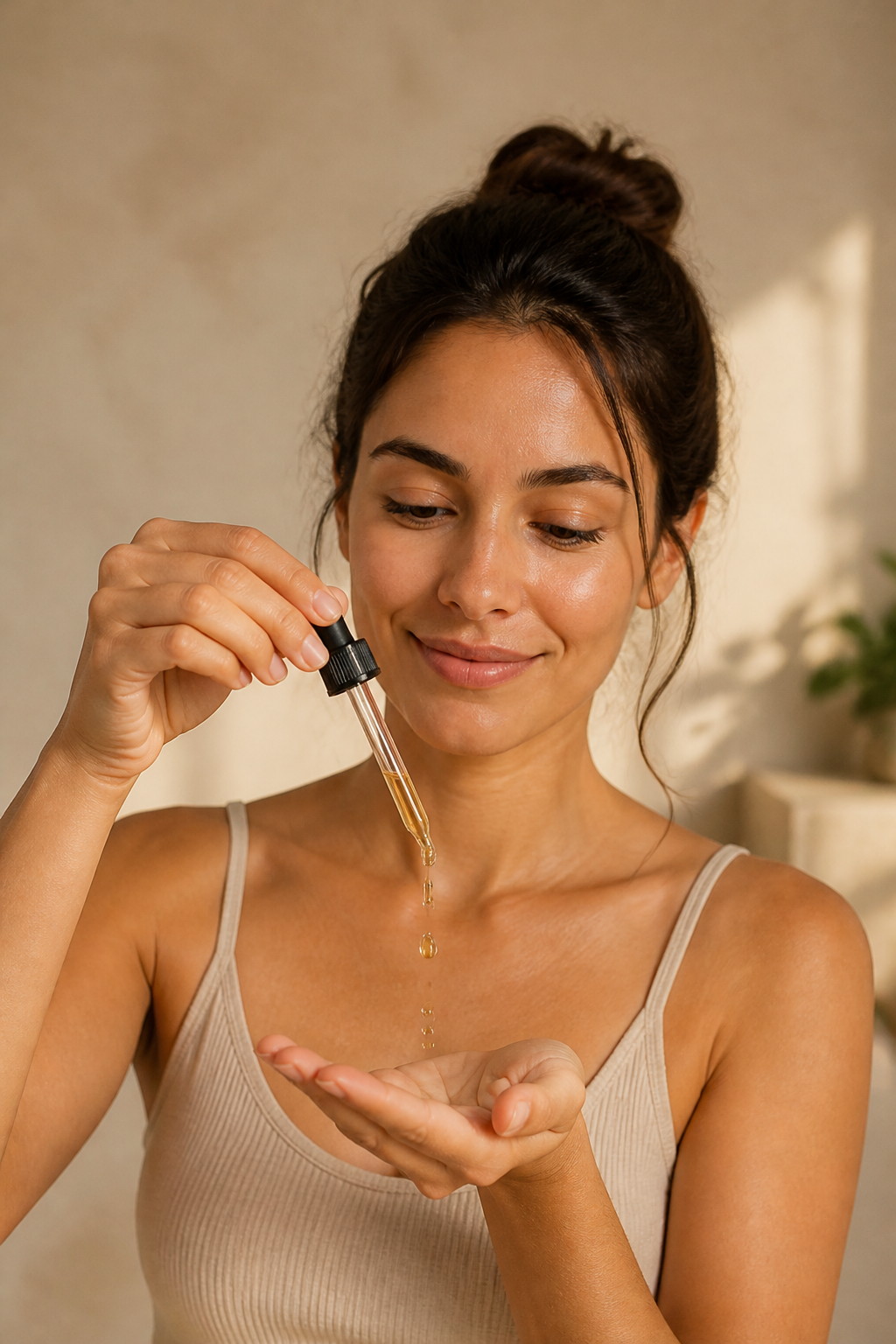
There’s also the question of how you use it. Topical CBD (gels or creams) aims for direct relief at the site. Oils or tinctures (the kind you take under the tongue) work systemically—potentially tamping down inflammation throughout the body. Some folks swear by one, others the other. I’ve even seen people combine them.
How to Actually Use CBD Oil for Joint Pain
If you’re nodding along, you’re not alone. But before you leap, a few hard truths from my nurse’s notebook:
- Dosing is still the wild west. Most studies on humans use between 25mg and 100mg of CBD per day, sometimes more for severe pain. But products on shelves range from 5mg per serving to 100mg or more. Start low (say, 10-20mg), see how you feel, and work up slowly.
- Delivery matters. Oils and tinctures under the tongue absorb faster and may act quicker. Topical creams target localized pain (knees, hands, etc.), but don’t expect full-body relief. If your pain is everywhere, go oral.
- Be patient. Some people feel a difference in days. For others, it takes weeks. I know—nobody loves that answer. But the chronic pain game is always a marathon.
- Talk to your doctor before starting. Especially if you’re on blood thinners, seizure meds, or liver medications. CBD can interact with other drugs—no magic here, just chemistry.
What to Look For (and Avoid) In a CBD Oil Product
This is the part most articles skip. The CBD market, frankly, is a mess. I’ve seen products labeled “CBD oil” that have barely any CBD—or worse, contaminated with pesticides or heavy metals. Here’s my checklist after years of patient feedback and research:
- Full- or broad-spectrum CBD. These contain other helpful compounds (like minor cannabinoids and terpenes) that may boost the effect—what researchers call the “entourage effect.” Isolate CBD tends to be weaker for pain, in my experience.
- Third-party lab testing. If a company won’t show recent lab results (look for a QR code or lab link), don’t risk it. Transparency is a must.
- No wild claims. Any CBD product promising “cures all arthritis overnight” is either lying or breaking FDA rules. Relief? Maybe. Cure? Not likely.
- Reasonable price. Quality CBD isn’t super cheap, but it shouldn’t cost your mortgage either. For basic joint pain, most folks find relief with products in the $30-$70 range per month.
Honestly, I’ve had readers try five or six brands before hitting the sweet spot. One product I hear about often is CBD Oil for Pain by FOCL—it’s broad-spectrum, batch-tested, and doesn’t taste like you licked a pine tree. It’s not magic, but the feedback’s been solid for moderate arthritis pain and stiffness (plus, the dropper makes it easy to dose up or down).
Mixing CBD With Other Joint Pain Solutions
Here’s where things get interesting. Most real-world success stories I’ve seen use multiple pain management tools. CBD is part of the toolkit—not a solo act. In my ortho nurse days, we always combined therapies: a topical anti-inflammatory here, gentle movement there, maybe a knee sleeve for support.
Some of my readers blend CBD with a basic supplement (like Glucosamine Chondroitin Turmeric MSM & Boswellia), a heating pad, or a compression sleeve. There’s no rule against using CBD oil along with, say, a Modvel Compression Knee Brace—in fact, combining topical CBD with a brace often means you’ll get better support and relief on days when pain flares.
But, and this is important, always introduce new things one at a time. That way you know what’s working (and what’s not).
Side Effects and Risks: Not a Free Pass
Most people tolerate CBD pretty well. The most common complaints I hear? Dry mouth, a little drowsiness, sometimes a gurgly stomach. Rarely, it interacts with other medications or causes mild liver enzyme blips (especially at high doses). If you’re taking other drugs, especially blood thinners or seizure meds, check with your doctor or pharmacist first.
And yes—if you work somewhere with drug testing, ask about their policy. Pure CBD shouldn’t trigger a positive THC test, but poorly made oils sometimes have trace THC. Better safe than sorry.

How Does CBD Stack Up Against Other Joint Pain Remedies?
This is where I may ruffle feathers. Is CBD better than classic over-the-counter options like Voltaren gel or ibuprofen? For some people, yes. Especially those who can’t tolerate NSAIDs, or who want something gentler for long-term aches.
But CBD isn’t a panacea. If you have severe arthritis or need rapid relief, a topical NSAID like Voltaren still tends to work faster and stronger (see the 2018 BMJ review on topical NSAIDs). That said, for ongoing, nagging pain—especially at night or during activity—CBD oil seems to help a surprising number of folks dial things down a notch or two.
And the real kicker? Many report better sleep, less anxiety, and a general sense of calm. Can’t say that about a knee brace or ibuprofen.
So, Is CBD Oil Worth Trying for Joint Pain?
If you’re sick of waking up stiff or skipping activities you love, CBD oil could be a useful tool in your arsenal. It’s not a miracle. It won’t rebuild cartilage. But if you want to cut back on pills or just soften the edges of pain and inflammation—especially if other methods leave you flat—it’s worth a cautious shot.
Remember: Start slow, buy from reputable brands, and talk to your doctor if you’re unsure. If you already use things like joint supplements or a compression sleeve, adding CBD may give you a little extra relief—just monitor how you feel and tweak as needed.
Three Practical CBD Tips from a Nurse
- Keep a "pain journal" for the first three weeks you try CBD. Rate your morning stiffness, sleep quality, and activity levels. You’ll spot trends you’d otherwise miss.
- Try combining topical and oral CBD if one alone isn’t cutting it—but again, add one new thing at a time.
- If you’re on a tight budget, don’t feel pressured to buy the highest dose or fanciest oil. Many people get benefit at lower doses, especially when combining with things like a Modvel Compression Knee Brace or gentle exercise.
And if you’re ever unsure, email your pharmacist (or heck, me). No one should have to play guessing games with their health.
Final Thoughts: Hope, Realism, and What’s Next
If you’ve made it this far, you’re clearly invested in your joint health. I respect that. CBD oil is no silver bullet—but it’s a worthy option for many people looking to soften the blow of daily inflammation and pain. The science is catching up, and the best brands are getting more transparent. That’s encouraging.
Look, life with joint pain is never simple. But small, smart changes add up. Whether you try CBD oil or stick with what’s tried and true, don’t give up on finding what works for your body. I’ll keep reading the studies, testing the new products, and sharing the honest scoop—just as I’d want someone to do for my own family.
Wishing you less pain and more movement,
Linda Hargrove, RN
Orthopedic Nurse (Ret.) & Health Writer, JointReliefReviews.com