
CBD Oil for Joint Pain and Inflammation: Hype vs. Real Help (What the Science Actually Says)
I still remember the first time a reader cornered me at a local health fair and whispered — almost conspiratorially — “Karen, have you tried this CBD stuff for your knees?” That was 2018, right as the hemp oil craze was hitting fever pitch, and I’ll be honest: I was skeptical. Flash forward to now, and I get at least five emails a week asking, “Does CBD oil actually help joint pain and inflammation, or is it just a fancy new snake oil?” The science (and stories) have changed a lot since then.

The Daily Grind: Why Joint Pain and Inflammation Are So Hard to Tame
I’ve talked to hundreds (literally — I keep a spreadsheet) of people with everything from mild osteoarthritis to stubborn rheumatoid arthritis. Morning stiffness, knees that crunch with every stair, hands that throb after folding laundry — the pain is relentless. And it’s not just the physical ache. There’s the frustration of missing out on walks with your grandkids or that yoga class you used to love. If you’re nodding along, you’re not alone. I’ve felt it, too — especially after a botched meniscus repair in my thirties left me with a knee that can predict thunder better than the local weatherman.
The problem? Most joint pain and swelling comes hand-in-hand with chronic inflammation. The immune system goes into overdrive, flooding your tissues with chemical messengers (cytokines, for my fellow science nerds). Sometimes, they help heal. But when they just stick around? That’s when the cartilage breaks down, bones rub, and everything hurts. The go-to fixes — NSAIDs like ibuprofen, prescription steroids, maybe the occasional cortisone shot — work, but they’re not a long-term solution. I’ve seen too many folks wind up with stomach issues, high blood pressure, or even kidney problems from trying to keep their joints quiet with pills alone.
So Where Does CBD Oil Fit In?
Here’s the thing: CBD (short for cannabidiol) isn’t some fringe remedy anymore. In one 2022 Pew Research Center survey, nearly 1 in 3 Americans over age 50 said they’d tried CBD for pain relief. You can find it everywhere — from bustling pharmacy shelves to your cousin’s Facebook page. But what’s actually in those little bottles? And, more importantly — is it safe, and does it really help joint pain?
CBD is a non-psychoactive compound found in the cannabis plant. (No, it won’t get you high — that’s THC’s job.) It does interact with a complex system in your body called the endocannabinoid system, which helps regulate everything from immune response to pain perception. The big question: Can tweaking this system with CBD oil actually cool down inflammation and soothe achy joints?
The Research: Does CBD Oil Actually Help with Joint Pain?
Let’s get specific. For osteoarthritis and rheumatoid arthritis in particular, there are now dozens of preclinical (animal) studies and a handful of human trials. In 2020, a randomized trial published in Arthritis Care & Research looked at CBD gel for knee pain. The results? Mild reduction in pain scores — but not dramatic. However, another study from 2023 in Journal of Cannabis Research found that 67% of participants with chronic arthritis reported "meaningful" improvements in pain after 8 weeks of daily CBD oil use (average dose: 25mg). That’s hardly a miracle cure, but it’s not nothing, either.
The science is still catching up, but what jumps out in the research is CBD’s potential to blunt inflammation. In animal models (see European Journal of Pain, 2017), topical CBD reduced joint swelling, pain behaviors, and inflammatory markers — all without the GI risk of NSAIDs. Human studies are smaller, but promising. Anecdotally, I’ve had patients (and readers) tell me their sleep improves, their hands are less stiff in the morning, or that CBD oil lets them skip the Tylenol more often than not. Is it placebo? Maybe for some. But for the folks who find genuine relief, that distinction doesn’t matter much.
How Does CBD Actually Work for Joints?
Now for the nerdy bit — but I swear, it’s fascinating. The body’s endocannabinoid system is like a network of tiny locks (receptors, CB1 and CB2) spread throughout your nerves, immune cells, and even cartilage. CBD doesn’t fit these locks perfectly, but it does nudge the system to make less of the stuff that ramps up pain and swelling (think TNF-a, interleukins, prostaglandins). In simple terms: it helps put the brakes on runaway inflammation.
Topical CBD — creams, gels, or roll-ons — may also work locally by calming nerve endings and reducing joint temperature. Oral oils are slower to act, but may provide a subtle, overall calming effect for both pain and anxiety. A 2021 survey in Rheumatology International found that patients with inflammatory arthritis who used CBD oil reported less morning stiffness and “improved overall well-being,” with the average starting dose around 15-20mg per day.
But, and this is important: CBD is not a cure for arthritis. It’s a tool — maybe an adjunct for days when your joints are extra cranky, or when you want to rotate off NSAIDs for a bit. And, as always, talk to your doctor (especially if you’re on blood thinners, seizure meds, or have chronic liver issues) before adding CBD to your regimen.
How to Choose (and Use) CBD Oil for Joint Pain
This is the question I get the most: “What kind of CBD oil should I try? And how much?” The market is a jungle. Some bottles are pure hype, others actually deliver what they promise. Here’s what I look for (and what I tell friends, family, and readers):
- Third-party lab testing: If the brand doesn’t post independent lab results (COAs), skip it. Quality and purity matter.
- Full-spectrum vs. isolate: Full or broad-spectrum CBD oil contains not just CBD, but other cannabinoids and terpenes that may have mild anti-inflammatory effects (“the entourage effect”). Isolates work too, but some people say they notice less benefit.
- Starting dosage: Begin low — usually 10-15mg once or twice a day, and ramp up slowly. Most people with joint pain land between 20-40mg/day. Higher isn’t always better.
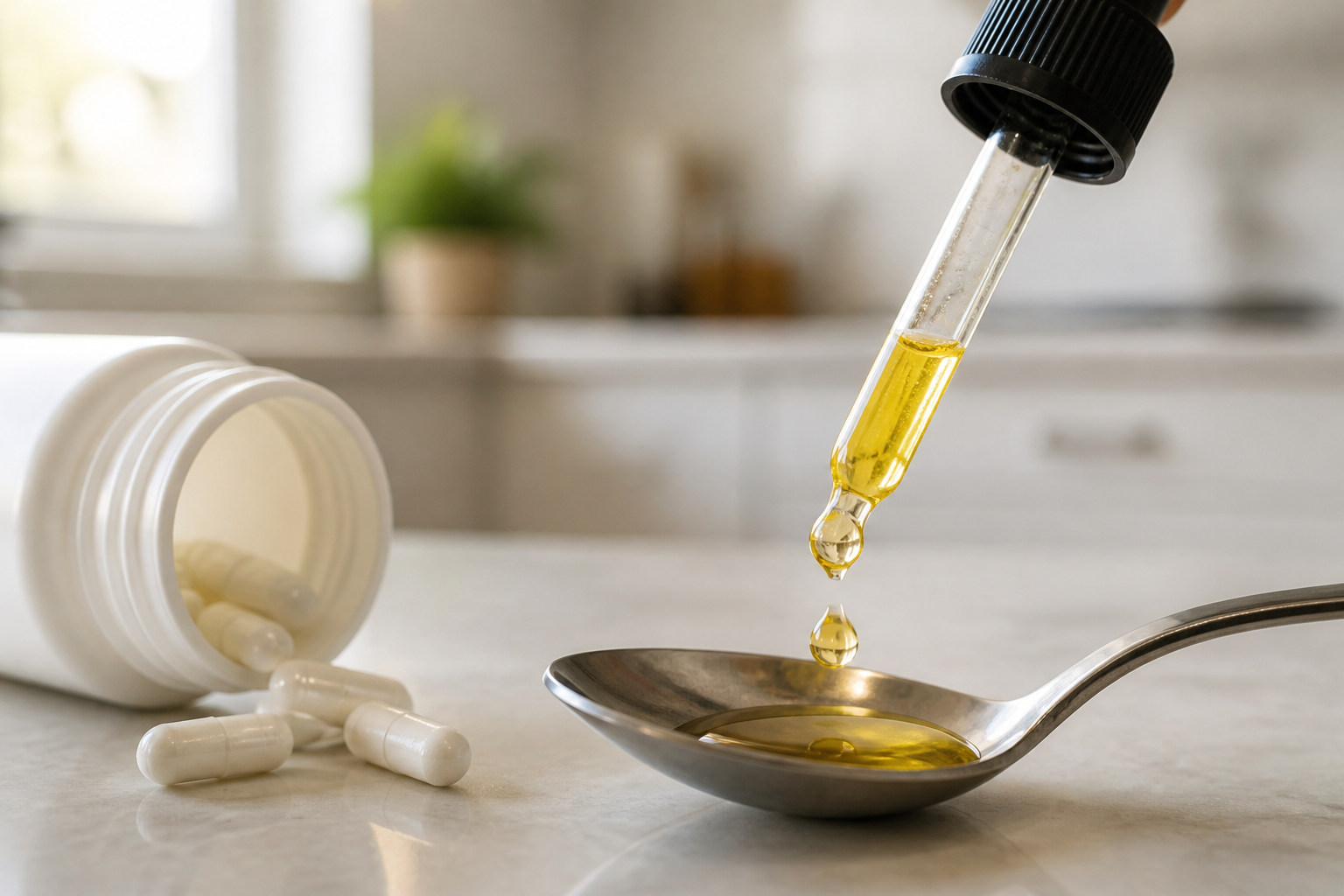
- Delivery method: Oils and tinctures under the tongue act fastest. Capsules and gummies are slower. Topical CBD creams or gels can be paired with oral oils for spot relief (I keep both on hand for days my fingers protest typing).
- Watch the extras: Avoid products with artificial colors, preservatives, or unpronounceable additives. Simpler is better.
And — I know this is controversial — but price does matter. If a bottle costs less than a takeout pizza, something’s probably off. Reputable brands invest in good sourcing and transparent testing. Cheap knockoffs? Not worth your health.
What About Side Effects and Safety?
Most people tolerate CBD pretty well. The biggies: mild drowsiness, dry mouth, or an upset tummy if you take too much. (I tried a 50mg gummy once at a trade show and nearly fell asleep during a product demo. Learn from my mistake.) There are real risks if you’re on certain meds — especially blood thinners or anti-seizure drugs — so run it past your primary care doc if you’re unsure. The latest BMJ guidelines (2023) recommend caution in anyone with liver disease, as high-dose CBD can mess with enzymes that process medication.
Bottom line: for most healthy adults, daily CBD oil in moderate doses is considered low-risk. That doesn’t mean “risk-free.” If something feels off, back off or stop altogether.
CBD Oil vs. Other Joint Pain Solutions: What Works Best?
Here’s where it gets interesting. CBD isn’t the only option, and it may not be the best for everyone. I’ve reviewed dozens of joint pain relievers over the years — from turmeric capsules to heating pads to good old Voltaren gel. So how does CBD stack up?
- CBD oil: Gentle anti-inflammatory effect, decent for mild/moderate pain, may help with sleep/anxiety. Best for those wanting to reduce NSAID use or try something more natural.
- Voltaren Arthritis Pain Gel: Contains diclofenac sodium, a powerful topical NSAID. Clinically proven for osteoarthritis of the knees and hands. Immediate spot relief, but long-term use carries (rare) risks. Voltaren Arthritis Pain Gel is still my go-to for stubborn morning knees.
- Glucosamine Chondroitin Turmeric MSM & Boswellia: This supplement combines several of the best-studied joint helpers. In my experience, it won’t turn the clock back overnight, but it can help slow cartilage wear and cool inflammation from the inside. Glucosamine Chondroitin Turmeric MSM & Boswellia is a solid pick for those who want a more comprehensive approach.
The real kicker is — you don’t have to pick just one. On rough days, layering a topical (Voltaren or a CBD salve) with an oral supplement or CBD oil can give much better coverage. And, sometimes the best pain relief is a combo of movement, heat, and a bit of patience (spoken as someone who has literally tried them all).

What to Watch For: Red Flags and Hollow Promises
I can’t count how many “miracle” CBD oils have crossed my desk — flashy labels, wild claims, zero evidence. So here’s what I tell readers who email me in a panic after a late-night Instagram purchase:
- If a product claims to "cure arthritis" or promises you’ll never need surgery, walk away.
- No real CBD oil should taste like candy, unless it’s a gummy (and even then, beware the sugar content).
- Always check for Certificate of Analysis (COA) from third-party labs. No COA? No deal.
- Look for realistic dosing instructions (not "take as much as you want").
Mild skepticism is healthy. If you have an autoimmune condition, take immunosuppressants, or have complex medical needs, always loop your rheumatologist into the conversation. A few minutes of research (or one phone call) can save months of frustration.
Real Stories, Real Results: Who Actually Benefits?
I’ve met plenty of CBD skeptics. But I’ve also watched my neighbor’s stiff hands relax enough to weed the garden again, and heard from readers who swear by their nightly sublingual drops. The most consistent wins I’ve seen? Folks with mild-to-moderate osteoarthritis, or those who want to ease off daily NSAIDs. For severe rheumatoid arthritis, the results are less predictable, but sometimes even a small reduction in flare frequency is a game-changer.
CBD oil isn’t a silver bullet. But for those who find it effective — and use it alongside smart movement, healthy anti-inflammatory foods, and rest — it can be a real ally.
Tips for Getting the Most from CBD Oil
- Time your dose: Many people find that taking CBD oil an hour before bed (or stressful events) improves both pain and sleep. Morning doses are best for those with AM stiffness.
- Pair with gentle movement: On days you’re able, try a short walk or basic stretching (the Treat Your Own Knees guide is a classic for a reason). Movement and CBD can have a synergistic effect.
- Track your response: Jot down your pain and sleep in a journal (I use a simple 1–10 scale). Give it at least 2–4 weeks before you decide if it’s a keeper.
- Always buy from reputable sources — no gas station or mystery eBay oils, please.
And one more: if you’re ever unsure about dosage, timing, or whether it’s really working, don’t be afraid to ask your pharmacist or provider. Good medicine is a team sport.
Key Takeaways: Is CBD Oil Worth a Try for Joint Pain?
So, does CBD oil “work” for joint pain and inflammation? The science is promising, but not definitive. It’s not a cure, but for many people — especially those dealing with stiffness and achiness that resists standard meds — it’s a safe, well-tolerated tool in the toolbox. My take? Try it with realistic expectations, track your progress, and focus on brands committed to quality and transparency.
Mix CBD with movement, smart supplements, and a healthy dose of self-compassion, and you just might find a new sense of comfort — or at the very least, fewer sleepless nights.
Warm wishes, and may your joints be kind —
Karen Whitfield
Veteran health journalist (Arthritis Today, Everyday Health, Prevention), joint pain survivor, and friend in the fight for everyday comfort