CBD Oil for Joint Pain and Inflammation: My Honest Take
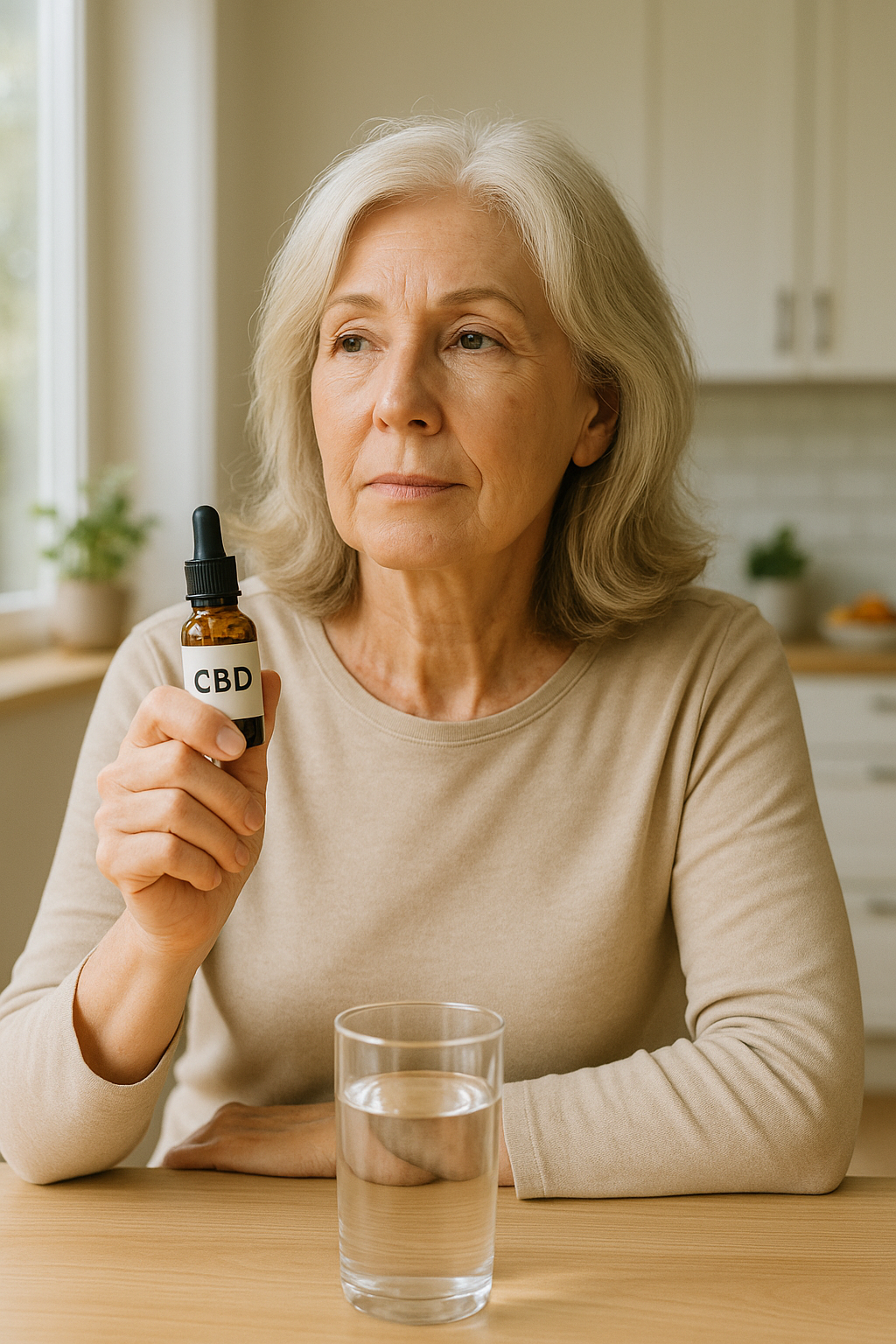
I’ll never forget the first time a client—let’s call him Bill—walked into my clinic clutching a sleek blue bottle of CBD oil and asked, “Does this stuff actually work for my knees?” I’ll be honest: my knee-jerk reaction (pun intended) was skepticism. But if there’s one thing I’ve learned over the years—both as a strength coach and working with older adults—it’s this: the best approach is open-minded, but evidence-driven.
Why So Many Are Turning to CBD (and Why I Get It)
And here’s the thing: if you deal with joint pain—maybe it’s a cranky knee, maybe those morning fingers just won’t cooperate—you know the grind. NSAIDs leave your stomach feeling raw. The aches keep you up at night. You want to garden, walk your dog, swing a golf club… and every step is a negotiation. If you’re nodding along, you’re not alone. According to the CDC, over 54 million Americans have been diagnosed with some form of arthritis. And surveys from Arthritis Care & Research suggest more than half are looking outside traditional medicine for relief—CBD oil included.
I hear about CBD from my clients almost weekly. Some swear it’s a game-changer; others say it’s snake oil (sometimes in the same week). So I decided to dig deep and see what’s real, what’s hype, and how I’d use it for my own joints (or recommend it to my mother-in-law—who, by the way, is now a convert after her own knee saga).
What Exactly Is CBD Oil?
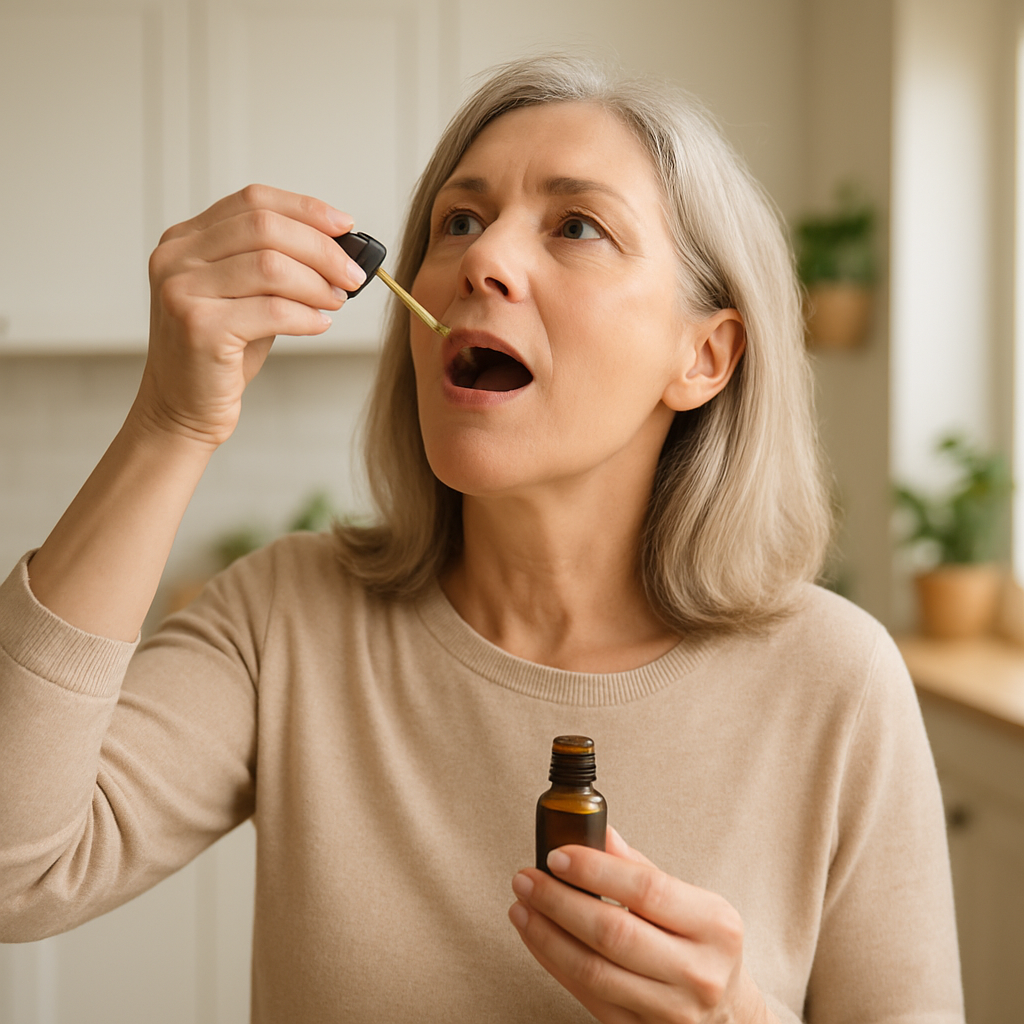
Let’s cut through the confusion. CBD—short for cannabidiol—is one of 100+ compounds found in the cannabis plant. Unlike THC, it won’t get you high. Most legal CBD oils are extracted from hemp, which contains less than 0.3% THC. You’ll find it in drops (tinctures), capsules, creams, and even gummies. But for joint pain and inflammation, most people go for CBD oil drops (sublingual) or topical creams.
Why? The idea is that CBD may help dial down inflammation—the root cause of most joint pain. And for many, it’s appealing because it feels “natural” and has a pretty solid safety profile (at least compared to long-term NSAID use).
How Does CBD Work in the Body?
Okay, science time—but I’ll keep it simple. Your body has something called the endocannabinoid system (ECS). Think of it as a balancing act, involved in regulating pain, inflammation, even mood. CBD doesn’t bind directly to those classic cannabinoid receptors (CB1/CB2), but it does interact with them—and with other inflammation-related pathways.
In animal models, CBD has been shown to influence cytokines (the chemical messengers of inflammation) and reduce oxidative stress. Translation? It may help calm the overactive immune response behind stiff, sore, inflamed joints. Of course, rats aren’t people—so what does the human research say?
What the Research Really Says About CBD Oil and Joint Pain
This is where things get interesting. If you Google “CBD joint pain,” you’ll find dozens of testimonials—some glowing, some…not so much. But let’s look at published science, warts and all.
- 2016 (European Journal of Pain): Topical CBD gel reduced arthritis pain and swelling in rats. Promising, but not exactly a human trial.
- 2018 (Current Opinion in Rheumatology): Reviewed dozens of studies, found preclinical (animal) evidence for pain relief, but said we’re still lacking solid large-scale human trials.
- 2020 (Journal of Cannabis Research): Surveyed 428 arthritis patients using CBD. Over 83% reported symptom improvement, especially with sleep and physical function. But—this was self-reported, not a controlled trial.
- 2022 (Arthritis & Rheumatology): In a double-blind trial of 136 knee osteoarthritis patients, topical CBD did not outperform placebo for pain reduction. However, some subgroups (those with moderate pain) did report benefits.
I know, that’s a mixed bag. Here’s my take: CBD is unlikely to be a magic bullet, but for some, especially as part of a broader pain management plan, it’s worth a try. The placebo effect is strong in pain research—and frankly, if it helps you move more with less discomfort, I’m not judging. Just make sure you talk to your doctor, especially if you’re on blood thinners, liver meds, or have other medical issues.
How Much CBD Oil Should You Use for Joint Pain?
This is the #1 question I get—and the answer nobody likes: there’s no one-size-fits-all dosage. Most human studies use ranges from 20mg to 100mg of CBD per day. For topical creams, products usually contain 250mg to 1500mg of CBD per jar, used 1-2 times daily.
I generally advise clients to start low (5-10mg per dose), wait 3-5 days, and monitor effects. Increase gradually up to 40-50mg if needed. And don’t expect instant magic; it can take up to 2 weeks for full results, especially if your baseline inflammation is high. Full-spectrum oils may work differently than CBD isolates—some people respond better to products that include minor cannabinoids and terpenes (the so-called ‘entourage effect’).
Potential Side Effects (and Who Should Avoid CBD Oil)
Let’s get real for a moment. CBD isn’t risk-free for everyone. Most adults tolerate CBD well, but side effects can include:
- Dry mouth
- Sedation or drowsiness (especially at higher doses)
- Changes in appetite
- Occasionally, upset stomach or diarrhea
- Potential interactions with blood thinners (warfarin), seizure meds, and some antidepressants
If you’re on regular meds, have liver issues, or are pregnant, talk with your doctor before trying CBD oil. I can’t stress that enough.
What to Look For in a Quality CBD Oil
Here’s where most articles get vague, but I’ll lay it out: not all CBD is created equal. The FDA has found that some products contain much less—or more—CBD than the label claims. You want:
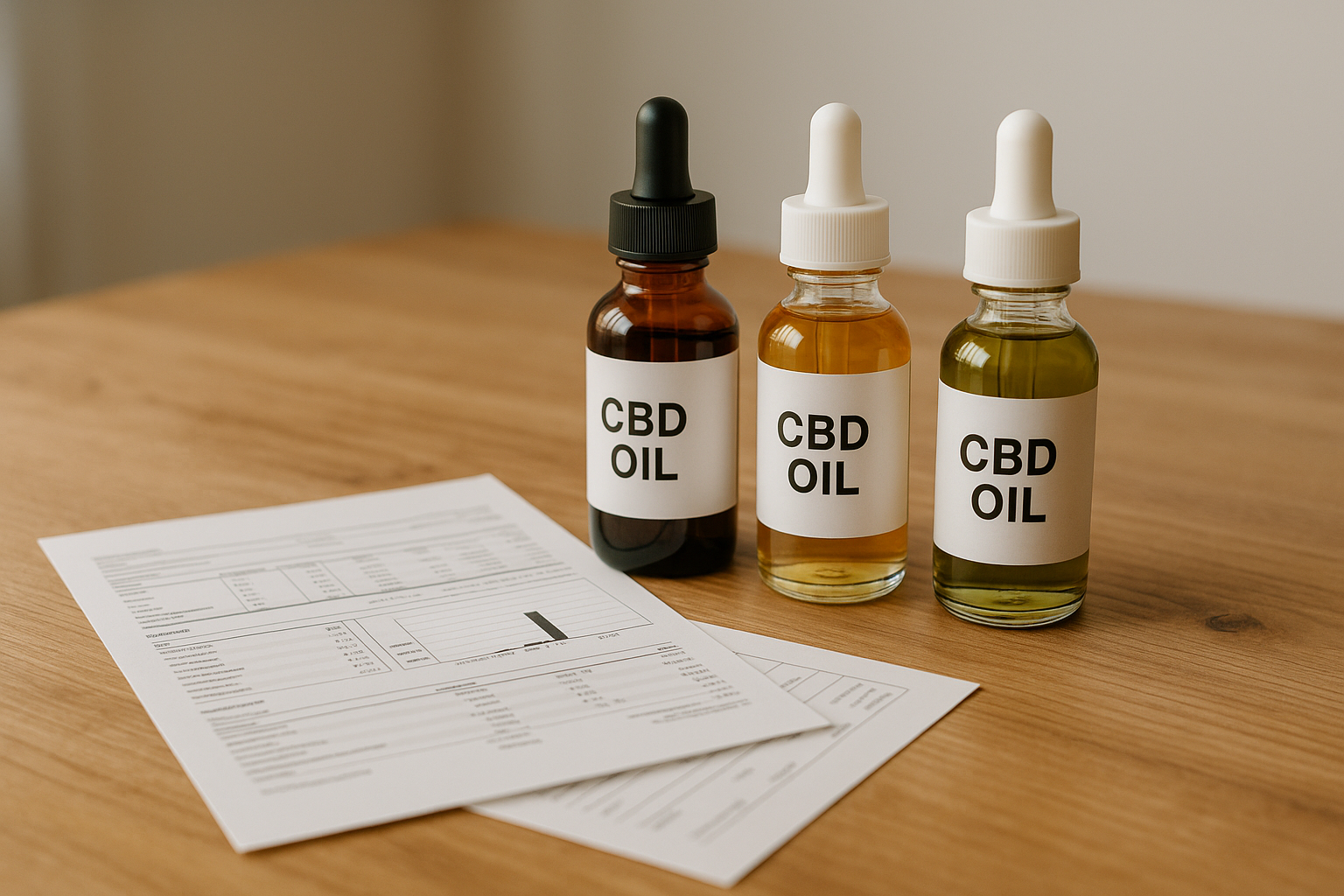
- Third-party lab testing for purity and potency
- Full-spectrum or broad-spectrum options (unless you need THC-free for work/drug testing)
- No artificial dyes, flavors, or unnecessary fillers
- Hemp sourced from the US or Europe
- Clear labeling of CBD per serving
I don’t recommend cheap gas station brands. And, if you’re investing in your health, look for companies willing to show you their COA (Certificate of Analysis). The difference in quality can be dramatic. I’ve reviewed products that had zero CBD, and one that had more THC than they promised (my client was not amused after a workplace drug test…)
How to Use CBD Oil for Joint Pain: Practical Tips
Some people (like my mother-in-law) prefer taking drops under the tongue. Others swear by rubbing a CBD cream into sore knees or fingers. Here’s what I’ve found works best for most:
- For hand/finger joints: Topical creams or balms, applied 2-3 times per day
- Knees/shoulders: A combo approach—sublingual oil for systemic relief, plus targeted cream before activity
- Before bed: Try a tincture (20-40mg) if joint pain is killing your sleep; user survey data shows improved ZZZs in many cases
And consistency matters. I tell clients: give new products 2-3 weeks, keep a simple pain/activity journal, and assess honestly. Often, the best results come when CBD is combined with gentle mobility work, heat therapy, and (not gonna lie) a little patience.
Combining CBD Oil with Other Joint Relief Strategies
Here’s the unpopular take: if you rely on ANY single thing for your joint pain, you’re probably selling yourself short. The real kicker is in the combination—the synergy. For example:
- Compression sleeves: I’ve seen folks swear by a quality knee brace during walks or workouts. The Modvel Compression Knee Brace (sold as a pair, affordable, anti-slip) is popular with my older clients for that extra support. Not magic, but it helps many stay active and cut down on the need for other meds.
- Moist heat therapy: On bad flare-up days, a good heating pad is still hard to beat. I like the Pure Enrichment PureRelief XL Heating Pad (moist heat, extra-large). Use it before stretching or after a walk—it’s an old-school method with new-school tech.
- Supplement stacks: If you’re curious about joint supplements, a combo of glucosamine, chondroitin, turmeric, MSM, and boswellia (like in Glucosamine Chondroitin Turmeric MSM & Boswellia) gets a lot of positive reviews—over 43,000 on Amazon, to be exact. I always advise people to try one thing at a time, but if your doctor OKs it, stacking can make sense.
And—this can’t be said enough—move. Even gentle walking, water aerobics, or tai chi can keep joints happy in ways no oil or pill ever will. Start small, build up, and give yourself credit for progress.
CBD Oil vs. Other Joint Pain Remedies: How Does It Stack Up?
People ask me: how does CBD compare to OTC painkillers, glucosamine, or topical NSAIDs? Short answer: It’s not a replacement, but it can be a valuable add-on for the right person.
- Compared to NSAIDs (like ibuprofen): CBD is gentler on the stomach, but not as fast-acting for acute pain. For chronic daily aches, some prefer CBD due to fewer GI side effects.
- Compared to topical NSAID gels (like Voltaren): The data for Voltaren is rock-solid, especially for knees and hands (BMJ, 2016). CBD creams don’t have as robust large-scale trials—yet—but some people who can’t tolerate pharmaceuticals do well with them.
- Compared to classic joint supplements: The research on glucosamine and chondroitin is mixed, but some folks get real relief. CBD adds a different mechanism—less about cartilage structure, more about inflammation signaling.
If you find that CBD helps you decrease your reliance on other, riskier meds—even a little—it’s worth the experiment. Just don’t expect miracles overnight.

The Bottom Line: Should You Try CBD Oil for Joint Pain and Inflammation?
Look, there’s no magic fix for cranky joints, and I wouldn’t trust anyone who tells you otherwise. But here’s what I tell my coaching clients, readers, and yes—even my skeptical family members: if you’re curious about CBD oil, start low, go slow, and track your results honestly. Find a quality product (third-party tested, clear labeling), and use it as part of a bigger joint health game plan.
It may not be a miracle, but for many folks—especially those who want to move with less pain, sleep better, and avoid harsher meds—it’s a tool worth considering. And if it keeps you gardening, walking, or playing with the grandkids? That’s the win that matters.
Here’s to happy joints—and smarter, kinder self-care.
James Chen, MS, CSCS
JointReliefReviews.com contributor