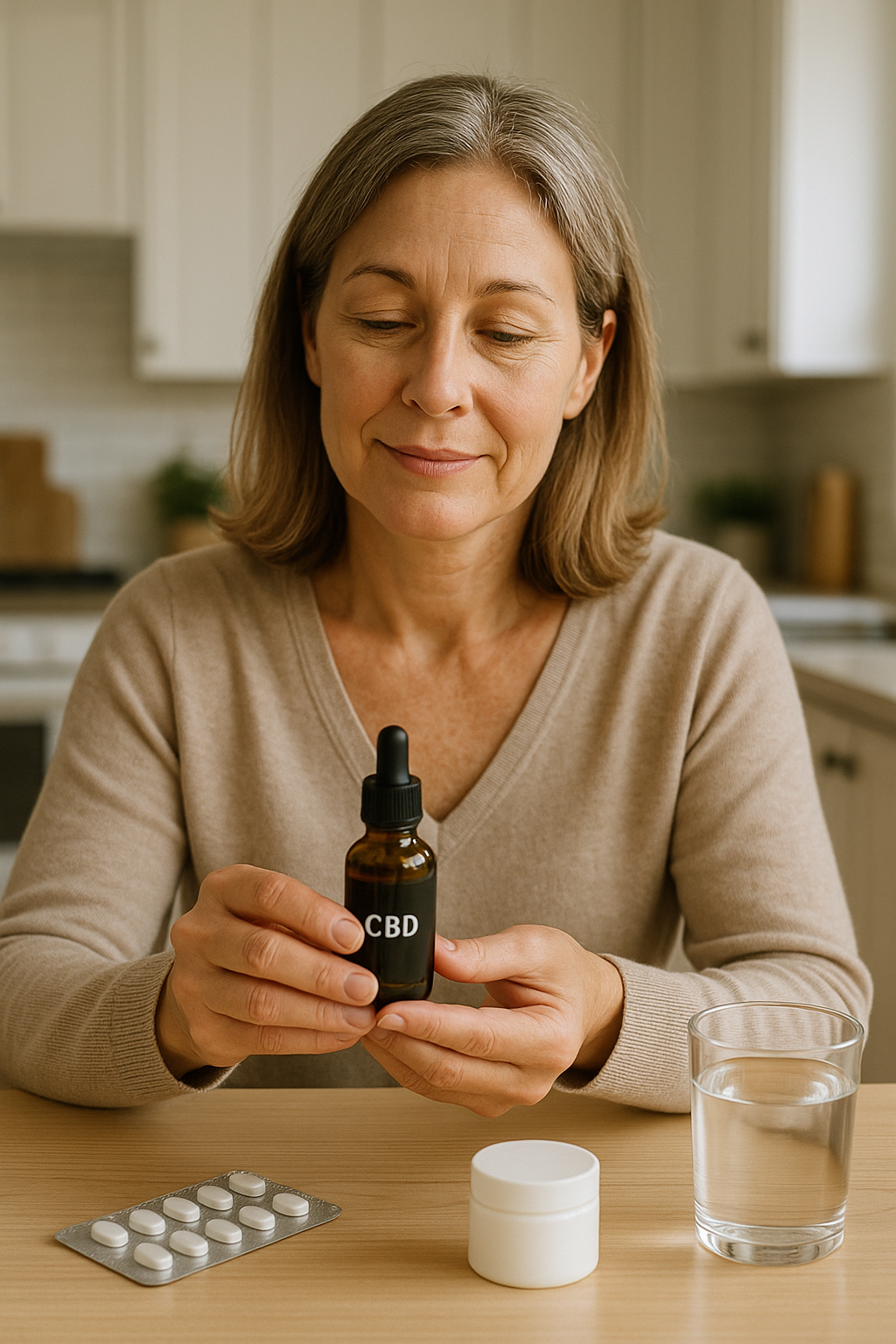
CBD Oil for Joint Pain and Inflammation: Does It Really Work? An RN's Honest Take
My phone buzzed last Tuesday with a message from my cousin: "Linda, does CBD oil actually help joint pain, or is it all hype? My knees are killing me." If you’re nodding along, trust me — you’re in good company. The number of people asking about CBD for creaky, inflamed joints has skyrocketed, especially since the latest wave of TV ads and Instagram posts started appearing. So here’s my nurse’s-eye view: some hope, a lot of confusion, and — if you read between the lines — a few facts that might surprise you.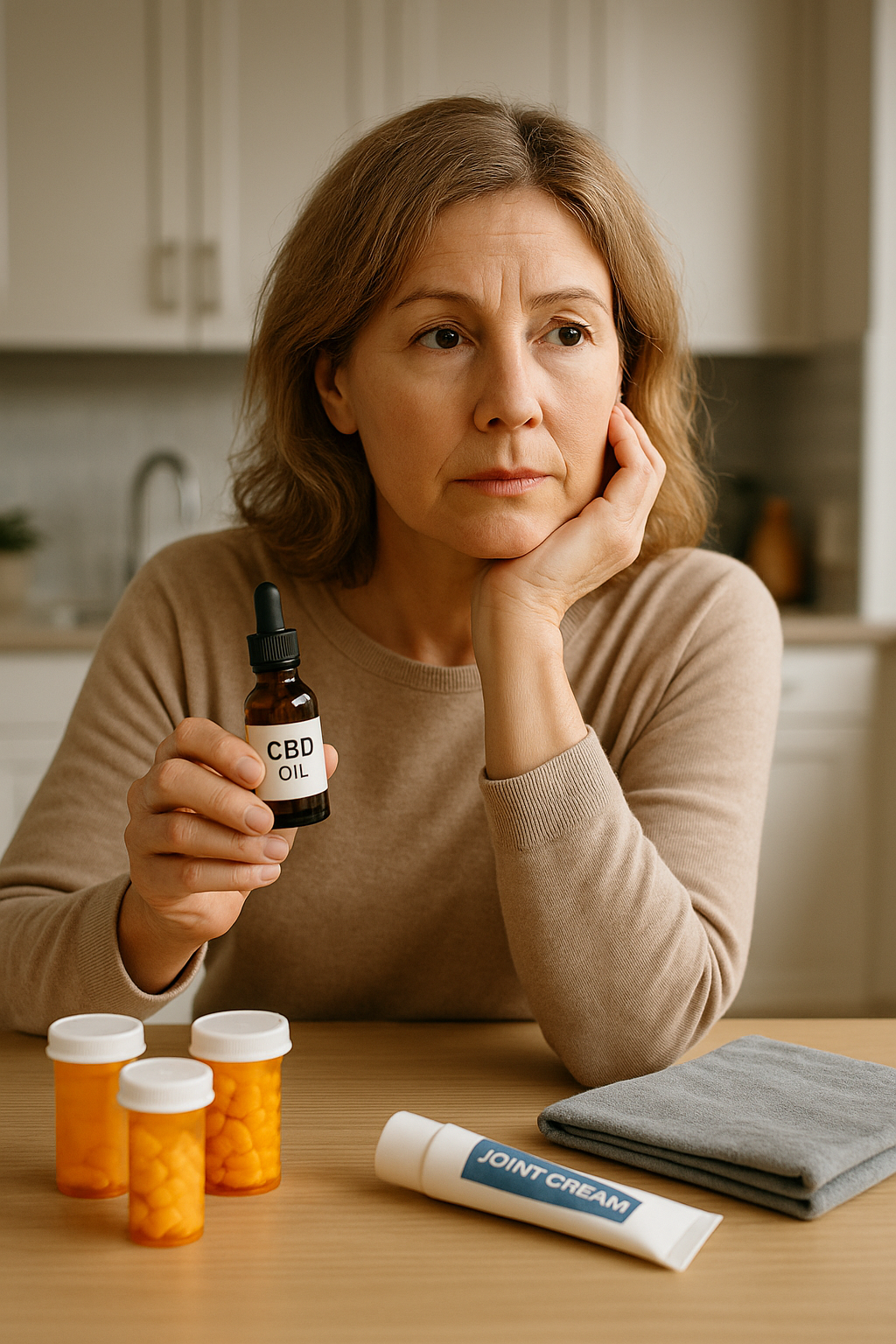
The Problem: Living with Joint Pain Isn’t Just Physical
I spent 20 years in orthopedic nursing, helping patients manage everything from mild arthritis to post-op hip replacements. Here’s the thing: joint pain isn’t just about the occasional twinge. It’s waking up stiff every morning. It’s dreading stairs (or in my case, joking with coworkers about the infamous "nurse’s knee"). Some days, it’s struggling to grip a jar or hobble to the mailbox. And if you’re dealing with inflammation on top of pain, well... it’s like pouring gasoline on a campfire.
The emotional toll? Underestimated — by doctors, by family, even by the person living it. You might try over-the-counter painkillers, heating pads, glucosamine, those copper sleeves from late-night TV. Some work, some don’t. But there’s a reason folks are reaching for something new.
CBD: What the Science Actually Says (And What It Doesn’t)
Now, CBD — short for cannabidiol — is everywhere. It comes from the cannabis plant, but it won’t get you high (unlike THC, its infamous cousin). The real question is: does CBD oil have any business in your pain-relief toolkit?
So, here’s what I’ve found combing through the Journal of Pain Research, Arthritis Care & Research, and endless patient stories:
- Animal Studies Look Promising: Early research, like a 2017 study in European Journal of Pain, used a topical CBD gel on rats with arthritis. The results? Reduced joint swelling and pain behaviors. But, and it’s a big but, rats aren’t people.
- Human Data Is Thin... but Growing: A 2020 review in Current Opinion in Rheumatology summarized this well: the anti-inflammatory effects of CBD are “biologically plausible,” but there still isn’t a gold-standard, large-scale randomized trial showing awe-inspiring results in humans. That said, there are lots of case series, surveys, and small pilot studies suggesting people experience less pain and better sleep. (Anecdotal? Yes. Useless? Not exactly — I’ve seen it firsthand, but science demands more rigor.)
- How CBD Might Work: The theory is that CBD interacts with the body’s endocannabinoid system — basically, a network of signals that help control pain, inflammation, mood, even sleep. It acts a bit like a dimmer switch on inflammation. There’s also evidence it can lower cytokine production (those pesky chemical messengers responsible for inflammation), but again... we need bigger human trials.
I’ll be honest — this is where most articles stop, or worse, start making wild promises. My inbox is stuffed with people who feel let down by "miracle cures." So what do real people (like you) actually notice?
What Real People Report: The Good, the Bad, and the "Meh"
I keep a running list of patient anecdotes and reader emails. Here are some common threads when folks try CBD oil for joint pain and inflammation:
- Some call it a “game-changer.” Especially those with mild to moderate arthritis, or folks who want to cut back on NSAIDs or prescription painkillers. My neighbor swears her hands feel “looser” after a week on sublingual drops.
- Some see a subtle difference — or none at all. This is the reality for about half the people I talk to. The pain isn’t gone, but it’s dulled. Or, more sleep at night means their body handles pain better during the day.
- Side effects are usually mild (think dry mouth, slight drowsiness), but it’s not for everyone. A few people told me it made them nauseous or simply didn’t sit right. One reader said it made her dreams "weirdly vivid." (She stopped, problem solved!)
The real kicker? Dosing is all over the map. Some gels are 250mg per bottle, some drops are 25mg per dose, and there’s no standardized "prescription." That’s both a blessing (personalized dosing) and a curse (hard for doctors to guide). Talk to your doctor before adding CBD to your routine, especially if you’re on other meds — CBD can mess with how some drugs are broken down in your liver.
How to Actually Use CBD Oil for Joint Pain (Without Wasting Money)
Look, if you’ve spent $50 on a bottle of CBD oil that sits untouched because you’re not sure what to do with it, you’re not alone. Here’s what I recommend after years of trial, error, and way too much label reading:
- Start low and go slow. Most experts suggest beginning with 5-10mg twice daily, and increasing gradually if needed. Topical creams can be used directly on sore joints, but again — start with less, and patch test for skin reactions.
- Sublingual drops vs. topicals: If your pain is localized (like a single knee or finger), a CBD cream or gel might give you faster relief right where it hurts. For widespread discomfort, or if you’re aiming for sleep or mood support too, drops under the tongue are popular. My aunt tried both and liked the topical... except the one that stained her sheets (buyer beware!).
- Read ingredient lists. Not all CBD oils are created equal. Look for third-party testing, clear labeling (how much CBD per serving), and ideally, organic hemp grown in the US or Europe. I can’t count the number of mystery tinctures patients have shown me over the years — some worked, some were glorified olive oil.
And a quick side note: steer clear of anything that promises “instant” or “permanent” relief. In my experience, those are usually the first bottles to end up in the back of the medicine cabinet.
Can CBD Be Combined with Other Joint Remedies?
Here’s where it gets interesting. Most of my patients aren’t one-solution people. They want a combo that works for their busy lives and stubborn joints. Can CBD play nicely with other treatments? Broadly, yes — and sometimes the effect is synergistic.
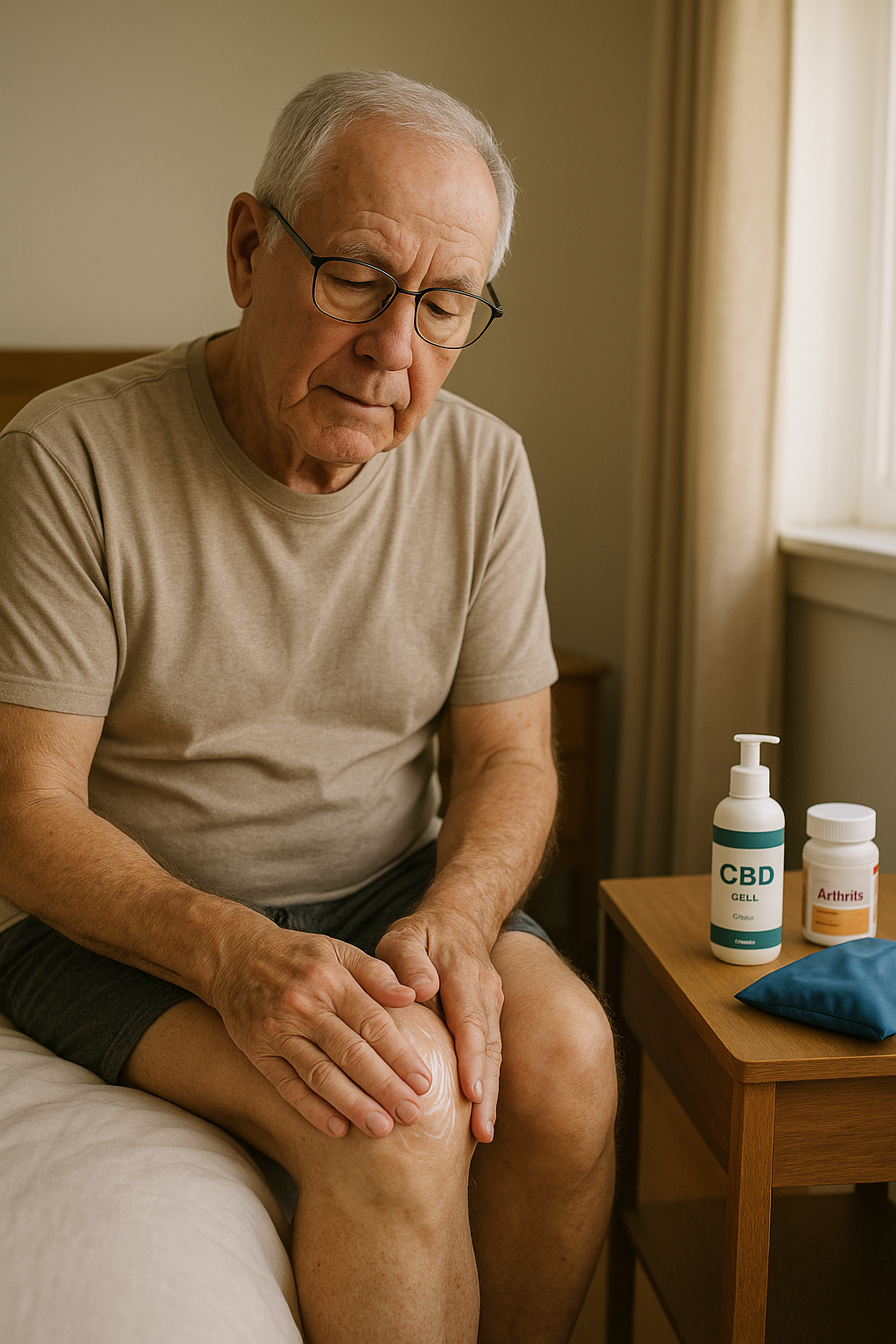
For example, a friend who struggled with persistent knee pain after meniscus surgery swears by alternating between his Pure Enrichment PureRelief XL Heating Pad (the moist heat option is a lifesaver for morning stiffness) and a CBD cream at bedtime. The heat loosens things up, the CBD takes the edge off overnight. Research in BMJ Open (2022) showed that combining non-drug therapies — like heat, movement, and topical agents — often led to better function in arthritis patients than pills alone. No surprise there.
CBD is also used by some alongside glucosamine-chondroitin supplements. The science on those is mixed, but a 2016 Arthritis & Rheumatology study found that people who saw even a mild benefit from glucosamine were often open to layering in other natural options — CBD included — to fill the gaps. The bottom line: it’s rarely all or nothing. Blend what works for your body, but keep your doctor in the loop (especially if you’re on blood thinners or anti-seizure meds).
Why Isn’t Everyone on CBD Yet?
I know this is unpopular, but here’s my two cents: a lot of doctors (and nurses!) are still on the fence about CBD because of the legal gray area and lack of rock-solid human trials. Some clinics won’t even discuss it. Plus, the supplement world is still the wild west — underregulated and confusing to navigate.
But attitudes are shifting. The Arthritis Foundation actually surveyed over 2,600 people with arthritis in 2019; almost 80% had tried or considered CBD, and the top reasons were pain, sleep, and overall well-being. That’s not a fad — that’s a groundswell.
Here’s what I tell my patients (and now, you): CBD isn’t magic, but for a subset of people, it can make daily life a little more manageable. Just go in with realistic expectations, shop smart, and give it several weeks to judge the effects.
So, Is CBD Oil Worth Trying for Joint Pain and Inflammation?
If you’ve tried the usual suspects — over-the-counter anti-inflammatories, heating pads, supportive braces — and you’re still looking for relief, CBD oil might be worth a shot. Especially if you want a lower-risk option than another round of ibuprofen (your stomach will thank you).
But — and this is important — check with your healthcare provider first, especially if you take prescription meds, have liver disease, or are pregnant or breastfeeding. I’ve seen interactions in the hospital that could’ve been avoided with a quick conversation, and no bottle of CBD is worth that.
If you’re in the market for a reliable add-on for chronic joint pain, I’m a fan of the Pure Enrichment PureRelief XL Heating Pad and the occasional dose of Voltaren Arthritis Pain Gel for truly stubborn aches. Both play nicely with CBD — and unlike some trendy supplements, these actually have solid FDA and clinical backing.
As for picking a CBD brand? Stick to companies with transparent sourcing, posted lab results, and dosage guidelines. Don’t get distracted by celebrity endorsements or flashy packaging (my mother-in-law once bought a glittery bottle — it was less potent than her chamomile tea). And, as always: what works for one person’s knees may do diddly for another’s hip. That’s just the honest truth.
Takeaways: What I’d Tell a Friend (or You, Right Now)
- CBD oil isn’t a miracle, but it’s not snake oil either — it’s a potential tool for some folks with joint pain or inflammation.
- Start with a low dose, be patient, and don’t expect fireworks overnight. Track your symptoms in a journal; subtle shifts add up.
- Layer your joint care: exercise, heat, topical creams (like Voltaren Gel), and — if you’re the supplement type — a well-made CBD oil from a reputable source.
- Always check with your doc if you’re mixing and matching treatments, especially if you’ve got a complicated health history.
- And, if you try CBD for a few weeks and see no change? You’re not alone, and it doesn’t mean you failed. It just means your body’s chemistry is unique — and that’s nothing to be ashamed of.

At the end of the day, I see CBD as another tool in the toolbox — and sometimes, that’s good enough.
Stay curious, be kind to your joints, and don’t let anyone sell you false hope. If you have a CBD story (good or bad), drop me a line at JointReliefReviews.com. I read every message.
Linda Hargrove, RN is a health writer and former orthopedic nurse who helps real people find practical relief for joint pain. She’s reviewed dozens of therapies, from classic heat pads to the latest supplements, and believes in straight talk over slick marketing.