
CBD Oil for Joint Pain and Inflammation: What Really Works?
Last winter, a patient emailed me—let's call her Rose—saying, “Linda, I can't take another night of knee pain. My daughter got me this CBD oil, but I honestly have no clue if I'm using it, or if it's just wishful thinking.”
Rose isn’t alone. In fact, a 2023 survey in The Journal of Cannabis Research found that nearly 60% of people with joint pain had tried or considered CBD in the past year. If you’re nodding along, you’re in good company.

Why Does Joint Pain Feel So Relentless?
Here’s the thing: joint pain isn’t just a dull ache you can ignore. Whether it’s the grind of osteoarthritis (hello, creaky knees) or the deep, throbbing ache of rheumatoid arthritis, this kind of pain worms its way into everything—gardening, walking the dog, even slipping on socks.
And inflammation is usually the prime culprit. Your body, trying to protect or repair itself, overreacts—sending in white blood cells, swelling, and chemical messengers that, ironically, just keep the cycle going. Over my 20 years in orthopedic nursing, I saw the toll this takes—not just physically, but emotionally. Missed outings. Poor sleep. That quiet dread of stairs.
Sure, some folks do fine with acetaminophen or a heating pad. But I hear from plenty who can’t tolerate NSAIDs, or want a gentler option. That’s where the curiosity (and the controversy) about CBD enters the scene.
What *Is* CBD Oil, Exactly?
Let’s clear up some confusion. CBD—cannabidiol—is one of over 100 compounds found in the hemp plant. Unlike its cousin THC, it won’t get you high, alter your mind, or give you the munchies. Most CBD oils sold for joint pain are hemp-derived, legal federally, and contain little or no THC.
Here’s where it gets interesting: CBD interacts with something called your endocannabinoid system (ECS). That’s a web of receptors scattered throughout your brain, nerves, and immune system. Researchers in Arthritis Care & Research (2020) suggest this system helps regulate pain, inflammation, and even mood. But it works behind the scenes—think dimmer switch, not an on/off button.
Does the Science Back Up CBD Oil for Joint Pain?
I’ll be honest—when I first saw CBD oil pop up in health food stores, I rolled my eyes. Snake oil, I thought. But, as the research trickled in, I had to rethink that knee-jerk reaction.
Animal studies were the early spark: a 2017 trial in European Journal of Pain slathered CBD gel on arthritic rats and saw reduced swelling and improved limb use. No, you’re not a rat, but it was a promising start.
Human studies? More mixed, but still intriguing. A 2022 review in Current Rheumatology Reports found that out of seven clinical trials on CBD for arthritis pain, most showed a modest (10-30%) reduction in reported pain, especially among people with chronic symptoms. It wasn’t a magic bullet. But for people who can’t take NSAIDs, or want to avoid prescription meds, that’s still impressive.
One caveat: studies often use high doses—sometimes as much as 300 mg per day, much more than most over-the-counter drops. And the exact formulation (tincture, topical, capsule) matters a lot. I tell people: don’t expect miracles from a cheap, under-dosed product.
CBD Oil vs. Other Joint Pain Remedies
Now, I know this is borderline heresy in some circles, but: I don’t believe CBD is always better than tried-and-true options. After all, we have decades of data on things like topical NSAIDs and physical therapy.
Take Voltaren Arthritis Pain Gel, for instance. It’s FDA-approved, loaded with diclofenac sodium, and has been shown to cut osteoarthritis knee pain by up to 50% (see BMJ, 2016). It doesn’t interact with most meds, and you don’t swallow a thing.
But—and it’s a big but—some patients can’t tolerate even topical NSAIDs, or want to avoid pharmaceuticals altogether. That’s where CBD oil belongs: not as a cure-all, but as another tool in the kit, especially for those sensitive to standard meds.
How Do People *Actually* Use CBD Oil for Joint Pain?
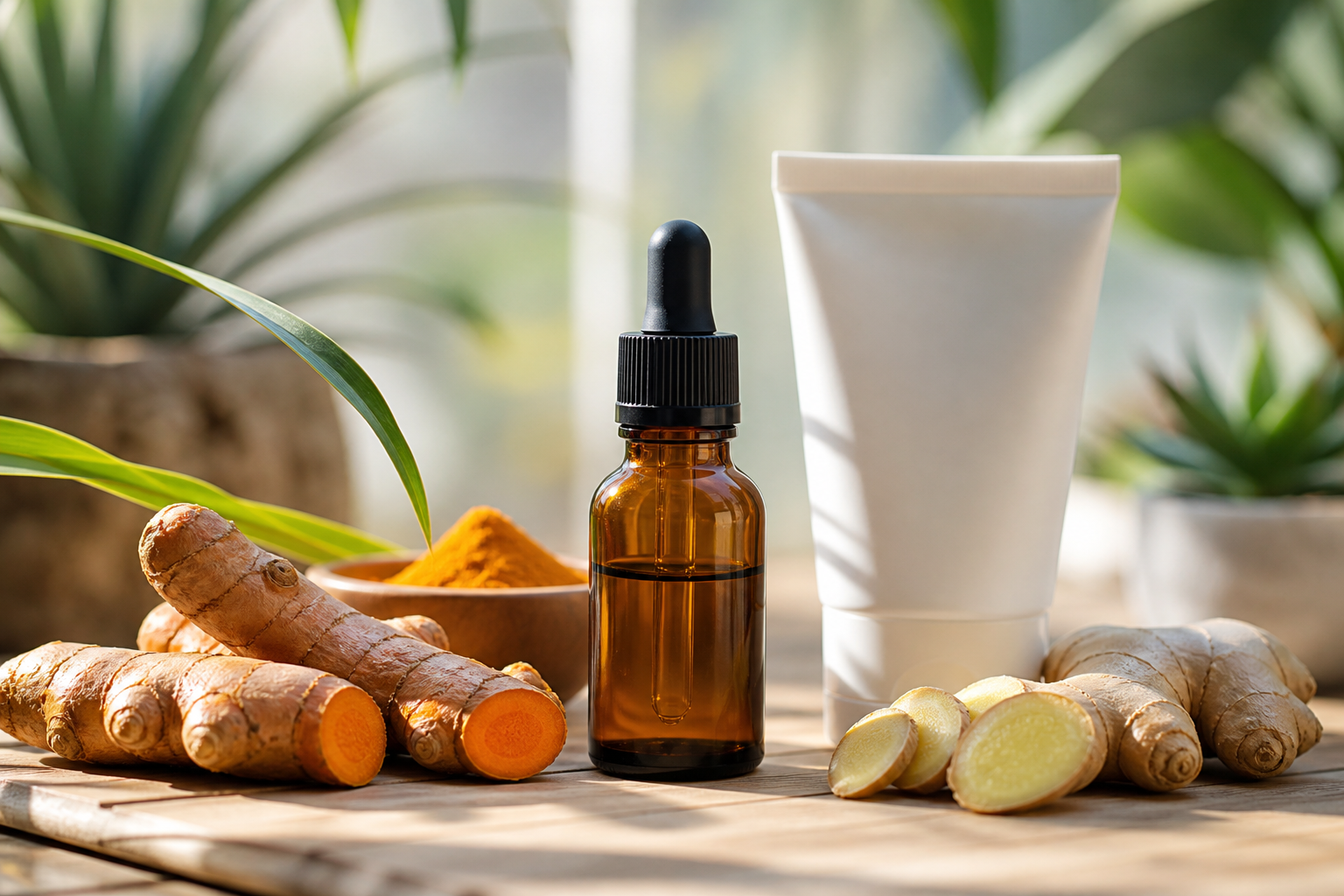
This is where things get muddy—and why so many people feel lost after their first bottle. There isn’t a “standard dose.” I’ve heard from patients who swear by three drops nightly, and others who need a full dropper (usually 25-33mg CBD) twice a day just to notice a dent.
The main options:
- Oral Tinctures: Placed under your tongue (sublingual). Absorbs into the bloodstream, effects within 30-60 minutes, can last 4-6 hours.
- Topicals: Creams, balms, or gels massaged right onto sore joints. Local effect, but don’t usually enter your bloodstream much.
- Capsules/Edibles: Easier to dose, but slower to work (and may lose potency in digestion).
Most people I interviewed found topical CBD best for small joints (fingers, wrists) and tinctures better for bigger, “deep-set” aches (hips, knees, back). Start low—5-10mg per dose—and work up every few days. Listen to your body, and keep a little pain journal (even just quick notes on your phone) to track real changes.
What’s in a Good CBD Oil?
Look, I’ve reviewed dozens of CBD brands for friends, family, and this site. Here’s what I look for (and what you should, too):
- Clear labeling: You want to see "CBD" (not just “hemp oil”), the exact milligrams per serving, and total mg in bottle.
- Third-party testing: Brands that publish lab reports (COAs) are much safer—this verifies actual CBD content, and checks for pesticides/metals.
- Carrier oil: Usually MCT coconut oil or hempseed oil. Both are fine for most folks, unless you have allergies.
- No mystery additives: Skip brands with “proprietary blends” or artificial flavors, especially if your joints are already sensitive to weird chemicals.
My neighbor, Sam, learned this the hard way. He grabbed a bargain bottle online—looked legit, but had only trace CBD when we checked the lab report. No wonder he felt nothing but wallet pain.
How Safe Is CBD Oil for Joint Pain?
Here’s where my RN hat comes on tight: CBD is generally well-tolerated, especially compared to opioids or steroids. But it’s *not* risk-free.
Most common side effects? Sleepiness, upset stomach, or dry mouth. These usually fade with lower doses. But CBD can interact with blood thinners (like warfarin), some heart meds, and even certain antidepressants. If you take prescription meds, talk to your doctor before starting CBD. (I know, I sound like a broken record—but it’s better than a scary ER visit.)
Other Ways to Calm Joint Pain and Inflammation (CBD or Not)
I’m a firm believer in a “kitchen sink” approach. CBD oil is just one piece. Over the years, I’ve seen good results when people mix and match:
- Compression sleeves: Like the Modvel Compression Knee Brace—great for everyday support, especially if swelling makes joints feel unstable. Not fancy, but a game-changer for mobility.
- Gentle exercise: No, you don’t have to run marathons. Even a daily walk, or the simple routines in Treat Your Own Knees, can boost flexibility and cut down stiffness over time.
- Mediterranean-style diet: Higher in olive oil, walnuts, berries, and green veggies. Inflammation markers (CRP) drop significantly with this pattern, according to Arthritis & Rheumatology, 2021.
- Supplements: Some folks find mild relief from glucosamine (1500mg/day) and turmeric (500mg/day)—though the science is mixed. I tell patients: give it three months, and don’t expect miracles.
- Topical NSAIDs: Such as the Voltaren gel I mentioned above. Especially useful for knees and hands, and fewer stomach side effects than pills.
Some people even combine CBD oil with these approaches—especially after a tough day when the “usual” tricks come up short.
What About CBD Creams for Arthritis?
This is one of the most common questions from readers. “Should I rub CBD on my joints, or take it under the tongue?”
Topical CBD seems to work best for smaller joints and localized pain—like your thumb, fingers, or elbow. However, most creams contain far less CBD per serving than tinctures. Look for products with at least 250mg of CBD per ounce for a better shot at real relief (source: Journal of Pain Research, 2021).
And here’s a hot tip: combining CBD cream with a heating pad (think the Pure Enrichment PureRelief XL Heating Pad) can increase absorption and soothe achy muscles, too. I’ve seen this duo help my brother-in-law after long workdays. The moist heat opens blood vessels, letting the CBD sink in deeper. Just don’t use them back-to-back without cleaning off the area first—some gels can irritate skin when heated.

How to Tell If CBD Oil Is Working (Or If It Isn’t)
This is the slippery part nobody tells you. CBD doesn’t hit you like ibuprofen—there’s no instant “on/off.” For most, changes show up gradually: less morning stiffness, a little more pain-free movement, or being able to skip that mid-day nap.
I ask readers to give it at least 2-4 weeks before making a verdict. And, crucially, keep everything else stable—if you start CBD *and* a new exercise plan, how will you know what’s really working?
If you don’t see any changes after a month, or only notice side effects, don’t force it. Not every remedy is right for every body, and that’s okay.
A Few Last Words From the Nurse’s Chair
CBD oil isn’t a miracle—but it’s not a scam, either. For some folks, it’s the missing puzzle piece, especially if you can’t (or don’t want to) lean on traditional meds. The key is patience, realistic expectations, and buying from brands that prove what’s in the bottle.
Is it perfect? No. Is it safe for everyone? Also no. But for the right person, it’s a gentle nudge toward less pain, a little more motion, and maybe—just maybe—a bit of hope.
Take care of those joints. You only get one set!
Linda Hargrove, RN, spent two decades caring for orthopedic patients. She now writes at JointReliefReviews.com, helping real people cut through the hype and find smarter ways to manage pain.