
CBD Oil for Joint Pain and Inflammation: What Actually Works?
I’ll never forget the first time a patient’s daughter brought in a tiny bottle of CBD oil for her mother’s aching knees. This was back in 2017, right as CBD was making headlines. She looked at me, almost whispering, 'Will this really help?' Honestly, I wasn’t sure—and most doctors in our clinic weren’t, either. But five years and a tidal wave of research later, the picture is a whole lot clearer.

The Daily Grind: Why Joint Pain Is So Tough
If you’re reading this, I’d wager you know the drill: knees that ache in the morning, wrists that throb with every twist, fingers that stiffen up after a short walk. Joint pain isn’t just physically exhausting—it messes with sleep, mood, even your relationships. And here’s the thing: painkillers and anti-inflammatories help, sure, but they come with baggage. I’ve seen too many patients get stuck in a cycle of side effects, stomach aches, and diminishing returns.
That’s why so many people are searching for gentler, more sustainable ways to put out the fire of chronic inflammation—and why CBD oil has become such a hot topic in orthopedic circles (and my inbox—honestly, I’ve gotten more CBD questions than about Tylenol lately).
What Is CBD Oil, Really?
Let’s demystify things. CBD—short for cannabidiol—is a naturally occurring compound found in hemp and cannabis plants. It’s not psychoactive (so, no, it won’t get you high), and it’s perfectly legal across most of the U.S. when derived from hemp. The fascination isn’t just hype: CBD interacts with the body’s endocannabinoid system, which plays a major role in regulating pain, inflammation, and immune response (see Arthritis & Rheumatology, 2018).
Most CBD oils are just that: a carrier oil (like MCT or hempseed) and hemp-derived CBD, sometimes flavored or blended with other botanicals. Quality varies like crazy—some brands test every batch for potency and purity, others, well...let’s just say I wouldn’t recommend them to my worst enemy’s knees.
The Science: Does CBD Oil Actually Reduce Joint Pain and Inflammation?
Here’s where it gets interesting. A lot of the early hype came from animal studies—think mice with induced arthritis showing reduced swelling and better movement after CBD (University of Kentucky, European Journal of Pain, 2016). Researchers saw measurable drops in inflammatory markers. But animal studies aren’t the whole story—so what about real humans?
A 2020 review in Current Rheumatology Reports found that CBD may help reduce both pain and inflammation in arthritis, though most studies were small or preliminary. Another double-blind study (Journal of Clinical Medicine, 2020) saw people with knee osteoarthritis report 'significant pain reduction' after topical CBD versus placebo. We’re talking about a reduction in pain scores by over 30% for some users. Is this a cure-all? Of course not. But for people who don’t get enough relief from standard therapies—or can’t tolerate NSAIDs—it’s a promising option.
Here’s a quick breakdown of what we know (and don’t):
- Reduces inflammation: CBD seems to tamp down pro-inflammatory cytokines (the chemical messengers that make your joints puffy and angry).
- Modulates pain signals: Through the endocannabinoid system, CBD can dial down the intensity of pain signals to the brain.
- May improve sleep and mood: This is more anecdotal, but many patients (and a handful of studies) report sleeping better—sometimes for the first time in years. And anyone with joint pain knows how crucial that is.
- The big catch: Human studies are limited; most were small, short-term, and not always well-controlled. And not everyone responds the same way.
Look, I’m not saying CBD oil will replace your prescription medications. But I’ve had enough readers—and former patients—tell me it 'took the edge off' or let them walk a little farther. For some, that’s a game-changer.
How Does CBD Oil Compare to Other Joint Pain Remedies?
Let’s be real: there’s a glut of joint pain products out there. (If I had a dollar for every new joint supplement I was asked to review, I could probably retire.) So where does CBD oil fit?
- NSAIDs (ibuprofen, naproxen): Fast-acting against inflammation, but hard on the gut and kidneys—especially long-term. CBD is gentler but slower and less dramatic.
- Topical gels (like Voltaren Arthritis Pain Gel): These work best for superficial joints (knees, knuckles). CBD oil can be used topically, but its penetration likely isn’t as deep as diclofenac, which has FDA backing and plenty of clinical trials.
- Joint supplements (like glucosamine & chondroitin): These work (modestly) over months for some with osteoarthritis. CBD offers more immediate symptomatic relief, but doesn’t actually rebuild cartilage.
- Compression sleeves & braces: Good for physical support. I often recommend the Modvel Compression Knee Brace for runners or folks with instability—CBD won’t prevent mechanical strain, but can help manage the aftermath.
Bottom line: CBD oil isn’t a magic bullet, but it’s one tool in a much bigger toolkit. If you’re nodding along, you’re not alone—most people need multiple strategies to keep joint pain in check.
How to Use CBD Oil for Joint Pain and Inflammation (and What to Watch Out For)
I get a lot of questions about dosing, brands, and whether to slather it on or swallow it. Here’s what I tell my own family (after many late-night phone calls):
- Start low, go slow: Most experts suggest starting with 10-15mg of CBD per day, and titrating up every week. Some folks need 30-50mg for noticeable effects. The sweet spot varies wildly—so track your symptoms carefully.
- Oral vs. topical: Sublingual oils (drops under the tongue) act systemically and seem best for general joint pain and sleep. Topical CBD creams or oils are good for targeting a specific sore spot, but choose one with a high concentration (at least 300mg per ounce).
- Watch for interactions: CBD is generally safe, but can affect how your body processes other medications—especially blood thinners and some antidepressants. Talk with your doctor or pharmacist before adding CBD, especially if you’re juggling a handful of prescriptions.
- Quality is everything: Look for third-party testing, clear labeling (milligrams per serving!), and a transparent ingredient list. I won’t sugarcoat it—cheap brands are often diluted, mislabeled, or downright sketchy.
And this is important: CBD oil can sometimes cause mild side effects—drowsiness, dry mouth, or loose bowels, though these are rare at modest doses. If you notice anything weird, pause and check with your doctor.
CBD Oil: My Personal Observations (and Mild Controversies)
I’ll be honest—some in the medical community still roll their eyes at CBD, painting it as the latest fad. But as someone who’s watched patients try everything, from turmeric capsules to copper bracelets, I’m a believer in meeting people where they are. If a supplement helps you get through the day with less agony—and the risks are low—it’s worth considering.
That said, here’s the unpopular opinion: not everyone will benefit the same way. I’ve seen one patient get meaningful relief from 25mg CBD oil nightly, while another noticed nothing but a lighter wallet. Trial and error is part of this journey.
And I have to mention—if you’re using CBD to avoid talking to your doctor about worsening pain or function, that’s a red flag. CBD oil is a supplement, not a substitute for medical care. If you develop swelling, redness, or can’t bear weight, don’t tough it out—get checked out.

Choosing a Quality CBD Oil: What Matters Most
Let me save you some trouble: the world of CBD is crowded, confusing, and, frankly, full of nonsense. Here’s how I help patients and readers cut through the noise:
- Third-party testing: Only use products with independent lab results confirming cannabinoid content and absence of contaminants (like heavy metals or pesticides).
- Clear potency labeling: You should see total milligrams of CBD—ideally both per bottle and per serving—on the label.
- Type of extract: 'Full-spectrum' may include trace THC (under 0.3%), while 'broad-spectrum' and 'isolate' are THC-free. For most people with joint pain, broad-spectrum offers a good balance of benefit and peace of mind.
- Trusted brands: Look for established companies with good customer support and transparent sourcing.
And no, you don’t need to spend hundreds per bottle. Many reputable brands offer effective oils in the $30–$70 range for a month’s supply.
What About Combining CBD Oil with Other Joint Pain Strategies?
This is where the magic happens—or at least, where relief becomes more reliable. Most people I’ve worked with get the best results by mixing gentle movement (walking, stretching, gentle strength work) with supportive gear—think the Modvel Compression Knee Brace—and intermittent use of topicals like Voltaren Gel or heating pads.
Just last month, a reader emailed me about her 'combo plan': daily CBD oil, Voltaren before walks, and yoga twice a week. Her pain isn’t gone—but it’s manageable, and she’s sleeping better than she has in a decade. That’s a real win.
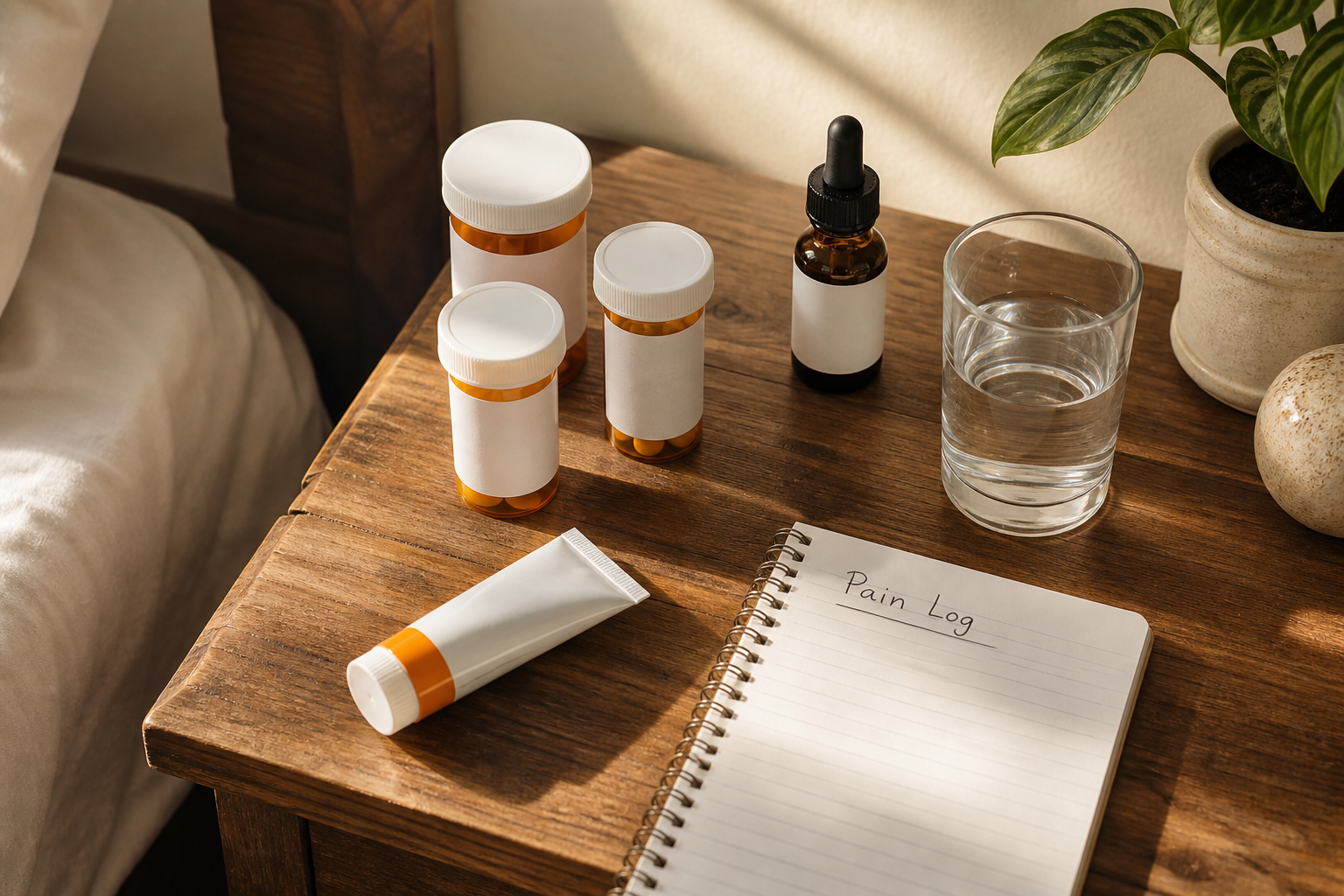
Pro tip: Keep a pain log for 2 weeks before and after trying CBD oil. Rate your pain (0–10) morning and evening, and jot down any changes in sleep, mood, or activity levels. The patterns might surprise you, and you’ll have real data for your next doctor’s visit.
The Takeaway: Is CBD Oil Right for Your Joint Pain?
If you’re battling daily aches, swelling, or stiffness (and are tired of the pharmacy shuffle), CBD oil is worth a thoughtful experiment. Just keep expectations honest: it’s not a miracle, but for a chunk of people, it brings that extra bit of relief that gets you off the couch—or lets you sleep through the night. That’s no small thing.
Of course, talk to your rheumatologist or primary care provider if you’re already on other meds, especially blood thinners or seizure drugs. And steer clear of any product that won’t show you lab results—life’s too short to gamble with your health.
Curious which products I actually trust? I’m working on a full breakdown for the site. Feel free to message me with questions—I love hearing what’s working (or not) for real people. Here’s to easier mornings and more good days ahead.
Linda Hargrove, RN
Registered Nurse, Orthopedic Care (20+ years)
Health Writer @ JointReliefReviews.com