
CBD Oil for Joint Pain and Inflammation: What the Science (and Real People) Are Saying
I’ll never forget the phone call from my friend Annie last year. She was in her early 50s, a dedicated tennis player, and suddenly sidelined by relentless knee pain. Ice packs, over-the-counter gels, physical therapy — you name it, she’d tried it. Then, a friend slipped her a bottle of CBD oil. Annie, ever the skeptic, almost laughed it off. But three weeks later, she called me again: "I’m back on the court. Karen, could this stuff really work?"

Joint Pain: Why It’s So Hard to Treat (And Why You’re Not Alone)
If you’re reading this with an aching knee or a knuckle that throbs every time the weather changes — believe me, you’re in good company. Over 54 million Americans have some form of arthritis, and the CDC reports nearly 15 million live with severe joint pain. It’s frustrating, exhausting, and sometimes isolating. I’ve interviewed dozens of people who struggle just to button a shirt or walk to the mailbox.
And here’s the real kicker: prescription options come with their own baggage (think GI bleeds and foggy brain), while over-the-counter meds can only do so much. No wonder more people — like my friend Annie, and maybe you — are asking: could CBD oil for joint pain and inflammation be worth a shot?
What Exactly Is CBD Oil? (No, It Won’t Get You High)
CBD, short for cannabidiol, is a compound found in hemp plants. It’s not the same as THC, the psychoactive component in marijuana. So, no, using CBD oil won’t leave you high — just potentially a little more comfortable. Most high-quality CBD oils come from industrial hemp, containing less than 0.3% THC (the legal limit in the U.S.).
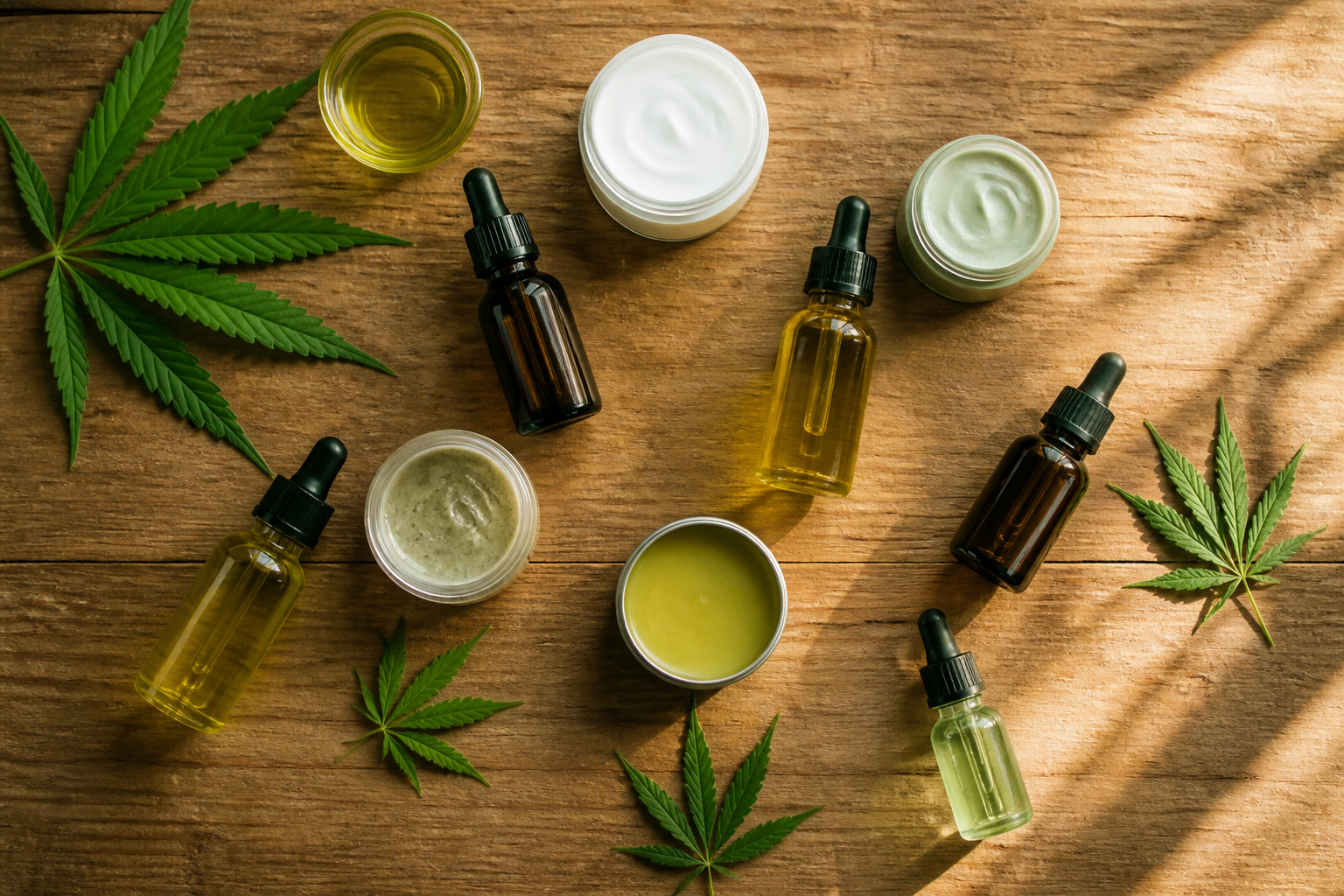
CBD oil can be taken under the tongue, added to drinks, or applied topically. There’s a dizzying range of options: full spectrum, broad spectrum, isolates, gummies, tinctures — I’ve reviewed dozens over the past few years, and yes, some are much better than others.
Let’s Talk Science: How CBD Works in the Body
Here’s where it gets interesting (and sometimes a bit controversial among my fellow science writers). Your body has something called the endocannabinoid system. This network of receptors is responsible for regulating pain, inflammation, immune responses, mood, and even sleep.
CBD interacts with these receptors — especially CB2 receptors, which are found throughout immune and joint tissues. Several lab studies (like a 2020 piece in Current Opinion in Rheumatology) suggest that CBD may reduce the production of inflammatory cytokines (think: the little messengers that fan the flames inside your joints). Animal studies, including a 2016 paper in the European Journal of Pain, showed that CBD gel applied to arthritic rats reduced joint swelling and pain behaviors.
But here’s the honest truth: human studies are still catching up. Yes, there are promising small-scale trials, especially involving people with knee osteoarthritis or rheumatoid arthritis. But sample sizes are still pretty modest — think dozens, not thousands — and the placebo effect in pain studies is famously powerful. Still, as a health journalist, I can’t ignore the groundswell of positive patient reports.
CBD Oil for Real-World Joint Pain: What Are People Saying?
Let me share a few real voices. I get emails from readers every month about CBD and joint pain. One reader, a retired firefighter named Mike, told me it was "the only thing that let me sleep through the night without my elbows screaming." A 2022 survey in Arthritis Care & Research found about 37% of surveyed arthritis patients tried CBD — and over half reported meaningful improvements in pain or sleep.
Now, I know the plural of anecdote isn’t data. But after twenty years in this field, I’ve learned to listen to lived experience as well as the clinical trials. If you’re considering CBD oil for joint pain and inflammation, you’re hardly alone — and you’re definitely not chasing snake oil.

Does CBD Oil Really Help With Inflammation?
This is the $64,000 question. The anti-inflammatory effects of CBD are well-documented in preclinical studies. For example, a 2021 review in Frontiers in Pharmacology highlighted its ability to inhibit several inflammatory pathways and suppress immune hyperactivity (which is a big issue in autoimmune arthritis).
To translate: CBD acts a bit like a volume knob, dialing down the body’s own overzealous response. That means less swelling, redness, and stiffness — at least in theory. The science is still murkier in large-scale human populations, but the trend is promising.
What’s more, some orthopedists I’ve interviewed even recommend topical CBD (like balms or roll-ons) for joint pain flares, especially when patients can’t tolerate NSAIDs. Topical application generally leads to fewer systemic side effects, which is something my own mother-in-law appreciated when Voltaren started upsetting her stomach.
How to Use CBD Oil for Joint Pain and Inflammation (Smartly)
Look, if you’re still with me, you’re probably wondering how to actually use CBD oil safely — and what to expect. Here’s my best advice, shaped by dozens of interviews with rheumatologists, pharmacists, and real patients:
- Start low, go slow. Most experts recommend starting with 10-20mg CBD per dose, once or twice daily. Gradually increase every few days as needed, up to 50mg or more if tolerated. Some people feel relief at just 10mg; others need closer to 40mg. (This variation is totally normal — everyone metabolizes CBD a little differently.)
- Consistency matters. CBD isn’t an instant miracle. Most users notice incremental improvements over 2-4 weeks. Keep a journal of pain scores and sleep changes to track your own response.
- Choose third-party tested brands. Don’t just grab the cheapest bottle online. Look for companies that post independent lab reports confirming CBD content and the absence of heavy metals or pesticides. You wouldn’t believe some of the horror stories I’ve heard from readers who cut corners here.
- Check with your doctor. CBD can interact with blood thinners (like warfarin) and certain seizure meds. Always double-check if you’re on prescription drugs or have liver issues.
And remember, while CBD is generally very well-tolerated (headaches and mild stomach upset are the most common side effects), everyone’s body is unique. If you’re older, have multiple health issues, or are taking several medications — talk to your healthcare provider first.
Forms of CBD: Oil, Cream, or Gummies — Which for Joint Pain?
In my own reporting (and among the arthritis community), CBD oil tinctures and topical creams get the most love for joint pain. Oils and tinctures are liquid extracts you take under the tongue, which enter your bloodstream quickly for body-wide relief. Topicals are great for localized pain — think knees, hands, or shoulders — since you can apply them right where it hurts.
Gummies and capsules are handy for dosing but can take longer to kick in. For severe flare-ups, some patients actually pair a daily oil with a spot-treatment cream. (One of my readers swears by this two-pronged approach for her thumb arthritis.)
How Does CBD Compare to Traditional Joint Pain Remedies?
Alright, let’s not ignore the elephant in the room: how does CBD stack up against the usual suspects? I’ve seen CBD work wonders for some, but it’s not a replacement for established therapies. Most rheumatologists still recommend physical therapy, weight management, and classic standbys like Voltaren Arthritis Pain Gel (diclofenac sodium) — an FDA-approved topical that's backed by robust studies and widely available over the counter.
But, and it’s a big but, CBD’s appeal is clear: fewer GI side effects, no risk of addiction, and a mechanism that works with your body’s own endocannabinoid system. For those who can’t tolerate NSAIDs or simply want to layer different approaches, CBD is worth considering.
CBD Oil Shopping Tips: Avoid the Snake Oil
Here’s where most articles gloss over the hard stuff. The CBD industry is, frankly, a bit of a Wild West. Products aren’t tightly regulated by the FDA (yet). That means quality is all over the map. I’ve spent hours combing through third-party testing data and reading the fine print so you don’t have to. Here’s what to actually look for:
- Clear ingredient list — no unnecessary additives or mystery oils.
- Certificate of Analysis (COA) from an independent lab that matches the batch number on your bottle.
- Full spectrum vs. isolate: Full or broad-spectrum CBD contains additional plant compounds (like minor cannabinoids and terpenes) that may boost effectiveness — what scientists call the "entourage effect." Isolates are pure CBD.
- Reputation and transparency: Check reviews, see if the company lists their leadership team, and whether they respond to questions. (If it’s impossible to reach customer service, that’s a red flag.)
I’m often asked for brand recommendations. While I can’t endorse a single best product for everyone (CBD isn’t one-size-fits-all), I’ve found some full-spectrum tinctures from reputable U.S.-based companies that tick all the boxes. You can check leading options on Amazon — but remember: do your research, and don’t be afraid to ask questions.
Mixing and Matching: Can You Use CBD with Other Joint Relief Tools?
I’m a big fan of the "stacked" approach. Most folks don’t want to abandon their tried-and-true methods, and — newsflash — you don’t have to. A lot of my readers successfully combine daily CBD oil with movement, gentle strengthening, and compression sleeves like the Modvel Compression Knee Brace for extra knee support on the go.
I even know a few who rotate between a morning walk, CBD drops in their coffee, and heat therapy with a Pure Enrichment PureRelief XL Heating Pad for nighttime stiffness. The point: modern joint care is about building a toolkit, not betting all your chips on a single fix.
What About Side Effects and Safety of CBD Oil?
Look, no supplement is risk-free. About 10% of people in clinical trials report mild side effects like drowsiness, dry mouth, or GI upset. High doses (over 100mg per day) can raise liver enzymes, so don’t go overboard. The American College of Rheumatology’s 2020 position statement? "CBD appears relatively safe, but long-term studies are needed. Discuss with your care team before starting." Sage advice.
If you’re pregnant, breastfeeding, or have a history of liver disease, steer clear unless your doctor gives you the green light. And, as always, avoid any CBD product that makes wild promises or refuses to share lab results. Joint pain relief is a marathon, not a sprint.
CBD Oil for Joint Pain: The Honest Takeaways
So — is CBD oil a magic bullet for joint pain and inflammation? No, and anyone who says otherwise is selling wishful thinking. But for many people, it’s a sensible, low-risk addition to a thoughtful joint care plan. The key is realistic expectations: incremental relief, not overnight transformation, and a focus on quality, transparency, and safety.
And if you’re like Annie, finding yourself back on the tennis court (or just getting out of bed without wincing), that might be more than enough. If you decide to try CBD, keep your doctor in the loop, track your progress, and trust your own experience as much as the studies.
Still have questions about CBD oil for joint pain and inflammation? Feel free to send me an email — I read every single one, and sometimes your stories shape my next investigation.
Here’s to less pain, more movement, and a bit more comfort in your days.
— Karen Whitfield
Veteran health journalist and joint health advocate