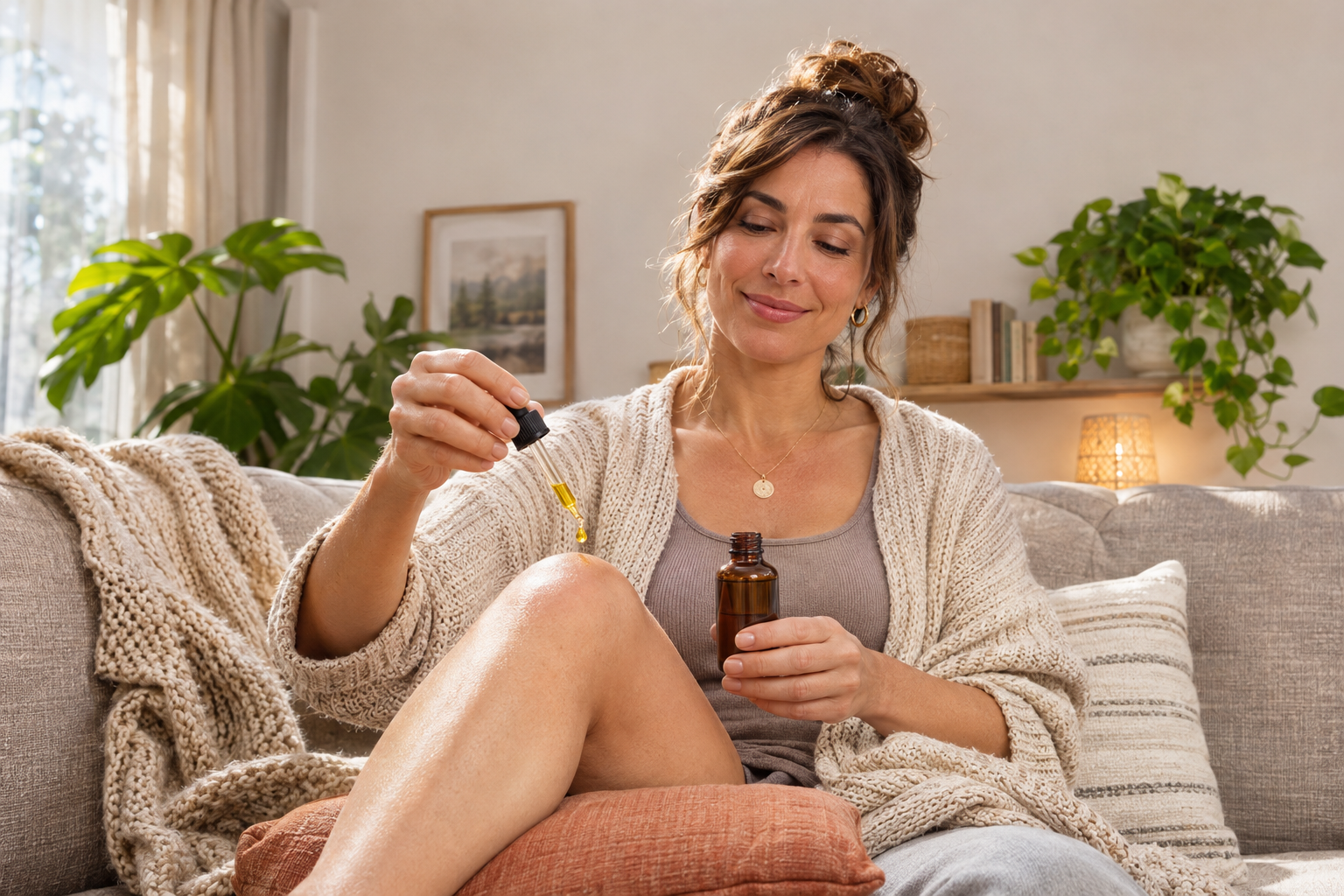
CBD Oil for Joint Pain and Inflammation: Real Relief or Just Hype?
I still remember the look on my neighbor's face — half hope, half skepticism — when she stopped me by the mailbox last winter. "Mike, have you tried that CBD oil stuff for knees? My daughter swears by it, but I’m not sure what to believe. Docs, magazines, the internet... everyone’s got an opinion."
If you’re reading this, odds are you’re wading through a similar sea of mixed messages about CBD oil for joint pain and inflammation. Anecdotes fly faster than research results, and — not gonna lie — sometimes the folks selling CBD seem a little too enthusiastic for my taste. But here’s the thing: genuine curiosity is good. And as someone who’s spent the last 15 years treating aching joints and reading the fine print in medical journals, I want to give you my honest, practical take — minus the snake oil, plus the science.
The Daily Struggle of Joint Pain: Been There, Seen That
If you wince climbing the stairs, or if your hands ache when you grip that morning coffee mug, you know that joint pain isn’t just an inconvenience — it’s a thief. It swipes energy, steals hobbies, and chips away at the little joys most people take for granted. I see it every week in my clinic. From aging marathoners with knees that sound like popcorn to folks with “trick shoulders” that act up every rainy day, joint pain and inflammation take many shapes, but the frustration is universal. You want some relief. Now, not in six months.
That hunger for fast, natural solutions is exactly why CBD oil’s popularity exploded. But does it actually deliver? Let’s dig in.
CBD Oil: What It Is (and Isn’t)
Look, if you’re fuzzy on what CBD even is, you’re in good company. CBD — short for cannabidiol — comes from the hemp plant, a cousin of marijuana. But unlike its better-known sibling THC, CBD doesn’t get you high. Think of it as the non-intoxicating player in the cannabis family. Instead, it’s been studied for its potential to tame pain, calm inflammation, and even help with sleep or anxiety — all common companions of chronic joint issues. The best part? Legal, widely available, and yes, research-backed (with some caveats, which I’ll get to).
But — and it’s a big but — not all CBD is created equal. Some bottles are little more than olive oil with a fancy label. And dosing? That’s another rabbit hole. We’ll come back to that, promise.
How CBD Actually Works for Joints (Simplified Science)
This is where I geek out a little. In your body, there’s this fascinating system called the endocannabinoid system (ECS). Picture it as a network of messengers and receptors sprinkled throughout your brain, nerves, and immune system. Its main job? Balance — keeping pain, inflammation, mood, even appetite in check. CBD doesn’t bind directly to ECS receptors like THC does, but it does influence them, nudging your body to calm excess inflammation and dampen pain signals.
Here’s where it gets interesting: Animal studies, like that 2017 paper in European Journal of Pain, showed topical CBD reduced joint swelling and pain behaviors in rats with arthritis. Human studies are catching up, but the early signals are surprisingly promising.
What the Research Says — And Where It Falls Short
I’ll be honest: the medical field moves slow. There isn’t a mountain of gold-standard, double-blind human trials on CBD for joint pain. But there are some gems worth mentioning.
- Osteoarthritis in Rats (2017, European Journal of Pain): CBD gel applied to arthritic joints reduced inflammation and improved movement — with no side effects noted.
- Chronic Pain Meta-Analysis (2020, BMJ): Looked at 79 trials on medical cannabis (including CBD). The take? Small but statistically significant improvement in chronic pain versus placebo, although not all studies focused on joints specifically.
- Rheumatoid Arthritis Case Series (2022, Rheumatology Advances in Practice): Patients using CBD oil reported reductions in pain and sleep disturbance, though researchers noted results may be partially placebo-driven.
Most articles gloss over this, but here’s my take: CBD won’t “cure” arthritis or magically regrow worn cartilage overnight. But for some, it can take the edge off enough to make daily movement — and physical therapy — more doable. And the kicker? Side effects are generally mild (think dry mouth or slight drowsiness). No high, no dangerous interactions for most folks. Of course, talk to your doctor first, especially if you’re on meds like blood thinners or have liver issues.
Stories from My Clinic (And One at Home)
Let’s zoom out of the lab for a second. Clinical studies are vital — but real-world stories matter too. Over the past 18 months, I’ve seen a slow uptick in patients experimenting with CBD tinctures and balms for joints. I always ask: “Did it help? Any side effects? Would you use it again?”
My patient Anna (pseudonym), 62, with stubborn thumb arthritis, swears her nighttime CBD rub is the only thing that lets her sleep through. My uncle, on the other hand, tried an oral CBD oil for his knees and called it “expensive wishful thinking.” My honest read? There’s wide variation. Some report less joint stiffness and a gentle drop in background pain — not a lightning bolt, but a nudge. Others feel nothing. Sometimes it’s the quality or dose (or even the expectation) that makes all the difference.
How to Use CBD Oil for Joint Pain and Inflammation
All right, let’s get real practical. If you’re game to try CBD for your joints, here’s what you need to know:
- Delivery Method Matters: Oral CBD oil (tinctures) provides body-wide effects and is most studied, but topical balms or creams can work locally on sore joints. I’ve seen both approaches work for knees, hands, elbows — sometimes in combo. Topical is less likely to interact with other meds.
- Start Low, Go Slow: Most research uses doses from 20mg up to 100mg per day, but I suggest starting as low as 10-20mg daily. Give it a week, then gradually increase until you hit your personal “sweet spot.” (If you experience side effects, back down or pause.)
- Check for Quality: Only buy from brands that provide third-party lab results for potency and purity. You’d be shocked at how many products are mislabeled. Avoid anything without a batch number or independent lab report.
- Be Patient: Unlike an NSAID, CBD’s effects are typically subtle and can take several days — sometimes weeks — to notice.
- Don’t Ditch Proven Strategies: CBD can complement, but not replace, standard arthritis care like movement, diet, or pain-relief basics.
And one thing I wish magazines would say louder: there’s no guarantee. The FDA doesn’t regulate CBD like medications (yet), so talk to your healthcare provider if you have doubts or take prescription meds. Some folks with autoimmune disease, liver issues, or bleeding risks need extra caution.

How CBD Compares to Other Joint Relief Solutions
Here’s where people get tripped up. CBD isn’t the only show in town for sore joints. Here’s a quick side-by-side:
- NSAIDs (like ibuprofen): Fast, reliable, but rough on the stomach and kidneys if overused.
- Topical Options: Voltaren Arthritis Pain Gel is an FDA-approved topical for arthritis — non-greasy, well-researched, available without prescription. Some of my patients alternate it with CBD balm for layered relief.
- Supplements: Glucosamine, chondroitin, turmeric, and boswellia all have some data (though usually modest effects). The right blend — like what you get in Glucosamine Chondroitin Turmeric MSM & Boswellia — may help, especially if you’re willing to commit for 2-3 months.
- Movement & Exercise: Still the #1 recommendation, hands down. Want to learn joint-friendly routines? The guide Treat Your Own Knees is a patient favorite — clear, simple, and practical.
Most of my patients get the best results from a layered approach — gentle exercise, anti-inflammatory foods, topical or oral pain relief, plus solid sleep and stress management. CBD fits in as one tool among many, not a stand-alone miracle.
How to Find a CBD Oil That’s Actually Worth Your Money
Here’s the hard truth: the CBD market is, frankly, a mess. Some brands test rigorously and disclose everything. Others? Not so much. If you want my rule-of-thumb checklist, here it is:
- Full- or broad-spectrum oil (not isolate) — gives you the “entourage effect” from multiple cannabinoids.
- Clearly labeled dose per serving (in mg, not just % concentration).
- Third-party lab report (should be recent and batch-specific).
- Transparent sourcing (ideally US-grown, organic hemp).
- Praise from unbiased reviewers (not just glowing influencer blogs).
P.S. Be wary of any CBD oil promising a “cure” or pushing aggressive auto-ship subscriptions. If a company can’t answer your basic questions, skip it. And the price? Higher-quality products generally run $40-80 per bottle, but you don’t always have to buy the most expensive.
What About Side Effects and Risks?
Compared to prescription painkillers, CBD’s risk profile is mild. The most common side effects I hear about are dry mouth, fatigue, and rare digestive upset. But, CBD can interact with some meds (especially blood thinners, seizure drugs), so don’t skip that conversation with your pharmacist or physician.
One controversial take: Some in my field worry about “CBD mania” — people ignoring standard care or spending big on low-quality products. Smart use is about integration, not substitution.

Bottom Line: Is CBD Oil Worth a Shot for Joint Pain?
Here’s my honest answer, as someone who treats joint pain daily and reads the research with a skeptic’s eye:
CBD oil isn’t a miracle — but it’s also not the empty hype some critics claim. The science is promising, especially for inflammation-driven joint pain, and the safety profile is strong for most adults. The real trick is finding a reputable oil, starting small, and giving it 2-4 weeks to judge personally. Use CBD as a complement to (not a replacement for) proven joint-health basics like movement, anti-inflammatory eating, and (when needed) physical therapy or medication.
If you’re curious, pick a solid brand, check your other meds for safety, and experiment mindfully. I’ve seen enough patients find gentle relief that I’m no longer a skeptic — just realistic. And if you try it? Drop me a note. I love hearing real-world stories more than any clinical trial.
Stay moving and stay curious — your joints will thank you. — Dr. Michael Torres, DC
Always consult your healthcare provider before trying any new supplement, especially if you have medical conditions or take prescription medications.
About the Author:
Dr. Michael Torres, DC, is a licensed chiropractor and certified nutrition counselor specializing in musculoskeletal health, pain management, and evidence-based wellness. He’s treated hundreds of patients with joint pain and has written for JointReliefReviews.com since 2012.