
CBD Oil for Joint Pain and Inflammation: A Physical Therapist’s Honest Take
If you live with creaky knees or stiff, aching fingers, you’ve probably heard someone say, “Hey, have you tried CBD oil?” Not gonna lie—I get this question at least twice a week, both from patients and my own friends. In fact, last Thanksgiving, my brother-in-law sidled up to me (plate of pie in hand) and whispered like he was sharing a secret: “Does that stuff actually work?”
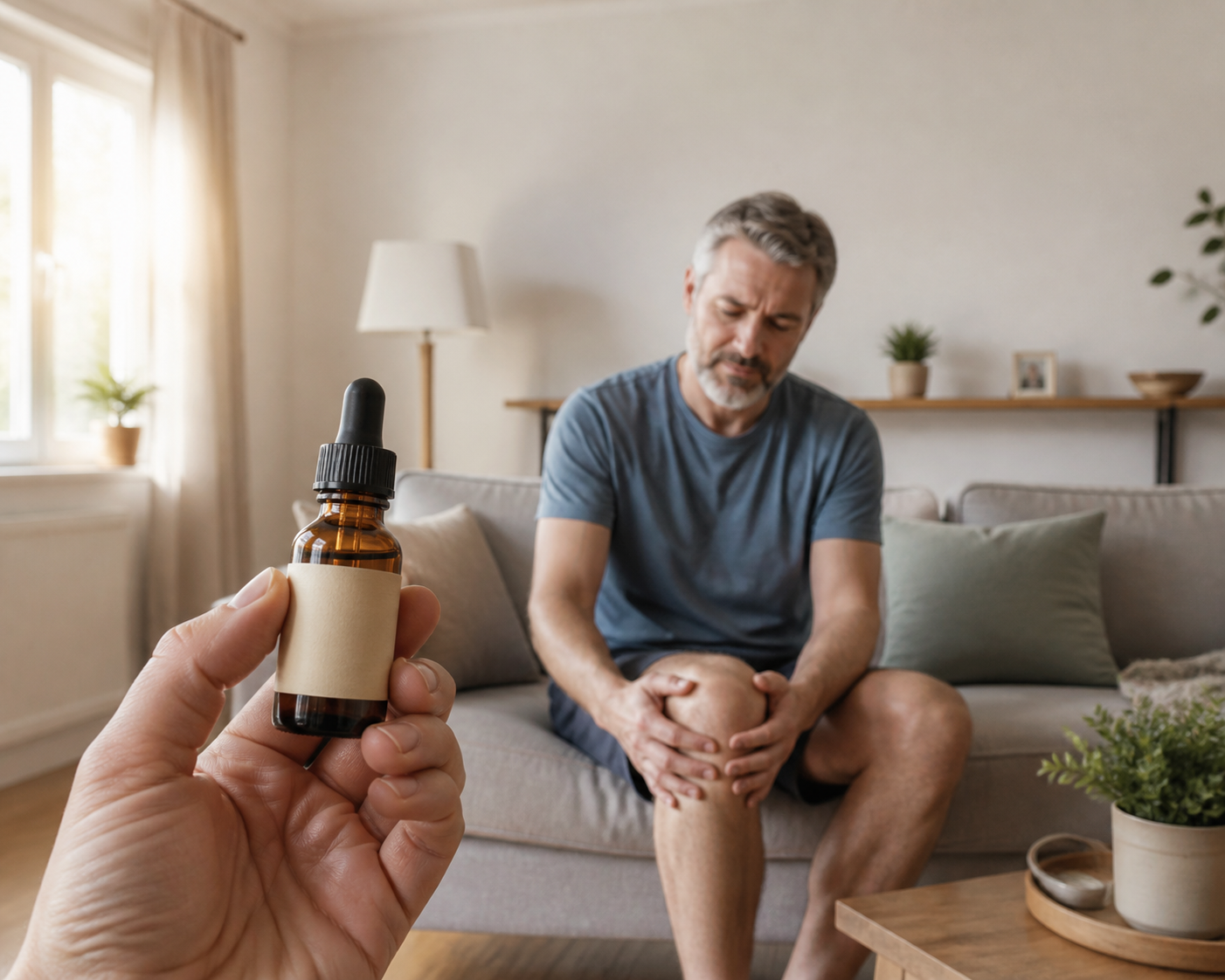
The Real Struggle: Joint Pain Isn’t Just ‘Getting Older’
Let’s be honest—joint pain and inflammation aren’t just little annoyances. They’re the reason you skip that morning walk, cancel plans, or wince getting out of the car. I’ve spent over a decade in clinics watching folks—sometimes in their thirties, sometimes in their eighties—fight with simple tasks because pain just won’t budge. Osteoarthritis, rheumatoid arthritis, random old injuries…they all end up in the same waiting room.
And here’s the thing: the usual advice (ice, NSAIDs, heat, PT) works for a lot of people, but not everyone. Side effects, incomplete relief, or just plain frustration send people searching for alternatives. Enter CBD oil—the wellness world’s latest buzzword.
What Actually Is CBD Oil?
CBD, or cannabidiol, is a naturally occurring compound from the cannabis plant. It’s not the stuff that gets you high—that’s THC, which is different. CBD oil is typically extracted from hemp (legal in the U.S. if it contains less than 0.3% THC), then diluted with something like coconut oil. You’ll find it in tinctures, gummies, balms, even pet chews (my neighbor’s dog, I kid you not, is on CBD for hip dysplasia).
But, legitimacy matters. Not every bottle on the shelf is what it claims to be. If you’re even considering trying it, you need a reputable brand, third-party testing, and transparency about dosing. More on that in a sec.
How CBD Might (In Theory) Help Joints
The real kicker is that our bodies actually make their own cannabinoids—part of something called the endocannabinoid system. This system, discovered in the 1990s (thank you, Israeli scientists), helps regulate pain, inflammation, and even mood. CBD doesn’t bind to receptors the way THC does, but it does seem to nudge the system towards less pain and less inflammation. At least, that’s what the early science suggests.
Animal studies have shown CBD can reduce swelling and inflammatory markers. A 2017 European Journal of Pain study, for example, found that topical CBD reduced joint swelling and pain behavior in rats with osteoarthritis. But rats aren’t people, and rubbing oil on a rodent knee isn’t the same as managing years of human arthritis pain. Still, it’s a spark of hope.
What Does the Human Evidence Say?
Here’s where it gets interesting—and a bit messy. The gold-standard big studies? They’re still in short supply. However, a few smaller trials and plenty of anecdotal stories exist.
- Arthritis & Rheumatology (2020): Surveyed over 2,600 arthritis patients in the U.S. Nearly 80% had tried or considered trying CBD. Of those who tried it, about 1 in 3 said it helped relieve their pain.
- Journal of Cannabis Research (2022): Looked at real-world CBD users with chronic pain (most had joint issues). 59% reported reduced pain, and 67% reported better sleep—but these were self-reported, not controlled trials.
- Harvard Medical School (2021): Noted in a clinical update that while early results are promising for chronic pain, actual clinical trial evidence is “modest at best.”
I know this isn’t the slam-dunk most people hope for. But as a clinician, I’ve seen folks who swear CBD is their game-changer. Others, honestly, feel no difference. It’s an individual thing—and often a bit of trial and error.

CBD Oil vs. Other Joint Relief Options
If you’re nodding along thinking, “I’ve tried everything—why not CBD?” you’re not alone. But how does it stack up next to the usual suspects?
- NSAIDs (like ibuprofen): Proven, quick relief. But long-term use can mess with your gut, kidneys, and blood pressure. I’ve lost track of how many patients I’ve seen with heartburn from daily Advil.
- Physical Therapy (yep, I’m biased): Strengthens joints, improves function. But it takes time, consistency, and sometimes, more patience than painkillers.
- Topical rubs (like Voltaren Arthritis Pain Gel): Clinically proven for osteoarthritis. FDA-approved, and often less risky than oral NSAIDs. Many of my patients layer it with CBD for a tag-team effect.
- Supplements (think glucosamine, turmeric, MSM): Mixed evidence, but some swear by them. A combo formula like Glucosamine Chondroitin Turmeric MSM & Boswellia covers a lot of bases—and I’ve reviewed dozens of these blends over the years.
CBD oil is appealing because it’s (usually) well-tolerated, doesn’t require a prescription, and feels “natural” to many people. But—and this is big—it’s not regulated in the same way as pharmaceuticals, so quality and dosing can be all over the place. Always talk to your doctor, especially if you’re mixing with other meds.
Types of CBD Products for Joints: What Actually Works?
Over the years, I’ve seen a parade of CBD products: tinctures, gummies, capsules, roll-ons, creams. The right choice depends on your goals. Here’s my take, based on both research and real-world feedback from thousands of patients:
- Oils/Tinctures: Fast absorption. Good if you want whole-body effects. Most start with 10-25mg, then gradually increase. Full-spectrum varieties (contain other cannabinoids) may provide more potent relief, according to some small studies.
- Topical Creams: Better for targeted pain. Anecdotally, my patients with finger or knee arthritis like these for flare-ups. But, the skin barrier means not all the CBD actually reaches the joint.
- Capsules/Gummies: Convenient, longer effect—but slower to kick in. Good for people who dislike the taste of oils.
Personally, I lean towards oil or topical forms for joint pain. You can adjust your dose more easily, and topicals allow for spot treatment. The trick is consistency—give it a couple of weeks, not just one or two tries.
Dosing Dilemmas: How Much CBD Is Enough?
This part drives my science-brain a little nuts, because there’s no standard dose. Most clinical studies use anywhere from 10mg to 50mg per day, sometimes more for severe pain. I usually advise starting low (10-15mg a day), then adding 5mg every few days until you hit relief or mild side effects (like drowsiness or dry mouth).
Look, CBD isn’t magic. If you don’t feel anything by 40-50mg a day after 2-3 weeks, it might not be your solution. The body’s response is variable. And always—always!—check with your physician before starting, especially if you’re on blood thinners, seizure meds, or have liver issues. (That’s not just lawyer-speak. I’ve seen drug interactions that got hairy.)
What to Watch For: Side Effects and Safety
Most people tolerate CBD well, but side effects can pop up. The most common? Drowsiness, digestive upset, and dry mouth. Rarely, it can mess with liver enzymes or interact with certain meds, like blood thinners. And remember, not all CBD oil is created equal—contamination with THC or pesticides is a real risk if you’re buying from a sketchy source.
In 2023, the FDA sent warning letters to several brands for mislabeling or making wild health claims. So stick with brands that publish lab results on their website, use U.S.-grown hemp, and have clear dosing info.
Tips for Choosing the Right CBD Oil
Here’s what I tell my patients (and, honestly, my own dad, who’s got two cranky knees):
- Pick full-spectrum if possible: You get a wider range of cannabinoids, which some studies suggest works better than CBD alone (the "entourage effect").
- Look for third-party testing: If the company doesn’t publish lab results, skip them.
- Start with a low-moderate strength: Around 300-600mg per bottle, with a dropper for easy dosing.
- Avoid wild health claims: If a company promises to “cure arthritis,” run the other way.
And, if you want to try layering therapies (CBD plus a proven topical like Voltaren or a joint supplement), that’s reasonable—just watch for side effects and let your doctor know.

What the Experts—and Real People—Are Saying
I’m not the only clinician fielding the CBD question. The Arthritis Foundation—in a 2020 guidance—says CBD may help with pain, sleep, and anxiety in some people. They recommend it as an adjunct, not a replacement for proven treatments. Rheumatologists I trust are cautiously optimistic, but always stress buying quality products and managing expectations.
Here’s a story: One of my long-term patients, Susan (mid-50s, teacher, marathon knees), was skeptical. We started her on a reputable CBD oil at 15mg nightly alongside her regular PT. After three weeks, her sleep improved, and her morning stiffness decreased by about 25%. She still used Voltaren on tough days. Did it cure her arthritis? No. Did it shift her quality of life? “I’m less grumpy, and I walk my dog farther,” she told me. That’s a win in my book.
How CBD Fits into a Bigger Joint Health Plan
No single solution—CBD included—is a magic bullet. The most resilient patients layer their approaches: movement (simple knee exercises from books like Treat Your Own Knees), physical therapy, smart supplements, quality sleep, and stress management. CBD oil might be one more tool in your kit.
If you’re on the fence, I say this: try it for 30 days, track your symptoms, and be honest with yourself about changes (or lack thereof). For some, it’s a gentle nudge in the right direction. For others, it’s just an expensive new hobby.
Key Takeaways: My Professional and Personal Two Cents
- CBD oil isn’t a miracle cure, but it’s reasonably safe for most and worth a try—especially if you’ve hit a wall with traditional treatments.
- Quality matters—full-spectrum, third-party tested, dose-controlled oils give you the best shot at results.
- Layering therapies (PT, topicals, supplements) is often more effective than any one method alone.
- Track your symptoms and look for small improvements: better sleep, reduced morning stiffness, milder flare-ups.
- Always tell your doctor about your CBD use, especially if you’re on other meds.
So, does CBD oil help joint pain and inflammation? For some, the answer is “yes—and I wish I’d tried it sooner.” For others, it’s “meh, back to the drawing board.” There’s no shame in experimenting—just go in with eyes open, realistic expectations, and a little bit of healthy skepticism.
If you’ve got stories, questions, or favorite brands, I genuinely want to hear from you. This is one topic where real-world experience is just as valuable as study data—and yes, I read every email (even if it takes me a week to reply!).
Dr. Sarah Mitchell, DPT
Senior Health Editor, JointReliefReviews