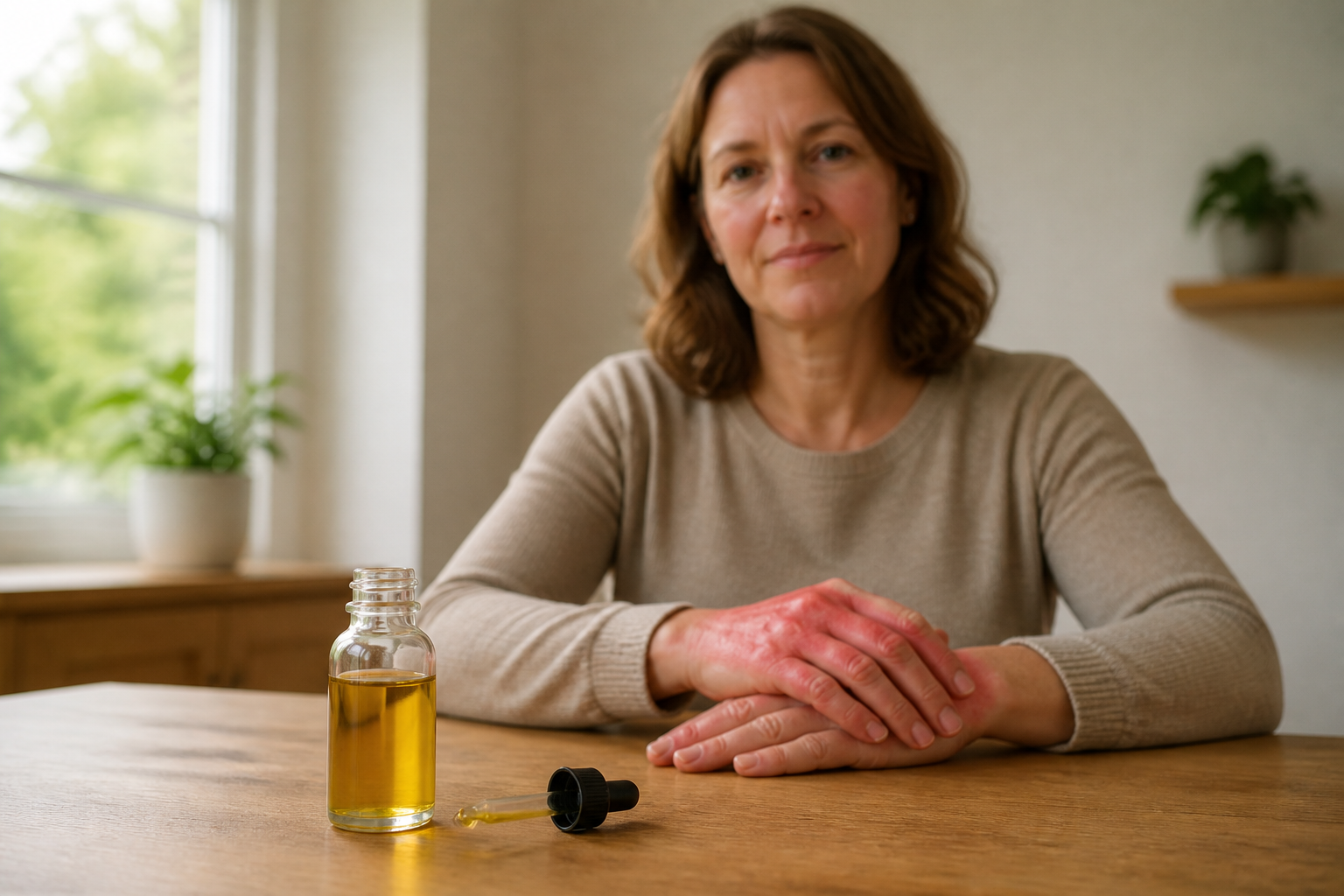
CBD Oil for Joint Pain and Inflammation: Does It Really Work?
I’ll never forget the first time a client asked me about CBD oil for their knees. This was back in 2018, when you couldn’t walk into a grocery store without tripping over a new CBD display. She slid into my office, grimacing after a long walk downtown. “James,” she said, “does this stuff actually help, or is it snake oil?”

The Real Struggle of Joint Pain
Let’s be honest—joint pain can make an ordinary day feel like climbing Everest. I work with a lot of folks in their 50s, 60s, and beyond. Stiff knees in the morning. Aching hands after gardening. That familiar dull throb after a walk. Some of you email me that you can’t even open a jar without wincing. And the inflammation? It’s not just pain—it’s swelling, redness, that nagging heat in your joints. I’ve seen it sap energy and even joy from people who used to love being active.
If you’re nodding along, you’re not alone. According to the CDC, nearly 1 in 4 American adults has doctor-diagnosed arthritis. Osteoarthritis, rheumatoid arthritis, bursitis, old sports injuries—the list goes on. There’s a reason drugstore pain relief shelves run out of stock every winter.
What Even Is CBD Oil?
Let’s clear the air before we get into the hard science. CBD (cannabidiol) is a compound found in the hemp plant—yes, same family as marijuana, but it doesn’t get you high. That job belongs to THC, which is either completely absent or present only in tiny, legal traces in CBD oils sold over the counter in the U.S. This is important: if you or your doctor are worried about psychoactive effects, CBD on its own is about as trippy as chamomile tea.
Most CBD oils for joint pain are sold as tinctures (liquid drops you take under the tongue), capsules, or topical creams/rubs. Dosages are all over the map—anything from 10mg to 100mg+ per serving. And that’s part of the confusion, frankly.
Here’s the Thing: The Science Isn’t Black and White
I’ll be straight with you. The research on CBD oil for joint pain and inflammation is still pretty new. There’s exciting early evidence, yes, but it’s not as conclusive as, say, acetaminophen or NSAIDs. If a website promises you “miracle cures,” run the other way. But there’s enough real data to make anyone curious.
The European Journal of Pain (2016) published a fascinating study where rats with arthritis received topical CBD. Result? Significant drop in joint swelling and pain-related behaviors. Of course, rats aren’t people—but it’s a start. Fast forward to a 2020 review in Current Opinion in Rheumatology, and you see cautious optimism: CBD interacts with the body’s endocannabinoid system (ECS), which helps regulate inflammation and pain signaling.
Now, in humans, the gold-standard, double-blind, placebo-controlled studies are still limited. But—here’s where it gets interesting—numerous small surveys of arthritis patients (see: Arthritis Care & Research, 2019) show about 79% of those who tried CBD reported some degree of pain relief, and 67% noticed improved sleep. Is that rock-solid proof? No. But as someone who’s watched clients try everything from turmeric to copper bracelets, those numbers are more promising than most supplements I’m asked about.

How Does CBD Oil Work for Joint Issues?
CBD isn’t some magical anti-inflammatory bullet—but the biochemistry is compelling. Here’s the very short version (minus the jargon): the human body produces its own cannabinoids through the ECS, which is deeply involved in pain, immune, and inflammatory pathways. CBD appears to boost these natural processes by:
- Reducing inflammatory cytokine signals (less swelling, less redness)
- Modulating pain perception in the central nervous system
- Possibly reducing anxiety and improving sleep, which indirectly helps people cope with chronic pain
Clinical studies on adults with arthritis (see Arthritis & Rheumatology, 2020) show that CBD may reduce pain scores by 20–40% in some cases—especially with daily use of 20–50mg. But here’s the kicker: results are highly individual. Some people feel better in a week. Others say “meh.” And some notice nothing at all. I know, not the clarity you might crave—but that’s real science for you.
How to Actually Use CBD Oil for Joint Pain (Without Throwing Money Away)
Look, I’ve reviewed dozens of supplement trends for joint pain over the years. Most people make two mistakes with CBD:
- They expect instant, dramatic results (this almost never happens)
- They use random, low-quality products and hope for the best
If you decide to try CBD oil, here’s my professional take:
- Start low, go slow: Begin with 10-20mg per day, increase as needed after 7-10 days
- Give it time: Joint relief is more likely after consistent use—think 2-4 weeks, not 2 days
- Quality matters: Look for third-party tested brands, preferably with QR codes linking to lab results
- Talk to your doctor (especially if you’re on blood thinners or have liver concerns)
For those who hate swallowing pills, I’ve seen a lot of success with topical CBD balms massaged directly into sore knees or hands—just don’t expect overnight miracles.
CBD Oil vs. Other Joint Support Options
Here’s where most articles gloss over the real dilemma: how does CBD stack up against actual heavyweights like Voltaren Gel, glucosamine, or old-fashioned ice and heat?
- CBD Oil: Works best for mild to moderate chronic aches, sleep troubles, or when other meds aren’t tolerated due to gut or kidney issues.
- Voltaren Arthritis Pain Gel: Contains diclofenac, a legitimate topical NSAID. If your doctor okays it, Voltaren Arthritis Pain Gel is a go-to for rapid, local relief—especially for knees and hands. It’s FDA-approved and, frankly, more predictable than CBD in clinical trials.
- Glucosamine/Chondroitin, Turmeric: These supplements (like the Glucosamine Chondroitin Turmeric MSM & Boswellia blend) have a longer track record, especially for cartilage support. But results can still be mixed—some see dramatic improvements, others notice nothing after months.
- Heat and Compression: For flare-ups, simple tools like the Pure Enrichment PureRelief XL Heating Pad or a reliable compression sleeve can work wonders when you need soothing, non-drug relief.
Bottom line? As of now, I see CBD oil as a useful tool—often best alongside other options, not as a solo hero.
What About Side Effects and Safety?
Most folks tolerate CBD oil quite well. I get nervous when companies act like it’s risk-free, though—nothing in biology is ever that simple. Some of my clients have reported:
- Mild drowsiness (actually a perk if you have sleep issues)
- Occasional stomach upset or diarrhea (especially with high doses)
- Possible interaction with prescription meds (anti-seizure drugs, blood thinners, certain antidepressants)
There are rare reports of abnormal liver enzymes in high-dose users (BMJ, 2020), so if you have a liver condition, definitely consult your doc. The other issue? Quality control. Since CBD isn’t regulated like a medicine, some brands mislabel strengths or let heavy metals sneak through. That’s why I always push for third-party testing—even if it means spending a few bucks more.

Who Should (and Shouldn’t) Try CBD Oil for Joint Pain?
Let’s cut through the hype. CBD oil is worth considering if:
- Your joint pain is mild to moderate—not an acute injury or severe arthritis flare
- You prefer natural or plant-based options
- Other oral anti-inflammatories give you stomach trouble or aren’t recommended for you
- You’re hoping for adjunct support alongside your doctor’s care
But if you’re pregnant, breastfeeding, dealing with severe liver disease, or taking multiple prescriptions, I recommend skipping CBD for now—or at least running it by your care team first.
FAQs I Get About CBD Oil and Joint Relief
- Will CBD oil cure my arthritis? No, but it may help manage symptoms. There’s no known cure for most forms of arthritis—just smarter symptom management.
- How fast will I notice a difference? Most people who benefit report changes in 1-3 weeks. Rarely is it instant.
- Can I use it with other pain relievers? Generally, yes—but always double-check with your doctor, especially if you’re on daily meds.
- What’s better: oral or topical? Oral CBD (tinctures, capsules) may help whole-body inflammation and sleep. Topicals target specific joints but seem less consistent in clinical trials. Honestly, try both (separately) and see what your body prefers.
Final Takeaways from a Skeptic-Turned-Believer
I’ll be honest—when CBD first hit the shelves, I rolled my eyes. But over the past few years, I’ve watched some of my most stubborn, frustrated knee-pain clients find extra relief when nothing else eased their discomfort. It’s not a panacea, and the wild west of CBD marketing makes me cringe. But as a specialist who’s seen hundreds chase hope in a bottle, I can say: if you set realistic expectations, pick your brands carefully, and talk to your doctor, CBD oil is a reasonable “why not?” experiment—especially when used as part of a smart, holistic joint care routine.
If you try CBD oil, please share your experience with me. I always want to hear what actually works for real people, not just lab rats or headline writers.
Stay strong and keep moving—your joints are worth it.
James Chen, MS, CSCS
JointReliefReviews.com contributor, former university lecturer in Exercise Science, and the guy whose family steals his knee gel