CBD Oil for Joint Pain and Inflammation: My Honest Take as a Chiropractor
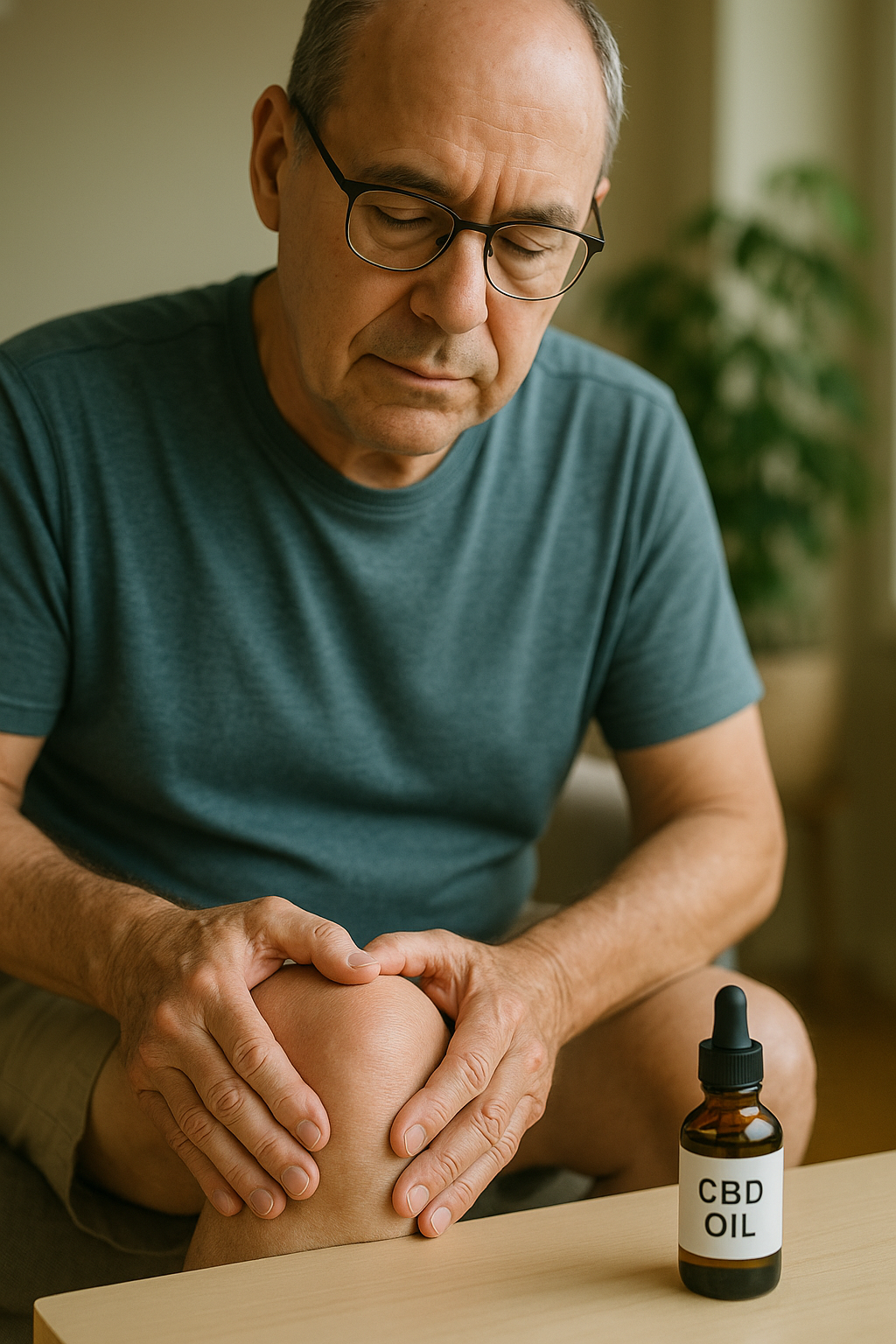
It was about three years ago when a patient (let’s call him Mike) limped into my office, clutching his knee. He had that familiar look of desperation I see so often—tired of popping ibuprofen, dreading another sleepless night from the ache. But this time, instead of asking about physical therapy or new exercises, he surprised me: “Doc, what do you think about CBD oil? My neighbor says it’s a game-changer for joint pain.”

I’ll be honest—I was skeptical at first. Like most clinicians, I'd seen wellness trends come and go. But the questions kept coming, and not just from Mike. My mother-in-law asked. My wife’s yoga friends texted. So, I dove deep: What’s the real story on CBD oil for joint pain and inflammation? Is it just hype, or does it have genuine potential?
Why Joint Pain Is So Relentless (And Why We’re Desperate for Solutions)
If you’re reading this, I don’t have to tell you that joint pain changes everything. Every step, every grip, every movement can feel like your body is working against you. I’ve seen patients in their thirties sidelined from running, retirees who can’t garden, and even teens held back from sports—all because of relentless, nagging discomfort.
Here’s the thing: Over 54 million adults in the U.S. alone are diagnosed with some form of arthritis, according to the CDC. And that only scratches the surface—plenty more struggle with post-injury inflammation, autoimmune flares, or the mysterious “aches” that crop up for no clear reason. If you’re nodding along, you’re far from alone.
Traditional options? Sure, there’s a place for NSAIDs, physical therapy, ice packs, and the infamous “rest and wait.” But chronic pain has a stubborn way of outlasting quick fixes. That’s why so many people are turning to alternative remedies—especially those promising fewer side effects.
So: where does CBD fit into this picture?
How Does CBD Oil Actually Work for Joint Pain?
CBD, or cannabidiol, is one of over a hundred compounds found in Cannabis sativa. It’s non-psychoactive, which means it won’t get you high—unlike its cousin THC. What interests doctors and researchers, though, is CBD’s effect on the body’s endocannabinoid system (ECS).
The ECS is like a master regulator. It helps balance pain perception, inflammation levels, mood, and more. The theory—backed by a growing body of evidence—is that CBD can “nudge” this system to calm down overactive pain and inflammatory signals. That means, at least in theory, less swelling, less ache, and maybe a little more freedom of movement.
But does this actually happen in real-world joints? Time for some science (don’t worry, I’ll keep it simple).
What the Research Says: Bench to Bedside
In 2017, a well-cited animal study in Pain used a rat model of osteoarthritis and found that topical CBD significantly reduced joint swelling and spontaneous pain behaviors. Rats aren’t people, but this was the first eyebrow-raiser for many clinicians.
Fast forward to 2020: A small, double-blind, placebo-controlled human trial in Arthritis Care & Research looked at topical CBD for hand osteoarthritis. The gist? CBD outperformed placebo for pain relief, though not by a landslide. The catch: the effect varied from person to person, and it worked best when combined with other non-pharma approaches (like gentle exercise, heat therapy, or bracing).
Here’s where it gets interesting: Many studies use topical CBD (lotions/gels) rather than oils or oral supplements. Why? The skin over joints is thin and loaded with ECS receptors. Still, plenty of folks report relief from sublingual (under the tongue) CBD oil as well, especially for widespread or inflammatory pain.
One more stat for the skeptics: A 2022 survey published in Journal of Pain Research reported that 59% of self-identified arthritis sufferers who used CBD experienced “significant improvement” in their symptoms—primarily pain, but also swelling and stiffness. Not all double-blind gold standard, but compelling nonetheless.
CBD vs. Classic Pain Relief: Where Does It Fit?
Here’s my controversial opinion: CBD is not a miracle cure. I know, that’s unpopular—especially online, where the hype machine never sleeps. But for a certain subset of people, especially those who can’t tolerate NSAIDs or want to cut back on prescription painkillers, it can be a helpful piece of the puzzle.
Most articles gloss over this, but the best results usually happen when CBD is paired with other lifestyle strategies:
- Compression support (like a knee sleeve or wrist brace)
- Gentle, low-impact exercise
- Consistency—taking CBD daily, not just when pain flares up
- Anti-inflammatory diet tweaks
And, of course, talking to your doctor before adding anything new. Especially if you’re on blood thinners, immunosuppressants, or have liver issues. (Yes, CBD interacts with some medications. Don’t gamble with your health.)

What Real People Say: First-Hand Experiences
I get emails every week from readers asking about CBD oil for joint pain. Some say it’s changed their life. Others feel... nothing. And a handful report mild side effects—mainly drowsiness or GI upset if they take too much. The sweet spot (according to my informal “clinic poll” and several published surveys) seems to be 20-40 mg daily, split into two doses. Start low, go slow. Some folks need more; others feel great on less.
I remember when my uncle—who’s tried everything for his shoulder arthritis—told me, “I don’t care if it’s placebo, as long as I can tie my shoes without wincing.” For him, CBD oil was the difference between a 7/10 and a 4/10 pain day. Not pain-free, but way more bearable.
That said, beware of dud products (and there are plenty). Some brands cut corners on potency, purity, or transparency. Look for third-party testing (COA), clear dosage info, and full-spectrum or broad-spectrum CBD if you want the “entourage effect” (all those minor cannabinoids working together).
How to Use CBD Oil for Joint Pain and Inflammation
I get nitty-gritty here, because the details matter:
- Sublingual drops: Place the oil under your tongue for at least 60 seconds (don’t just swallow). This boosts absorption and kicks in faster—often within 30-60 minutes.
- Topical balms or creams: Great for targeting specific, smaller joints—think knuckles, knees, or ankles. Massage in gently, up to 3 times daily.
- Capsules/edibles: More convenient, but slower-acting and less predictable.
And don’t expect fireworks overnight. Most patients report the best results after a week or two of consistent use.
Pairing CBD with Proven Tools for Maximum Relief
Look, CBD isn’t the only tool worth trying—and it definitely works best as part of a bigger, more holistic toolkit. For example, several of my patients swear by wearing a Modvel Compression Knee Brace while using CBD oil. The compression helps offload pressure and improve circulation, while the CBD targets pain and swelling from within. That combo? Can be a game-changer for daily walks or even getting through a grocery run.
Some also add heat therapy for stiff, achy mornings. I’m partial to the Pure Enrichment PureRelief XL Heating Pad—the extra-large size makes it easy to drape over hips, knees, or shoulders, and the moist heat option really penetrates deep tissue. (By the way, research in BMJ 2018 confirmed that moist heat outperforms dry heat for chronic joint pain.)
Want to go even deeper? Some supplement with a comprehensive joint formula that includes glucosamine, chondroitin, and turmeric—like the Glucosamine Chondroitin Turmeric MSM & Boswellia from Vimerson Health. It won’t replace CBD, but it can complement it for cartilage health and overall inflammation control. (Full disclosure: I recommend this brand professionally, but only when someone needs a little extra support.)
What About Drug Testing or Legality?
This comes up a lot. CBD is legal at the federal level in the U.S. (as long as it’s derived from hemp and contains <0.3% THC). But quality control is all over the map. Some products are cross-contaminated with more THC than labeled. If you’re subject to drug testing—athletes, healthcare workers, etc.—stick to broad-spectrum or CBD isolate products from reputable brands with published third-party results.
And, as always, check your state’s latest laws. Things change quickly!
My Best Advice for Anyone Considering CBD Oil for Joint Pain
If you’ve made it this far, you’re probably weighing the pros and cons, maybe comparing brands or asking, “Is it worth the money?” Here’s my honest advice as a chiropractor and nutrition counselor who’s seen both the failures and the wins:
- Start with a low dose and increase slowly—track your pain, stiffness, and sleep in a simple notebook.
- Stick with it for at least 2 weeks before passing judgment. Some bodies take time to respond.
- Don’t neglect the basics: movement, joint-friendly nutrition, ergonomic supports. CBD is “add-on,” not “sole solution.”
- Invest in third-party tested, reputable products—don’t skimp on quality just to save a few bucks.
And yes, talk to your doctor—especially if you’re pregnant, breastfeeding, or managing complex medical conditions.
Final Thoughts: Real Relief, Not Hype
CBD oil isn’t snake oil, but it’s not a silver bullet either. The best results seem to come from realistic expectations, good self-care, and consistent use. I’ve seen it reduce pain and swelling for some patients, help others recover from workouts faster, and give a few folks just enough relief to enjoy a good night’s sleep. Is it for everyone? No. But it’s a low-risk option worth considering—especially if you’re tired of the usual suspects.
If you have specific questions, drop me a message—I read every one. And if you’re using CBD already, I’d love to hear what’s worked (or not) for you. We’re all learning together.
Take care of those joints. You only get one set.
Dr. Michael Torres, DC
Licensed Chiropractor & Certified Nutrition Counselor
Contributor, JointReliefReviews.com