
CBD Oil for Joint Pain and Inflammation: Science, Skepticism, and Surprising Wins
I’ll never forget the first patient who asked me whether she could swap her prescription NSAID for CBD oil. She shuffled into my clinic, a little embarrassed, clutching a bottle with a dropper. “My friend at church said this worked miracles for her knees…but is it just snake oil?” That was 2018. Now, it feels like every other patient with joint pain is at least curious. Are you?
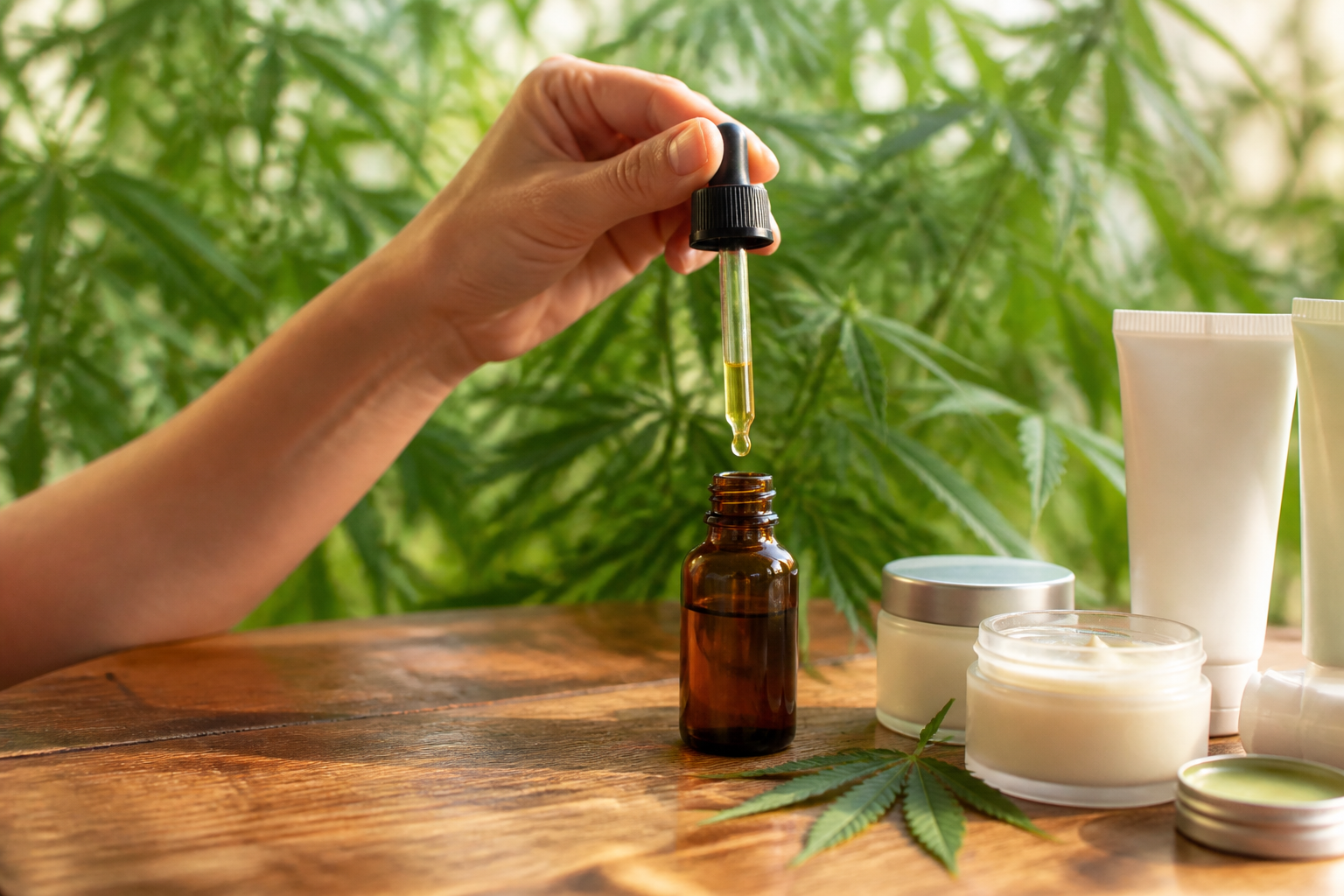
The Daily Grind of Joint Pain
If you’re reading this, I’m guessing those stiff morning knees or aching fingers are more than a fleeting annoyance. Maybe you’re wrestling with osteoarthritis, rheumatoid arthritis, or old sports injuries that flare up whenever the weather turns. As a PT, I see the toll: the sleep you lose, the walks you cut short, the little voice that wonders, “Is this how it’ll be from now on?”
Modern medicine has blessed us with a toolkit—NSAIDs, steroids, physical therapy (my bread and butter). But not everyone wants to live on pills, and let’s be real, side effects like stomach upset, high blood pressure, or the risk of dependency aren’t exactly appealing. That’s where natural options, like CBD oil, slip in and grab attention.
The CBD Oil Phenomenon: Why Is Everyone Talking?
Here’s the thing: CBD (cannabidiol) is everywhere. It’s in gummies at the pharmacy, tinctures at health food stores—even pet treats. But does it actually help joint pain and inflammation, or is it just the latest wellness fad?
CBD comes from the cannabis plant, but unlike its cousin THC, it won’t get you high. It works by interacting with your body’s endocannabinoid system (ECS)—a network of receptors that helps regulate pain, immune response, mood, and more. Sounds promising, right? But the details matter.
What Research Actually Says (Not Just the Hype)
Let me get nerdy for a second, because this is where most articles glaze over. There’s a big difference between anecdote (“my neighbor swears by it”) and data. So what’s out there?
- 2016, European Journal of Pain: A study used topical CBD on rats with joint pain. The result? Reduced inflammation and pain behavior—without obvious side effects. Yes, rats aren’t humans, but it got scientists’ attention.
- 2020, Current Pharmaceutical Biotechnology: A review found that CBD has “potential anti-arthritic properties,” especially in models of rheumatoid arthritis. But most of the strong data is preclinical (animals or lab studies), not massive human trials.
- 2022, Journal of Cannabis Research: This survey looked at real-world users: 83% reported improvement in pain from CBD, and nearly 66% reported better sleep. Most used CBD oil or capsules. But, and this is a big but, it’s self-reported—not double-blind, placebo-controlled gold standard proof.
So here’s my honest take: the science is promising, but not bulletproof. If you’re hoping for a magic-bullet cure, you’ll probably be disappointed. But if you’re looking for another tool in your toolkit—especially something with a good safety profile—CBD oil might fit.
How Does CBD Oil Actually Work on Joints?
Let’s translate the biology. The endocannabinoid system (see, I warned you I’d get nerdy) is like your body’s “reset button” for pain and inflammation. CBD doesn’t bind directly to the main receptors (CB1 and CB2), but it does influence signaling—dampening the inflammatory response and reducing how intensely your body “feels” pain.
CBD oil is usually administered sublingually (under the tongue). It gets absorbed into your bloodstream, circulates, and interacts with receptors in your muscles, cartilage, and immune cells. Some people, especially with hand or knee arthritis, use topical CBD creams for targeted effects, but for deep-joint pain (hips, back) or all-over inflammation, oil or capsules make more sense in my clinical experience.
What Kind of Relief Can You Expect?
This is where things get real. In my clinic, patients report a range. Some say CBD takes the edge off their pain, especially after a tough day or before bed. Others notice reduced swelling, or they can finally open jars again. A few—honestly—not much at all. I wish I could predict who will respond. Genetics, severity of disease, the product’s quality, and even your gut microbiome all play a role. Frustrating? A little. But very human.
The biggest wins I see are usually in mild to moderate pain—not “bone-on-bone” or severe inflammatory arthritis. Think: 10-30% better function, a bit less stiffness, and some improved sleep. Not a cure, but sometimes that’s enough to feel like yourself again.
What to Look For (and Avoid) in a CBD Oil
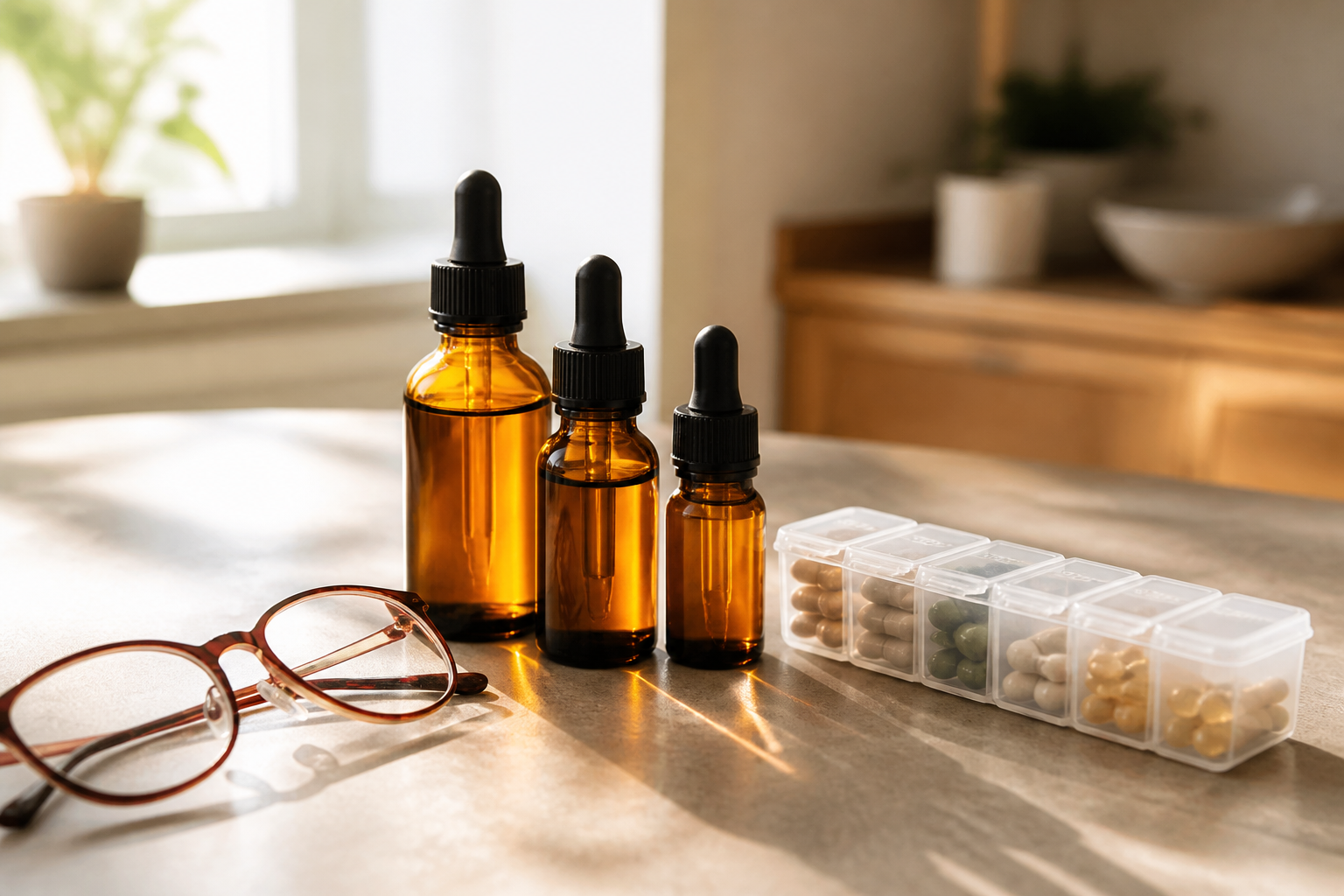
Okay, let’s talk turkey. The CBD market is a wild west. I’ve reviewed dozens of products (some left me with nothing but a lighter wallet). Here’s what matters:
- Third-party lab testing. If a company can’t show you a Certificate of Analysis (COA) proving the CBD content and lack of contaminants, skip it. Full stop.
- Clear dosing. Most clinical studies use 20-50mg CBD per dose, sometimes more for severe cases. Start low (10mg) and increase slowly—your system needs time to adjust. Don’t waste money on “microdose” gummies with 2mg per serving.
- Full-spectrum vs. isolate. I usually recommend full-spectrum CBD oil, which contains small amounts of other cannabinoids (not enough THC to cause a high). There’s some evidence of the “entourage effect”—better results when these compounds work together.
- Origin of hemp. US- or EU-grown hemp is my go-to—fewer issues with pesticides and heavy metals.
- Carrier oil quality. MCT (coconut) or olive oil are safe for most people, but always check if you have food allergies or sensitivities.
And don’t get me started on marketing hype. If a product claims it “cures” arthritis, run the other way. At best, that’s misleading; at worst, it’s a red flag for poor oversight.
How to Use CBD Oil for Joint Pain Safely
Here’s where I put on my “do no harm” hat. CBD is generally well-tolerated, but there are caveats—especially if you have liver issues, take blood thinners, or are on multiple medications. One reader emailed me last month after she noticed more bruising on Eliquis (a blood thinner). Yep, CBD can amplify certain drugs’ effects. Talk to your doctor or pharmacist first, especially if you’re juggling prescriptions.
Side effects are usually mild: dry mouth, sleepiness, changes in appetite, and for a handful of people, diarrhea or mild nausea. The real kicker? Quality matters—adulterated or incorrectly labeled oils can cause headaches or even allergic reactions. Stick to reputable brands with transparent ingredient lists and testing.
How Long Does It Take to Work?
Some people feel subtle relief in 30-60 minutes after oral CBD oil; others need days or even a couple of weeks. Topical creams can act faster for localized pain, but the systemic anti-inflammatory effect builds with daily use.
I tell my patients: Give it two weeks, then reassess. Track your pain and function with a journal or an app. If you’re not seeing any improvement after a month, it might not be worth continuing (or try adjusting the dose).
The Real-World Bottom Line: Can CBD Replace Traditional Treatments?
I know this is unpopular, but I rarely recommend ditching your prescribed treatment cold-turkey for CBD oil. For most people, CBD is best as a complementary approach: alongside physical therapy, reasonable use of pain meds, and lifestyle tweaks. But there’s a subgroup—those with mild OA who want to avoid NSAIDs, or folks who can’t tolerate oral meds—where CBD can genuinely help.
And here’s where it gets interesting: I’ve seen patients who struggled with sleep due to pain finally rest more soundly with a nightly CBD dose (20-40mg), which, in turn, helps them move better the next day. That’s not magic; that’s biology. You lower pain, you move more; you move more, you hurt less. The cycle matters.
CBD Oil vs. Other Natural Joint Support: How Does It Stack Up?
This is the part most “CBD miracle” sites skip over. Is CBD oil better than, say, turmeric or MSM or glucosamine-chondroitin supplements? The research head-to-head is…thin. But what I see clinically is that combining therapies often gets the best results, especially for chronic osteoarthritis or multi-joint pain.
For example, combining a reputable Glucosamine Chondroitin Turmeric MSM & Boswellia supplement with CBD oil covers multiple inflammation pathways. Some patients alternate: CBD oil at night for sleep and pain, joint supplement in the morning for cartilage support. Just don’t expect overnight miracles—joint health is a marathon, not a sprint.
And Orthotics? Compression? Still Worth It
Look, even the best supplement or oil won’t stabilize a wobbly knee or protect a cranky hip from bad movement patterns. I’m still a big fan of mechanical support. If knee pain is your nemesis, a simple pair of Modvel Compression Knee Braces can ease daily strain—especially if you’re walking, gardening, or chasing after grandkids.
CBD oil is a piece of the puzzle, not the whole picture. Layer your tools—sometimes that’s where the real progress happens.
CBD Oil and Inflammation: The Science Gets Messy
Here’s a fun fact for us science lovers: Inflammation is a double-edged sword. Acute inflammation helps you heal; chronic inflammation, though, is a slow-burning fire that wrecks cartilage and amplifies pain. CBD seems better at taming chronic low-grade inflammation than acute injuries. Animal studies (like the 2016 Journal of Experimental Medicine report) suggest CBD suppresses cytokines—the chemical messengers that fan the flames of joint inflammation.
But in big, real-world human studies? The effect size is usually modest. That doesn’t mean it’s worthless—but it does mean you should temper expectations. If your arthritis is flaring with hot, swollen joints, don’t count on CBD oil alone to put out the fire.
Red Flags and Pitfalls (Most Articles Won’t Mention)
Alright, now for the tough love:
- Poor labeling. Some brands overstate CBD content by as much as 50%. You might be dosing much less (or more) than you think.
- THC content. Federally-legal CBD oil contains less than 0.3% THC, but some batches creep higher. If your job tests for THC, be careful—false positives aren’t common, but they happen.
- Unrealistic promises. If a brand uses words like “cure” or “guaranteed relief,” that’s your cue to exit.
- Drug interactions. As I mentioned earlier, CBD plays with liver enzymes, affecting everything from statins to antidepressants. Always, always check with your physician if you’re on other meds.
Who Should Probably Avoid CBD Oil?
- Pregnant or breastfeeding women (not enough evidence of safety)
- People with liver disease
- Anyone on medications with a “grapefruit warning” (CBD uses the same enzyme system)
- Children under 18, unless prescribed for rare seizure disorders
And if you have a history of substance abuse? Talk to your doctor—CBD isn’t addictive, but products with trace THC might not be wise.
Expert Tips: Getting the Most Out of CBD Oil
After years of trial, error, and hearing hundreds of patient stories, here’s my quick-and-dirty list:
- Start low, go slow. 10mg per day for a week, then titrate up by 10mg increments as tolerated.
- Consistency is king. Daily dosing usually beats “as needed.”
- Add movement. Gentle stretching, low-impact exercise, and basic strength training amplify results. (Yes—old-school PT still works!)
- Track your change. Write down (or log) pain, stiffness, and sleep—patterns matter.
- Don’t ditch your doctor. Use CBD as part of a plan, not the whole plan.

So, Should You Try CBD Oil for Joint Pain and Inflammation?
I’ll be honest—there’s no miracle cure for chronic joint pain. If there were, I’d be out of a job. But CBD oil offers a low-risk, potentially helpful option for many people—especially those who want to avoid (or reduce) NSAID use, can’t tolerate other meds, or are seeking better sleep as a side benefit.
Is it for everyone? No. But after reviewing the science, seeing patient experiences, and trying a few high-quality products myself (I use a 25mg dose for my own post-run knee twinges), I believe it deserves a spot on the “worth trying” shelf—if you do your homework and talk to your healthcare team first.
For a start, pair it with other proven tools. A quality joint support supplement like Glucosamine Chondroitin Turmeric MSM & Boswellia and gentle exercise can make a real difference. For knee pain specifically, I often suggest a Modvel Compression Knee Brace for extra support during movement.
If you’re nodding along, you’re not alone. More people are searching for safe, sustainable relief than ever. The bottom line? Be your own best advocate. Try, track, reassess—and don’t fall for the hype.
Wishing you comfort and clarity on your joint health journey. If you have questions or want to share your story, drop me a note—I really do read them all.
Always consult with your healthcare provider before starting any new supplement or therapy, especially if you have chronic health conditions or take prescription medications.
Dr. Sarah Mitchell, DPT
Senior Health Editor, JointReliefReviews
12+ Years Treating Osteoarthritis, Avid Runner, Reluctant Guinea Pig for Trendy Supplements